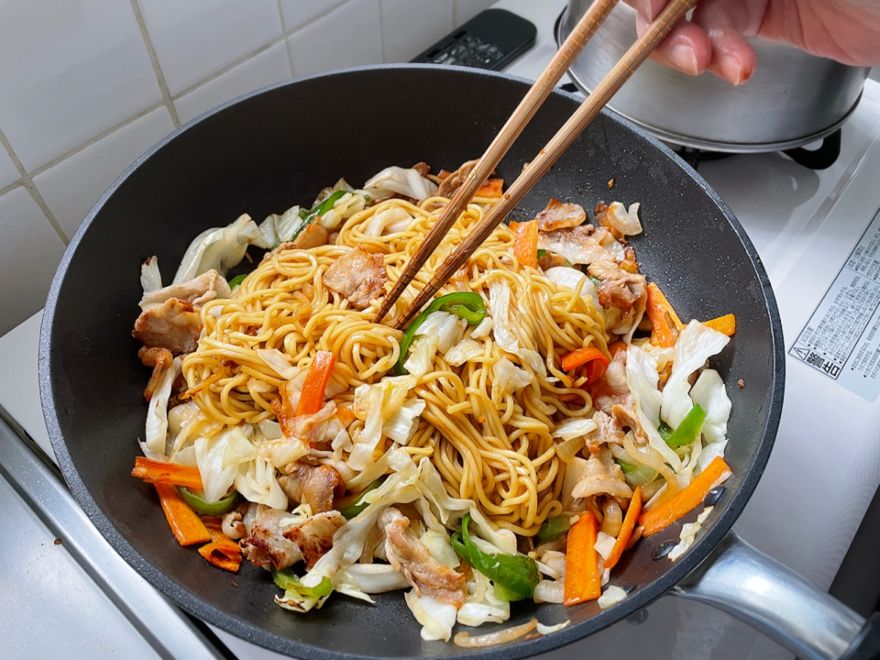
Yes, you can make yakisoba with ramen noodles, and fresh ramen can give you a wonderfully chewy stir-fry with lightly crispy edges. The trick is to cook the noodles until just firm, rinse away excess surface starch, drain them thoroughly, and let them brown before adding the sauce.
Yakisoba is a Japanese stir-fried noodle dish usually made with pre-steamed wheat noodles, vegetables, and a sweet-savory sauce. Fresh ramen noodles are a useful substitute, especially when you have an extra package in the refrigerator.
I’ve made the mistake of treating ramen noodles exactly like ready-to-use yakisoba noodles. Instead of separating nicely in the pan, they stuck together in a frustrating clump. A few changes to the preparation make a big difference.
This recipe uses fresh ramen noodles, but you’ll also find instructions for making yakisoba with instant ramen.
Can You Make Yakisoba With Ramen Noodles?
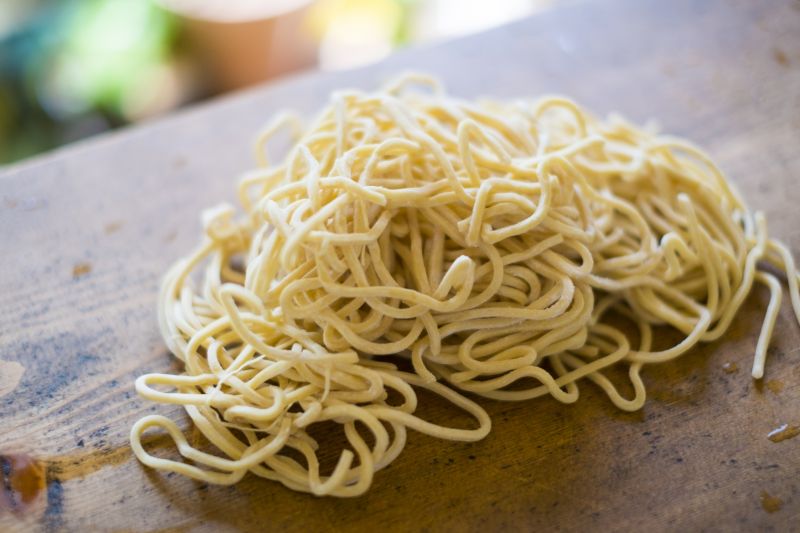
Absolutely. Ramen noodles and traditional yakisoba noodles are both generally made from wheat flour and often contain kansui, an alkaline ingredient that contributes to their characteristic springy texture.
The main difference is how the noodles are prepared before cooking.
Most packaged yakisoba noodles have already been steamed or otherwise cooked, so they can go directly into a skillet after loosening them according to the package directions. Fresh, uncooked ramen noodles usually need to be boiled first.
That extra boiling step matters. Ramen noodles can carry more surface starch and water into the skillet, making them more likely to stick together or become soggy.
Fortunately, you can prevent most of these problems with proper draining, a little oil, and a hot pan.
Which Ramen Noodles Work Best for Yakisoba?
Fresh ramen noodles are my preferred substitute when the goal is a chewy center with some crispy, browned edges. However, instant ramen and other Chinese-style wheat noodles can also work.
| Noodle Type | Preparation | Best Use |
|---|---|---|
| Fresh, uncooked ramen noodles | Boil until just firm, rinse, drain, and lightly oil | Chewy yakisoba with crispy edges |
| Pre-steamed yakisoba noodles | Loosen and heat according to package directions | Traditional, convenient yakisoba |
| Instant ramen noodles | Hydrate briefly, remove excess water, and stir-fry | Quick, budget-friendly yakisoba-style noodles |
| Previously cooked ramen noodles | Gently loosen and warm before stir-frying | Using properly refrigerated leftovers |
Look for fresh ramen noodles in the refrigerated or frozen section of an Asian grocery store. They may be labeled “fresh ramen,” “Chinese-style wheat noodles,” or “alkaline noodles.”
Check the package carefully. Some products are raw, while others are already cooked and only need reheating. The preparation method should match the type of noodles you buy.
Ingredients for Ramen Noodle Yakisoba
Servings: 2
Approximate time: 20–25 minutes
You’ll need:
- 2 portions fresh, uncooked ramen noodles (about 9–11 oz or 250–300 g total)
- 2 cups roughly chopped cabbage
- 1 small carrot, thinly sliced
- 1/2 onion, thinly sliced
- 1/2 cup bean sprouts, drained (optional)
- 4 oz (115 g) thinly sliced pork or firm tofu (optional)
- 1 tablespoon neutral cooking oil, divided
- 1 teaspoon neutral oil for coating the noodles
- Sliced green onions, for serving (optional)
Cabbage, carrots, onions, and pork are familiar ingredients in Japanese yakisoba. You can also use mushrooms, bell peppers, or whatever suitable stir-fry vegetables you have available.
For the best texture, avoid adding too many vegetables at once. A crowded skillet traps moisture and makes browning more difficult.
Homemade Yakisoba Sauce
A homemade yakisoba-style sauce should balance savory, tangy, and slightly sweet flavors without making the noodles watery.
For two servings, combine:
- 1 tablespoon (15 ml) Worcestershire sauce
- 1 tablespoon (15 ml) oyster sauce
- 2 teaspoons (10 ml) soy sauce
- 1 teaspoon (5 ml) ketchup
- 1/2 teaspoon sugar, optional
- 1 teaspoon (5 ml) sake or mirin, optional
Mix the ingredients in a small bowl before you start cooking.
A note about Worcestershire sauce: Japanese Worcestershire-style sauce is generally fruitier and sweeter than many British or American versions. If you’re using standard Western Worcestershire sauce, the ketchup and optional sugar help round out its sharper flavor.
Because brands vary in sweetness and saltiness, add about two-thirds of the sauce first, taste, and add more if needed.
If you have bottled Japanese yakisoba sauce, you can use approximately 2–3 tablespoons (30–45 ml) instead. Start with less and adjust to taste.
How to Make Yakisoba With Fresh Ramen Noodles
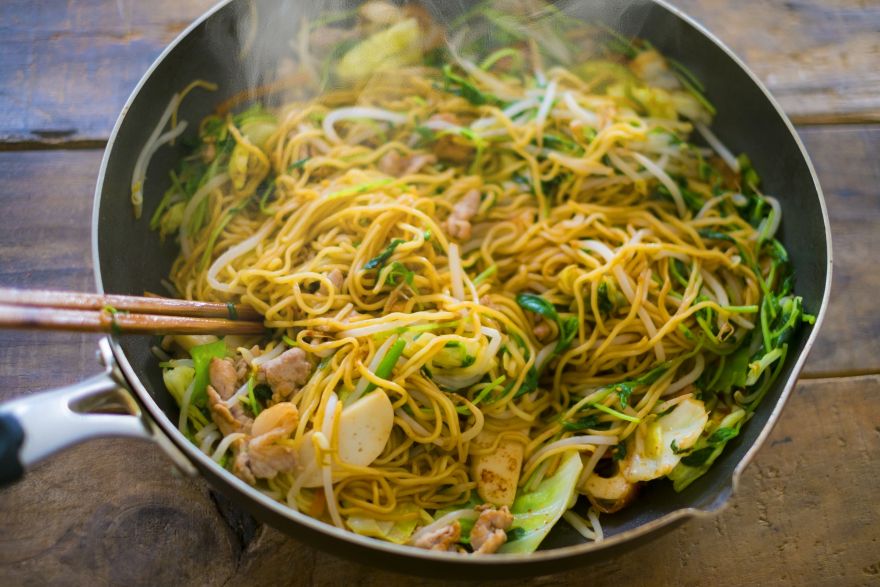
The most reliable approach is to prepare the noodles and vegetables separately, brown the noodles, and combine everything at the end.
Step 1: Cook the Noodles Until Just Firm
Bring a large pot of water to a boil and add the fresh ramen noodles.
Begin checking them about 30 seconds before the package’s recommended cooking time. Depending on the thickness and type, you may be able to drain them 30–60 seconds early.
The noodles should be flexible and nearly cooked, but still slightly firm when you bite into them. They shouldn’t have a hard, raw center.
They’ll continue cooking when you stir-fry them, so avoid boiling them until they’re overly soft.
Tip: Follow the manufacturer’s cooking instructions when they differ significantly from this method. Very thin fresh ramen noodles can cook quickly.
Step 2: Rinse, Drain, and Lightly Oil the Noodles
Transfer the cooked noodles to a colander and rinse them briefly under cool running water.
Gently separate the strands with your fingers or tongs. Rinsing removes excess starch from the surface and stops the noodles from continuing to cook in their own heat.
Don’t scrub or squeeze the noodles aggressively. That can break delicate strands.
Next, drain them thoroughly. Shake the colander, allow excess water to drip away, and spread the noodles briefly if necessary.
Toss the drained noodles with about 1 teaspoon of neutral oil to help keep the strands separated.
If the noodles still seem unusually wet, you can spread them on a microwave-safe plate and warm them uncovered at approximately 600 watts for 30–45 seconds. This optional step may help warm the noodles and remove a little surface moisture, but it doesn’t replace proper draining.
The goal is simple: noodles that are cooked, separated, and no longer dripping wet.
Step 3: Cook the Vegetables and Protein Separately
Heat about 2 teaspoons of the cooking oil in a large skillet or wok over medium-high heat.
If using pork, add it first and cook until safely cooked through. If using tofu, cook until lightly browned.
Add the onions and carrots and stir-fry for about 2 minutes. Then add the cabbage and bean sprouts.
Continue cooking for another 1–2 minutes, or until the vegetables are tender-crisp and excess moisture has mostly evaporated.
Transfer the cooked ingredients to a plate.
Cooking them separately prevents the noodles from sitting in the liquid released by the vegetables. This is particularly useful on a regular home stove.
Step 4: Sear the Noodles and Add the Sauce
Add the remaining teaspoon of cooking oil to the skillet if needed. Let the pan heat over medium-high heat.
Add the prepared noodles and spread them into a fairly even layer.
Now resist the urge to stir immediately.
Leave the noodles undisturbed for approximately 1–2 minutes, checking occasionally to prevent burning. When the underside develops some golden-brown spots, gently turn sections of noodles over.
Allow the other side to brown briefly as well.
This contact with the hot skillet creates the lightly crisp texture that makes this version of yakisoba especially satisfying.
Return the cooked vegetables and protein to the pan.
Pour about two-thirds of the prepared sauce around the hot inner edge of the skillet, then gently toss everything together for another 30–60 seconds.
Use the remaining sauce only if needed. You want the noodles lightly coated, not swimming in liquid.
Serve immediately, with sliced green onions or your favorite Japanese-style toppings.
For a smaller skillet: Cook the noodles in two batches rather than overcrowding the pan. Giving the noodles enough contact with the hot surface is more important than using the highest possible heat.
How to Make Yakisoba With Instant Ramen
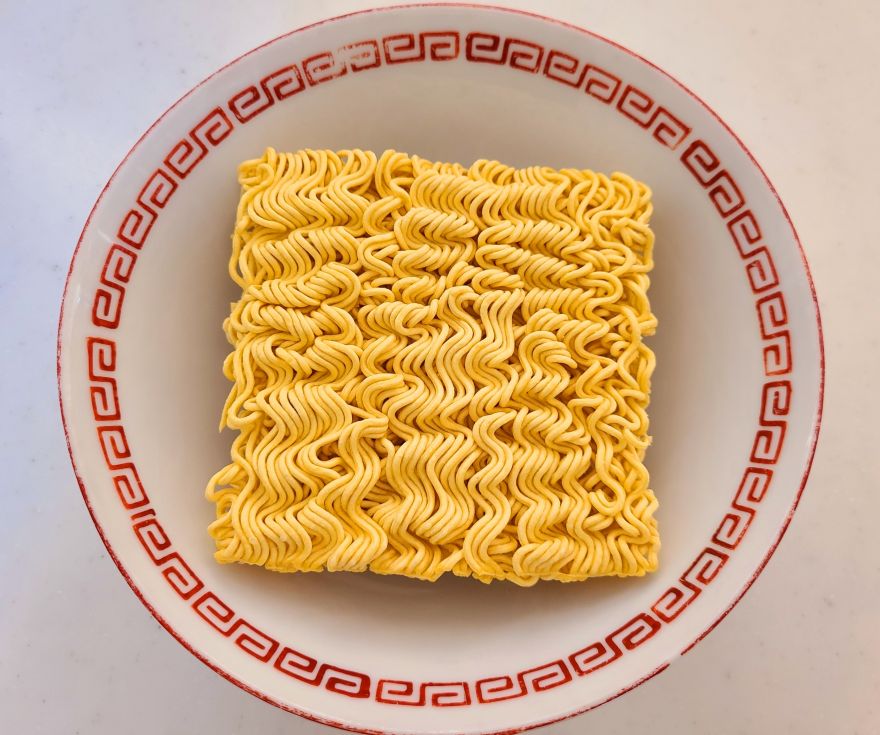
You can also make yakisoba-style stir-fried noodles using the inexpensive instant ramen packets sold in most American supermarkets.
Instant ramen has a different texture from fresh ramen, but it works well for a fast meal.
One convenient method is to hydrate the noodles in a small amount of water directly in the skillet, then let the remaining moisture evaporate before browning them.
- Start with one standard 3 oz (85 g) instant ramen block per serving.
- Add approximately 3/4–1 cup (180–240 ml) water per block to a skillet and bring it to a simmer. Adjust the amount to suit the noodles and your pan.
- Add the noodles and gently separate them as they soften.
- Cook until the noodles are almost tender. Let most of the water evaporate, or drain any excess before frying.
- Add a little oil and allow the noodles to develop lightly browned edges.
- Combine with separately cooked vegetables and add the homemade sauce at the end.
For two standard instant ramen blocks, you can begin with the two-serving sauce recipe above, adding it gradually.
Some instant noodles soften much faster than others, so adjust the water and cooking time based on the package and the noodles’ texture.
What about the ramen seasoning packet? If you’re using homemade yakisoba sauce, leave the seasoning packet out. Adding the entire packet along with the sauce will usually make the dish much too salty.
If you prefer to use the packet instead of homemade sauce, start with only about one-third of it, taste, and adjust carefully.
Both fried and non-fried instant noodles can work, although their textures may differ. Expect a softer result than with fresh ramen noodles.
Why Ramen Noodles Turn Soggy or Sticky
Most disappointing ramen noodle stir-fries come down to three problems: surface starch, too much moisture, and insufficient browning.
Too Much Surface Starch
Fresh ramen noodles may have flour or starch dusted onto them to keep the raw strands separated.
During boiling, some of this starch enters the cooking water. Other starch remains on the surface of the cooked noodles.
If the noodles go directly into a skillet with lots of moisture, the starch can contribute to a sticky coating that makes the strands clump together.
What helps: Rinse cooked fresh ramen noodles briefly, drain thoroughly, and add a small amount of oil before stir-frying.
Excess Water From the Noodles and Vegetables
Cabbage, onions, and bean sprouts release moisture as they cook. Boiled noodles also carry water into the pan.
When too much liquid accumulates, the noodles steam instead of browning. They may continue absorbing moisture until they lose their springy texture.
Adding sauce early makes the problem worse because it introduces even more liquid.
What helps: Drain the noodles well, cook wet vegetables separately, and add the sauce only near the end.
Overcrowding the Pan
A large pile of noodles and vegetables cools the cooking surface and traps steam.
Even if your burner is set to high heat, an overcrowded pan may not brown the noodles effectively.
What helps: Use a wide skillet, cook smaller portions, and give the noodles time to sit against the hot pan without constantly stirring them.
You don’t need restaurant-style equipment to make good yakisoba. Managing moisture and pan space usually makes a bigger difference.
How to Fix Clumped or Sticky Ramen Noodles
If your noodles have formed a firm clump in the refrigerator, don’t try to pull them apart while they’re cold.
Cooked starches can become firmer as they cool, and refrigerated noodles may stick together or become less flexible.
For previously cooked noodles that have been stored safely, try this:
- Place the clumped noodles on a microwave-safe plate.
- Cover loosely with a microwave-safe lid or a damp paper towel if they seem dry.
- Microwave in short 20–30 second intervals until warm enough to loosen.
- Gently separate the strands with tongs or chopsticks.
- Transfer to a lightly oiled skillet and stir-fry without adding unnecessary water.
The exact reheating time depends on the amount of noodles and the microwave.
For noodles that are already overly soft and mushy, reheating won’t restore their original firmness. You may still improve the texture by draining any excess liquid and allowing part of the noodle mixture to brown into a thin, crispy layer.
Next time, try shortening the initial boiling time and reducing the amount of sauce.
Japanese-Style Toppings and Ingredient Substitutions
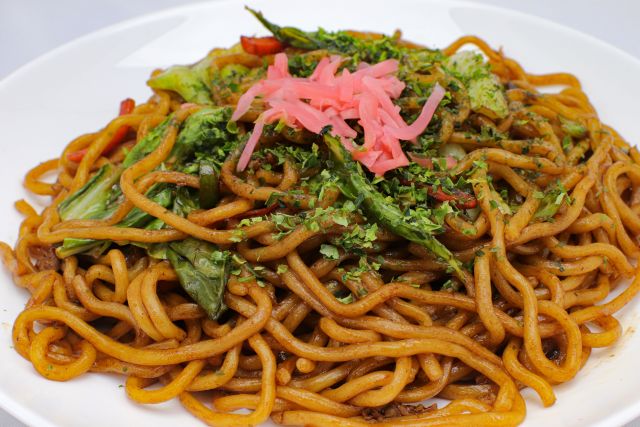
In Japan, yakisoba is commonly associated with casual home cooking, festivals, and food stalls. Its familiar sweet-savory sauce works particularly well with cabbage, pork, and springy wheat noodles.
If you’d like to give your ramen noodle version a more recognizable Japanese yakisoba flavor, try these toppings:
- Beni shoga: Thin strips of tangy, pickled red ginger that cut through the richness of the sauce.
- Aonori: Dried green seaweed flakes that add a distinctive aroma.
- Katsuobushi: Thin bonito flakes that provide extra savory flavor.
- Japanese mayonnaise: An optional creamy topping for a richer variation.
- Green onions: A readily available garnish that adds freshness.
You can often find beni shoga, aonori, and katsuobushi at Japanese or other Asian grocery stores. They’re optional rather than essential.
For a vegetarian version, use tofu or mushrooms instead of pork, replace oyster sauce with a mushroom-based stir-fry sauce, and choose a vegetarian Worcestershire sauce. Regular Worcestershire sauce may contain anchovies, and conventional oyster sauce contains shellfish, so check the labels.
If you can’t find fresh ramen noodles, Chinese-style lo mein noodles are another reasonable substitute. Cook them until just firm and drain them thoroughly before stir-frying.
How to Store and Reheat Leftover Yakisoba
Freshly cooked yakisoba has the best texture, but leftovers can still make a convenient meal.
Transfer leftovers to shallow containers and refrigerate promptly. Don’t leave perishable cooked noodles at room temperature for more than 2 hours, or more than 1 hour when the temperature is above 90°F (32°C).
According to the USDA’s food safety guidance, most cooked leftovers should be used within 3–4 days when properly refrigerated.
To reheat, place the yakisoba in a lightly oiled skillet over medium heat, gently separating the noodles as they warm. Reheat leftovers thoroughly to 165°F (74°C).
Avoid adding large amounts of water. A small amount may help loosen particularly dry noodles, but too much will make them soggy again.
For unopened or uncooked fresh ramen noodles, follow the storage instructions and use-by date on the package rather than applying the cooked-leftover storage period.
Frequently Asked Questions
Can I use frozen ramen noodles for yakisoba?
Yes. Frozen fresh ramen noodles can work well. Follow the package instructions for cooking or thawing them, then drain thoroughly before stir-frying. Check whether the noodles are raw or precooked.
Do I need a wok to make ramen noodle yakisoba?
No. A large frying pan or skillet works well. A wide cooking surface helps moisture evaporate and allows the noodles to brown. If your pan is small, cook in batches.
Can I substitute lo mein noodles for ramen noodles?
Yes. Lo mein noodles are another wheat-based option. Their thickness and texture vary, so cook them according to the package instructions until just firm, then drain and stir-fry.
Are yakisoba noodles made from buckwheat?
Usually not. Despite the word “soba” in its name, Japanese yakisoba is generally made with wheat-based Chinese-style noodles. Traditional buckwheat soba is a different type of noodle.
Can I make yakisoba with ramen noodles gluten-free?
Traditional ramen noodles contain wheat, so they aren’t gluten-free. You can make a yakisoba-inspired stir-fry with suitable gluten-free noodles, but the texture will differ. Use certified gluten-free sauces and check every ingredient label.