
Wondering how to thaw frozen onigiri without ending up with dry, crumbly rice? The best method is to reheat the rice balls directly from frozen, rather than leaving them on the kitchen counter to thaw.
Onigiri, also called Japanese rice balls, are a convenient make-ahead meal. You can prepare several at once, freeze them individually, and enjoy them later. But how you thaw and store them matters for both flavor and food safety.
Leaving frozen onigiri at room temperature for several hours is not recommended. The rice can lose its soft, slightly sticky texture, and improper temperature control can allow harmful bacteria to multiply.
This guide explains how to reheat frozen onigiri, why refrigerated rice becomes hard, which fillings freeze well, and how to pack Japanese rice balls safely for lunch.
Can You Thaw Frozen Onigiri at Room Temperature?
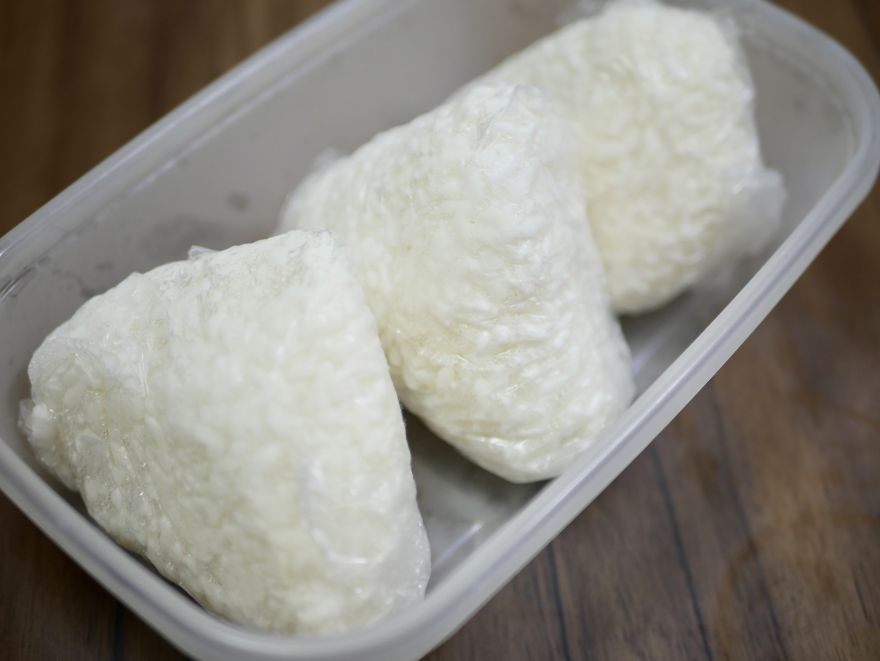
It’s best not to thaw homemade frozen onigiri at room temperature, especially if you plan to leave them in a lunch bag until midday.
There are two main reasons: food safety and rice texture.
First, cooked rice requires proper temperature control. One concern is Bacillus cereus, a bacterium that can be present in rice and other starchy foods. Its spores can survive normal cooking, and improper storage may allow the bacteria to grow and produce toxins.
Some toxins associated with Bacillus cereus are heat-resistant. This means reheating rice that has already been stored unsafely does not necessarily make it safe to eat.
According to FoodSafety.gov, the temperature danger zone for perishable food is 40°F to 140°F (4°C to 60°C).
As a general U.S. food safety rule, perishable food should not remain without proper temperature control for more than two hours. When the surrounding temperature exceeds 90°F (32°C), that limit drops to one hour.
A frozen rice ball may stay cold initially, but its surface warms as it thaws. Simply placing it in a backpack in the morning does not guarantee that it will remain at a safe temperature until lunch.
The second problem is texture. Rice that thaws slowly often becomes firm, dry, or crumbly. Reheating it with moisture usually produces a much more enjoyable result.
For the best combination of safety and texture, keep frozen onigiri properly frozen or refrigerated until you are ready to reheat them.
How to Reheat Frozen Onigiri
Microwaving is one of the easiest ways to bring frozen onigiri back to a soft, pleasant texture. A covered microwave-safe dish helps prevent the rice from drying out while it heats.
Microwave Method: Step by Step
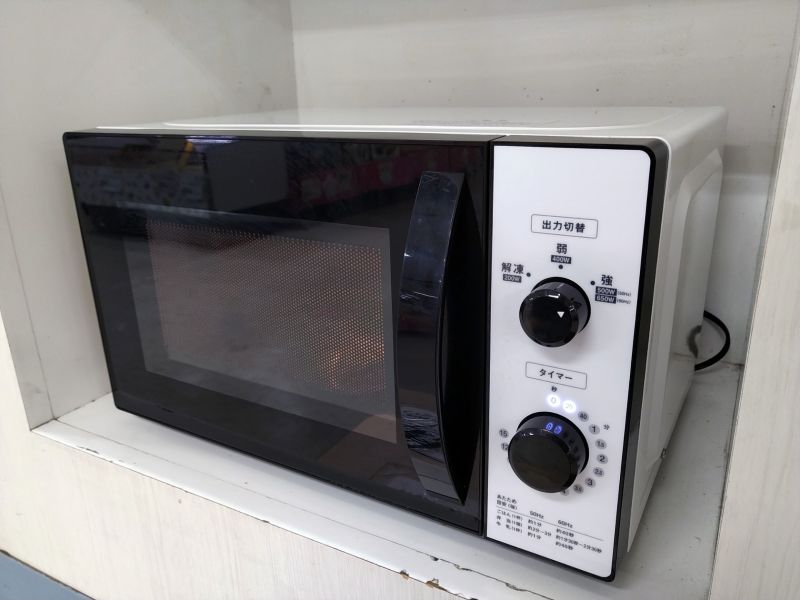
For a small frozen onigiri weighing approximately 100 g (3.5 oz), the following method is a useful starting point.
- Remove unsuitable packaging. Take off any nori seaweed, foil, or packaging that is not labeled microwave-safe. Remove plastic wrap unless the manufacturer specifically allows microwave use.
- Place the onigiri on a microwave-safe plate. Cover it with a slightly damp paper towel or a vented microwave-safe cover to retain moisture.
- Heat from frozen. At 600 watts, start with approximately 1 minute 30 seconds to 2 minutes for a small rice ball. Actual cooking time depends on the microwave, size, shape, and filling.
- Turn the onigiri if necessary. If your microwave heats unevenly, carefully rotate or turn the rice ball during heating.
- Allow a short standing time. Let the onigiri rest for about 30 seconds so heat can distribute more evenly.
- Check the center. If any part is still cold or frozen, continue heating in short 10- to 20-second intervals until the rice and filling are thoroughly heated.
For reheated leftovers, U.S. food safety guidance recommends an internal temperature of 165°F (74°C). Use a food thermometer to check the center when possible, especially with meat or seafood fillings.
The suggested microwave time is only an initial estimate. A large, densely packed rice ball or a frozen filling may take considerably longer.
Avoid overheating the rice, which can make the outer grains tough and dry. Use short additional heating intervals rather than adding several minutes at once.
After reheating, add a fresh strip of nori if you enjoy crispy seaweed.
How to Reheat Onigiri Without a Microwave
You can also reheat frozen onigiri using a steamer.
- Place the frozen rice ball in a heat-safe dish or on a suitable steamer liner.
- Bring water to a simmer in a covered steamer.
- Steam until the rice and filling are thoroughly hot, checking the center rather than relying on a fixed cooking time.
- Allow the rice ball to cool slightly before handling or eating.
Steaming helps retain moisture and can be especially useful for plain rice balls or those containing fully cooked fillings.
Another option is yaki onigiri, or grilled Japanese rice balls. After heating the onigiri thoroughly, lightly brush the outside with soy sauce and grill it in a skillet until the surface becomes golden and slightly crisp.
Do not rely on browning the outside of a frozen rice ball to heat its center. The inside may still be cold even when the surface looks fully cooked.
Can You Thaw Frozen Onigiri in the Refrigerator?
Yes. Refrigerator thawing is a food-safe option when the onigiri was prepared and frozen properly and is kept at 40°F (4°C) or below.
However, refrigerator thawing is not ideal for rice texture.
Cooked rice tends to become firmer during cold storage because of a process called starch retrogradation. Even when a rice ball is completely thawed in the refrigerator, its grains may feel dry or less sticky than when freshly cooked.
If you thaw an onigiri overnight in the refrigerator, reheat it thoroughly before eating if you want a softer texture.
For the best results, reheating directly from frozen is usually more convenient and avoids an additional overnight storage step.
Remember: Refrigerator thawing is different from leaving food on the counter. The refrigerator controls bacterial growth, even though it may make the rice less enjoyable to eat cold.
Why Does Frozen Onigiri Become Hard or Dry?
The main reason cooked rice becomes firm during storage is starch retrogradation.
When rice is cooked, its starch absorbs water and undergoes a process called gelatinization. This gives freshly cooked Japanese short-grain rice its familiar soft and slightly sticky texture.
As rice cools, some of the starch molecules gradually reorganize into more ordered structures. This process makes the grains firmer and changes how moisture is distributed throughout the rice.
Refrigeration around 32°F to 41°F (0°C to 5°C) can encourage these texture changes. Freezing rice promptly and storing it at 0°F (-18°C) or below slows many of the changes associated with staling.
Reheating helps soften the rice again, although it may not restore every characteristic of freshly cooked rice.
This explains why frozen onigiri often tastes better after microwave reheating than after slow thawing.
The type of rice also matters. Japanese short-grain rice naturally holds together well, making it suitable for onigiri. Long-grain rice varieties, such as jasmine or basmati, are generally less sticky and may fall apart more easily after freezing.
If your rice balls regularly crumble after reheating, try using Japanese short-grain rice, shaping the rice while it is still warm enough to handle comfortably, and avoiding excessive compression.
How to Freeze Onigiri Without Ruining the Texture
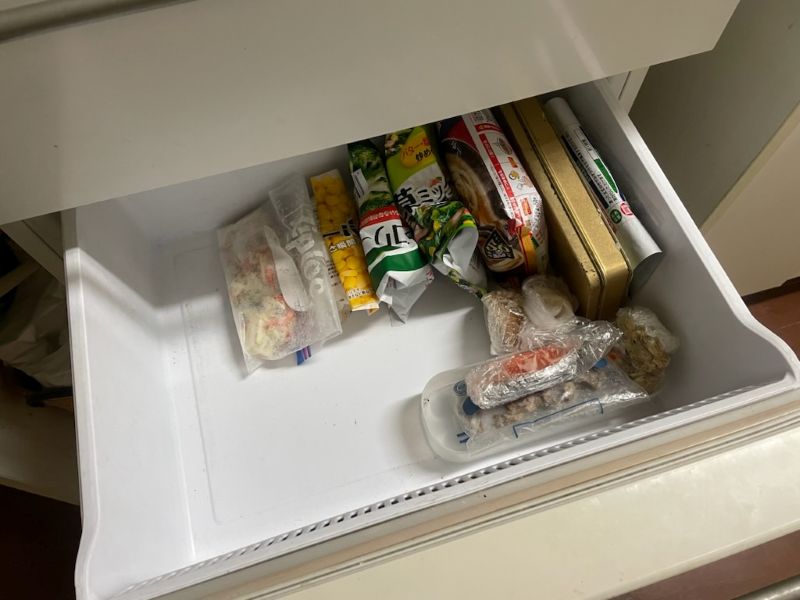
Good results begin before the rice balls enter the freezer.
Freezing protects quality best when the rice is fresh, the fillings are suitable, and the onigiri are wrapped to prevent moisture loss.
Preparing Onigiri for the Freezer
- Start with freshly cooked Japanese short-grain rice. Rice sold as sushi rice in U.S. grocery stores is often suitable, but you do not need to season it with sushi vinegar.
- Use clean hands, utensils, or an onigiri mold. Avoid unnecessary direct contact with cooked rice, especially when preparing food for later storage.
- Shape the rice gently. Work while the rice is warm enough to hold together but comfortable to handle. Do not press so tightly that the rice becomes dense.
- Add an appropriate filling. Fully cooked salmon, seasoned kombu, and other relatively low-moisture fillings are convenient options.
- Wrap each rice ball individually. Use food-safe freezer wrap or suitable freezer containers to limit exposure to air.
- Freeze promptly. Avoid leaving cooked rice at room temperature for an extended period. Cool it rapidly and refrigerate or freeze it promptly, using small portions to speed cooling.
- Place the wrapped onigiri in a freezer bag. Remove excess air, label the bag with the date and filling, and store it at 0°F (-18°C) or below.
For a fresher texture, keep nori separate until serving. Freezing seaweed directly against moist rice often makes it soft and chewy rather than crisp.
Do not leave a large batch of warm rice on the counter for hours before freezing. Cooling rice quickly is an important part of preventing foodborne illness.
Best and Worst Fillings for Freezing
Some traditional Japanese onigiri fillings tolerate freezing better than others.
| Filling | Freezing Suitability | What to Expect |
|---|---|---|
| Cooked salmon (sake) | Generally good | Fully cooked, flaked salmon freezes relatively well when properly handled. |
| Seasoned kombu | Generally good | Seasoned kelp often maintains a pleasant flavor after reheating. |
| Umeboshi | Generally good | Japanese pickled plum is a traditional filling that can work well in frozen onigiri. |
| Okaka | Generally good | Seasoned bonito flakes are a relatively dry filling and are convenient for freezing. |
| Tuna mayonnaise | Variable | Can be frozen if prepared and stored safely, but mayonnaise may separate or change texture. |
| Fresh cucumber or lettuce | Not ideal | High water content can cause soft, watery textures after thawing. |
| Soft-boiled egg | Not ideal | The egg may become rubbery or watery, and careful handling is essential. |
| Raw seafood or fresh fish roe | Requires special care | Texture and food safety depend on the ingredient. Do not assume a raw seafood filling is suitable for ordinary reheating. |
In Japan, salmon, kombu, umeboshi, and okaka are familiar onigiri fillings. They are particularly useful choices for readers exploring traditional Japanese rice balls for the first time.
If you cannot find umeboshi or seasoned kombu locally, consider fully cooked salmon, thoroughly cooked chicken, or an appropriate dry rice seasoning such as furikake.
Whatever filling you choose, freezing does not make an unsafe ingredient safe. Meat, seafood, eggs, and other perishable ingredients must be cooked and stored appropriately.
How to Pack Frozen Onigiri for Lunch Safely
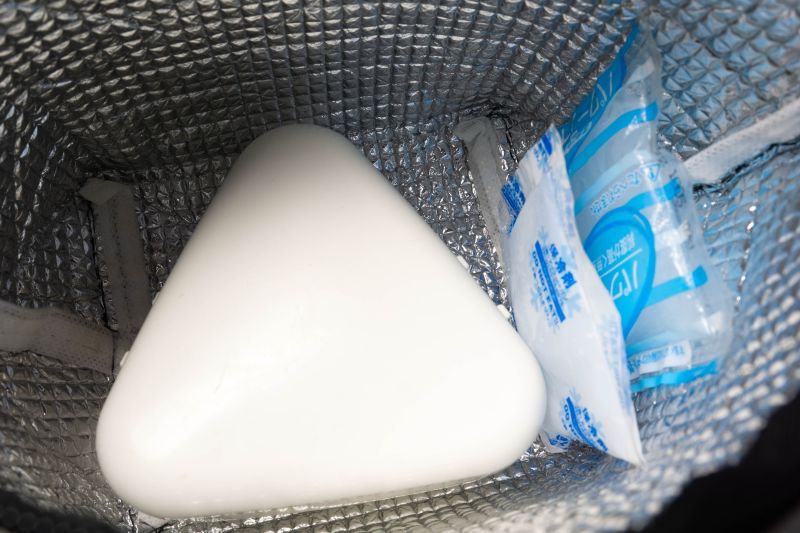
Onigiri are a familiar part of Japanese bento culture. They’re easy to hold, convenient to transport, and can be prepared with many different fillings.
However, a rice ball is still a perishable food. Packing it for lunch requires more than simply wrapping it in plastic and putting it in a bag.
For cold transportation, use an insulated lunch bag and enough frozen cold packs to maintain a safe temperature.
The USDA recommends using at least two cold sources for perishable lunches, with cold packs placed above and below the food when possible.
If You Have a Microwave at Work or School
This is one of the easiest ways to enjoy frozen onigiri without sacrificing texture.
- Take an individually wrapped frozen onigiri from the freezer shortly before leaving home.
- Place it in an insulated lunch bag with separate frozen cold packs.
- Transfer it to a refrigerator at work or school if one is available.
- Keep it at 40°F (4°C) or below until you are ready to prepare lunch.
- At lunchtime, remove unsuitable packaging and reheat the rice ball thoroughly, following package instructions when applicable.
- Make sure the center reaches 165°F (74°C) when reheating leftovers.
- Add nori just before eating if you prefer a crisp texture.
Depending on your storage conditions, the rice ball may be partially or completely thawed by lunchtime. Adjust the heating time accordingly.
Do not assume that a frozen rice ball alone will keep everything else in your lunch bag cold enough. Use separate cold packs and proper insulation.
If You Don’t Have Access to a Microwave
You can still bring onigiri for lunch, but it is important to plan for safe cooling and cold storage.
One option is to reheat a frozen rice ball thoroughly at home in the morning, cool it rapidly under sanitary conditions, and pack it cold.
- Reheat the frozen onigiri thoroughly.
- Transfer it to a clean, shallow container or another arrangement that allows rapid cooling.
- Refrigerate promptly to bring the food down to a safe cold-storage temperature. Do not leave it sitting on the counter until it cools completely.
- Once chilled, wrap or pack it in a clean food-safe container.
- Carry it in an insulated lunch bag with at least two cold sources.
- Keep it refrigerated until lunch whenever possible.
You can also prepare fresh onigiri in advance, chill them promptly, and transport them cold without reheating them in the morning.
Cold onigiri may have a firmer texture than freshly prepared rice balls, but that is a quality issue rather than proof that the food is unsafe.
If you cannot keep the onigiri properly chilled throughout the morning, choose a different lunch that does not require refrigeration.
Important: Avoid sealing steaming-hot rice in a lunch box and leaving it unrefrigerated for several hours. Condensation can affect texture, and warm food held without proper temperature control can support bacterial growth.
The goal is rapid cooling followed by continuous cold storage, not prolonged cooling on the kitchen counter.
What About Brown Rice, Oat-Based, and Store-Bought Onigiri?
Not all rice balls have the same texture or ingredients. Brown rice, oat-based alternatives, and packaged convenience store onigiri may require slightly different handling.
Brown Rice Onigiri
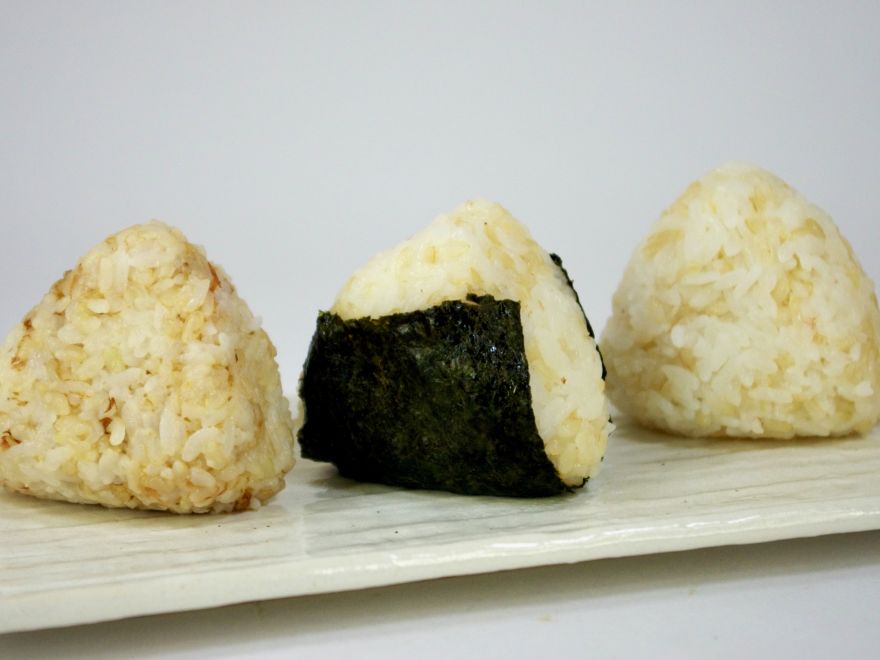
Brown rice onigiri can be frozen and reheated much like white rice onigiri.
However, brown rice contains an outer bran layer that changes its texture. Depending on the rice variety and cooking method, brown rice balls may be less cohesive or feel firmer after storage.
To improve the result, use properly hydrated, fully cooked brown rice and shape it while warm.
If the rice falls apart easily, consider mixing brown rice with Japanese short-grain white rice to help the grains hold together.
Reheat frozen brown rice onigiri thoroughly using a damp cover to reduce moisture loss.
For another way to enjoy them, try lightly grilling reheated brown rice balls with soy sauce and sesame oil, or serve them with hot dashi broth as a variation of ochazuke, a Japanese rice dish served with tea or broth.
Oat-Based Onigiri
Some home cooks make rice-ball-style snacks using cooked oats instead of rice.
Oats have a different starch composition and texture from Japanese short-grain rice, so their consistency after freezing and reheating can vary.
However, oats still contain starch, and cooked oat-based foods are not automatically safe to thaw at room temperature.
They should be cooled, frozen, transported, and reheated using appropriate food safety practices, just like other cooked starchy foods.
If you want to prepare oat-based onigiri in advance, freeze a small test batch first. The texture will depend on the oats, the amount of liquid used, and any added fillings.
Convenience Store and Packaged Onigiri
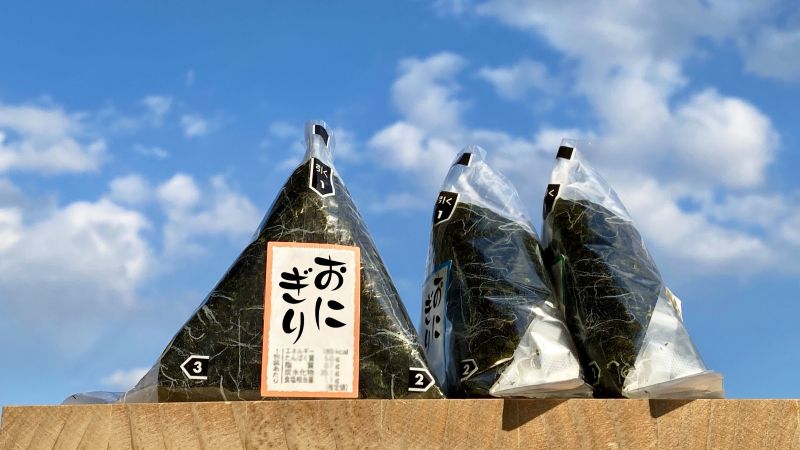
In Japan, onigiri are commonly sold at convenience stores such as 7-Eleven, FamilyMart, and Lawson. Similar products are also available at Japanese and Asian grocery stores in other countries.
If you buy packaged onigiri and want to freeze them, first check the product’s storage instructions and ingredients.
Not every ready-to-eat rice ball is designed to be frozen. Some products may contain ingredients that lose their texture, while others may have already been frozen or thawed during distribution.
Do not microwave a packaged onigiri in its original wrapper unless the manufacturer explicitly states that the packaging is microwave-safe.
Commercially frozen onigiri should be prepared according to the instructions printed on the package.
If a product has a use-by date or instructions requiring refrigeration, follow those directions. Freezing is not a reliable way to rescue food that has already been stored improperly or kept beyond its safe use period.
How Long Can You Keep Onigiri in the Freezer?
For the best eating quality, try to use homemade frozen onigiri within approximately two to four weeks.
Two weeks is a reasonable target if preserving a soft texture is your priority. Around one month is a practical quality guideline for homemade rice balls, especially when they contain fillings that may dry out or change texture.
These are recommendations for flavor and texture, not universal food safety expiration dates.
Food kept continuously frozen at 0°F (-18°C) or below can remain safe for longer, although quality gradually declines. The type of filling, initial handling, packaging, and freezer conditions all matter.
Common signs of declining frozen-food quality include dry surfaces, ice crystal buildup, and stale flavors.
Freezer burn can make rice less enjoyable, but freezer burn itself does not necessarily mean the food has become unsafe.
For easier freezer management:
- Label each onigiri with the date it was prepared.
- Include the type of filling on the label.
- Freeze individual portions so you only need to remove what you plan to eat.
- Keep packages tightly sealed to reduce freezer burn.
- Avoid repeated thawing and refreezing.
- Discard onigiri if you know they were left at unsafe temperatures, even if they smell normal.
Remember that freezing prevents most bacterial growth but does not reliably destroy bacteria or toxins that may already be present.
For further food safety information, see Food Standards Australia New Zealand’s guidance on Bacillus cereus and FoodSafety.gov’s food safety recommendations.
Frequently Asked Questions
How long does it take to thaw frozen onigiri at room temperature?
The time varies with the size, filling, and surrounding temperature. There is no single reliable or safe room-temperature thawing time. For homemade frozen onigiri, use refrigerator thawing or reheat directly from frozen instead.
Can you eat onigiri cold after refrigerating it?
Yes, properly prepared onigiri can be eaten cold if it has been cooled promptly, stored at a safe refrigerator temperature, and handled hygienically. However, chilled rice often tastes firmer and less sticky than freshly cooked rice.
Can you freeze tuna mayo onigiri?
Yes, tuna mayo onigiri can be frozen if the ingredients are handled and stored safely. However, mayonnaise may separate after thawing, affecting the texture. Keep the rice balls properly chilled and reheat thoroughly when appropriate.
Should you freeze onigiri with the nori already attached?
For crispy seaweed, freeze the rice balls without nori and add it just before eating. Nori absorbs moisture from the rice during freezing and thawing, which can make it soft or chewy.
Can reheating make improperly stored onigiri safe again?
No. Reheating is not a guaranteed fix for unsafe storage. Certain toxins associated with Bacillus cereus can withstand heat. If cooked rice has been left at unsafe temperatures for too long, discard it rather than attempting to make it safe by reheating.
Do frozen onigiri need to be reheated before eating?
Not necessarily if they were safely prepared, thawed in the refrigerator, and kept cold. However, reheating generally improves the texture of frozen rice. When reheating leftover onigiri, heat them thoroughly to 165°F (74°C) in accordance with U.S. food safety guidance.