Can you cook soba noodles in the microwave? Yes. With enough water, a microwave-safe container, and a little attention to cooking time, you can prepare dried Japanese soba noodles without using a pot.
The trick is to keep the noodles submerged, separate them during cooking, and rinse away the excess starch afterward. These steps help prevent the sticky, clumped noodles that can make microwave cooking frustrating.
I used to think soba always needed to be boiled in a pot, but microwave cooking can be surprisingly convenient when making a single serving, especially on a hot day. Here’s how to prepare dried soba, adjust cooking times, and handle fresh or frozen noodles.
Can You Cook Soba Noodles in the Microwave?
Yes, dried soba noodles can be cooked in a microwave, although results depend on the type of noodles, the amount of water, and your microwave’s power.
Soba are Japanese noodles made with buckwheat flour, often blended with wheat flour. They have a slightly nutty flavor and are traditionally served either chilled with dipping sauce or hot in a flavorful broth.
Unlike cooking in a pot, where boiling water moves around the noodles, microwave cooking can leave some strands relatively undisturbed. This makes the noodles more likely to stick together or cook unevenly.
For the best results:
- Use a large, deep microwave-safe container.
- Keep all the noodles fully covered with water.
- Gently separate the noodles halfway through cooking.
- Check their texture rather than relying on a fixed timer.
- Drain and rinse the cooked noodles under cold running water.
Microwaving is particularly practical for one serving of dried soba. However, very delicate noodles, especially some 100% buckwheat varieties, may turn out better using their recommended stovetop method.
How to Cook Dried Soba Noodles in the Microwave
This beginner-friendly method uses hot water and a 600-watt microwave setting. Starting with hot water makes cooking times easier to estimate because you don’t need to account for heating cold water from room temperature.
It is a starting method rather than a universal cooking instruction. If your soba package provides microwave directions, follow those first.
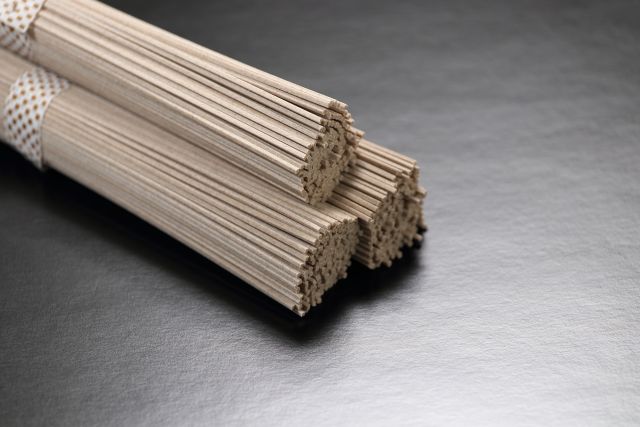
What You Need for One Serving
- 80–100 g (2.8–3.5 oz) dried soba noodles
- Approximately 350–500 mL (1.5–2.1 US cups) hot water, or enough to submerge the noodles
- One large, deep microwave-safe bowl or microwave pasta cooker
- Chopsticks or a heat-resistant utensil for separating the noodles
- A fine-mesh strainer or colander
- Cold running water for rinsing
You may need more water depending on the length of the noodles and the shape of your container. Never sacrifice space for bubbling simply to fit in more water.
Step-by-Step Microwave Instructions
- Choose your container. Place the dried soba in a large microwave-safe bowl or pasta cooker. If the noodles are too long for a round bowl, use a suitable rectangular container or break the noodles into shorter pieces.
- Add hot water. Carefully pour in enough hot water to cover the noodles completely. Use a container rated for hot liquids and leave generous space above the water level.
- Microwave at 600W. Leave the container uncovered unless its manufacturer specifies a microwave-safe, vented lid. Start with the package’s stovetop boiling time as a preliminary cooking-time reference, not a guarantee.
- Pause halfway through. Carefully remove or access the container using oven mitts. Gently separate the noodles with chopsticks to prevent clumping. Keep your face away from the rising steam.
- Continue heating. Resume cooking and check whether the noodles are tender throughout. If they remain firm, heat in additional 20–30-second intervals, checking between intervals.
- Drain immediately. Carefully transfer the cooked noodles to a fine-mesh strainer.
- Rinse under cold water. Gently loosen the noodles with your fingers under running water to remove excess surface starch. For cold soba, finish with chilled or ice water and drain thoroughly.
Example: If your dried soba normally takes four minutes in boiling water, approximately four minutes at 600W with hot water can be an initial checking point. The actual time may be longer or shorter depending on the starting water temperature, container, and noodle brand.
Never continue heating if the water has evaporated or the noodles are no longer submerged.
How Much Water and Cooking Time Do You Need?
Water quantity and cooking time are closely connected. Too little water can leave the noodles partially uncooked, while a container filled too high can overflow as starch-rich foam develops.
The Best Water Amount for Dried Soba
For a typical 100 g (3.5 oz) serving of dried soba, approximately 350–500 mL (1.5–2.1 US cups) of water is a useful starting range, provided the noodles are completely submerged.
| Dried Soba | Starting Water Amount | Container Considerations |
|---|---|---|
| 80 g (2.8 oz) | 300–400 mL (1.25–1.7 cups) | Single-serving microwave pasta cooker |
| 100 g (3.5 oz) | 350–500 mL (1.5–2.1 cups) | Large, deep bowl or rectangular cooker |
| 150 g (5.3 oz) | 600 mL (2.5 cups) or more | Large, deep container with ample headroom |
These are approximate starting amounts, not exact water-to-noodle ratios. Unlike rice, soba is cooked in water that is drained away afterward.
The most useful visual check is whether every strand is underwater. Ideally, the noodles should sit beneath the water surface with approximately 1–2 cm (0.4–0.8 inches) of water above them, while leaving plenty of empty space in the container.
If your container is too small to accommodate the noodles, sufficient water, and bubbling space, cook a smaller portion or use a pot instead.
Microwave Cooking Times at 600W and Higher
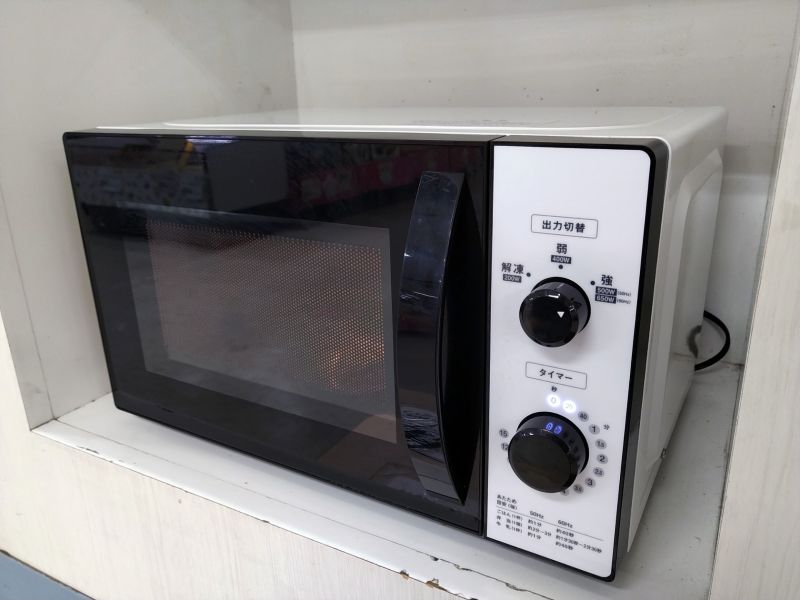
Microwave soba cooking times are not identical to package boiling times. The package normally assumes the noodles are added to already-boiling water, whereas a microwave may also need to heat the water.
| Microwave Setup | Starting Approach | What to Watch |
|---|---|---|
| 600W, hot-water start | Begin checking around the package’s boiling time | Tenderness and bubbling |
| 600W, cold-water start | Allow extra time to heat the water; begin checking around 2–3 minutes beyond the package time, then continue as needed | Whether the water has become hot enough to cook the noodles |
| 900–1200W microwave | Use a suitable lower power setting if available, or check more frequently | Rapid foaming, uneven heating, and overcooking |
The timing guidance above is intended for initial checking, not as a tested schedule for every noodle brand. A cold-water start can require substantially more time, especially when using a large volume of water.
For a powerful microwave, don’t simply shorten the time by a fixed percentage. Water quantity, container geometry, and the way the microwave controls power all affect the result.
When in doubt, stop and assess the noodles rather than continuing through a long, uninterrupted heating cycle.
Starting With Cold Water vs. Hot Water
Both methods can work, but each has advantages and disadvantages.
Starting with cold water: Place the dried noodles in room-temperature water and heat them together. The noodles absorb moisture as the water warms, which can make the process easier to manage in some cases. However, total cooking time is less predictable because the water must first become hot enough to cook the noodles.
Starting with hot water: Add hot water to the noodles in a heat-safe container and microwave. This generally reduces the microwave heating time and makes the package’s usual boiling time a more practical reference. Be careful when handling hot water and steam.
If you’re experimenting with a particular brand for the first time, note the noodle weight, water amount, microwave setting, and final cooking time. Once you’ve found a combination that works, repeating it becomes much easier.
How to Prevent Soba Noodles From Sticking or Boiling Over
Two of the most common microwave soba problems are noodles sticking together and starchy water overflowing. Both become easier to manage with the right container and a brief pause during cooking.
Choosing a Microwave-Safe Container
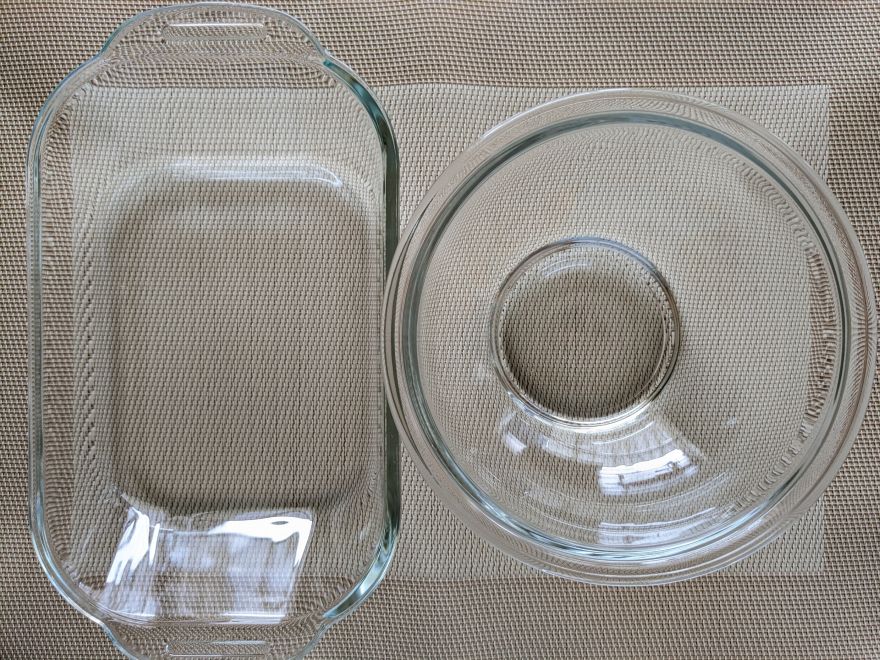
A rectangular microwave pasta cooker is particularly useful for dried soba because it can hold the noodles without breaking them.
These cookers are widely available outside Japan, including inexpensive models similar to the pasta containers sold in Japanese discount stores.
A large microwave-safe glass or ceramic bowl is another option, provided it has sufficient depth and is suitable for heating liquids.
Look for the following features:
- A clear microwave-safe designation
- Enough length or width to hold the noodles
- Deep sides to contain bubbling water
- Extra capacity above the water level
- A lid that can be removed or properly vented according to the manufacturer’s instructions
Never microwave food in an airtight, sealed container. Avoid damaged plastic containers or packaging not intended for microwave use.
Preventing Sticky Noodles and Overflow
Soba releases starch into the cooking water. As the water heats, the starch can encourage both foaming and sticking.
To reduce these problems:
- Leave headroom: Keep the water level well below the rim. As a practical precaution, aim for no more than approximately 70% of the container’s capacity, provided the noodles are fully submerged.
- Separate the noodles: Gently stir or spread them apart during cooking.
- Avoid sealing the lid: Follow the cooker’s instructions for leaving the lid off or allowing steam to escape.
- Watch the foam: Stop the microwave if foam approaches the top of the container.
- Rinse after cooking: Washing away surface starch helps the noodles separate more easily.
You generally don’t need to add oil to soba cooking water. For Japanese-style soba, controlling the water level and gently separating the noodles are better first steps.
Safety note: Hot cooking water and steam can cause serious burns. Use oven mitts and move the container slowly. The FDA’s microwave safety guidance also explains the dangers of overheating liquids, particularly plain water.
How to Serve Microwave Soba Hot or Cold
In Japanese cooking, the finishing process matters almost as much as cooking the noodles. Rinsing removes excess starch and helps improve the texture.
Even if you’re making a hot noodle soup, rinsing the noodles before adding them to a separate broth can produce a cleaner-tasting dish.
Cold Zaru Soba
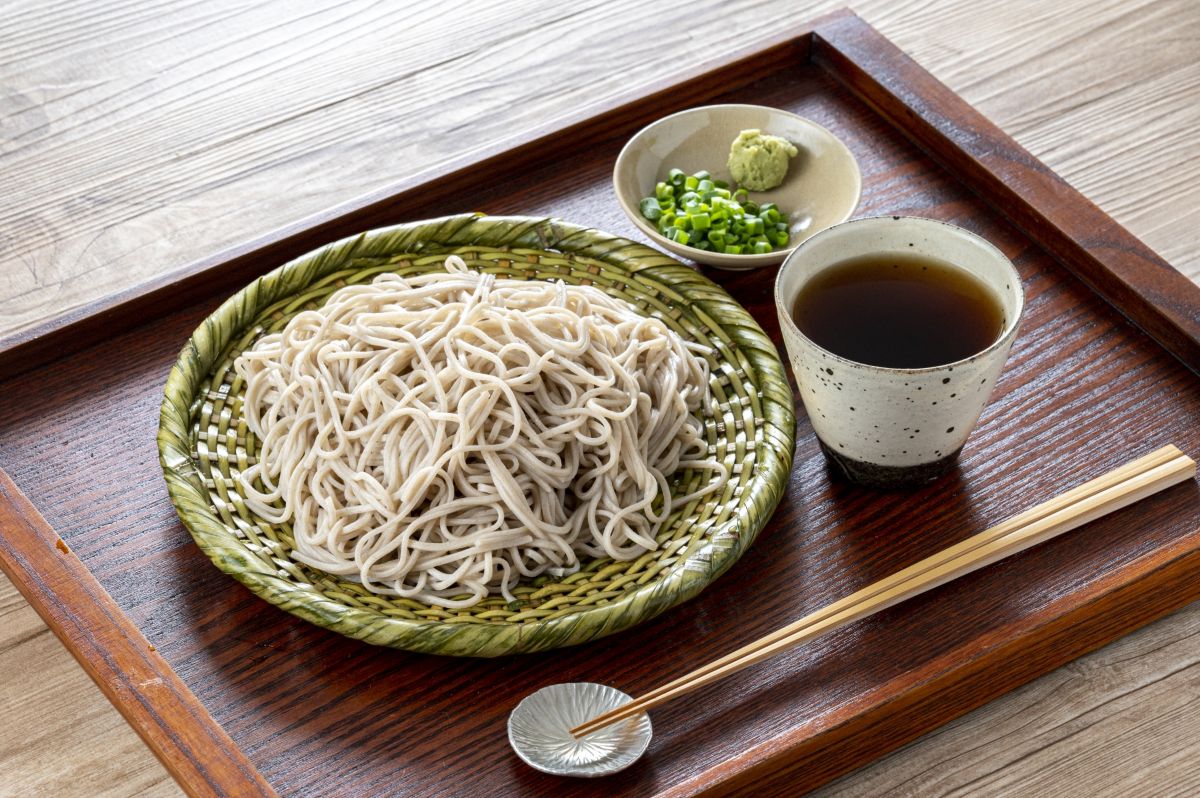
Zaru soba is a classic Japanese dish of chilled buckwheat noodles served with dipping sauce.
To prepare it:
- Cook the soba in the microwave until tender.
- Drain and rinse thoroughly under cold running water.
- Briefly chill the noodles in cold or ice water.
- Drain well and arrange them on a plate or serving tray.
- Serve with chilled soba dipping sauce, scallions, shredded nori, and optional wasabi.
The dipping sauce is commonly called mentsuyu. It typically combines a Japanese stock called dashi with soy sauce and other seasonings.
Bottled mentsuyu is a convenient option available at many Asian grocery stores and online Japanese food retailers. Some products are concentrated, so check the label for the correct dilution.
A bamboo draining tray isn’t essential. A regular plate or bowl works well as long as the noodles are thoroughly drained.
Hot Kake Soba
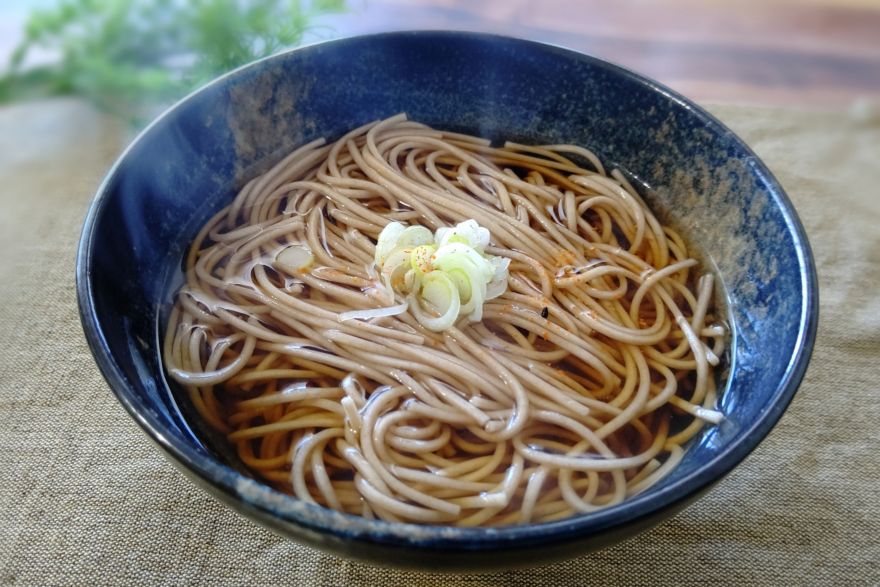
Kake soba is a traditional Japanese noodle soup made with soba and a light, savory broth.
One common mistake is adding soup seasoning directly to the water used to cook dried soba. The cooking water contains released starch, which can make the broth cloudy and heavier in texture.
For a clearer broth:
- Microwave the dried soba until fully cooked.
- Drain and rinse to remove surface starch.
- If necessary, briefly warm the rinsed noodles with hot water.
- Place the noodles in a bowl of separately prepared, hot dashi-based broth.
- Add toppings such as scallions, mushrooms, wakame seaweed, or tofu.
Preparing the broth separately takes an extra bowl, but it helps preserve the clean, delicate flavor associated with Japanese soba soup.
If the noodles are very cold after rinsing, warming them briefly before adding the hot broth can help prevent the soup from cooling too quickly.
Dried, Fresh, and Frozen Soba: What’s Different?
Not all soba noodles should be microwaved in the same way. Before cooking, check whether your noodles are dried, fresh and uncooked, or precooked and frozen.
| Type of Soba | Microwave Approach | Important Consideration |
|---|---|---|
| Dried soba | Cook submerged in water in a suitable container | Separate the noodles and check for a fully cooked center |
| Fresh uncooked soba | Use microwave instructions only if the manufacturer provides them | Delicate noodles can become soft or break easily; stovetop cooking is often preferable |
| Precooked frozen soba | Reheat according to the package instructions | Some products can be microwaved directly from frozen |
Dried soba: This is generally the most practical choice for experimenting with microwave cooking. It stores well and is easy to portion for a quick lunch.
Fresh soba: Fresh noodles already contain moisture and may require relatively short cooking times. Because their texture and composition vary, the package directions are especially important. If microwave cooking is not recommended, use the stovetop method.
Frozen soba: Some Japanese frozen soba products are precooked before freezing. These may only need reheating, and certain products are designed for microwave use. Others require boiling or a specific preparation method. Never assume that the original packaging is microwave-safe.
If you’re buying frozen soba from an Asian supermarket, look for cooking instructions that clearly distinguish microwave reheating from stovetop preparation.
Easy Microwave Soba Meal Ideas
Once you know how to prepare a serving of soba in the microwave, you can turn it into a simple lunch with a few ingredients.
Cold Soba With Simple Toppings
For an easy cold meal, cook and chill the noodles, then add a selection of toppings:
- Thinly sliced scallions or green onions
- Shredded nori seaweed
- Grated daikon radish
- Cooked edamame
- Shredded cucumber
- Flaked canned tuna
- Sesame seeds
- Soft-boiled egg
For a Japanese-style combination, serve the soba with mentsuyu, scallions, nori, and a small amount of wasabi.
Another option is to make a chilled noodle bowl with cucumber, edamame, sesame seeds, and a light soy-based dressing.
In Japan, toppings such as natto (fermented soybeans), grated daikon, and umeboshi (pickled Japanese plums) are also used with soba. They add flavors and textures that are distinctly Japanese without requiring complicated preparation.
Warm Soba With Broth and Vegetables
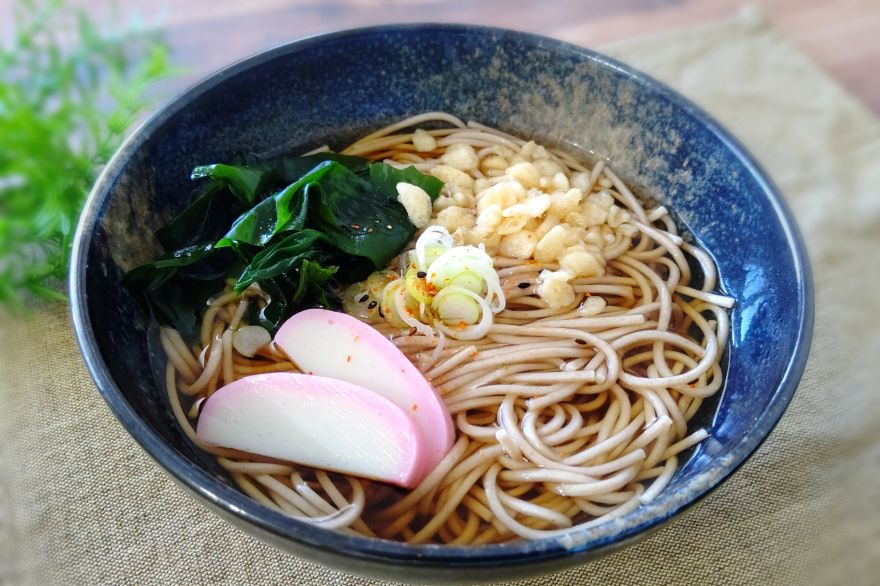
For a warm meal, start with freshly prepared noodles and a separate bowl of hot broth.
Easy toppings include:
- Cooked shiitake or other mushrooms
- Wakame seaweed
- Baby spinach or other cooked greens
- Scallions
- Firm tofu
- Aburaage, or Japanese fried tofu
- A separately cooked egg
For a meat-free version, prepare the soup with kombu (kelp) and mushroom-based dashi rather than fish-based dashi.
Be sure that any vegetables or eggs added to the bowl are properly cooked when required. Reheating the noodles alone doesn’t necessarily cook the toppings.
Common Microwave Soba Problems and How to Fix Them
If your first attempt doesn’t turn out as expected, the problem is often related to water coverage, uneven heating, or overcooking.
| Problem | Likely Cause | What to Do |
|---|---|---|
| Noodles stick together | Insufficient water or too little movement | Keep noodles submerged and gently separate them during cooking |
| Hard sections remain | Uneven hydration or insufficient cooking | Redistribute the noodles and heat in short additional intervals |
| Noodles become mushy | Excessive cooking time | Stop earlier, check texture more often, and rinse promptly |
| Water boils over | Container too shallow or filled too high | Use a deeper container and leave more empty space |
| Broth becomes cloudy | Starchy cooking liquid mixed with soup | Drain and rinse the noodles before adding fresh broth |
| Noodles break apart | Delicate soba or overly vigorous stirring | Stir gently and avoid excessive cooking |
Different brands contain different proportions of buckwheat and wheat flour, which can affect cooking behavior. Some varieties are more fragile than others.
If you’re consistently getting uneven results despite adjusting the water and cooking time, the stovetop method may be a better choice for that particular product.
Frequently Asked Questions
Can I microwave 100% buckwheat soba?
Some 100% buckwheat soba noodles can be prepared in a microwave, but they may be more delicate than noodles containing wheat flour. Check the manufacturer’s instructions. If no microwave method is recommended, stovetop cooking is the more reliable option.
Can I cook two servings of soba at once?
You can use a sufficiently large, microwave-safe container, but doubling the noodles doesn’t mean you can simply double the cooking time. Larger portions require more water and space, and heating may become uneven. Cooking separate portions is often easier.
Do I need to add salt or oil to the water?
Usually not. Traditional Japanese soba is generally cooked in plain water. Adding oil is unnecessary when the noodles have enough space and are properly rinsed afterward. Always follow any specific instructions on the package.
Are soba noodles gluten-free?
Not necessarily. Buckwheat itself is naturally gluten-free, but many commercial soba noodles also contain wheat flour. For a gluten-free diet, choose appropriately labeled products and check for cross-contact warnings. Dipping sauces and other toppings may also contain wheat.
Can I prepare microwave soba ahead of time?
Yes, although soba generally tastes best soon after cooking. If preparing it for a later meal, rinse and drain the noodles, refrigerate them promptly in a covered food-safe container, and keep the sauce separate. Follow safe refrigeration practices and avoid leaving cooked noodles at room temperature for extended periods.