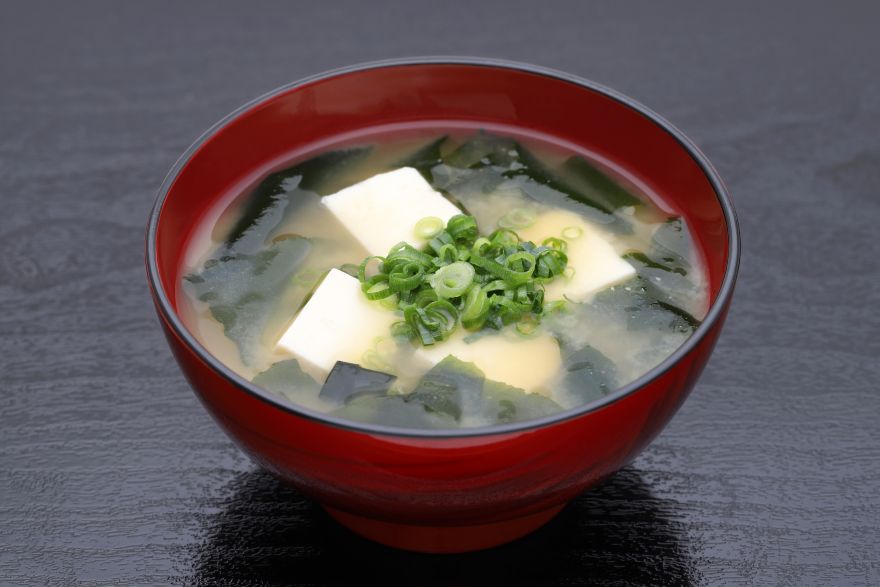
Making miso soup with Hondashi is one of the easiest ways to enjoy Japanese-style soup at home. You don’t need to prepare traditional dashi from scratch, and a simple combination of miso paste, tofu, and wakame seaweed is enough to make a satisfying bowl.
For two small servings, a good starting ratio is 300 ml (1¼ US cups) of water, 2 g (⅔ teaspoon) of Hondashi, and about 1 tablespoon of miso paste. This makes a relatively light miso soup, so you can add a little more miso if you prefer a stronger flavor.
Hondashi is an instant Japanese dashi seasoning made by Ajinomoto. The standard version uses dried bonito (a type of fish) to create the savory flavor known as umami. It dissolves quickly in water and is especially convenient for everyday miso soup.
The key is getting the proportions right, adding ingredients in the correct order, and avoiding a vigorous boil after the miso goes in.
How Much Hondashi Do You Need for Miso Soup?
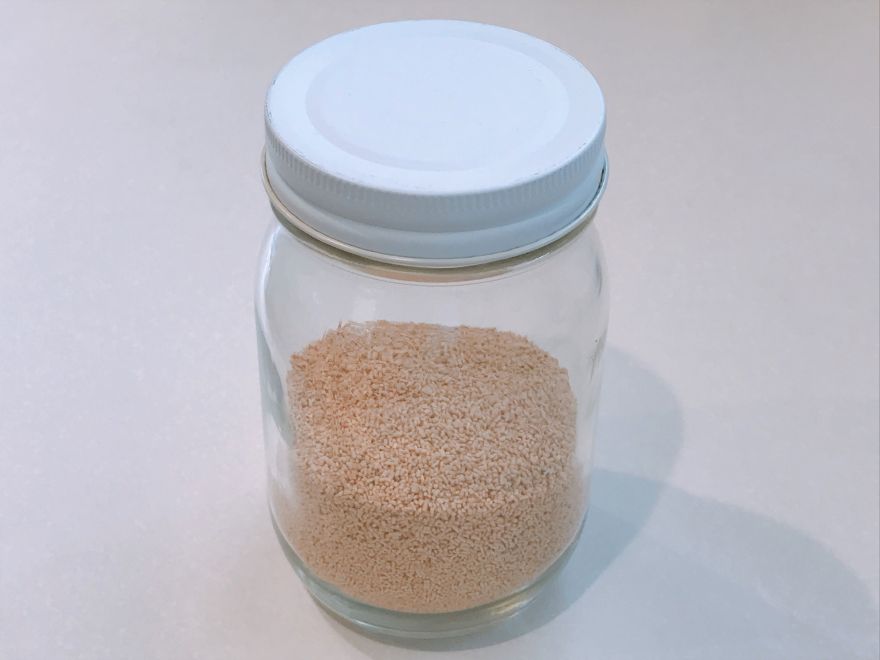
The amount of Hondashi you need depends mainly on how much water you’re using. Once you know the basic ratio, it’s easy to make a single bowl or a larger batch.
According to Ajinomoto’s Japanese product guidance, the standard ratio for preparing dashi with Hondashi is 2 g of granules for every 300 ml of water.
Keep in mind that Hondashi provides the dashi flavor, while miso paste supplies much of the soup’s salty, fermented taste. Both ingredients affect the final seasoning.
Hondashi-to-Water Ratio for 1, 2, and 4 Servings
Use this table as a starting point for a lighter, Japanese home-style miso soup.
| Servings | Water | Hondashi | Miso Paste |
|---|---|---|---|
| 1 | 150 ml (about ⅔ US cup) | 1 g (about ⅓ tsp) | 1½–2 tsp |
| 2 | 300 ml (about 1¼ US cups) | 2 g (⅔ tsp) | About 1 tbsp |
| 4 | 600 ml (about 2½ US cups) | 4 g (about 1⅓ tsp) | About 2 tbsp |
These are starting measurements rather than fixed rules. Some miso soup recipes use considerably more miso, especially when a richer, restaurant-style flavor is preferred.
If your soup tastes too mild, add a small amount of miso, dissolve it completely, and taste again. Different miso pastes can vary significantly in saltiness and intensity.
For small batches, measuring the Hondashi carefully makes a noticeable difference. Adding even a little too much to a single serving can produce a surprisingly strong flavor.
How Many Teaspoons of Hondashi Are in 1 Gram?
Ajinomoto states that one level Japanese measuring teaspoon of standard Hondashi weighs approximately 3 g.
- 1 g Hondashi: Approximately ⅓ teaspoon
- 2 g Hondashi: Approximately ⅔ teaspoon
- 3 g Hondashi: Approximately 1 teaspoon
- 4 g Hondashi: Approximately 1⅓ teaspoons
These conversions apply to standard Hondashi granules. Other instant dashi products may have different densities and recommended mixing ratios.
If you frequently make just one bowl, a digital kitchen scale that measures small quantities can be helpful. Otherwise, use level measuring spoons and keep your measurements consistent.
You can also check Ajinomoto’s official Hondashi measuring guide for the manufacturer’s Japanese-language instructions.
Easy Hondashi Miso Soup Recipe (2 Servings)
This easy recipe uses tofu, wakame seaweed, and scallions (green onions), a familiar combination in Japanese home cooking.
It takes approximately 10 minutes when using ingredients that require little cooking.
Ingredients
- 300 ml (1¼ US cups) water
- 2 g (⅔ teaspoon) Hondashi granules
- 1 tablespoon miso paste, plus more to taste
- 100 g (about 3½ oz) silken or soft tofu, cut into small cubes
- About 1 teaspoon dried wakame seaweed
- 1 scallion (green onion), thinly sliced
About the miso: White miso or a mild mixed miso is a good place to start. The amount listed here produces a relatively light broth, so adjust it to your preference.
About the wakame: Dried wakame expands considerably when hydrated. Follow the package instructions, and use a small amount until you know how much it expands.
Step-by-Step Instructions
- Prepare the ingredients. Cut the tofu into bite-size cubes and thinly slice the scallion. If your dried wakame requires soaking, rehydrate it according to the package directions, then drain.
- Heat the water. Pour 300 ml of water into a small saucepan and bring it to a gentle simmer over medium heat.
- Add the Hondashi. Stir in 2 g of Hondashi granules until they dissolve. This creates your instant dashi broth.
- Add the tofu and wakame. Gently add the tofu cubes and prepared wakame. Heat for about 1–2 minutes, or until the tofu is warmed through. Avoid stirring vigorously, especially when using silken tofu.
- Reduce the heat and dissolve the miso. Turn off the heat or reduce it to very low. Place the miso paste in a ladle, add a little hot broth, and stir until smooth. Then mix the dissolved miso back into the saucepan.
- Taste and adjust. If the soup needs more flavor, dissolve a little additional miso in some broth and stir it in. Avoid adding a large amount at once.
- Serve immediately. Divide the soup between two bowls and garnish with sliced scallions.
The finished soup should taste savory, balanced, and pleasantly aromatic without being overwhelmingly salty.
For a more substantial meal, serve it alongside steamed rice, grilled fish, or your favorite Japanese-style side dishes.
When Should You Add Hondashi and Miso?
Hondashi and miso serve different purposes, so they don’t necessarily belong in the pot at the same time.
Hondashi creates the broth, while miso is generally added near the end to preserve its flavor and aroma.
When to Add Hondashi
The best time to add Hondashi depends on the other ingredients in your soup.
For root vegetables: Add Hondashi to the water before cooking vegetables such as daikon radish, potatoes, carrots, or burdock root. Simmer until the vegetables are tender so they can absorb the flavorful broth.
For quick-cooking ingredients: You can add Hondashi to hot water before adding tofu, wakame, leafy greens, or thinly sliced mushrooms. Cook the vegetables as needed, then finish with miso.
Ajinomoto’s official guidance also recommends adjusting when you add Hondashi depending on the cooking time of the ingredients.
If you’re adding the granules to boiling water, lower the heat and stir carefully. Adding them to rapidly boiling liquid can sometimes cause the pot to foam or boil over.
For an extra touch of bonito aroma, you can experiment with reserving a tiny pinch of Hondashi until near the end. However, start with the recommended total quantity rather than automatically adding more.
Why Miso Should Go in Last
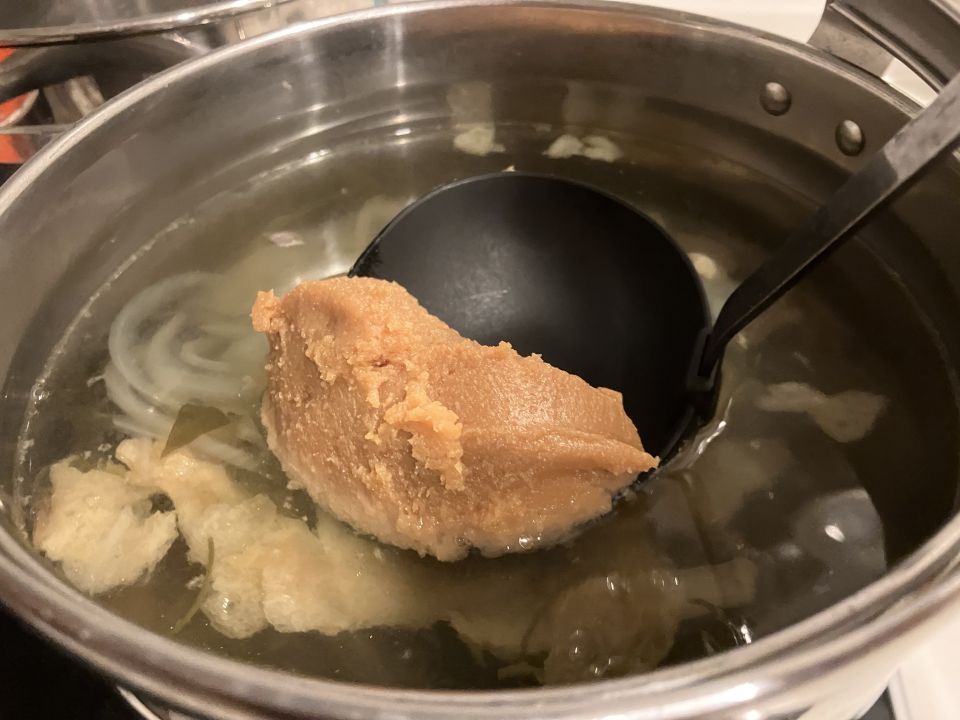
One of the most important techniques in Japanese miso soup is adding the miso after the other ingredients have finished cooking.
Miso contains aromatic compounds that help give the soup its distinctive flavor. Prolonged vigorous boiling after adding miso can weaken that aroma.
A simple cooking sequence is:
- Prepare the dashi broth.
- Cook vegetables or other ingredients until tender.
- Lower or turn off the heat.
- Dissolve the miso paste in a little hot broth.
- Stir the miso into the soup and serve.
You can use a ladle, small bowl, or miso strainer to dissolve the paste. This helps prevent large lumps of miso from remaining in the soup.
If you need to warm the soup again after adding miso, do so gently rather than bringing it to a rolling boil.
Best Ingredients for Hondashi Miso Soup
One of the best things about miso soup is its flexibility. In Japanese households, the ingredients often change depending on the season, what is available, and what is already in the refrigerator.
Hondashi works particularly well with tofu, seaweed, mushrooms, and vegetables because its bonito-based flavor adds a savory foundation without requiring a long cooking process.
Classic Tofu, Wakame, and Scallions
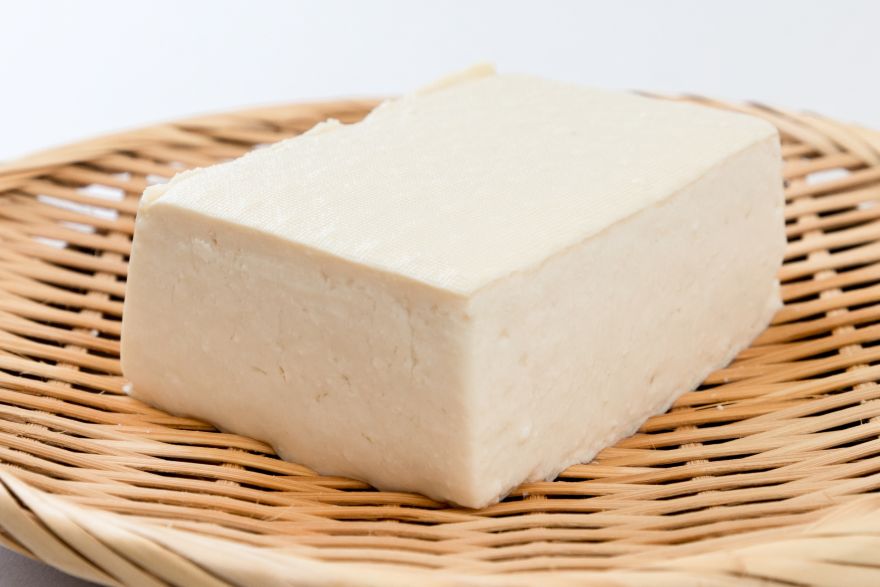
Tofu and wakame are among the most familiar combinations for everyday Japanese miso soup.
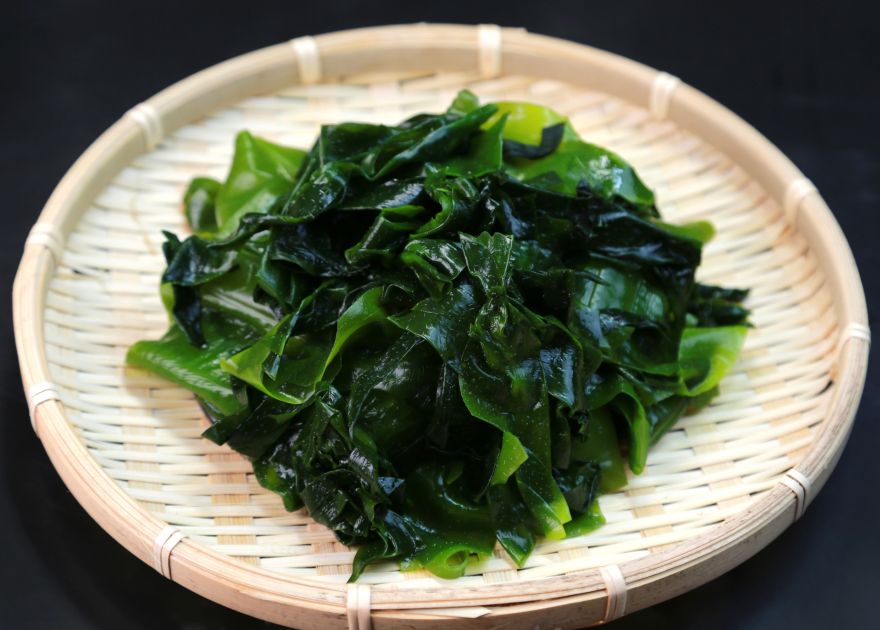
Tofu provides a mild flavor and soft texture, while wakame contributes a slightly ocean-like taste. Scallions add freshness and a gentle onion aroma.
For tofu, you can choose between:
- Silken tofu: Very soft and delicate, with a smooth texture.
- Soft or medium tofu: Slightly firmer and easier to handle.
- Firm tofu: Holds its shape well and provides a heartier bite.
In Japan, silken tofu is often called kinugoshi tofu, while firmer cotton-style tofu is known as momen tofu.
Both work in miso soup, so the choice is largely about texture.
Use dried wakame sparingly, especially if you’re new to cooking with it. A small amount can expand enough to fill a surprising portion of the bowl.
In the United States, these ingredients are commonly labeled as tofu, dried wakame, and green onions. In the United Kingdom, green onions are generally called spring onions.
Vegetables, Mushrooms, and Other Add-Ins
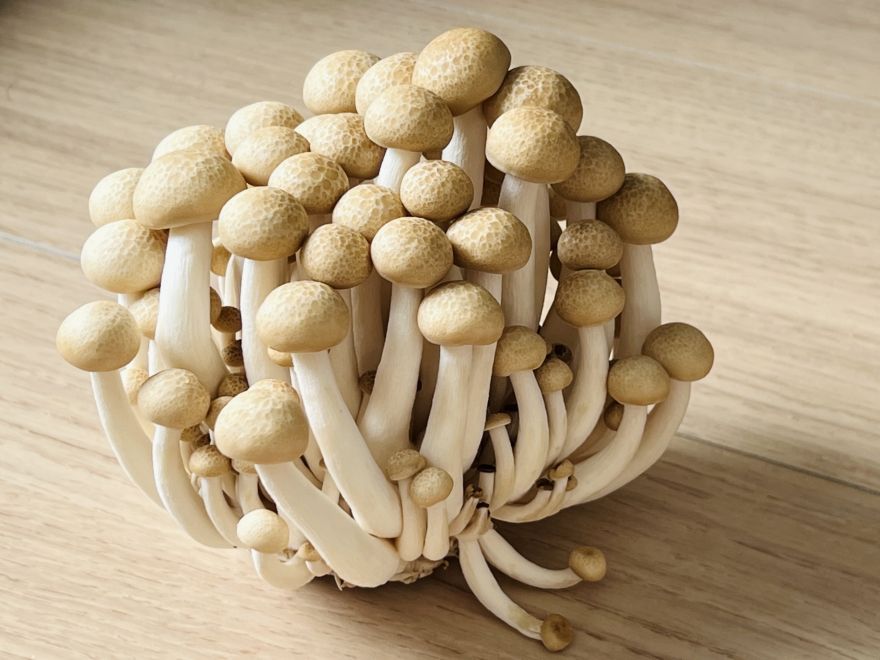
Once you’re comfortable with the basic recipe, try combining Hondashi with different vegetables or other ingredients.
| Ingredient Type | Examples | Flavor or Texture |
|---|---|---|
| Classic | Tofu, wakame, scallions | Light, mild, and traditional |
| Mushrooms | Shiitake, shimeji, enoki | Earthy, savory flavor |
| Root vegetables | Daikon, carrots, potatoes | Hearty texture and natural sweetness |
| Leafy vegetables | Spinach, napa cabbage | Freshness and tenderness |
| Soy products | Aburaage, firm tofu | Additional richness and substance |
| Other variations | Onions, tomatoes, eggs | Sweeter, richer, or more substantial soup |
Aburaage is thin, deep-fried tofu commonly used in Japanese cooking. It’s especially good in miso soup because it absorbs the broth and adds richness.
Shimeji and enoki mushrooms are popular Japanese ingredients, but shiitake mushrooms or other locally available mushrooms can also work well.
If you’re using root vegetables, cut them into small pieces and simmer them until tender before adding the miso.
For a simple weeknight meal, try combining potatoes and onions, mushrooms and tofu, or napa cabbage and aburaage.
Which Miso Paste Works Best with Hondashi?
Choosing the right miso paste is just as important as measuring the Hondashi.
Different miso pastes have different levels of saltiness, sweetness, and fermented flavor. This is why two bowls made with the same amount of Hondashi can taste noticeably different.
White, Red, and Mixed Miso
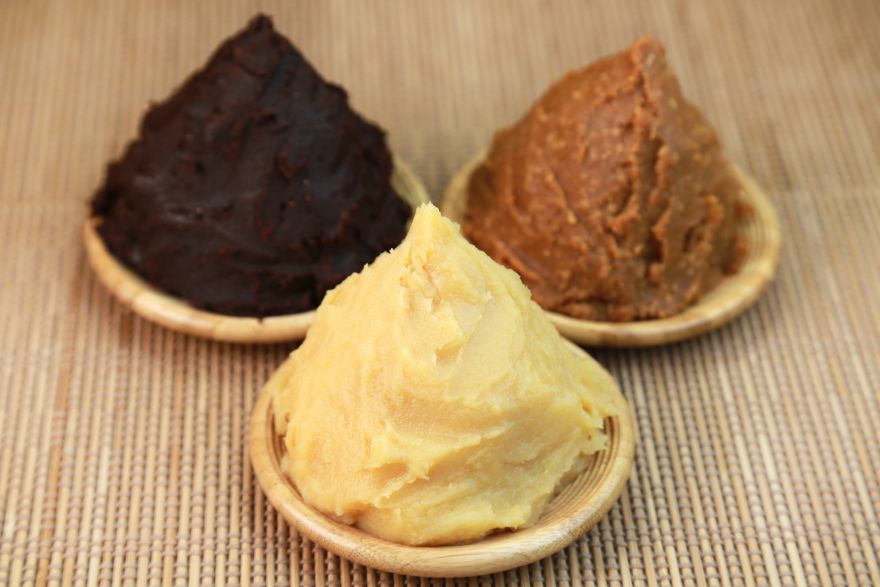
Three common choices are white miso, red miso, and mixed miso.
| Miso Type | Typical Flavor | Best For |
|---|---|---|
| White miso (shiro miso) | Often mild, sometimes sweet | Light, gentle miso soup |
| Red miso (aka miso) | Often deeper and more robust | Stronger, richer soup |
| Mixed miso (awase miso) | Balanced, depending on the blend | Versatile everyday miso soup |
The exact flavor varies by manufacturer and region, so color alone doesn’t tell you how salty a miso paste will be.
If you’re making Hondashi miso soup for the first time, mild white miso or a balanced awase miso can be an approachable choice.
For a richer soup, try red miso, but start with a modest amount and taste before adding more.
Do You Need Hondashi with Dashi Miso?
Some miso pastes are sold as dashi miso or dashi-iri miso. These already contain dashi seasoning.
That means you usually don’t need to add the full amount of Hondashi when using them.
The difference is straightforward:
- Regular miso paste: Provides fermented soybean flavor. You normally prepare the dashi separately.
- Dashi miso: Already contains added dashi flavor and can often be mixed with hot water to make a simple miso soup.
- Hondashi: An instant dashi seasoning that lets you control the broth separately from the miso paste.
If your miso paste already contains dashi, prepare a small amount of soup according to the package instructions and taste it first.
If it needs more savory flavor, you can add a little Hondashi, but do so cautiously. Using both in large amounts can make the soup excessively salty or heavily seasoned.
Also, dashi miso is not necessarily vegetarian. Some varieties contain bonito or other fish-derived ingredients, so check the label if you avoid animal products.
How to Fix Miso Soup That Is Too Salty or Too Bland
Even a simple miso soup can occasionally turn out too salty, too mild, or lacking in depth.
The best fix depends on what is actually missing or excessive. Adding more Hondashi or miso isn’t always the solution.
If Your Miso Soup Is Too Salty
If the soup tastes too salty, the most reliable solution is to dilute it with a little water or unsalted broth.
- Lower the heat or remove the saucepan from the stove.
- Add a small splash of hot water.
- Stir gently and taste.
- Repeat until the saltiness becomes more balanced.
If dilution makes the soup feel too empty, adding extra tofu, mushrooms, or cooked vegetables can make the bowl more satisfying.
Potatoes, tofu, and onions can help balance the overall eating experience by adding bulk, texture, or sweetness. However, they do not magically remove salt from the broth.
Avoid immediately adding extra Hondashi to an overly salty soup. Standard Hondashi contains salt, so adding more can make the problem worse.
For a severely over-seasoned batch, it may be easier to increase the total volume with unsalted ingredients and divide the soup into more servings.
If Your Miso Soup Tastes Too Weak
If your miso soup tastes watery, first consider whether it’s missing saltiness or the savory depth of dashi.
- Not enough miso flavor: Dissolve a little more miso paste in hot broth and stir it into the soup.
- Not enough dashi flavor: Add a tiny amount of Hondashi, provided the soup isn’t already too salty.
- Flavor seems flat: Try adding mushrooms, scallions, or another aromatic ingredient.
- Soup became diluted: Adjust the miso gradually after adding extra water.
One practical habit is to start with a slightly lighter seasoning and make small adjustments just before serving.
Remember that miso paste and instant dashi both contribute to the overall seasoning. If you need to watch your sodium intake, check the nutrition labels rather than relying only on how salty the soup tastes.
Frequently Asked Questions
Is Hondashi the same as dashi powder?
Hondashi is a specific brand of instant dashi seasoning made by Ajinomoto. Dashi powder is a broader term that includes similar products from other manufacturers. Their ingredients and recommended quantities may differ.
Is Hondashi vegetarian or vegan?
Standard bonito-based Hondashi is not vegetarian or vegan because it contains fish-derived ingredients. For a plant-based soup, use kombu dashi, shiitake mushroom dashi, or a clearly labeled vegan instant dashi instead. Check the miso paste ingredients as well.
Can I make miso soup without Hondashi?
Yes. You can make miso soup with homemade dashi prepared from kombu and bonito flakes, or use another suitable instant dashi product. Kombu and dried shiitake mushrooms are good options for a vegetarian version.
Can I use another brand of instant dashi?
Yes, but follow the mixing directions on that product’s packaging. Different dashi powders can have different concentrations, salt levels, and flavors, so the Hondashi measurements in this recipe may not apply directly.
Can I make Hondashi miso soup ahead of time?
Yes. You can prepare the dashi and cooked ingredients ahead, then add the miso just before serving for better aroma. Refrigerate prepared soup promptly and reheat it gently. Avoid prolonged boiling after adding the miso, which can reduce its delicate flavor.