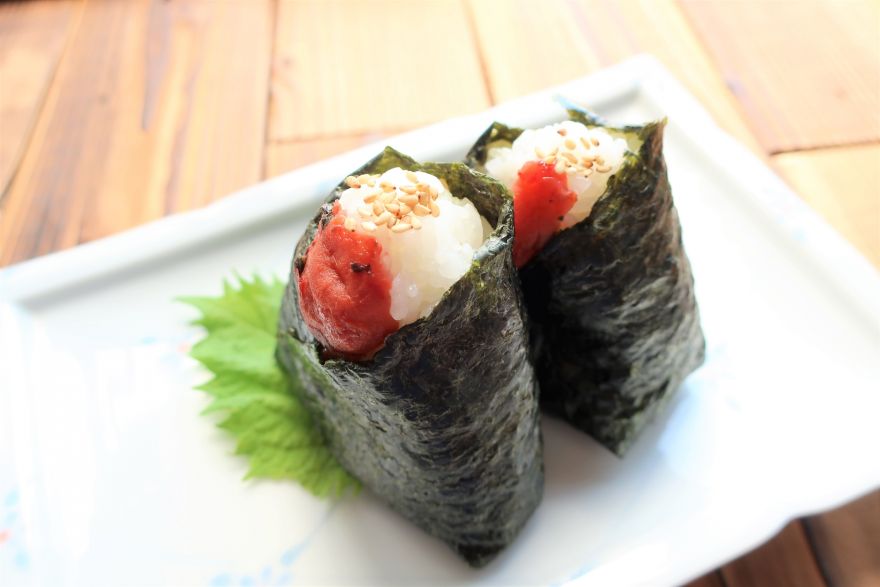
What should you serve with onigiri? Some of the best side dishes are tamagoyaki (Japanese rolled omelet), karaage (Japanese fried chicken), grilled salmon, Japanese pickles, and vegetable dishes such as kinpira. A bowl of miso soup or tonjiru can also turn a few rice balls into a satisfying meal.
Onigiri, also known as Japanese rice balls, are commonly eaten for breakfast, packed in bento lunch boxes, or enjoyed as a quick meal in Japan. They’re delicious on their own, but the right side dishes can add protein, vegetables, contrasting textures, and a little variety.
The best combination depends on your onigiri filling and when you plan to eat it. Plain salted rice balls work particularly well with richly seasoned foods, while tuna mayo or grilled onigiri often taste better alongside lighter, refreshing dishes.
Here are traditional Japanese favorites, quick recipes, and practical meal ideas you can prepare at home or pick up at a store.
Best Side Dishes to Serve with Onigiri
Japanese bento lunches often combine rice with several small dishes rather than one large main course. This approach works especially well with onigiri because you can mix and match different flavors and textures.
1. Karaage (Japanese Fried Chicken)
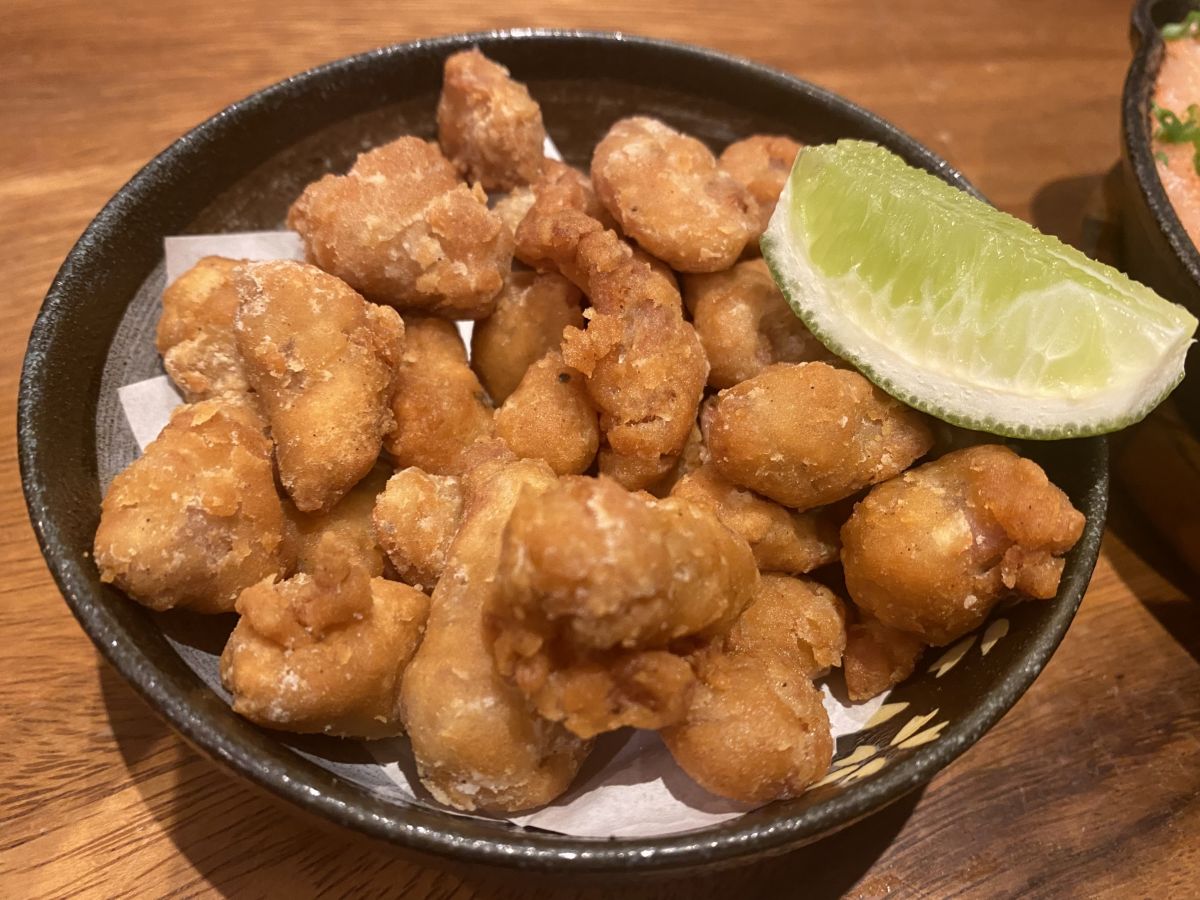
Karaage is one of the most familiar companions to onigiri in a Japanese bento. These juicy pieces of fried chicken are typically seasoned with soy sauce, ginger, and garlic before being coated in starch or flour and fried.
The savory seasoning and crisp exterior complement the mild sweetness of Japanese rice. Karaage is especially good with plain salted onigiri, umeboshi (pickled plum) onigiri, or rice balls seasoned with furikake.
For a better texture, drain the excess marinade before coating the chicken. A little breadcrumb can also be mixed into the coating for a different style of crust. When packing karaage for lunch, allow excess frying oil to drain and keep the prepared meal properly chilled.
2. Tamagoyaki (Japanese Rolled Omelet)
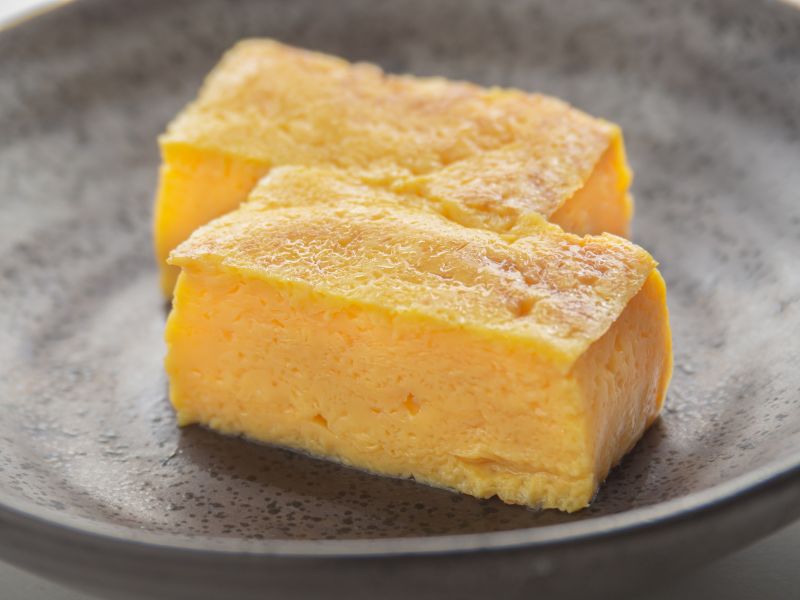
Tamagoyaki is another classic Japanese bento side dish. It’s made by cooking thin layers of seasoned egg and rolling them together to create a soft, layered omelet.
Japanese families make both sweet and savory versions. Sweet tamagoyaki may contain a little sugar and mirin, while dashimaki tamago uses dashi broth for a more delicate, savory flavor.
Both pair beautifully with onigiri. Sweet tamagoyaki provides a pleasant contrast to salty salmon or umeboshi fillings, while savory rolled eggs go well with strongly seasoned rice balls.
To keep the eggs from sticking, preheat the pan and coat it lightly with oil before adding each layer. You can also add chopped green onions, cheese, imitation crab, or a little mentaiko (spicy pollock roe) for variety.
3. Japanese-Style Sausages and Meatballs

Small sausages are a familiar sight in Japanese lunch boxes because they’re quick to prepare and easy to eat alongside rice balls.
In Japan, cooks sometimes cut small sausages into a playful octopus shape called tako-san wiener. The cuts open as the sausage cooks, creating little tentacles.
You don’t need to make the decorative version, though. Pan-fried mini sausages or fully cooked breakfast sausages work well, too.
Small meatballs are another convenient option. Japanese-style meatballs are often coated in a sweet-savory glaze, although tomato-based versions also make a tasty combination.
Both are particularly suitable when you need a substantial side dish for plain onigiri.
4. Grilled Salmon and Fried Fish
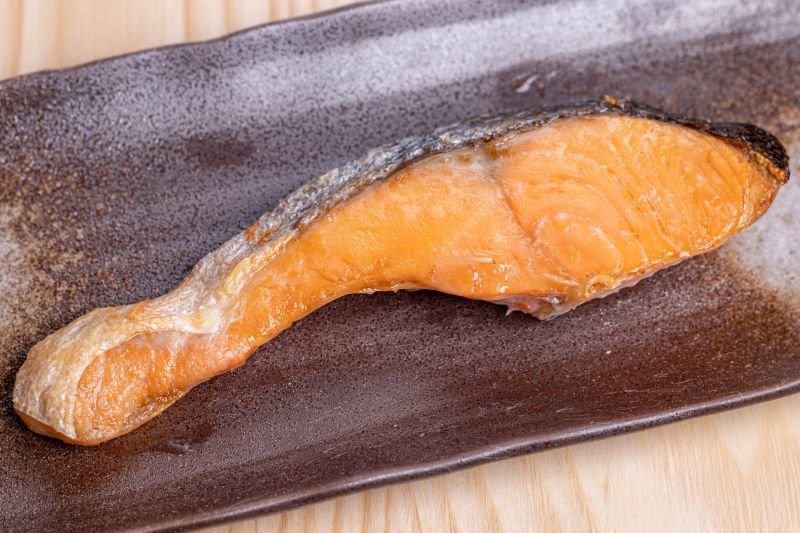
Salted grilled salmon is a traditional Japanese breakfast dish, and it pairs naturally with onigiri. Its savory flavor balances the mild rice without needing a heavy sauce.
Salmon is also a popular onigiri filling, so serving it separately is an easy way to enjoy the same familiar flavor in a larger portion.
For a different texture, try aji fry (breaded, fried horse mackerel) or crispy fried white fish. A small amount of soy sauce or your favorite Japanese-style sauce can add extra flavor.
Another option is salmon marinated with soy sauce and mirin before grilling. Its sweet-savory flavor is especially good with simple salted rice balls.
5. Japanese Pickles (Tsukemono)
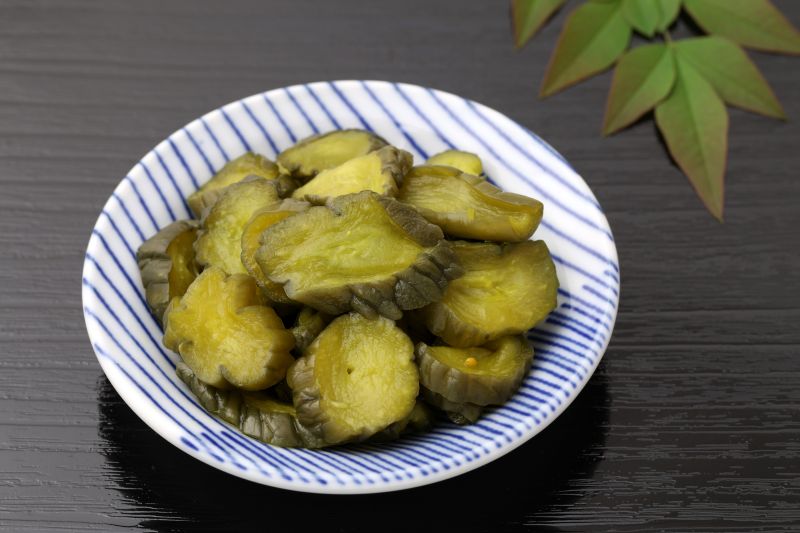
Japanese pickles provide a refreshing contrast to rice and rich side dishes. Their crunch, acidity, and salty flavor help balance a meal that includes fried chicken, meat, or creamy fillings.
Popular options include:
- Takuan: Pickled daikon radish with a satisfying crunchy texture and a sweet-salty flavor.
- Iburi-gakko: Smoked pickled daikon from Akita Prefecture, known for its distinctive smoky aroma.
- Bettarazuke: A mildly sweet Japanese pickled daikon.
- Quick cucumber pickles: A simple option made with cucumber, salt, and a little rice vinegar.
Serve pickles in small portions, especially when your onigiri filling or other side dishes are already salty.
6. Kinpira and Simmered Vegetables
Kinpira is a Japanese side dish made by stir-frying vegetables and seasoning them with soy sauce, sugar, and often mirin.
Kinpira gobo, made with burdock root and carrot, is especially popular in Japanese home cooking. The slightly chewy burdock and sweet-savory sauce taste excellent with rice.
If you can’t find burdock root, try making kinpira with carrots or lotus root instead.
Chikuzenni, a Japanese simmered dish containing ingredients such as chicken, carrots, lotus root, and shiitake mushrooms, is another good choice. Its gentle soy-and-dashi flavor complements onigiri without overwhelming it.
These dishes are useful for meal preparation because they can be cooked ahead and portioned for later meals, provided they’re cooled and stored safely.
7. Ginger Pork and Other Savory Meat Dishes
Shogayaki, or Japanese ginger pork, is a satisfying side dish for plain onigiri. Thin slices of pork are cooked in a sauce commonly made with soy sauce, ginger, mirin, and sugar.
The sauce also flavors the onions that are often cooked alongside the pork. Together, they make a flavorful contrast to simple rice balls.
Other substantial options include teriyaki chicken, stuffed bell peppers, minced-meat-filled lotus root slices, and braised pork belly.
Because these dishes can have strong seasonings, pair them with lightly salted or plain onigiri rather than another heavily seasoned rice ball.
8. Tofu Patties and Chicken Cutlets
Japanese-style tofu patties, sometimes called tofu hamburg steaks, offer a softer, lighter alternative to conventional meat patties.
Drain firm tofu thoroughly and combine it with your preferred seasonings and a suitable binder, such as potato starch. You can also mix in finely chopped vegetables.
Small tofu patties fit neatly into a bento box and pair well with salmon, plain, or vegetable-filled onigiri.
For another Japanese-style option, try chicken cutlets filled with umeboshi paste and shiso leaves. The tart plum and aromatic shiso help balance the rich fried coating.
How to Match Side Dishes to Your Onigiri Filling
One of the easiest ways to build a good onigiri meal is to consider how strongly the rice balls are seasoned.
Simple onigiri can handle rich, savory sides. Strongly flavored rice balls often taste better with milder or more refreshing accompaniments.
| Onigiri Type | Recommended Side Dishes | Why They Work |
|---|---|---|
| Plain salted onigiri (shio onigiri) | Karaage, ginger pork, grilled salmon, teriyaki chicken | Rich, savory flavors contrast with the mild rice. |
| Salmon or umeboshi onigiri | Tamagoyaki, vegetable kinpira, tofu patties, miso soup | Gentle sweetness and mild vegetables balance salty or tangy fillings. |
| Tuna mayo or mixed-rice onigiri | Cucumber salad, pickled daikon, lightly seasoned eggs, bean sprout salad | Fresh, simple sides keep the meal from feeling too rich. |
| Grilled onigiri (yaki onigiri) | Tonjiru, grated daikon, steamed vegetables, lightly seasoned tofu | Moist, mild sides complement the savory grilled surface. |
| Meat-wrapped onigiri | Cucumber salad, daikon salad, lightly dressed vegetables | Crisp, refreshing vegetables balance the rich meat. |
This isn’t a strict rule. If you enjoy salty salmon with fried chicken, there’s nothing wrong with that combination. But balancing richness, acidity, and texture can make a simple meal more enjoyable.
Easy Vegetable Sides for Onigiri
Vegetable sides add color, crunch, and variety to an onigiri meal. They also help round out a lunch or dinner built mainly around rice and protein.
You don’t need complicated Japanese ingredients to make them. Several everyday vegetables work beautifully with simple soy-based or sesame dressings.
Quick Carrot Kinpira
This is a practical alternative to traditional kinpira gobo if burdock root isn’t available.
- Cut one carrot into thin matchsticks.
- Heat a small amount of neutral oil in a frying pan.
- Stir-fry the carrot until it begins to soften but still has a little bite.
- Add approximately 1 teaspoon each of soy sauce and mirin, adjusting to taste.
- Cook briefly until the liquid lightly coats the carrots. Add sesame seeds if desired.
Carrot kinpira goes particularly well with plain salted onigiri, salmon onigiri, and tamagoyaki.
Spinach and Tuna Salad
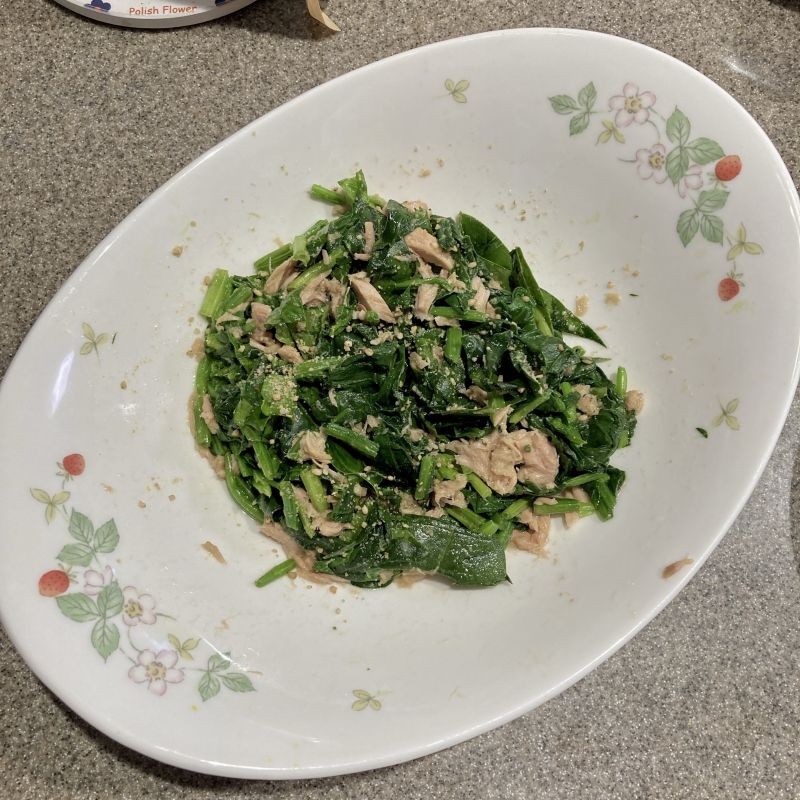
Spinach and tuna make a simple vegetable side that also contributes some protein.
Cook the spinach, drain it thoroughly, and chop it into bite-size pieces. Mix it with a little drained canned tuna, a small amount of mayonnaise, and a splash of soy sauce.
For a lighter version, replace the mayonnaise with a little sesame oil and rice vinegar.
Serve this with plain rice balls or umeboshi onigiri for a combination of mild, savory, and tangy flavors.
Cucumber and Avocado Salad
If your onigiri has a rich filling, such as tuna mayonnaise or teriyaki chicken, a cool cucumber salad is an easy way to add contrast.
Cut cucumber and avocado into bite-size pieces, then gently toss them with a little rice vinegar, soy sauce, and sesame oil.
Add sesame seeds or a small amount of chili seasoning if you enjoy extra flavor.
This combination also works particularly well alongside meat-wrapped onigiri.
Bean Sprout Salad and Daikon Salad
Bean sprouts are inexpensive, quick to prepare, and commonly used in Japanese and other East Asian home cooking.
Cook the bean sprouts, drain them well, and toss them with sesame oil, a little soy sauce, and toasted sesame seeds.
Another refreshing choice is daikon radish and tuna salad. Thinly slice or shred the daikon, combine it with drained canned tuna, and dress lightly with ponzu or a mixture of soy sauce and citrus juice.
Both sides are especially good with grilled onigiri or rice balls containing heavily seasoned fillings.
Quick Protein Sides for Busy Days
When you only have a few minutes to prepare a meal, eggs and small portions of meat can turn onigiri into a more substantial lunch or dinner.
A microwave can be useful, but cooking times vary by appliance, container, and portion size. Always check that the food is cooked safely, especially when preparing chicken or eggs.
Microwave Vegetable Omelet
A small vegetable omelet is a convenient breakfast side for onigiri.
- Beat an egg in a microwave-safe bowl.
- Add finely chopped vegetables such as bell pepper, onion, or cooked spinach.
- Mix in a small amount of milk or water if desired.
- Microwave in short intervals, stirring between intervals to help the egg cook evenly.
- Continue cooking until the center is fully cooked and the egg dish reaches 160°F (71°C).
For extra flavor, add chopped ham or a little cheese. If adding meat, make sure it’s fully cooked and follow the appropriate safe cooking temperature.
Easy Teriyaki Chicken
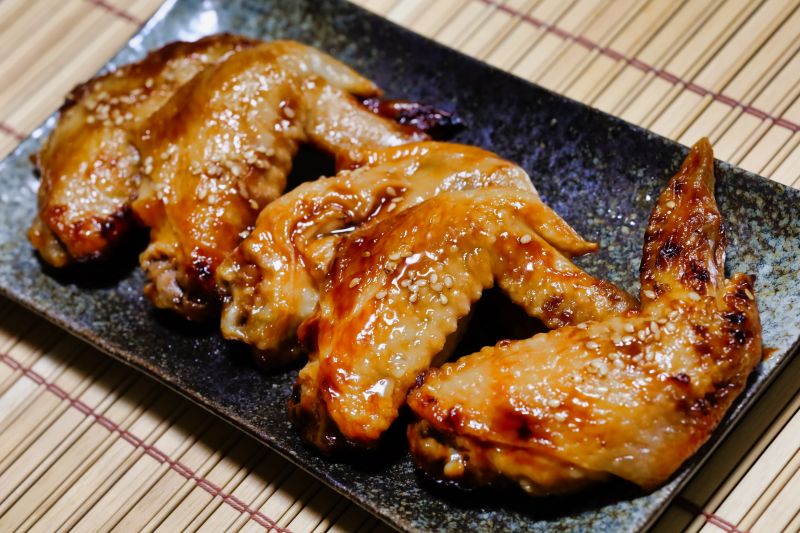
Teriyaki chicken pairs particularly well with simple salted onigiri.
For a quick homemade version, combine bite-size chicken pieces with soy sauce, mirin, and a little sugar in a microwave-safe dish. Cover with a vented microwave-safe lid and cook in stages, stirring or turning the pieces for more even heating.
Microwaves can heat unevenly, so check the thickest pieces with a food thermometer. Chicken must reach 165°F (74°C).
Alternatively, cook the chicken in a frying pan until safely cooked through and the sauce lightly coats the pieces.
Pork-Wrapped Eggplant
Thinly sliced pork wrapped around small pieces of eggplant is a satisfying Japanese-style side dish.
Arrange the rolls in a microwave-safe dish, cover appropriately, and cook until the pork reaches a safe temperature and the eggplant becomes tender. Adjust the cooking method and time to the size of the rolls.
Serve with ponzu and grated daikon for a light citrus-soy flavor.
This is especially tasty with tuna mayo, mixed-rice, or grilled onigiri because the refreshing sauce helps balance stronger seasonings.
Onigiri Bento Ideas You Can Prepare Ahead
Onigiri is a popular choice for Japanese bento lunches because it’s portable and easy to portion. Adding two or three small side dishes creates a meal with different flavors, textures, and colors.
If you want to save time in the morning, prepare suitable cooked side dishes ahead, cool them promptly, and refrigerate them in covered containers.
Here are several make-ahead options:
- Simmered carrots and soybeans: Season cooked soybeans and vegetables with soy sauce and a little dashi for a simple Japanese-style side dish.
- Ume and shiso chicken cutlets: The tangy plum and fragrant leaves add flavor to lean chicken cutlets. Cook thoroughly, then cool and refrigerate promptly.
- Small tofu patties: Drain firm tofu, combine with finely chopped vegetables and a binder, then cook into small patties. Cool and store safely before packing.
- Carrot or lotus root kinpira: A convenient vegetable option that pairs with several onigiri fillings.
A traditional Japanese bento side is hijiki no nimono, a simmered seaweed and soybean dish. However, some food safety authorities, including the Canadian Food Inspection Agency, advise avoiding hijiki seaweed because of its inorganic arsenic content. A carrot-and-soybean simmered dish is an alternative that doesn’t require hijiki.
For visual variety, try combining different colors. For example, a bento with tamagoyaki, karaage, cooked broccoli, and cherry tomatoes looks more colorful than one containing only rice and meat.
Keep moist or heavily sauced dishes in separate compartments so they don’t soak into the onigiri.
Most importantly, treat cooked rice and perishable side dishes as foods that need appropriate temperature control. Use an insulated lunch bag and cold packs when refrigeration is not available, and avoid keeping prepared onigiri at room temperature for extended periods.
What to Serve with Onigiri for Breakfast, Lunch, and Dinner
Onigiri can be enjoyed throughout the day. The best side dishes depend on whether you need something light and quick or a more substantial meal.
Breakfast: Eggs, Soup, and Simple Protein
For a Japanese-style breakfast, try one or two onigiri with tamagoyaki and a bowl of miso soup containing tofu and vegetables.
If you’re short on time, a boiled egg and an instant soup containing vegetables are easy alternatives.
You could also serve onigiri with plain yogurt, milk, or soy milk for a quick breakfast that includes another source of protein.
For example, a salmon onigiri with a boiled egg, cucumber slices, and warm miso soup makes a simple breakfast without requiring several complicated dishes.
Lunch: Classic Japanese Bento Combinations
A Japanese-inspired onigiri lunch is easy to assemble from small portions of familiar foods.
Try one of these combinations:
- Classic chicken bento: Salted onigiri, karaage, tamagoyaki, cooked broccoli, and a little takuan.
- Fish bento: Umeboshi onigiri, grilled salmon, carrot kinpira, and a small cucumber salad.
- Vegetarian bento: Vegetable-filled onigiri, tofu patties, carrot kinpira, and cooked green vegetables.
- Quick everyday lunch: Tuna mayo onigiri, a boiled egg, and a lightly dressed vegetable salad.
Choose portions to suit your appetite. If you’re unsure how much rice to prepare, this guide to typical onigiri weights and portion sizes can help.
Dinner: Hearty Soups and Main Dishes
Onigiri can also be the rice component of a full dinner.
One of the easiest Japanese-style combinations is onigiri with tonjiru, a hearty miso soup containing pork and vegetables.
Tonjiru often includes daikon, carrots, burdock root, tofu, and sometimes konjac. Because it contains both meat and vegetables, it can make a simple rice-based dinner more substantial.
Other satisfying dinner pairings include stir-fried pork and vegetables, ginger pork with a cucumber salad, or teriyaki chicken with steamed vegetables.
If you’re making niku-maki onigiri (rice balls wrapped in meat), consider lighter vegetable sides instead of another rich meat dish. Cucumber salad, grated daikon, or a lightly seasoned bean sprout salad work particularly well.
Soups That Go with Onigiri
Soup is one of the easiest additions to an onigiri meal. It provides moisture, warmth, and an opportunity to include ingredients that may be missing from the rice balls themselves.
Tonjiru and Miso Soup
Tonjiru is a traditional Japanese pork and vegetable soup made with miso. It pairs especially well with plain, salmon, or umeboshi onigiri.
For a lighter option, choose a regular miso soup with tofu, green onions, mushrooms, or wakame seaweed.
If you’re cooking for one, you don’t need to make a large pot. Instant dashi and miso paste make it possible to prepare a small serving quickly. You can follow this simple miso soup recipe using Hondashi for a convenient starting point.
Egg and Wakame Soup
Egg and wakame soup is a light choice when your onigiri filling is already rich.
Prepare a mild broth with dashi or another suitable soup base, add rehydrated wakame, and slowly stir in beaten egg while the soup cooks.
Green onions or a small amount of sesame oil can add extra flavor.
This soup pairs well with salty salmon, tuna mayo, and grilled onigiri.
Clam Chowder and Curry-Dashi Soup
You don’t have to serve a strictly traditional Japanese soup with onigiri.
A creamy clam chowder can work surprisingly well with tuna mayo onigiri or a simple salted rice ball. Canned clams are a convenient ingredient, and the liquid from the can can add flavor to the soup.
For something different, try a lightly spiced curry soup made with Japanese dashi, vegetables, and a small amount of curry seasoning.
The savory broth and mild spice contrast nicely with the rice.
When time is limited, instant miso soup, egg soup, or vegetable soup can also be practical choices. Check the ingredients and sodium content if those factors matter to your diet.
What to Buy with Onigiri at a Convenience Store
In Japan, convenience stores, commonly called konbini, are an easy place to buy an onigiri meal without cooking.
Alongside rice balls, many Japanese convenience stores offer prepared eggs, chicken, salads, soups, and small side dishes. The exact selection varies by store and location.
A useful way to plan your meal is to combine onigiri with a protein source and a vegetable dish.
| Onigiri | Protein Side | Vegetable or Soup |
|---|---|---|
| Salmon onigiri | Prepared chicken or a boiled egg | Seaweed salad or vegetable soup |
| Plain salted onigiri | Yakitori or grilled fish | Spinach salad or cut vegetables |
| Tuna mayo onigiri | Tofu or a boiled egg | Cucumber salad or a light vegetable soup |
| Wakame onigiri | Prepared chicken or eggs | Vegetable-rich soup |
If you’re outside Japan and can’t find a convenience store that sells Japanese side dishes, you can still use the same idea.
Look for prepared boiled eggs, cooked chicken, tofu, ready-to-eat vegetables, or individual soup portions at a supermarket or grocery store.
For an easy lunch, a packaged onigiri with a boiled egg and a side salad is a practical combination.
Remember that a filling such as salmon, tuna, or chicken may already contribute some protein, so you can adjust the additional sides and portions accordingly.
How to Pack and Store an Onigiri Meal Safely
Food safety is especially important when packing onigiri and side dishes for lunch because both cooked rice and prepared fillings require appropriate handling.
Cooked rice can support the growth of Bacillus cereus when improperly cooled or stored. This is one reason rice balls should not be left at room temperature for long periods, even if they contain salt or pickled ingredients.
For safer preparation and storage:
- Wash your hands and use clean utensils when shaping onigiri and preparing side dishes.
- Refrigerate cooked rice and perishable foods promptly when they won’t be eaten immediately.
- Keep refrigerated foods at 40°F (4°C) or below.
- Do not leave perishable foods unrefrigerated for more than two hours, or more than one hour when the temperature is above 90°F (32°C).
- Use insulated lunch bags and frozen gel packs for meals that need to stay cold.
- Cook chicken and other poultry to an internal temperature of 165°F (74°C).
- Cook egg dishes, such as omelets, to an internal temperature of 160°F (71°C), or follow the higher applicable temperature when they contain meat or poultry.
- Follow the package instructions for commercially prepared onigiri and other ready-to-eat foods.
You can read more in the FDA’s food safety advice for packed and outdoor meals and FoodSafety.gov’s safe minimum cooking temperature chart.
Refrigerated rice may become firmer, which can affect the texture of homemade onigiri. If you want to prepare rice balls well in advance, freezing suitable varieties and reheating them thoroughly can be another option.
For more information, see this guide to thawing and reheating frozen onigiri.
Frequently Asked Questions
What side dishes go best with tuna mayo onigiri?
Tuna mayo onigiri goes well with light, refreshing sides such as cucumber salad, Japanese pickles, bean sprout salad, or lightly seasoned tamagoyaki. These add contrast without making the meal overly rich.
What vegetarian side dishes can I serve with onigiri?
Good vegetarian options include carrot kinpira, tofu patties, cucumber salad, vegetable miso soup, and tamagoyaki if you eat eggs. For vegan meals, avoid eggs and check that sauces and dashi don’t contain fish-based ingredients.
Is miso soup a good side dish for onigiri?
Yes. Miso soup is a classic Japanese pairing for rice-based meals. Adding tofu, mushrooms, or vegetables can make the combination more substantial. Tonjiru is another option if you want a heartier soup containing meat and vegetables.
What should I pack with onigiri for a bento lunch?
Tamagoyaki, karaage, cooked vegetables, kinpira, and small portions of Japanese pickles are good bento choices. Use properly cooked ingredients, keep wet foods separate, and maintain safe storage temperatures until lunchtime.
What goes well with grilled onigiri?
Grilled onigiri, or yaki onigiri, pairs especially well with tonjiru, miso soup, grated daikon, steamed vegetables, or lightly seasoned tofu. These milder accompaniments balance the savory, sometimes crisp exterior of the grilled rice.
Can I prepare onigiri side dishes the night before?
Yes. Suitable cooked side dishes, such as vegetable kinpira, thoroughly cooked chicken, or tofu patties, can be prepared ahead. Cool them promptly, refrigerate safely, and pack them with appropriate temperature control. Storage times depend on the ingredients and preparation method.