Yes, you can make tempura with bread flour, even if it is the only wheat flour in your pantry. The catch is texture: bread flour contains more gluten-forming protein than the lower-protein flour usually preferred for Japanese tempura, so the coating can turn thick, chewy, or hard if you mix it like pancake batter.
For a lighter result, start with equal weights of bread flour and potato starch, add very cold water, stir only briefly, and fry right away. It will not behave exactly like a commercial tempura mix, but it is a practical way to make crisp shrimp, vegetables, and even kakiage at home.
Can You Use Bread Flour for Tempura?
Bread flour is a workable substitute for tempura flour, but it is not a direct one-for-one replacement in terms of texture. In Japan, bread flour is called kyorikiko (strong flour), while the softer flour commonly used for tempura is hakurikiko. In the United States, look for bread flour and cake flour; in the United Kingdom, the equivalent labels are often strong white flour and plain or soft flour.
Traditional-style tempura has a delicate coating that crisps quickly without overwhelming the ingredient inside. You can get closer to that texture with bread flour by reducing the proportion of wheat flour in the batter and handling the mixture gently. If you have cake flour or all-purpose flour available, those are generally easier choices. If you only have bread flour, the method below is designed for that situation.
Why Bread Flour Can Make Tempura Tough
Bread flour typically contains more protein than cake flour. When its gluten-forming proteins are hydrated and mixed, they create a network that gives bread dough its strength and stretch. That is useful for a loaf of bread, but less helpful for a thin, crisp tempura shell.
The more vigorously you mix bread-flour batter, the greater the chance of developing an elastic, heavy coating. Letting the mixed batter sit can also change its consistency as the flour absorbs water. Three small adjustments help:
- Dilute the wheat flour with starch. Potato starch, cornstarch, and rice flour do not develop wheat gluten.
- Keep the liquid cold. Very cold water or unsweetened sparkling water is a useful starting point for tempura batter.
- Mix at the last minute. Stop when the dry ingredients are roughly moistened, even if a few small lumps remain.
The goal is a thin coating that clings to the food, not a perfectly smooth batter.
Crispy Bread Flour Tempura Batter Recipe
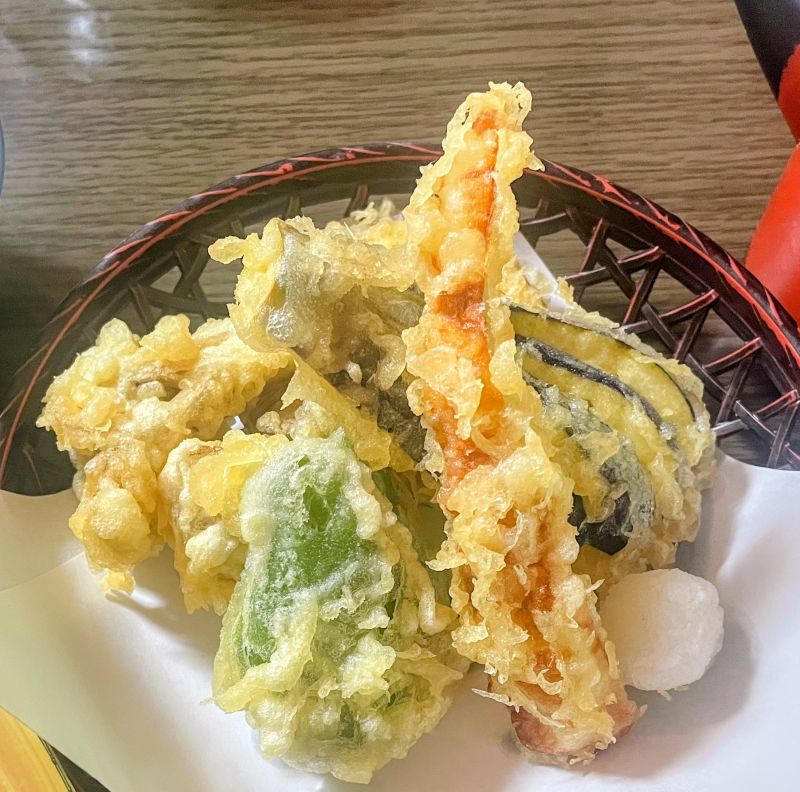
This small-batch, egg-free batter uses a 1:1 bread-flour-to-starch ratio adapted from the original Japanese home-cooking method. It is a starting formula rather than a guarantee of identical results with every flour brand. Measure by weight when possible, and adjust the liquid to suit the ingredients you are frying.
Ingredients and Measurements
- 50 g (1.8 oz) bread flour
- 50 g (1.8 oz) potato starch, also called katakuriko in Japan
- 120–150 ml (about 1/2–5/8 US cup) very cold water or plain sparkling water
- Optional: 2 teaspoons to 1 tablespoon (10–15 ml) mayonnaise, for a richer variation
- Shrimp, eggplant, sweet potato, mushrooms, or other tempura ingredients
- A little extra flour or starch for dusting
- Neutral oil suitable for deep-frying
Ordinary mayonnaise usually contains egg. The batter is egg-free as written only if you leave out regular mayonnaise or use a verified egg-free alternative. It is not gluten-free because it contains wheat flour.
Potato starch is different from potato flour. If potato starch is unavailable, cornstarch is a convenient substitute; the crust may feel slightly different. In British recipes, cornstarch is commonly called cornflour.
How to Make the Batter and Fry Tempura
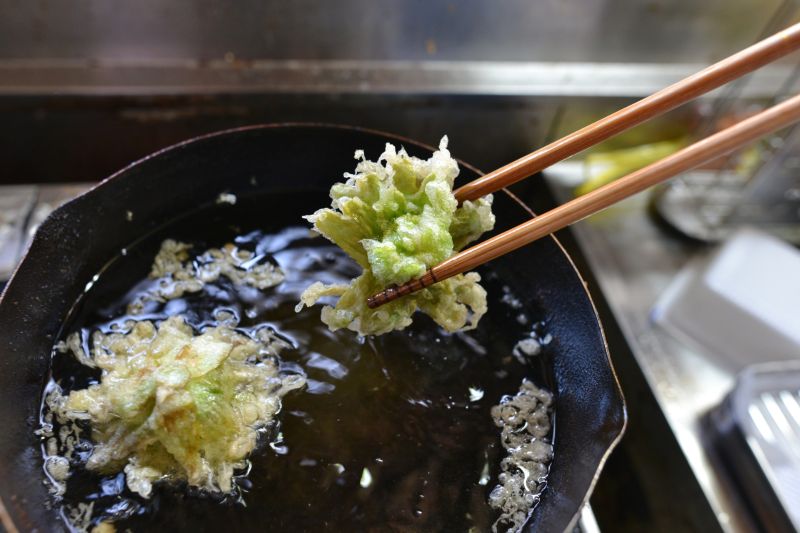
- Prepare the food first. Peel and devein shrimp if using. Slice dense vegetables thinly enough to cook through, clean the mushrooms, and thoroughly pat the surfaces dry.
- Set up the frying station. Place a wire rack over a tray and heat a suitable amount of oil in a deep, sturdy pot. Use a thermometer when possible. Aim for approximately 320–340°F (160–170°C) for many vegetables or 340–355°F (170–180°C) for shrimp and other quick-cooking ingredients.
- Combine the dry ingredients. Put the bread flour and potato starch in a bowl and briefly mix them together while still dry.
- Add the cold liquid. Start with about 120 ml (1/2 US cup) and add a little more only as needed. Stir lightly with chopsticks or a fork until the mixture just comes together. A few small lumps are fine. If using mayonnaise, blend it into the cold liquid first.
- Dust and dip. Lightly coat the prepared ingredients with flour or starch, shake off the excess, and dip them into the batter. You want a thin layer, not a thick blanket of flour.
- Fry in small batches. Carefully lower the coated food into the oil. Avoid crowding the pot, which can drop the oil temperature. Cook until the coating is crisp and the ingredient is cooked through, turning as needed.
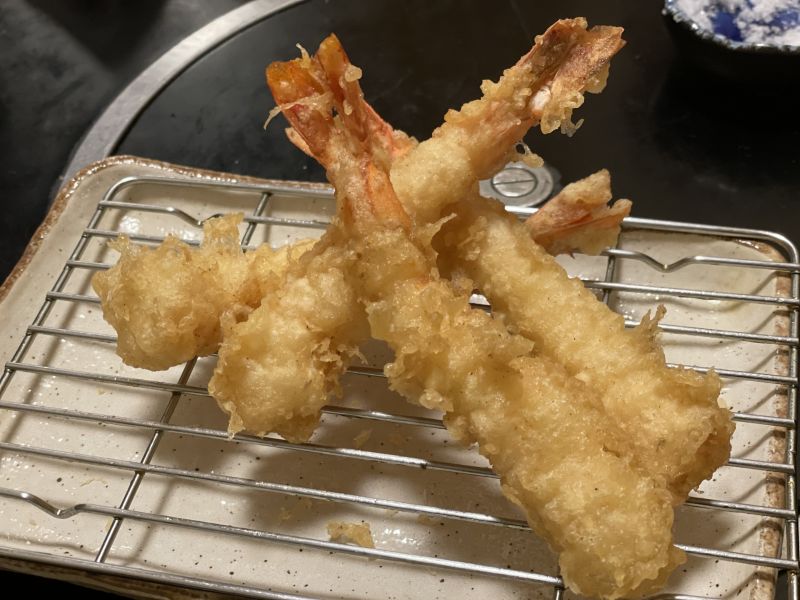
- Drain immediately. Transfer the finished tempura to the rack without stacking the pieces. Serve while hot for the lightest texture.
Tempura batter should be thinner and less uniform than American pancake batter. If it sits in thick ridges on the food, add a splash of cold water. If it slides off without coating the surface, add a small amount of the flour-and-starch mixture instead of continuing to stir.
How to Adjust Bread Flour Tempura Batter
Potato Starch, Cornstarch, and Rice Flour
In Japanese kitchens, katakuriko is commonly sold as potato starch. Mixing it with bread flour reduces the share of gluten-forming wheat flour and can produce a crisper, less bready shell. Rice flour offers another option, particularly if you prefer a light, clean bite.
| Flour mixture by weight | What to expect | Best use |
|---|---|---|
| 100% bread flour | More substantial coating; greater risk of chewiness | A quick substitute when no starch is available |
| 50% bread flour + 50% potato starch | Crisper, more delicate than bread flour alone | First recipe to try for vegetables, shrimp, or kakiage |
| 50% bread flour + 50% cornstarch | Convenient alternative with a somewhat different crunch | When potato starch is difficult to find |
| 70% bread flour + 30% rice flour | Less wheat-gluten potential while retaining some structure | When you want to experiment with a lighter crust |
These are practical starting blends, not fixed rules. Different starches absorb water differently, so add the liquid gradually. Too much starch can make a coating brittle or less able to cling to the food.
Sparkling Water and Mayonnaise
Plain, unsweetened sparkling water can help produce a delicate coating. Use it cold and stir gently so you do not immediately knock out most of the bubbles. It is optional: cold still water can also make good tempura, and careful mixing matters more than buying a special drink.
Mayonnaise is another optional variation mentioned in Japanese home-cooking recipes. A small amount adds fat and richness, but it is not essential for crispness and may change the flavor. If you try it, start with 2 teaspoons for the 100 g flour-and-starch mixture, then adjust to taste. Do not describe a batter made with regular mayonnaise as egg-free; most standard products contain egg.
Frying Tips That Prevent Soggy Tempura
Dry and Lightly Dust the Ingredients
Moisture on the surface of shrimp, eggplant, or mushrooms can make the coating slip off and can cause hot oil to spatter. Pat the ingredients dry before coating them. A very thin dusting of bread flour or starch gives the batter something to grip. Tap away any excess so the crust does not become powdery or thick.
Complete all cutting, cleaning, and dusting before mixing the batter. That way, the batter goes straight from the bowl to the hot oil instead of waiting on the counter.
Keep the Oil at the Right Temperature
Oil that is too cool can leave the coating greasy and slow to crisp. Oil that is too hot may brown the outside before a thick piece of vegetable cooks through. The following temperatures are useful starting points, not universal settings:
| Oil temperature | Ingredients to try | What to watch |
|---|---|---|
| 300–320°F (150–160°C) | Thinly sliced sweet potato or squash | Allow enough time for the center to soften |
| 320–340°F (160–170°C) | Eggplant, onion, and small kakiage fritters | Keep batches small to maintain the temperature |
| 340–355°F (170–180°C) | Shrimp, delicate leaves, and some mushrooms | Watch closely because thin coatings cook quickly |
Use a kitchen thermometer for more reliable results than judging temperature from bubbling alone. Fry in small batches, let the oil recover between batches, and never fill a frying pot to the brim with oil. Keep water away from hot oil, lower the food carefully, and make sure seafood is fully cooked before serving.
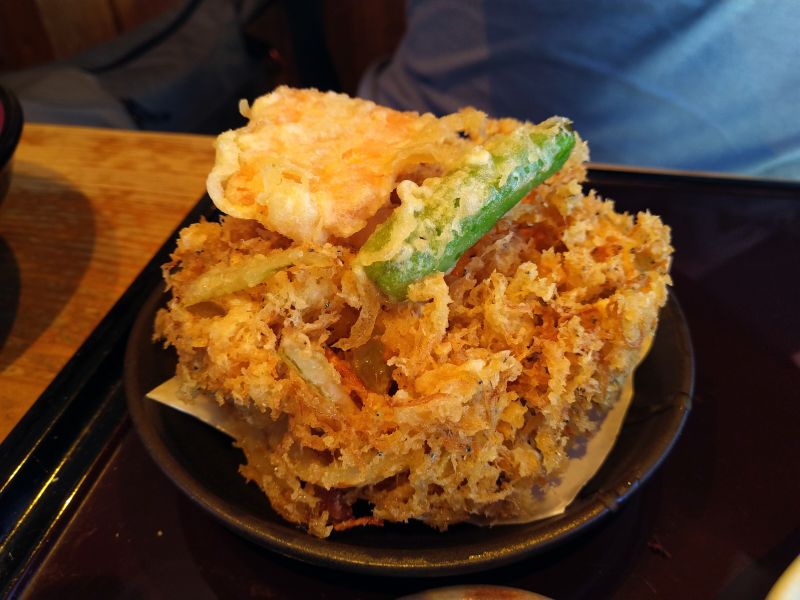
How to Make Crispy Kakiage
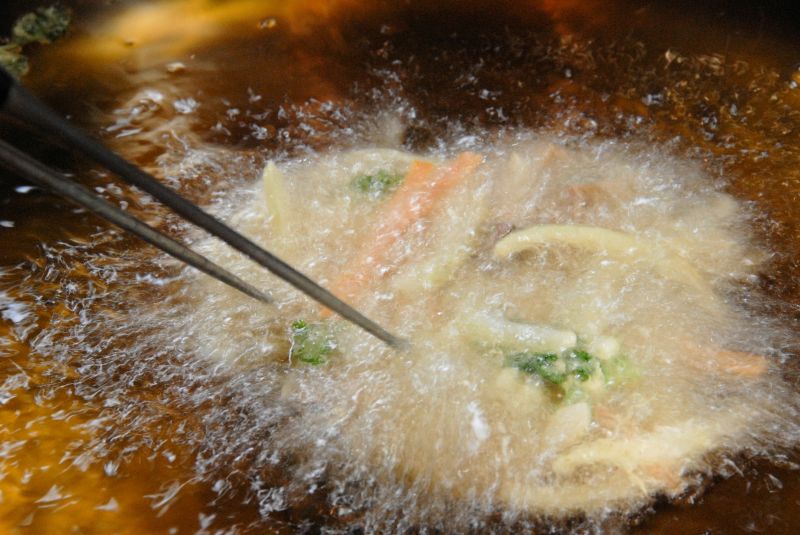
Kakiage is a Japanese tempura fritter made from thinly sliced vegetables, sometimes with small shrimp. It works well with a bread-flour blend because the wheat flour helps hold the pieces together. The challenge is avoiding a dense, damp center.
- Slice onion and carrot into thin, fairly even strips. Add other ingredients, such as shrimp or mitsuba (Japanese parsley), if desired.
- Dry the ingredients, then dust them lightly with flour.
- Add just enough cold batter to coat and loosely bind the pieces. Do not pour in all the batter by default.
- Lower small, loosely shaped portions into oil around 320–340°F (160–170°C).
- Let each fritter set before moving it. Once firm enough, you can gently create a small opening through a thick center with chopsticks to help the interior cook more evenly.
- Fry until crisp and cooked through, then drain on a rack.
Smaller, thinner fritters are easier to cook evenly than large, tightly packed ones. If a fritter falls apart, use slightly more batter next time rather than stirring the whole bowl until it becomes gluey.
Troubleshooting Bread Flour Tempura
| Problem | Likely cause | What to change next time |
|---|---|---|
| Thick, chewy coating | Too much mixing or a high proportion of bread flour | Use the starch blend, stir less, and thin the batter slightly |
| Greasy or soggy tempura | Cool oil, crowded pot, or trapped steam | Fry smaller batches and drain on a wire rack |
| Batter slides off | Wet ingredients or overly thin batter | Pat dry, dust lightly, and adjust the consistency |
| Very hard or brittle crust | Too much starch or an overly thick coating | Return to a 1:1 blend and use a lighter coating |
| Kakiage is crisp outside but damp inside | Fritter is too large or tightly packed | Make smaller, looser portions and allow the center to cook |
When testing a new flour brand, change one thing at a time. Altering the starch, water, mixing, and oil temperature all at once makes it hard to tell what improved the crust.
How to Drain, Store, and Reheat Tempura
Freshly fried tempura loses crispness when steam becomes trapped underneath it. Move the pieces to a wire rack over a tray, keep them separate, and let air circulate around the coating. If possible, lean larger pieces slightly rather than piling them flat on paper towels.
For leftovers, refrigerate perishable tempura promptly—within two hours, or within one hour if the surrounding temperature is above 90°F (32°C). For a crisper exterior, use a preheated oven or air fryer rather than relying on a microwave alone. Reheat leftovers thoroughly to 165°F (74°C) internally. See the USDA’s leftovers safety guidance for storage precautions.
Reheating can improve the surface texture, but it cannot completely restore the delicate crunch of freshly fried tempura. If serving guests, frying close to mealtime is the better choice.
Frequently Asked Questions
Can I make tempura with 100% bread flour?
Yes, but the coating will usually be heavier and more prone to chewiness. Use very cold water, keep the batter relatively thin, mix minimally, and fry immediately. Adding starch gives you more room for error.
Is all-purpose flour better than bread flour for tempura?
Usually, yes. All-purpose flour generally has less gluten-forming protein than bread flour, while cake flour is lower still. Either can be easier to use for a light tempura coating.
Can I substitute cornstarch for Japanese katakuriko?
Yes. Katakuriko sold for modern Japanese cooking is generally potato starch, and cornstarch is a practical alternative. Start with the same weight, then adjust the water if needed. Expect some difference in crispness and texture.
Do I need sparkling water for crispy tempura?
No. Cold sparkling water is an option, not a requirement. Cold plain water, minimal mixing, a thin coating, and steady oil temperature can also produce crisp results.
Can bread flour tempura batter be made without eggs?
Yes. The basic bread flour, starch, and water mixture contains no eggs. Skip ordinary mayonnaise if you need the finished food to be egg-free, and check ingredient labels for any packaged additions. The recipe still contains wheat and is not gluten-free.
Can I prepare bread flour tempura batter ahead of time?
It is better to prepare the food ahead and mix the batter just before frying. Leaving a wheat-based batter to stand can change its texture and make a light, delicate coating harder to achieve.