Wondering what to serve with curry udon? A crisp cucumber salad, lightly pickled vegetables, or a small dish of chilled tofu are some of the best choices. Their fresh flavors and contrasting textures pair beautifully with the rich, savory curry broth.
If you want something more filling, grilled mackerel, chicken, eggs, or a small serving of rice can turn curry udon into a satisfying dinner.
In Japan, curry udon is often enjoyed as a comforting bowl of thick wheat noodles in a curry-flavored broth. The soup commonly combines Japanese curry with dashi, a savory stock that gives the dish its distinctive flavor. Because the noodles and broth are already quite hearty, the right side dish can make a noticeable difference.
Here are 30 Japanese-inspired side dishes and toppings, including refreshing salads, easy vegetables, protein-rich options, and a few regional Japanese favorites.
What Goes Well With Curry Udon?
The best side dish for curry udon depends on what you want from your meal.
If the curry broth is especially rich, something cool, crunchy, or lightly acidic provides a refreshing contrast. Cucumber salad, pickled vegetables, and daikon radish are excellent examples.
If your curry udon contains mostly noodles and broth, tofu, chicken, fish, or eggs can make the meal more substantial.
For a family dinner, sweet vegetables such as corn, potatoes, and Japanese pumpkin can be particularly appealing. Their mild flavors work well alongside curry without adding more heat.
Texture matters, too. Udon noodles are thick, soft, and pleasantly chewy. Adding crisp vegetables or crunchy fried ingredients keeps the meal from feeling too one-dimensional.
30 Side Dishes and Toppings for Curry Udon
Refreshing Salads and Pickles (1–8)
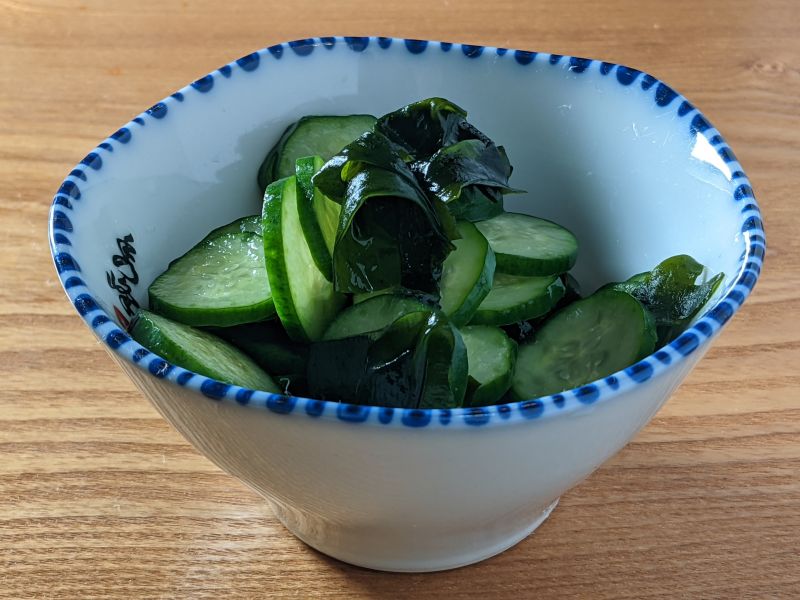
Light salads and pickled vegetables are particularly good with curry udon because their acidity, freshness, and crunch contrast with the rich broth.
| No. | Side Dish | Why It Works |
|---|---|---|
| 1 | Crunchy potato salad with shiso and ume | Finely shredded potatoes, Japanese pickled plum, and shiso create a refreshing combination with a surprising crunch. |
| 2 | Tomato and okra with ponzu | Juicy tomatoes and tender okra provide a cool contrast. Ponzu adds a light citrus-soy flavor. |
| 3 | Quick-pickled napa cabbage and myoga | Sweet-and-sour cabbage and aromatic Japanese ginger make a refreshing palate cleanser. |
| 4 | Cucumber and wakame sunomono | This classic Japanese vinegar salad is light, crunchy, and especially good alongside rich noodle dishes. |
| 5 | Daikon radish and tuna salad | Freshly shredded daikon provides crunch, while tuna adds a savory note. Canned scallops are another option. |
| 6 | Pea shoot sesame salad | Pea shoots dressed with sesame oil, a little garlic, and soy sauce bring fresh flavor and texture. |
| 7 | Spinach ohitashi | Lightly cooked spinach seasoned with dashi or soy sauce is a simple Japanese vegetable side. |
| 8 | Sesame burdock root (tataki gobo) | The firm texture of burdock and its lightly tangy sesame dressing provide a satisfying contrast to soft udon noodles. |
Best quick choice: Cucumber and wakame sunomono is one of the easiest ways to brighten a curry udon meal. Thinly slice a cucumber, mix it with rehydrated wakame, and dress it lightly with rice vinegar, a little sugar, and soy sauce.
If you cannot find wakame, a simple cucumber salad with rice vinegar and sesame seeds works well, too.
Vegetable Sides and Small Plates (9–15)
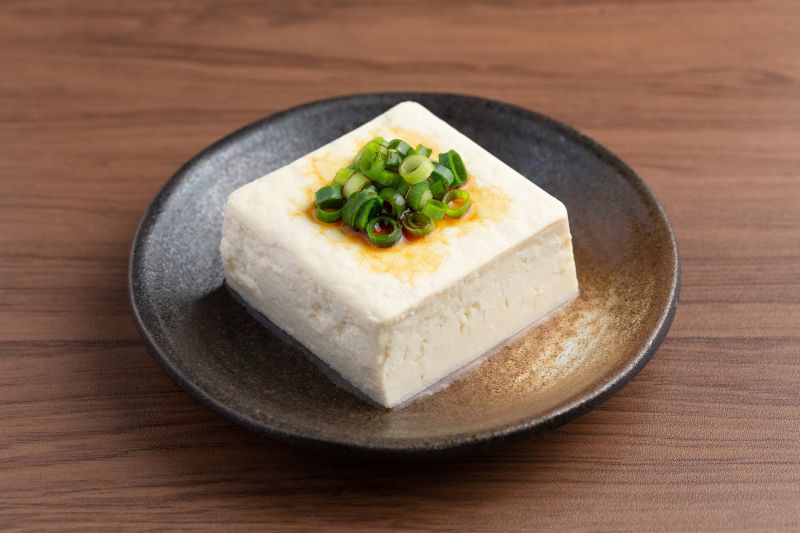
Vegetables can add color and variety to a bowl of curry udon. Some are light and refreshing, while others bring additional richness or a crispy texture.
| No. | Side Dish | Why It Works |
|---|---|---|
| 9 | Chilled tofu (hiyayakko) | Cool silken tofu with scallions, shiso, or a little soy sauce provides a mild contrast to the curry. |
| 10 | Fried avocado in dashi | Lightly fried avocado briefly steeped in seasoned dashi has a soft, creamy texture that complements curry’s richness. |
| 11 | Garlic mushrooms and sweet potatoes | Sautéed mushrooms add savory flavor, while sweet potato provides a pleasant touch of sweetness. |
| 12 | Simmered kabocha squash | Japanese pumpkin gently simmered in a sweet-savory broth pairs well with curry’s spices. |
| 13 | Kabocha squash salad | Soft cooked kabocha with a light dressing makes a mild, comforting side dish. |
| 14 | Crispy lotus root chips | Thinly sliced and fried lotus root adds a delicate crunch to an otherwise soft noodle meal. |
| 15 | Burdock root chips | Thin, crispy slices of burdock offer an earthy flavor and a texture that contrasts with the curry broth. |
Chilled tofu is particularly useful on busy evenings. Simply drain a small portion of silken tofu, place it in a bowl, and add sliced scallions, grated ginger, or a small amount of soy sauce.
For a lighter flavor, try shiso and a little ponzu. For something bolder, use a small spoonful of kimchi.
Lotus root chips and burdock chips can be served separately or sprinkled over the noodles just before eating. Adding them at the last moment helps preserve their crispness.
Chicken, Fish, and Other Proteins (16–21)
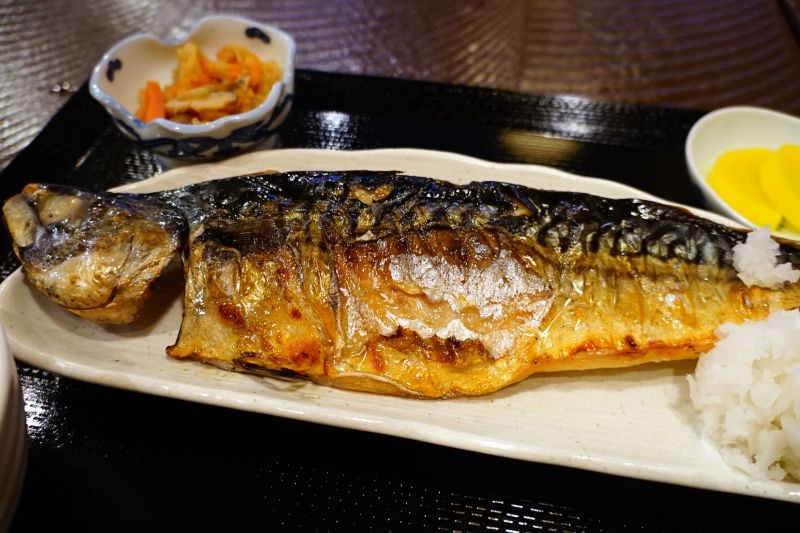
Some curry udon recipes already contain pork or chicken, while others have only a small amount of protein. If you want a more substantial meal, consider one of these Japanese-style side dishes.
| No. | Side Dish | Why It Works |
|---|---|---|
| 16 | Crispy chicken tenderloin strips | Lightly breaded chicken strips are easy to dip into the curry broth. A little Parmesan or dried parsley can be added to the coating. |
| 17 | Salt-grilled mackerel (saba shioyaki) | The savory, rich flavor and lightly charred surface of grilled mackerel stand up well to Japanese curry. |
| 18 | Crispy pan-fried sardines | Pan-fried sardines with lemon, vinegar, or mustard offer a satisfying combination of crispness and acidity. |
| 19 | Pork and nagaimo rolls with ume | Thin pork slices wrapped around Japanese mountain yam and seasoned with pickled plum offer savory and tangy flavors. |
| 20 | Japanese tofu hamburger steaks | Small patties made with ground meat and tofu have a tender texture and work especially well with curry sauce. |
| 21 | Shredded chicken and cucumber salad | Cooked chicken breast mixed with cucumber or bean sprouts and a light plum dressing provides protein without another heavy sauce. |
For a lighter protein option: Shredded chicken and cucumber salad is convenient because you can prepare it in advance using fully cooked chicken. Dress it with a little rice vinegar, sesame oil, or mashed umeboshi.
If you prefer fish, grilled mackerel is worth trying. Although grilled fish may seem like an unexpected partner for curry noodles outside Japan, the combination makes sense in a Japanese-style meal built around several small dishes.
Potatoes, Squash, and Rice (22–26)
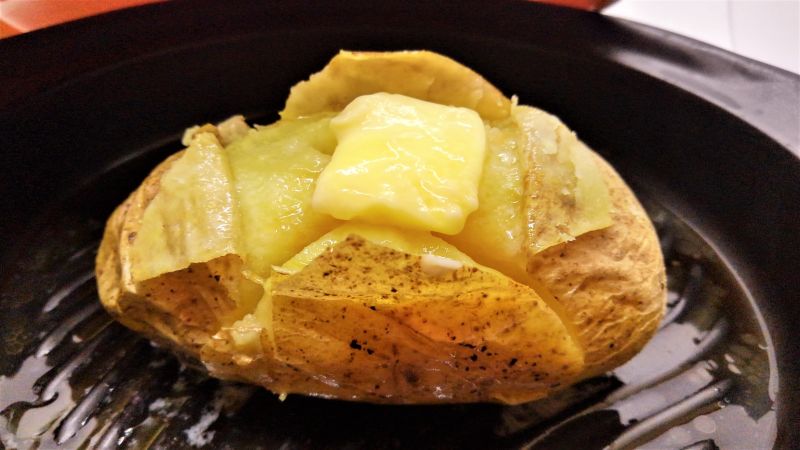
Sometimes a bowl of curry udon is not enough for a particularly hungry family member. A small potato dish or serving of rice can make dinner more substantial.
| No. | Side Dish | Why It Works |
|---|---|---|
| 22 | Buttered potatoes | Soft potatoes with a little butter provide a mild, familiar flavor that is especially appealing with spicy curry. |
| 23 | Crispy fried taro | Taro becomes crisp outside and creamy inside when fried, creating an enjoyable alternative to regular French fries. |
| 24 | Japanese sweet corn rice | Rice cooked with sweet corn provides gentle sweetness that contrasts with the savory curry broth. |
| 25 | Carrot, mushroom, and fried tofu rice | Japanese-style mixed rice seasoned with dashi and soy sauce adds vegetables and a savory flavor. |
| 26 | Sweet potato rice | Small pieces of sweet potato cooked with rice add natural sweetness and make the meal more filling. |
Serving rice alongside udon may seem unusual if you are not familiar with Japanese noodle meals. However, combining noodles and rice is not unheard of in Japan.
One particularly enjoyable way to eat curry udon is to save a little rice for the remaining curry broth after finishing the noodles. The rice absorbs the savory curry, creating a second, rice-based dish.
Keep the portion modest if the noodles already provide enough carbohydrates for your meal. Rice is an optional addition, not something every curry udon dinner needs.
Toppings for a More Satisfying Bowl (27–30)
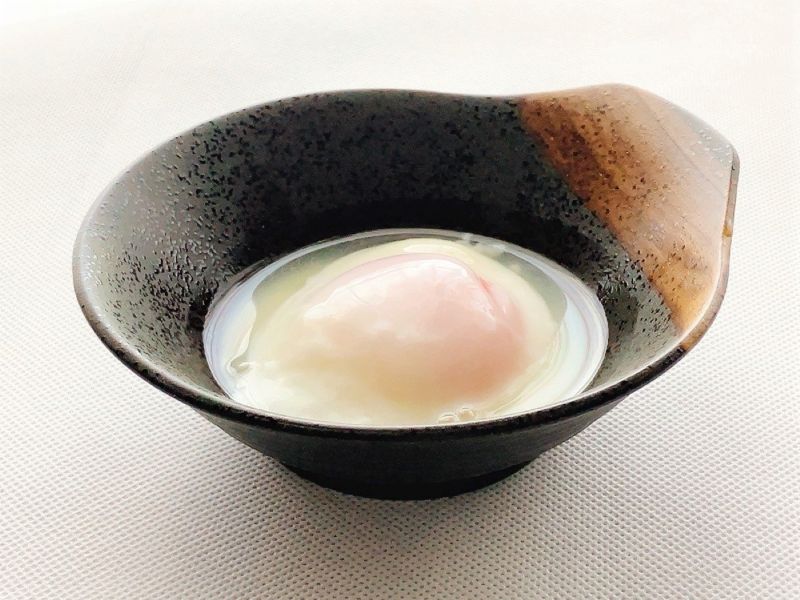
If you do not want to prepare a separate side dish, toppings are a convenient alternative. They can change the flavor and texture of curry udon without requiring another plate.
| No. | Topping | Why It Works |
|---|---|---|
| 27 | Onsen-style egg | A softly cooked egg gives the curry a creamy texture. Use a properly pasteurized egg product if the egg will remain undercooked. |
| 28 | Cooked quail eggs | Small quail eggs are easy to add and have a particular connection to Toyohashi-style curry udon. |
| 29 | Grated cheese | Parmesan or a little shredded melting cheese adds richness and helps soften the overall flavor of the curry. |
| 30 | Natto (fermented soybeans) | Natto adds a distinctive savory flavor and sticky texture that blends surprisingly well with thick curry broth. |
Eggs are especially popular with Japanese noodle dishes. An onsen tamago has a softly set texture, while a fully cooked egg offers a firmer alternative.
In Japan, some people also enjoy a raw egg placed directly into hot noodles, sometimes called a tsukimi-style preparation. However, heat from the noodles does not reliably cook a raw egg to a safe temperature. If you prefer a soft or raw-style egg, use a pasteurized product. Otherwise, choose a fully cooked egg.
For additional crunch, sprinkle a little tenkasu over the finished bowl. Tenkasu consists of small pieces of crispy tempura batter, commonly used as a topping for Japanese noodles. Add it just before eating if you want it to stay crisp.
Three Pairings That Feel Especially Japanese
Some of the most interesting curry udon pairings are not necessarily the most familiar to international readers. These three ideas offer a closer look at Japanese home cooking and regional food culture.
Crunchy Potato Salad With Ume and Shiso
Potatoes are usually associated with soft, creamy salads. In this Japanese-style variation, the potatoes are finely shredded and briefly cooked so they retain a pleasantly crisp texture.
The dressing uses umeboshi, a Japanese pickled plum with a strong salty-sour flavor. Shiso, an aromatic Japanese herb, adds a fresh fragrance.
To prepare a simple version:
- Peel a potato and cut it into very fine matchsticks.
- Rinse the shredded potato to remove excess surface starch.
- Briefly blanch the potato in boiling water until just cooked but still slightly crisp. Very thin shreds may take about a minute; adjust the time to their thickness.
- Drain and cool the potato promptly.
- Toss with a little mashed umeboshi, soy sauce, and thinly sliced shiso.
- Finish with a small amount of bonito flakes if desired.
The result is quite different from a conventional potato salad. Instead of a creamy dressing, you get a crisp, tangy side dish that contrasts with curry udon’s thick broth.
If umeboshi is unavailable, a little lemon juice and salt can provide some acidity, although the flavor will not be identical.
Why Grilled Mackerel Works With Curry Udon
Salt-grilled mackerel, known in Japan as saba shioyaki, is a familiar part of Japanese home cooking and set meals.
Mackerel has a relatively strong, savory flavor, which makes it a good match for boldly seasoned dishes. Grilling also creates a lightly crisp surface that contrasts with soft noodles.
Serve a small piece of cooked mackerel on a separate plate, with lemon or grated daikon if you like.
This combination is particularly appealing when the curry udon itself contains few substantial ingredients.
If you prefer a lighter-tasting fish, you can use a smaller portion or choose another fish that you enjoy grilled.
Toyohashi Curry Udon and Its Hidden Rice Layer
One of Japan’s most interesting regional variations comes from Toyohashi, a city in Aichi Prefecture.
Toyohashi curry udon is famous for its layered presentation. Instead of serving rice separately, the bowl contains rice and grated Japanese mountain yam, called tororo, underneath the curry udon.
The layers are arranged with rice at the bottom, tororo above it, and curry udon on top.
You begin by eating the curry noodles. Once they are finished, the rice and grated yam underneath become part of the remaining curry, giving you a second way to enjoy the same bowl.
Quail eggs are another recognizable feature of this regional dish. Toyohashi is known for its quail farming, and locally produced quail eggs play an important role in the city’s food culture.
The dish was introduced in 2010 as a regional specialty. You can learn more through the Toyohashi Tourism and Souvenir Guide.
At home, you can borrow the idea without recreating every traditional detail. Place a small serving of cooked rice and grated nagaimo in the bottom of a bowl, add the udon and curry broth, and enjoy the layers as you eat.
This is a particularly interesting option if you want to explore how Japanese regional dishes combine noodles, rice, and local ingredients.
Easy Curry Udon Dinner Combinations
Choosing a side dish becomes easier when you decide what kind of dinner you want. Here are four practical ways to build a meal around curry udon.
| Meal Style | Suggested Combination | Best For |
|---|---|---|
| Light dinner | Curry udon, cucumber and wakame sunomono, and chilled tofu | When you want a fresh contrast without another heavy dish |
| Quick weeknight dinner | Curry udon, spinach ohitashi, and ready-to-eat cooked chicken | Busy evenings when you need minimal additional cooking |
| Family-friendly dinner | Mild curry udon, simmered kabocha, and a small serving of sweet corn rice | Families who enjoy mild flavors and sweet vegetables |
| Hearty Japanese-style dinner | Curry udon, salt-grilled mackerel, and pickled napa cabbage | When you want a more substantial Japanese-style meal |
You do not need to prepare several elaborate side dishes. In many cases, one fresh vegetable dish and one protein-rich addition are enough.
If you are still preparing the noodles, you can also read our guide to cooking dried udon noodles in the microwave, which includes a Japanese curry udon variation.
Ingredient Substitutions Outside Japan
Some Japanese vegetables and seasonings are easy to find at Asian grocery stores but may be less familiar or less readily available in other countries.
You can still make many of these side dishes with ingredients from an ordinary supermarket.
| Japanese Ingredient | What It Is | Possible Alternative |
|---|---|---|
| Umeboshi | Salt-pickled Japanese plum with a sour flavor | Lemon juice with a little salt for acidity, although the taste is different |
| Shiso | A highly aromatic Japanese herb | A small amount of basil or mint for a different but fresh herbal note |
| Myoga | Japanese ginger flower buds with a distinctive aroma | Thinly sliced scallions with a little fresh ginger |
| Ponzu | Japanese citrus-seasoned soy sauce | Soy sauce mixed with fresh lemon or lime juice |
| Nagaimo | Japanese mountain yam with a slippery texture when grated | For pork rolls, try asparagus instead; it will not reproduce tororo’s texture |
| Taro | A starchy root vegetable with a creamy cooked texture | Regular potatoes for a different but similarly comforting side dish |
| Abura-age | Thin sheets of Japanese fried tofu | Plain firm tofu, lightly pan-fried and diced |
These alternatives will not produce exactly the same flavors or textures, but they can help you enjoy the basic combination without hunting for every specialty ingredient.
If you can find the original Japanese ingredients, they are worth trying, especially umeboshi, shiso, and ponzu. Their distinctive flavors are part of what makes many Japanese side dishes interesting.
How to Make Curry Udon a More Balanced Meal
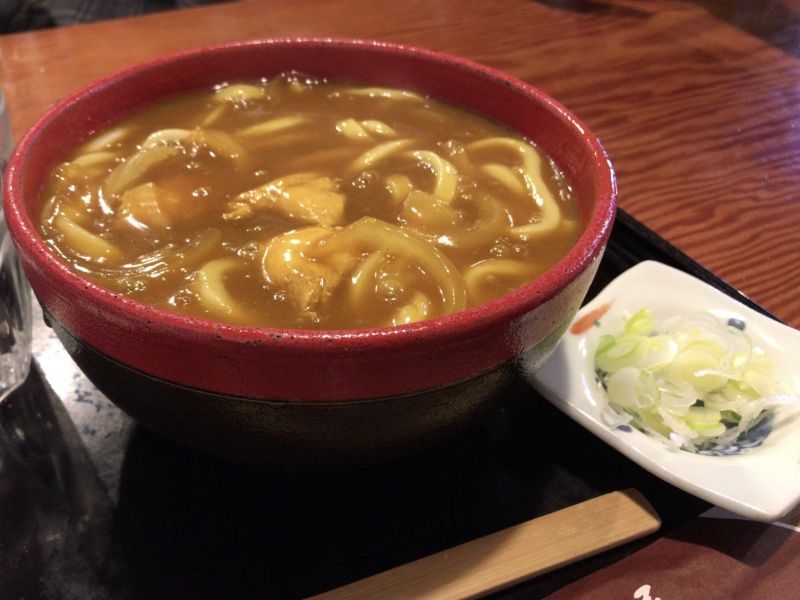
Curry udon can be a satisfying meal on its own, but its nutritional balance depends on the noodles, broth, protein, vegetables, and portion sizes used.
If the bowl is mostly udon noodles and curry sauce, adding vegetables and a protein source can provide more variety.
For a lighter bowl, try adding finely shredded cabbage beneath the noodles. The cabbage softens slightly in the hot broth while retaining some texture. You can also use a smaller serving of udon and increase the amount of vegetables.
Mushrooms, bean sprouts, spinach, and tofu are other ingredients that can make the bowl more substantial without automatically requiring another serving of rice or fried food.
If you enjoy croquettes, a homemade potato croquette with some of the potato replaced by firm tofu is another option. Keep in mind that frying still adds oil, so the cooking method and portion size matter.
Konjac-based noodles can also replace part of the udon for people who prefer a smaller portion of wheat noodles, although their flavor and texture are noticeably different.
Be mindful of the broth: Japanese curry roux and seasoned dashi can both contribute sodium to the finished dish. If sodium intake is a concern, consider the seasoning used and how much broth you drink.
Vegetables such as spinach and potatoes provide potassium, which plays a role in blood pressure regulation. However, potassium-rich foods do not simply cancel out a high-sodium meal. People with kidney disease or taking certain medications may also need to monitor potassium intake. The American Heart Association explains the relationship between potassium and sodium.
One additional ingredient note concerns hijiki, a seaweed traditionally used in Japanese mixed rice. Some food-safety authorities, including the Canadian Food Inspection Agency, advise avoiding hijiki because it can contain relatively high levels of inorganic arsenic. For the mixed rice suggested above, carrots, mushrooms, and fried tofu offer a straightforward alternative. See the Canadian Food Inspection Agency’s guidance.
Frequently Asked Questions
What is the best quick side dish for curry udon?
A simple cucumber salad with rice vinegar is an excellent choice. It requires very little preparation and provides a refreshing contrast to the rich curry broth. Chilled tofu with scallions is another convenient option.
Do Japanese people eat rice with curry udon?
Yes, rice is sometimes served with curry udon, although it is not required. One famous example is Toyohashi curry udon, which has rice and grated mountain yam hidden beneath the curry noodles.
What protein goes well with curry udon?
Grilled mackerel, cooked chicken, tofu, and eggs all work well. Choose a lighter protein if the curry already contains fatty meat, or a more substantial side dish if the noodles contain very little protein.
How can I make curry udon more kid-friendly?
Start with a mild Japanese curry roux and adjust the seasoning before serving. Cooked corn, kabocha squash, cheese, or a fully cooked egg can make the meal more appealing to children who prefer milder flavors.
What can I use instead of ponzu or umeboshi?
For ponzu, try a small amount of soy sauce mixed with lemon or lime juice. Umeboshi has a distinctive salty-sour flavor, but lemon juice and a pinch of salt can provide a simpler tangy alternative.
Is it safe to put a soft-boiled egg on curry udon?
A soft-boiled or lightly cooked egg may still be undercooked. For a safer option, use a fully cooked egg. If you want an egg with a runny or lightly cooked texture, choose a pasteurized product. The U.S. Food and Drug Administration provides guidance on egg safety.