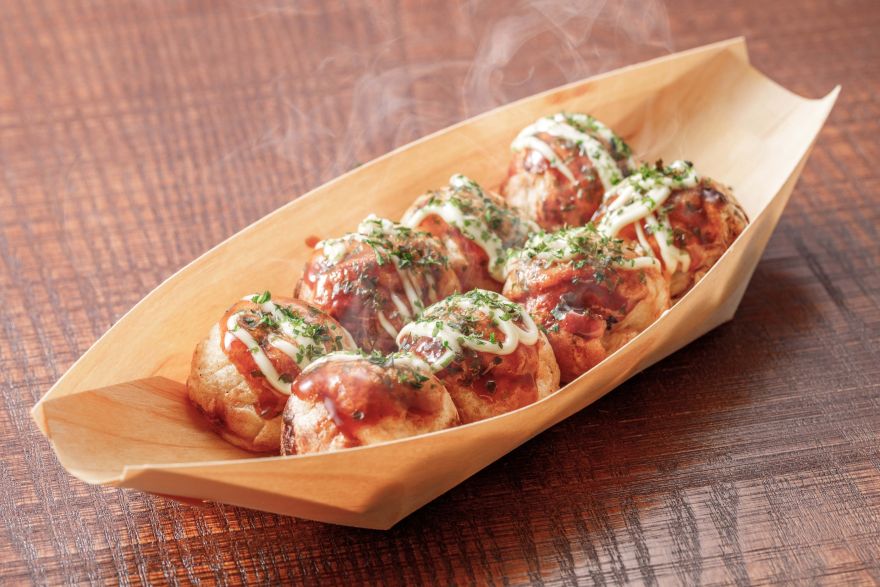
Takoyaki is usually served with a thick, sweet-savory sauce and Japanese mayonnaise. But what if you want something different? Fortunately, there are plenty of delicious ways to enjoy these Japanese octopus balls without the usual brown sauce.
Some of the best takoyaki toppings are surprisingly simple. Ponzu adds a refreshing citrus flavor, salt brings out the savory dashi in the batter, and warm dipping broth creates an entirely different eating experience. If you prefer something richer, try melted cheese, mentaiko mayo, or a spicy gochujang glaze.
In Osaka, the city most closely associated with takoyaki, some specialty shops even encourage customers to eat their takoyaki without any sauce at all. Here are 10 topping ideas inspired by Japanese flavors, along with creative variations you can easily try at home.
10 Takoyaki Toppings to Try Instead of Sauce
Whether you’re making takoyaki from scratch, reheating frozen takoyaki, or planning a takoyaki party, these toppings offer different flavors without relying on traditional takoyaki sauce.
1. Ponzu with Scallions and Grated Daikon
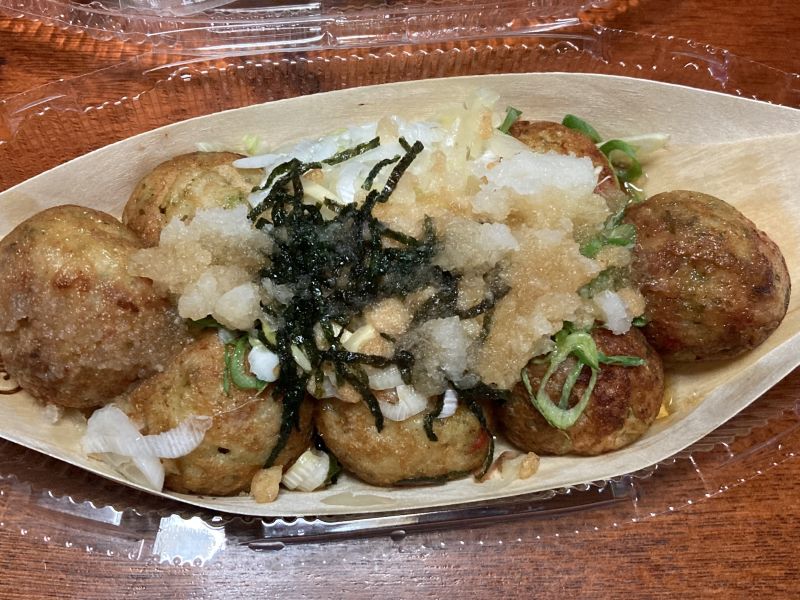
If you want a lighter alternative to takoyaki sauce, ponzu is one of the best places to start.
Ponzu shoyu is a Japanese citrus-seasoned soy sauce with a tangy, savory flavor. Unlike thick takoyaki sauce, which tends to be sweet and rich, ponzu adds a bright acidity that balances the savory batter.
For a classic Japanese-style combination, try:
- Ponzu sauce
- Finely chopped scallions (green onions)
- Freshly grated daikon radish
- A pinch of shichimi togarashi, if you like a little heat
Place a small spoonful of grated daikon on each takoyaki, scatter the scallions over the top, and finish with a little ponzu.
The daikon adds moisture and a mild peppery note, while the scallions provide freshness and a pleasant crunch.
You can also experiment with yuzu ponzu, which has a particularly fragrant Japanese citrus flavor. A little umeboshi paste (Japanese pickled plum) or yuzu kosho (a spicy citrus-chili paste) can add another layer of flavor.
Can’t find ponzu? Mix a little soy sauce with lemon or lime juice. It won’t taste exactly like Japanese ponzu, which may contain dashi and other seasonings, but it creates a similar citrus-and-soy combination.
2. Simple Salt
Sometimes the best way to appreciate takoyaki is to keep the seasoning minimal.
Traditional takoyaki batter often contains dashi, a Japanese stock commonly made with kombu seaweed and bonito flakes. When the batter is already well seasoned, a small pinch of salt can highlight its savory flavor without covering it up.
Try sprinkling freshly cooked takoyaki with:
- Fine sea salt
- Flaky salt
- A small amount of herb salt
- Salt with a squeeze of fresh lemon
Start with just a tiny amount. Some prepared takoyaki mixes already contain enough salt and seasoning, so adding too much can overwhelm the delicate flavor.
Salt works especially well with freshly made takoyaki that has a flavorful dashi-based batter.
For the simplest tasting experience, eat one takoyaki completely plain before adding salt. This lets you compare the natural flavor of the batter with the seasoned version.
3. Garlic-Sesame Salt Sauce
If plain salt feels too simple, try a savory Japanese-style salt sauce, sometimes called shio dare.
This variation combines salt with sesame oil, garlic, and other seasonings to create a more aromatic topping.
Easy garlic-sesame salt sauce:
- 2 teaspoons toasted sesame oil
- A small pinch of salt
- 1/4 teaspoon finely grated garlic
- Freshly ground black pepper
- 1 tablespoon finely chopped scallions
- A pinch of ground or toasted sesame seeds, optional
Mix the ingredients in a small bowl. Spoon a little over freshly cooked takoyaki and adjust the seasoning to taste.
The toasted sesame oil adds a nutty aroma, while the garlic and black pepper give the topping a stronger savory kick.
For a negi-shio variation, add extra scallions. Negi means green onion in Japanese, and the combination of green onion and salty seasoning is common in Japanese savory dishes.
This topping is particularly good when you want something richer than plain salt but less sweet than traditional takoyaki sauce.
4. Soy Sauce with Wasabi or Ginger
Soy sauce is another easy alternative that complements the savory flavor of octopus and dashi.
You can use a few drops of regular Japanese soy sauce or experiment with different additions.
- Wasabi soy sauce: Mix a small amount of wasabi into soy sauce for a sharp, clean flavor.
- Ginger soy sauce: Add freshly grated ginger for a fragrant, slightly spicy finish.
- Dashi soy sauce: Use a soy-based seasoning containing dashi for extra savory depth.
- Sweet soy glaze: Combine soy sauce with a little sugar for a sweet-salty variation.
Use soy sauce sparingly, especially if the takoyaki batter is already seasoned.
Rather than pouring soy sauce over the entire serving, try putting a small amount in a dipping dish. This helps prevent the takoyaki from becoming too wet or salty.
Wasabi and ginger are particularly useful when you want the octopus flavor to remain noticeable instead of being covered by a rich topping.
5. Warm Dashi Dipping Broth (Akashiyaki-Style)
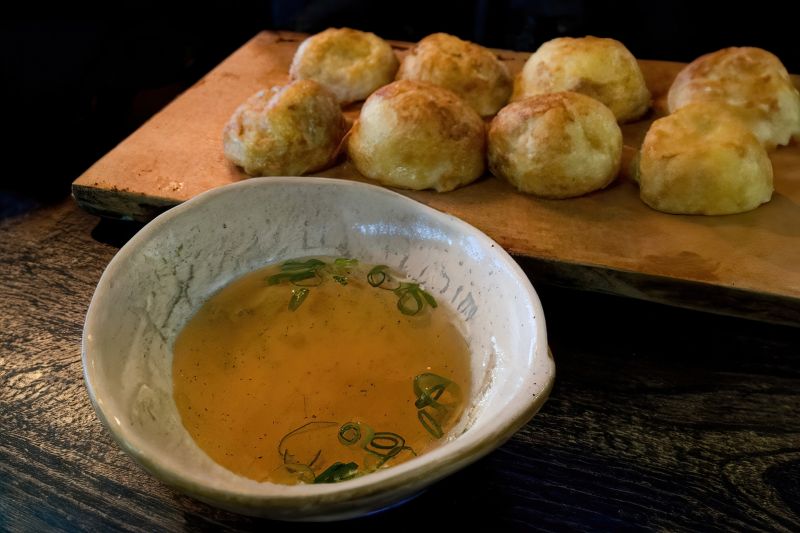
One of the most interesting ways to eat takoyaki without sauce is to dip it into warm Japanese broth.
This serving method is inspired by akashiyaki, a regional specialty from Akashi in Hyogo Prefecture, near Kobe.
Akashiyaki looks similar to takoyaki, but it is a different dish. Its batter generally contains more egg and uses wheat starch, producing a particularly soft, delicate texture. It is traditionally served with dipping broth rather than thick sauce.
According to the Akashi Tourism Association, akashiyaki is also known locally as tamagoyaki and is commonly enjoyed with dashi.
You can borrow this serving style for ordinary takoyaki.
How to make an easy dipping broth:
- Prepare about 1/2 cup (120 ml) of warm, lightly seasoned dashi.
- Alternatively, dilute concentrated mentsuyu or shirodashi with hot water according to the package instructions.
- Add a few chopped scallions or mitsuba (Japanese parsley), if available.
- Dip each takoyaki briefly into the broth before eating.
Mentsuyu is a Japanese noodle dipping sauce made with ingredients such as soy sauce, dashi, and mirin. Shirodashi is a concentrated, usually light-colored Japanese soup base. Both can be found at many Japanese grocery stores.
If neither is available, you can prepare a simple dashi broth and season it lightly with soy sauce.
Important: Takoyaki dipped in dashi is not authentic akashiyaki. The two dishes have different batters and textures. This is simply an easy way to enjoy takoyaki in an akashiyaki-inspired style.
Because the broth softens the surface, dip each piece just before eating instead of leaving the takoyaki soaking.
6. Japanese Mayonnaise
Mayonnaise is usually paired with takoyaki sauce, but it also works surprisingly well on its own.
Japanese mayonnaise tends to have a rich, tangy flavor and a smooth consistency, making it an excellent match for savory takoyaki.
Drizzle a small amount over freshly cooked takoyaki and add your favorite finishing toppings.
- Aonori (dried green seaweed flakes)
- Katsuobushi (thinly shaved dried bonito)
- Chopped scallions
- Shichimi togarashi (Japanese seven-spice seasoning)
- Japanese hot mustard (karashi)
For something slightly spicy, combine mayonnaise with a pinch of shichimi togarashi.
You can also make a mustard-mayo topping by mixing Japanese mayonnaise with a very small amount of karashi.
If Japanese mayonnaise isn’t available, regular mayonnaise works too. The flavor will be different, but it still creates a creamy, rich topping.
Because mayonnaise is rich, start with a small drizzle and add more only if needed.
7. Melted Cheese and Black Pepper
Cheese may not be the first topping that comes to mind for takoyaki, but it works particularly well if you enjoy rich, savory flavors.
The simplest version uses shredded melting cheese, such as mozzarella or a mozzarella-cheddar blend.
How to make cheesy takoyaki:
- Place freshly cooked takoyaki in a small oven-safe dish.
- Sprinkle a little shredded cheese over the top.
- Heat in a toaster oven or under a broiler until the cheese melts, watching carefully to prevent burning.
- Finish with freshly ground black pepper.
The cheese adds richness while the black pepper provides a sharp contrast.
For a different flavor, add a few drops of hot sauce or a tiny drizzle of honey after the cheese melts.
The honey variation creates an interesting sweet-salty combination, especially when using a flavorful cheese.
If the takoyaki is already hot, you may be able to melt the cheese using the residual heat. This avoids unnecessary reheating.
8. Mentaiko Mayo
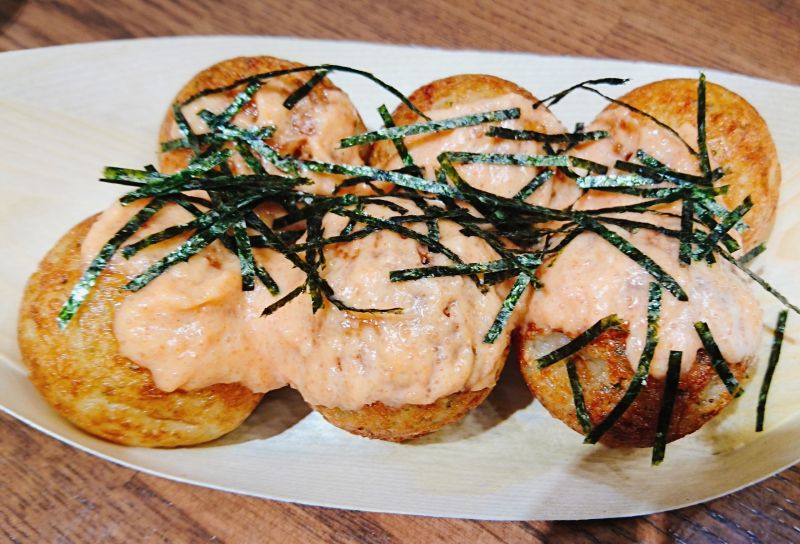
Mentaiko mayo is a popular Japanese-style topping that combines the savory flavor of spicy fish roe with creamy mayonnaise.
Mentaiko is seasoned pollock or cod roe, often flavored with chili pepper. It has a salty, umami-rich taste and a gentle to noticeable spiciness, depending on the product.
To make a simple mentaiko mayo topping, combine:
- 1 tablespoon mentaiko, removed from its membrane
- 1 tablespoon Japanese mayonnaise
Mix until smooth, then spoon a little over hot takoyaki.
For extra flavor, add:
- Thin strips of nori seaweed
- Finely chopped shiso leaves
- Chopped scallions
Shiso is an aromatic Japanese herb with a distinctive fresh flavor. It balances the richness of the mayonnaise and fish roe.
You can find mentaiko at some Japanese grocery stores, usually in refrigerated or frozen sections.
In places where mentaiko is difficult to find, spicy mayonnaise made with a little sriracha is an easy alternative. It won’t reproduce the characteristic seafood umami of mentaiko, but it offers a creamy and spicy topping.
Remember that mentaiko contains fish roe, so check for allergies and dietary restrictions before serving it to guests.
9. Gochujang and Sesame Oil
For a sweet, spicy, and savory twist, try a Korean-inspired gochujang glaze.
Gochujang is a Korean fermented chili paste with a distinctive combination of sweetness, saltiness, and heat.
Its strong flavor pairs surprisingly well with takoyaki, especially when combined with toasted sesame oil.
Sweet and spicy gochujang glaze:
- 2 tablespoons gochujang
- 1 tablespoon honey or sugar
- 1 tablespoon toasted sesame oil
- 1 teaspoon soy sauce
Mix everything until smooth. If the sauce is too thick, stir in a little water.
Drizzle lightly over hot takoyaki, then finish with sesame seeds or crushed Korean roasted seaweed.
If you prefer a milder flavor, reduce the gochujang and add a little more mayonnaise or honey.
For a richer version, combine the glaze with melted cheese. The result is a Korean-inspired fusion topping rather than a traditional Japanese way of serving takoyaki.
Because gochujang brands vary in heat and sweetness, taste the glaze before adding it to the takoyaki.
10. Sweet or Tangy Miso Sauce
Miso is another Japanese ingredient that can transform the flavor of takoyaki.
Made from fermented soybeans and often grains such as rice or barley, miso has a rich, savory taste. Different varieties range from relatively mild and sweet to deeply salty and robust.
Two styles are worth trying.
Sweet miso glaze:
Mix miso with a little sugar, mirin, and water. Warm the mixture gently in a small saucepan, stirring until smooth and slightly thickened.
This creates a glaze inspired by dengaku miso, a sweet miso-based sauce traditionally used with foods such as tofu and eggplant.
Try it with a sprinkle of sesame seeds or a little finely grated yuzu zest.
Mustard-vinegar miso sauce:
For a sharper flavor, combine miso with a little rice vinegar, sugar, and Japanese hot mustard.
This variation is inspired by karashi sumiso, a traditional Japanese mustard-miso dressing with a sweet, tangy flavor.
It pairs especially well with mild takoyaki or versions containing vegetables and konjac.
Start with small amounts of miso and mustard because both can have strong flavors. The goal is to complement the takoyaki, not completely cover the taste of the batter.
More Unusual Takoyaki Topping Ideas
Once you’ve tried the more familiar Japanese combinations, there are plenty of other toppings worth experimenting with.
Some can be made with ingredients already in your kitchen, while others are easy to find at Asian grocery stores.
| Topping | Flavor and Serving Idea |
|---|---|
| Chili crisp | Spicy, crunchy, and garlicky. Add a small spoonful with chopped scallions. |
| Roasted sesame dressing | Creamy and nutty. Drizzle lightly and finish with chopped shiso or scallions. |
| Sweet chili sauce | Sweet, mildly spicy, and tangy. Try it alone or mixed with mayonnaise. |
| Tartar sauce | Rich and creamy with bits of onion and pickles. A fun alternative to plain mayonnaise. |
| Ketchup | Sweet and tangy. Especially good with takoyaki-style balls filled with cheese, corn, or cooked sausage instead of octopus. |
| Thickened dashi or savory gravy | Warm and comforting. Spoon a lightly thickened Japanese or Chinese-style savory sauce over the takoyaki. |
For a simple Japanese-style thickened sauce, warm a little dashi or seasoned broth and add a small amount of potato starch or cornstarch slurry while stirring until it thickens.
This creates an ankake-style topping that coats the takoyaki rather than running off immediately.
Chili crisp, sweet chili sauce, and sesame dressing are especially convenient for takoyaki parties because they require almost no preparation.
How Osaka Shops Serve Takoyaki Without Sauce

Takoyaki is strongly associated with Osaka, and the city’s specialty shops demonstrate that the dish doesn’t always need traditional brown sauce.
Although sauce and mayonnaise are familiar toppings today, the history of takoyaki includes simpler versions that were eaten without sauce.
The Japanese Ministry of Agriculture, Forestry and Fisheries describes how early takoyaki was originally eaten plain, before the rich sauce-based style became widely established.
Takoyaki Served Plain
One well-known example is Aizuya, an Osaka takoyaki shop associated with the origins of modern takoyaki.
Aizuya’s original takoyaki is seasoned so that it can be enjoyed without adding sauce or mayonnaise. The idea is to appreciate the flavor of the batter and its savory dashi seasoning.
Another example is Abeno Takoyaki Yamachan. The shop is known for its flavorful batter, and its plain serving style is called “Best.”
These examples show why tasting takoyaki before adding sauce is worth trying, particularly when the batter is already well seasoned.
Ponzu, Salt, and Other Shop Specialties
Other Osaka shops offer alternative toppings that are easy to recreate at home.
- Kogaryu: Known for variations including negi-pon, which combines plenty of scallions with refreshing ponzu. Its menu also features a black pepper, salt, and mayonnaise option.
- Takoyaki Doraku Wanaka: Offers seasonings such as traditionally prepared salt, dashi soy sauce, and ponzu, allowing the flavor of the batter to remain noticeable.
- Abeno Takoyaki Yamachan: Its plain “Best” serving highlights the flavor of its carefully seasoned takoyaki batter.
Menus and available toppings can vary by location, so check each shop’s current offerings if you’re visiting Osaka.
When ordering takoyaki in Japan, you can also look for the words “shio” (salt), “ponzu,” “negi” (green onion), or “sono mama” (as-is, without additional seasoning).
These terms can help you find an alternative to the usual sauce-and-mayonnaise combination.
How to Set Up a Takoyaki Topping Bar
If you’re hosting a takoyaki party, serving several toppings separately is one of the easiest ways to let guests experiment with different flavors.
Rather than coating every takoyaki in the same sauce, prepare a few small dishes so everyone can choose their favorites.
- Cook the takoyaki first. Make a batch using your favorite recipe or prepare fully cooked frozen takoyaki according to the package instructions.
- Keep the toppings separate. Put ponzu, salt, mayonnaise, spicy sauce, and other condiments into small bowls.
- Prepare fresh garnishes. Offer chopped scallions, grated daikon, nori, sesame seeds, and bonito flakes.
- Start with small portions. Let guests season two or three takoyaki at a time so they can compare flavors without wasting food.
- Add wet toppings just before eating. Ponzu, broth, and other liquid sauces can soften the outside of takoyaki if left on too long.
For a balanced selection, offer at least one light topping, one rich topping, and one spicy topping.
For example, ponzu with scallions provides a refreshing option, mentaiko mayo adds richness, and gochujang glaze brings heat.
If you’re planning a larger gathering, our takoyaki party checklist covers the essential ingredients, equipment, and preparation tips.
Frozen takoyaki also works well for a topping tasting. For methods that help preserve the texture, see our guide to reheating takoyaki.
Finally, remember that freshly cooked takoyaki can be extremely hot inside. Let each piece cool slightly before taking a bite, especially when serving children.
Frequently Asked Questions
Can you eat takoyaki without any sauce?
Yes. Takoyaki can be eaten completely plain, especially when the batter contains flavorful dashi and enough seasoning. Some Osaka shops, including Aizuya, are known for serving takoyaki without sauce or mayonnaise.
What can I put on takoyaki if I don’t have Japanese sauces?
Try a little salt, lemon juice, regular mayonnaise, grated cheese, or a small amount of soy sauce. Chili crisp and sweet chili sauce are also convenient options. You don’t need specialty Japanese condiments to enjoy takoyaki in different ways.
Is dipping takoyaki in dashi the same as eating akashiyaki?
No. Akashiyaki is a separate Japanese dish with a softer, egg-rich batter that traditionally includes wheat starch. Dipping ordinary takoyaki in dashi is an akashiyaki-inspired serving method, not a substitute for authentic akashiyaki.
Can I use frozen takoyaki with these toppings?
Yes. Heat the frozen takoyaki thoroughly according to the package instructions, then add your chosen toppings immediately before serving. Keep liquid sauces separate until the last moment if you want to preserve the texture.
What is a good substitute for mentaiko mayo?
Mix regular or Japanese mayonnaise with a small amount of sriracha or another chili sauce. This creates a creamy, spicy topping, although it won’t have the distinctive seafood flavor of mentaiko. Add a little shredded nori for a more Japanese-style finish.