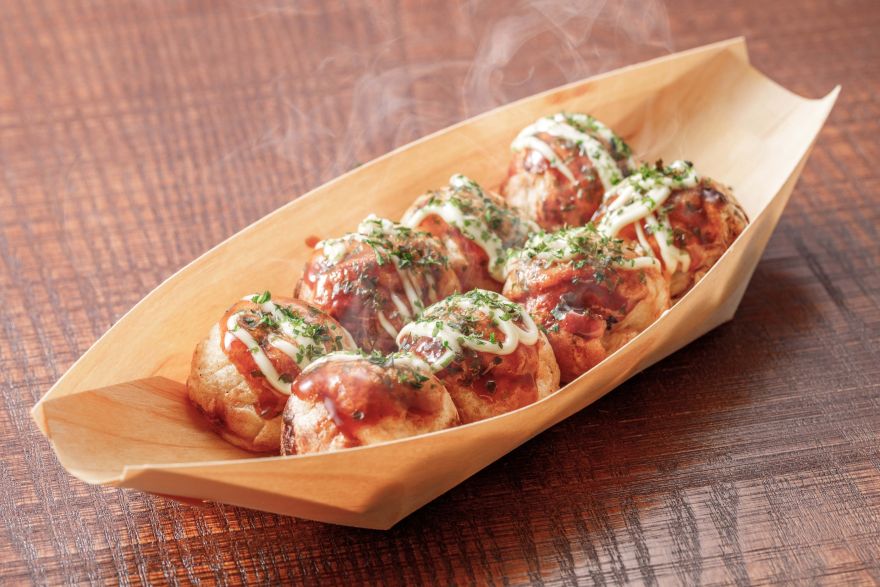
Wondering how to reheat takoyaki without turning it into a soggy mess? The best approach is to heat the center thoroughly while restoring the slightly crisp exterior. An air fryer, toaster oven, or lightly oiled frying pan can all work well. If you only have a microwave, a quick two-step method can make a big difference.
Takoyaki are Japanese octopus balls made from a savory batter, traditionally filled with pieces of octopus and cooked in a special round-molded pan. They’re especially popular in Osaka, where freshly cooked takoyaki are enjoyed as street food, snacks, and casual meals.
Depending on the cooking style, the outside can be lightly browned or distinctly crispy, while the inside stays soft and creamy. But after takoyaki cool down, the surface can become damp and the center may lose its appealing texture.
Whether you’re reheating takeout, homemade leftovers, or frozen takoyaki, the methods below will help you bring back as much of that freshly cooked texture as possible.
The Best Way to Reheat Takoyaki
For a crispy exterior and tender center, an air fryer or frying pan is an excellent choice. A toaster oven is another convenient option, especially if you don’t want to add more oil.
The microwave is the fastest method, but it usually produces softer results because it doesn’t brown the surface. For better texture, briefly warm the takoyaki in the microwave, then finish them in a toaster oven or skillet.
Here’s how the main reheating methods compare.
| Method | Approximate Time | Best For |
|---|---|---|
| Air fryer | 5–8 minutes | Crispy exterior with little added oil |
| Toaster oven | 5–8 minutes | Convenient browning |
| Conventional oven | 8–12 minutes | Reheating larger batches |
| Frying pan | 5–8 minutes | Golden, lightly crisped surfaces |
| Microwave | Short 20–30-second intervals | Quick heating without crisping |
| Grill or broiler | 3–5 minutes after prewarming | Fast surface browning |
These are starting estimates for previously cooked, refrigerated takoyaki, not guaranteed cooking times. The exact time depends on the size, number of pieces, starting temperature, and appliance. Reheat leftovers thoroughly to an internal temperature of 165°F (74°C), checking with a food thermometer.
How to Reheat Takoyaki Using Different Appliances
How to Reheat Takoyaki in an Air Fryer
An air fryer is one of the easiest ways to make leftover takoyaki crispy again. The circulating hot air helps remove surface moisture and brown the outside without requiring much additional oil.
- Preheat your air fryer to approximately 350°F (175°C), if your model recommends preheating.
- Place the takoyaki in a single layer in the basket, leaving a little space between each piece.
- Heat for approximately 5–8 minutes, turning or shaking the basket halfway through.
- Check that the centers have reached 165°F (74°C). Continue heating if necessary.
- Transfer to a plate and add the sauce and toppings just before serving.
For takoyaki that are already slightly oily, you generally won’t need extra oil. If the surface looks particularly dry, a very light coating of neutral cooking oil can help with browning.
Don’t overcrowd the basket. When the pieces are packed tightly together, circulating air has a harder time reaching their surfaces.
Keep an eye on the takoyaki toward the end. A small batch may brown more quickly than expected, and prolonged heating can make the centers dry or chewy.
How to Reheat Takoyaki in a Toaster Oven
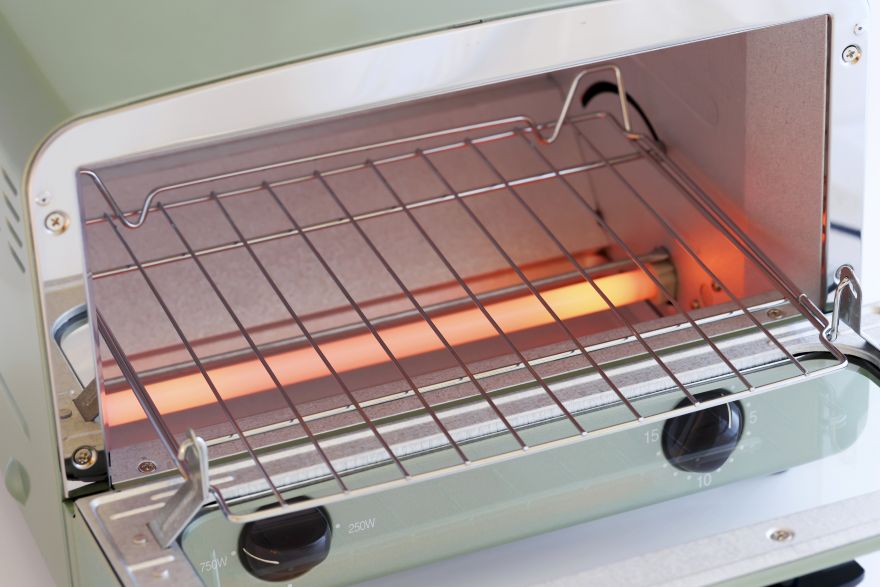
A toaster oven is an especially useful appliance for restoring the outside of takoyaki. It’s also a practical alternative for anyone who doesn’t own an air fryer.
- Preheat the toaster oven to approximately 350–375°F (175–190°C), if it has adjustable temperature settings.
- Arrange the takoyaki on a small oven-safe tray or foil prepared according to your appliance’s instructions.
- Leave enough room between the pieces for hot air to circulate.
- Heat for approximately 5–8 minutes, turning once if needed.
- Check the centers and continue heating until thoroughly reheated.
If your toaster oven is particularly powerful, begin checking after about 3–5 minutes. Some models brown the outside much faster than others.
A loosely crumpled and reopened piece of aluminum foil can help reduce sticking, provided foil use is permitted by your appliance manufacturer. Keep foil away from heating elements and never block required ventilation.
For especially thick takoyaki, warming them briefly in the microwave before using the toaster oven can help prevent the outside from becoming too dark before the center is hot.
How to Reheat Takoyaki in a Conventional Oven
A conventional oven is a good choice when you’re reheating a larger batch of takoyaki. It provides relatively even heating and allows you to arrange several servings on a single baking sheet.
- Preheat the oven to 375°F (190°C).
- Line a baking sheet with oven-safe parchment paper, or use a lightly oiled baking tray.
- Arrange the takoyaki in a single layer with space between them.
- Heat for approximately 8–12 minutes, turning them halfway through if necessary.
- Check the internal temperature and continue heating until the centers reach 165°F (74°C).
The oven should gently dry the surface while heating the filling. The result may not be quite as crisp as a well-controlled frying pan, but it’s an excellent option when you’re preparing several portions at once.
If the outside is already nicely browned, avoid leaving the takoyaki in the oven longer than necessary. Excessive heat can drive moisture out of the batter and make the center less tender.
How to Reheat Takoyaki in a Frying Pan
If you want the freshly browned texture associated with Japanese street-food stalls, try reheating takoyaki in a frying pan.
This method requires a little attention, but it gives you control over the surface of each ball. You can turn the pieces as they cook, creating a more evenly browned exterior.
- Place a nonstick frying pan over medium heat.
- Add a small amount of neutral oil, such as canola or vegetable oil, and spread it across the surface.
- Add the takoyaki and gently turn them with chopsticks or heat-safe tongs.
- Cook until several sides become lightly golden and crisp.
- If the centers need more heating, reduce the heat, cover briefly for about 1–2 minutes, and allow the inside to warm.
- Remove the lid and turn the takoyaki again to evaporate excess surface moisture.
- Check that they are heated thoroughly before serving.
The process usually takes around 5–8 minutes for refrigerated takoyaki, depending on their size and starting temperature.
One useful trick is to keep turning the takoyaki while they’re browning. This helps prevent one side from getting too dark while the other remains soft.
For a slightly different flavor, you can add a few drops of toasted sesame oil near the end of cooking. Use it sparingly so it complements rather than overwhelms the savory batter.
A nonstick pan makes the process easier because the soft batter is less likely to stick or tear when you turn it.
How to Reheat Takoyaki in a Microwave
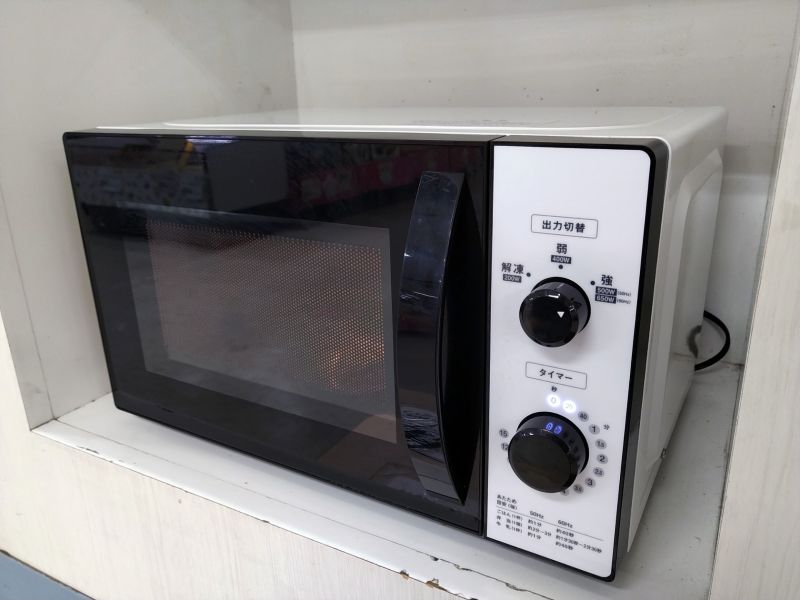
A microwave is the quickest way to reheat takoyaki, but it’s not the best appliance for a crispy exterior.
Microwaves heat the moisture inside food, which can leave takoyaki soft, damp, or slightly rubbery. The trick is to avoid unnecessary overheating and make sure the centers warm evenly.
- Arrange the takoyaki on a microwave-safe plate in a single layer.
- Cover loosely with a microwave-safe, vented cover to help distribute heat more evenly.
- Heat in short intervals of approximately 20–30 seconds at around 600W, turning the pieces between intervals.
- Allow a brief standing period so the heat can distribute through the centers.
- Check the internal temperature in several pieces and continue heating as needed.
The total heating time will depend heavily on the number and size of the takoyaki. A few seconds may be enough for a small additional burst of heat, but that doesn’t mean the entire batch is safely reheated.
In Japan, a common texture-focused tip is to microwave takoyaki without tightly wrapping them, sometimes with microwave-safe paper towel underneath to absorb moisture. However, covering and turning food during microwave reheating helps promote even heating, as recommended by the USDA.
If crispiness is your priority, a better approach is to use the microwave as the first stage and finish the takoyaki in a toaster oven or frying pan.
How to Reheat Takoyaki Under a Grill or Broiler
Japanese kitchens commonly have a compact fish grill, and it can also be used to brown the outside of takoyaki. In other countries, an oven broiler can serve a similar purpose, although the heat distribution and intensity may be different.
Because these appliances expose food to strong radiant heat, they are best used for browning takoyaki that have already been partially warmed.
- Arrange the takoyaki on a broiler-safe tray or an approved grill accessory.
- Use a low or moderate heat setting if your appliance provides one.
- Heat for approximately 3–5 minutes, checking frequently.
- Turn the takoyaki if only one side is browning.
- Remove them once the outside is lightly crisp and the centers have reached the safe reheating temperature.
Never leave takoyaki unattended under a broiler. The outside can burn very quickly, particularly when sauce or oil is present.
Only use aluminum foil or other accessories if your appliance manufacturer permits them.
The Two-Step Trick for Crispy Takoyaki
One of the most useful ways to reheat takoyaki is to combine two appliances: a microwave for initial warming and a toaster oven or frying pan for the final crisping.
This works because the two heating methods have different strengths. The microwave quickly warms the inside, while the dry or direct heat of the second appliance helps improve the exterior.
- Warm the center: Place a few takoyaki on a microwave-safe plate and loosely cover them with a vented microwave-safe lid. Heat briefly at around 600W, starting with approximately 30–40 seconds for a small batch. This is only an initial warming step.
- Prepare the second appliance: Preheat a toaster oven or lightly oil a frying pan over medium heat.
- Crisp the surface: Transfer the takoyaki and heat them until the outside is lightly golden and the center reaches 165°F (74°C).
- Finish without trapping steam: Remove them from the heat and transfer them to a serving plate rather than leaving them covered.
The result is often better than reheating entirely in the microwave, particularly if your takoyaki became soggy during storage.
The key is not to overheat the centers during the first stage. Let the second appliance finish the job while giving the outside a little more texture.
How to Reheat Frozen Takoyaki

Frozen takoyaki are convenient to keep on hand, especially if you’ve made a large homemade batch or purchased a package from an Asian grocery store.
You don’t always need to thaw them before reheating. However, frozen takoyaki take longer to heat through than refrigerated leftovers, so the method should be adjusted accordingly.
Store-Bought Frozen Takoyaki
For packaged frozen takoyaki, start by checking the manufacturer’s cooking instructions. Some products are designed for microwave preparation, while others may have oven or air-fryer directions.
If the package provides instructions, follow them rather than assuming that all frozen takoyaki require the same cooking time.
When the product is fully cooked and the instructions permit it, you can improve the outside by using a toaster oven or air fryer after the initial heating step.
- Remove the frozen takoyaki from any packaging that isn’t approved for cooking.
- Heat them according to the package instructions.
- If the outside remains soft, transfer the hot takoyaki to a preheated air fryer or toaster oven for a short finishing period.
- Check that they are heated thoroughly and serve with fresh toppings.
Avoid leaving frozen takoyaki on the kitchen counter for extended periods to thaw. If thawing is required, follow the package directions or use a safe method such as refrigeration.
Homemade Frozen Takoyaki
Homemade takoyaki can also be frozen and reheated later. Freezing individual pieces separately makes it easier to take out only what you need.
For the best results, cool freshly cooked takoyaki promptly in shallow containers, refrigerating or freezing within the recommended food-safety window. Once cooled, wrap the pieces individually or arrange them in a freezer-safe container with suitable separation, then seal them in a freezer bag.
Try to remove as much excess air as practical to reduce freezer burn. For the best homemade texture, aim to use them within about a month, although this is a quality preference rather than a universal food-safety expiration date.
To reheat homemade frozen takoyaki:
- Place the frozen, fully cooked takoyaki on a microwave-safe plate.
- Using a vented microwave-safe cover, heat in intervals until the centers are partially warmed. For a small batch, approximately 1½–2 minutes at 600W may be a useful starting point, but larger batches can take considerably longer.
- Transfer them to a preheated toaster oven, air fryer, or lightly oiled frying pan.
- Continue heating until the outside is lightly crisp and the centers reach 165°F (74°C).
- Add your preferred sauce and toppings immediately before serving.
You can also reheat frozen, fully cooked takoyaki directly in a conventional oven. At approximately 350–375°F (175–190°C), start checking after about 12–15 minutes, allowing additional time if needed.
Whichever method you choose, make sure the centers are thoroughly reheated. A golden exterior doesn’t guarantee that the inside is hot enough.
How to Make Takeout Takoyaki Taste Fresh Again
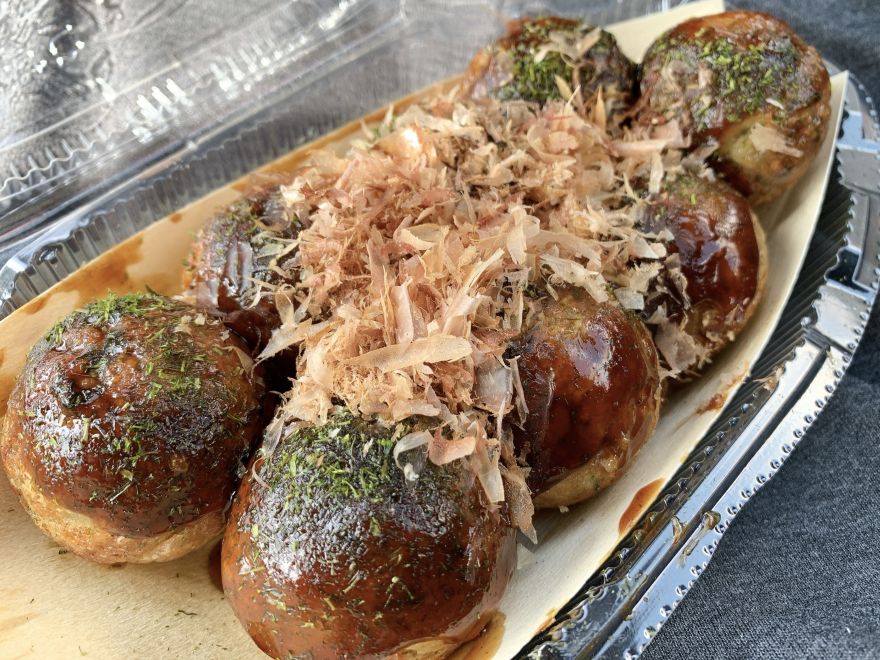
In Japan, takoyaki are often purchased from street stalls, specialty shops, or takeout counters. They’re delicious freshly cooked, but the texture can change during the trip home.
The main problem is trapped steam. When hot takoyaki sit inside a closed takeout container, the moisture released from the batter can soften the outer surface.
If you’re planning to reheat your order later, a few simple choices can help preserve the texture.
Add Sauce and Toppings After Reheating
One of the easiest ways to prevent soggy takoyaki is to keep the sauce and toppings separate until you’re ready to eat.
Traditional takoyaki toppings often include:
- Takoyaki sauce: A sweet, savory Japanese sauce, somewhat similar to a thick Worcestershire-style condiment.
- Japanese mayonnaise: A rich, creamy mayonnaise commonly served with takoyaki.
- Aonori: Finely powdered or flaked green seaweed.
- Katsuobushi: Thin shavings of dried bonito, which often move and curl when placed on hot food.
When sauce is added before reheating, the moisture can soften the outer surface. The sauce may also burn or become excessively sticky under high heat.
For that reason, try this order:
- Reheat the plain takoyaki until hot and lightly crisp.
- Transfer them to a serving plate.
- Drizzle with takoyaki sauce and Japanese mayonnaise.
- Finish with aonori and bonito flakes.
If you’re ordering takeout in Japan, you can ask whether sauce and mayonnaise are available in separate packets. Some shops may also let you order takoyaki without toppings, although available options vary.
If the sauce is already on the takoyaki, you can still reheat them. Remove any loose toppings that can be saved, use gentler heat, and watch carefully to prevent the sauce from burning.
If you don’t have takoyaki sauce at home, you may be able to use a similar Japanese condiment. Our guide to takoyaki sauce vs. okonomiyaki sauce explains the differences.
How to Get a Gindaco-Style Crispy Exterior
If you’ve eaten takoyaki from Tsukiji Gindaco, you may remember its distinctive contrast between a crispy outside and a soft, creamy center.
Gindaco is a popular Japanese takoyaki chain known for this particular style. It’s a little different from softer versions of takoyaki that are also commonly enjoyed in Japan.
To create a similar crispy texture when reheating takoyaki at home, try using a frying pan with a little more oil than you would normally use for simple reheating.
- Warm a frying pan over medium heat and add enough neutral cooking oil to coat the bottom generously.
- Carefully add previously cooked takoyaki without overcrowding the pan.
- Gently turn each piece so several sides come into contact with the hot oil.
- Continue cooking until the outside becomes golden and crisp and the center is safely reheated.
- Remove the takoyaki and let excess oil drain briefly on a suitable rack or paper towel before serving.
This is a Gindaco-inspired home technique, not the chain’s official recipe. You don’t need to deep-fry the takoyaki to get a noticeably crispier surface.
Be careful when placing moist takoyaki into hot oil, as splattering can occur. Use moderate heat, keep water away from the pan, and turn the pieces gently.
For actual Gindaco takeout, an oven is also a practical option. In a takeout reheating guide prepared with advice from Tsukiji Gindaco, the recommended approach is to remove toppings, warm the takoyaki in the oven while turning them, then add the sauce and toppings afterward.
The most important detail is that the toppings go on after reheating, so you can enjoy the freshly crisped surface before the sauce softens it.
How to Store Leftover Takoyaki Safely
Good reheating starts with proper storage. Takoyaki contain perishable ingredients, including cooked seafood and an egg-based batter, so they shouldn’t be left at room temperature for long periods.
According to USDA food-safety guidance, cooked leftovers should be refrigerated or frozen within two hours, or within one hour when the surrounding temperature is above 90°F (32°C).
Store leftover takoyaki in shallow, covered containers to help them cool efficiently. There is no need to leave them sitting out until they’re completely cold.
Refrigerated cooked leftovers should generally be used within 3–4 days when stored at 40°F (4°C) or below. For longer storage, freeze them promptly.
If you prefer to freeze takoyaki in individual portions, wrapping them separately or keeping them well sealed helps preserve the texture and prevents freezer burn.
Before serving refrigerated or frozen leftovers, reheat them to 165°F (74°C), checking the internal temperature with a food thermometer.
For further guidance, see the USDA’s information on handling leftovers safely and reheating leftovers.
Don’t rely on reheating to make improperly stored food safe. If takoyaki have spent too long at room temperature, the safest choice is to discard them.
Why Reheated Takoyaki Turns Soggy or Dry
Even when you use a good reheating method, the result may not be exactly like freshly cooked takoyaki. Several common mistakes can affect the texture.
| Problem | Likely Cause | What to Try |
|---|---|---|
| Soggy exterior | Trapped steam or excess moisture | Finish with dry heat in an air fryer or toaster oven. |
| Dry, chewy center | Heating for too long | Use gentler heat and check the food earlier. |
| Burned outside, cool inside | Excessively high surface heat | Warm the center first, then crisp the outside. |
| Uneven browning | Pieces weren’t turned or were crowded together | Leave more space and turn them during heating. |
| Sticky or scorched sauce | Sauce was added before reheating | Add fresh sauce after reheating whenever possible. |
Remember that freshly cooked takoyaki aren’t all equally crispy. Some Japanese styles are intentionally soft on the outside, while others, such as Gindaco-style takoyaki, emphasize a more pronounced crunch.
The goal isn’t necessarily to make every takoyaki crunchy. It’s to restore a pleasant contrast between the exterior and the tender, fully cooked center.
Also, be careful when taking the first bite. Takoyaki can retain considerable heat inside their soft centers, even when the outside feels cool enough to handle.
Frequently Asked Questions
Can you reheat takoyaki with sauce already on it?
Yes, but the sauce may make the surface softer and can burn under high heat. Use gentler heating, remove any loose toppings if practical, and watch carefully. For the best texture, keep sauce separate and add it after reheating.
Do you need to thaw frozen takoyaki before reheating?
Not always. Many fully cooked frozen takoyaki can be reheated directly from frozen. Follow the package directions for commercial products. Homemade frozen takoyaki can be warmed in the microwave and finished in an oven or frying pan. Make sure the centers reach 165°F (74°C).
Why does takoyaki become rubbery in the microwave?
Microwaving for too long can change the texture of the moisture-rich batter, leaving it chewy or unevenly heated. Use shorter heating intervals, turn the pieces, and avoid unnecessary additional heating once they reach a safe temperature.
Can you reheat takoyaki more than once?
It’s better to reheat only the amount you plan to eat. Repeated heating and cooling can reduce quality and increase food-safety risks if the food isn’t handled properly. Keep unused portions refrigerated and follow safe storage and reheating guidance.
Can you reheat takoyaki in a takoyaki maker?
Yes, if your takoyaki maker is suitable for reheating cooked food according to its instructions. Lightly oil the wells if appropriate, add the cooked takoyaki, and turn them gently as they heat. Check that the centers are thoroughly reheated before serving. Avoid overheating the outside or scratching a nonstick cooking surface.