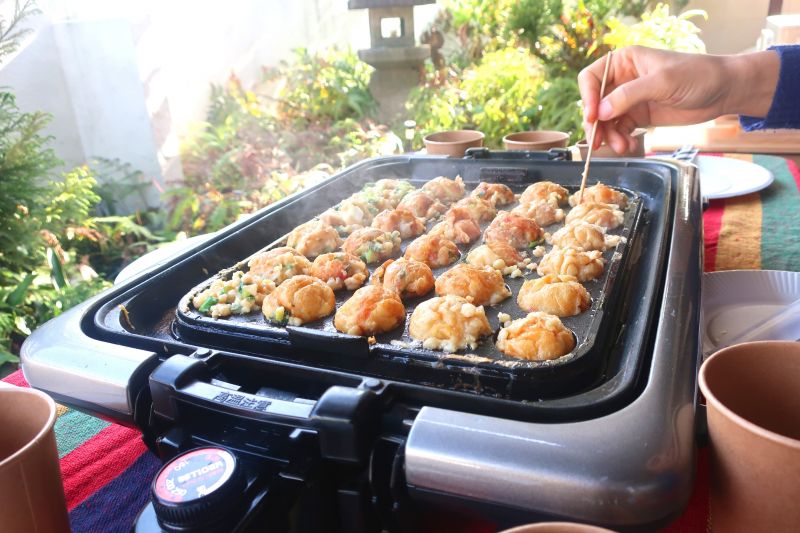
If you have looked at several takoyaki recipes, you may have noticed something confusing: some include cabbage, while others do not mention it at all.
The short answer is that classic Osaka-style takoyaki usually does not contain cabbage. However, cabbage-filled takoyaki is a real regional and home-style variation in Japan, particularly associated with styles found around Nagoya and Aichi.
So adding cabbage does not automatically make your takoyaki “wrong.” It simply gives you a different texture and puts you closer to certain regional and homemade versions than to the classic Osaka style.
Does Traditional Takoyaki Have Cabbage?
Classic Osaka Takoyaki Usually Has No Cabbage

Takoyaki is strongly associated with Osaka, and the classic Osaka version focuses on a thin, dashi-flavored batter surrounding a piece of octopus.
The Japanese Ministry of Agriculture, Forestry and Fisheries lists the main ingredients of Osaka takoyaki as wheat flour, dashi, eggs, boiled octopus, and tenkasu, or crunchy bits of fried tempura batter. Cabbage is not included in its standard recipe.
Other common additions include beni shoga, which is finely chopped red pickled ginger, and green onions or scallions. In the UK, scallions are generally called spring onions.
The appeal of this style is the contrast between the cooked exterior and the very soft, almost creamy batter inside. The flavor of the dashi and octopus remains prominent because there is relatively little solid filling surrounding them.
Why Cabbage Can Make Takoyaki Seem Like Okonomiyaki
Cabbage is much more closely associated with okonomiyaki, another famous flour-based dish from Osaka. Okonomiyaki combines batter with a substantial amount of chopped cabbage and is cooked as a flat savory pancake.
That is why some people from Osaka jokingly describe cabbage-heavy takoyaki as something closer to an “okonomiyaki ball.” The comparison makes sense from a texture standpoint: cabbage adds more bite, vegetable sweetness, and bulk to each ball.
But Japanese food is not completely standardized across the country. What seems unusual in Osaka may be perfectly familiar elsewhere.
Where Is Cabbage Used in Takoyaki in Japan?
Nagoya and Aichi Have a Recognizable Cabbage Style
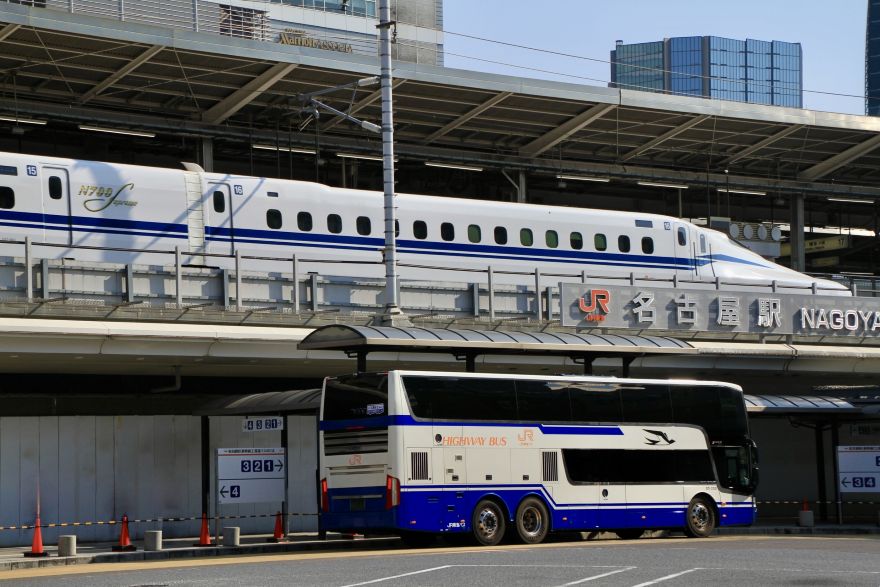
One of the clearest examples comes from Nagoya in Aichi Prefecture. The official Nagoya tourism website describes a local takoyaki style characterized by small balls, soy sauce seasoning, and cabbage inside.
This is noticeably different from the image many visitors have of sauce-covered Osaka takoyaki.
Aichi is also one of Japan’s major cabbage-producing areas. Cabbage is therefore a very familiar local ingredient. That agricultural background may help explain why cabbage feels natural in local cooking, although it should not be treated as proof of exactly how or why cabbage-filled takoyaki first developed.
The important point is that cabbage in takoyaki is not simply a foreign reinterpretation. There are genuine Japanese regional styles that use it.
What About Kyushu?
You can also encounter cabbage-filled takoyaki outside the Tokai area, including at some shops and homes in Kyushu. However, it is safer not to describe cabbage as the universal Kyushu style.
Takoyaki recipes can vary considerably from one shop, family, and city to another. If you travel around Japan, you may find local versions that do not match the Osaka formula exactly.
Does Tsukiji Gindaco Use Cabbage?
Tsukiji Gindaco is one of Japan’s best-known takoyaki chains. Based on the company’s current official description of its standard takoyaki, its fillings include octopus, green onions, tenkasu, and red pickled ginger. Cabbage is not listed among the standard ingredients.
Gindaco is also known for finishing its takoyaki with oil to produce a particularly crisp exterior, so its texture differs somewhat from the softer exterior you may encounter at some traditional Osaka shops.
For the regular version, though, it belongs on the cabbage-free side of this particular debate.
Takoyaki With Cabbage vs. Without Cabbage
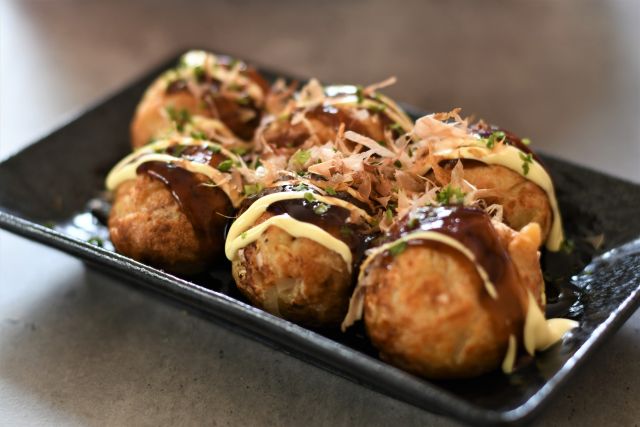
Neither version is automatically better. They emphasize different parts of the dish.
| With Cabbage | Without Cabbage | |
|---|---|---|
| Texture | More bite and structure from the chopped cabbage | Softer and creamier, with the batter taking center stage |
| Flavor | Mild vegetable sweetness in addition to the dashi and toppings | Dashi, egg, octopus, and seasonings are more prominent |
| Volume | More filling and substantial | Lighter in terms of solid ingredients |
| Cooking | Extra moisture and large cabbage pieces can make shaping more difficult | Easier to maintain a very soft interior |
| Best For | People who enjoy extra texture or grew up with cabbage-style takoyaki | Anyone trying to reproduce a classic Osaka-style result |
If your goal is to experience something close to standard Osaka takoyaki, skip the cabbage. If you prefer a little crunch, sweetness, and extra substance, cabbage is worth trying.
How to Add Cabbage to Homemade Takoyaki
Finely Chop It Instead of Shredding It
For regular round takoyaki, finely chopped cabbage works better than long shreds.
A coarse mince of roughly 1/8 to 1/4 inch (3 to 6 mm) gives the cabbage some texture while keeping the pieces small enough to fit neatly inside the molds.
Avoid long strips similar to those used for some types of okonomiyaki or slaw. They can stick out of the molds and make the balls harder to turn cleanly.
You also do not need to pulverize the cabbage in a food processor. Very finely processed cabbage can release more liquid and lose the slight crispness that makes the variation interesting.
Add the Cabbage After Pouring the Batter
A simple method is to keep your cabbage separate until the batter is already in the hot takoyaki pan.
- Preheat the takoyaki pan and coat the molds generously with oil.
- Pour in the batter, allowing it to spread slightly beyond each mold.
- Add one piece of octopus to each cavity.
- Scatter in tenkasu, finely chopped cabbage, and red pickled ginger.
- Add chopped green onions or scallions.
- Once the underside begins to set, separate the batter between the molds and gradually turn each piece to form a ball.
Adding the cabbage separately gives you better control over how much goes into each ball and prevents it from sitting in the liquid batter for a long time.
Can You Mix Cabbage Directly Into the Batter?
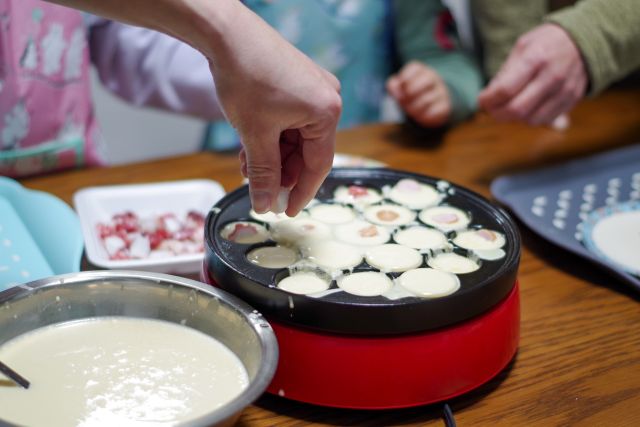
Yes. If you are cooking a large batch for a takoyaki party, mixing the cabbage into the batter can save time.
The main drawback is moisture. Chopped cabbage gradually releases water, especially after it has been mixed with other ingredients and allowed to sit.
For that reason, it is better to combine the cabbage and batter shortly before cooking rather than preparing the mixture far in advance.
You may also need to make small adjustments to the batter if your cabbage is particularly wet, but there is no need to automatically remove a fixed percentage of liquid from every recipe. Cabbage moisture and takoyaki batter formulas vary too much for one adjustment to work in every case.
How Much Cabbage Should You Use?
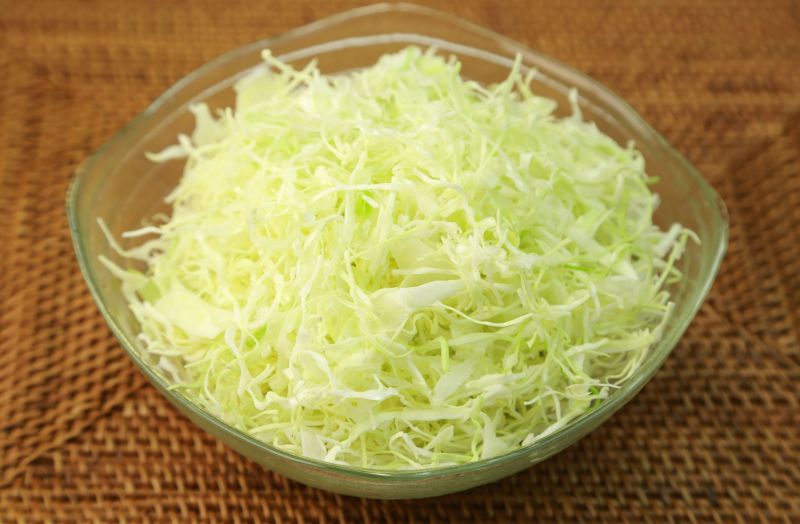
There is no official amount because cabbage itself is optional. For homemade cabbage-style takoyaki, a practical starting range is around 2 to 3 ounces (60 to 80 g) of finely chopped cabbage for approximately 20 to 24 pieces.
Use less if you still want the soft batter to dominate. Use more if you prefer a substantial, vegetable-forward version.
If you are planning a large takoyaki party, another way to estimate the amount is by weight per ball. A cabbage-heavy version using about 5 g (0.18 oz) per piece would need approximately 400 to 450 g (14 to 16 oz) for 80 to 90 takoyaki.
That is roughly the usable amount you might get from half of a medium-to-large head of cabbage, although cabbage size varies considerably. If you use cabbage more sparingly, the same half head will naturally make many more batches.
Frequently Asked Questions
Is cabbage a traditional takoyaki ingredient?
Not in classic Osaka-style takoyaki. Standard Osaka recipes usually focus on batter, octopus, dashi, tenkasu, and seasonings. However, cabbage is used in some Japanese regional and home-style variations.
Does Osaka takoyaki contain cabbage?
Usually no. Cabbage is far more strongly associated with okonomiyaki in Osaka, although individual shops and home cooks can always make their own variations.
Is cabbage used in Nagoya-style takoyaki?
Yes. Cabbage is associated with a recognizable Nagoya-style takoyaki tradition, often combined with smaller takoyaki and soy sauce-based seasoning.
Can I mix cabbage into takoyaki batter?
Yes, but mix it in shortly before cooking. Leaving chopped cabbage in the batter for too long can release additional moisture and change the consistency.
How finely should I cut cabbage for takoyaki?
A coarse mince of about 1/8 to 1/4 inch (3 to 6 mm) works well. Pieces that are too large or long can make the takoyaki harder to shape and turn.