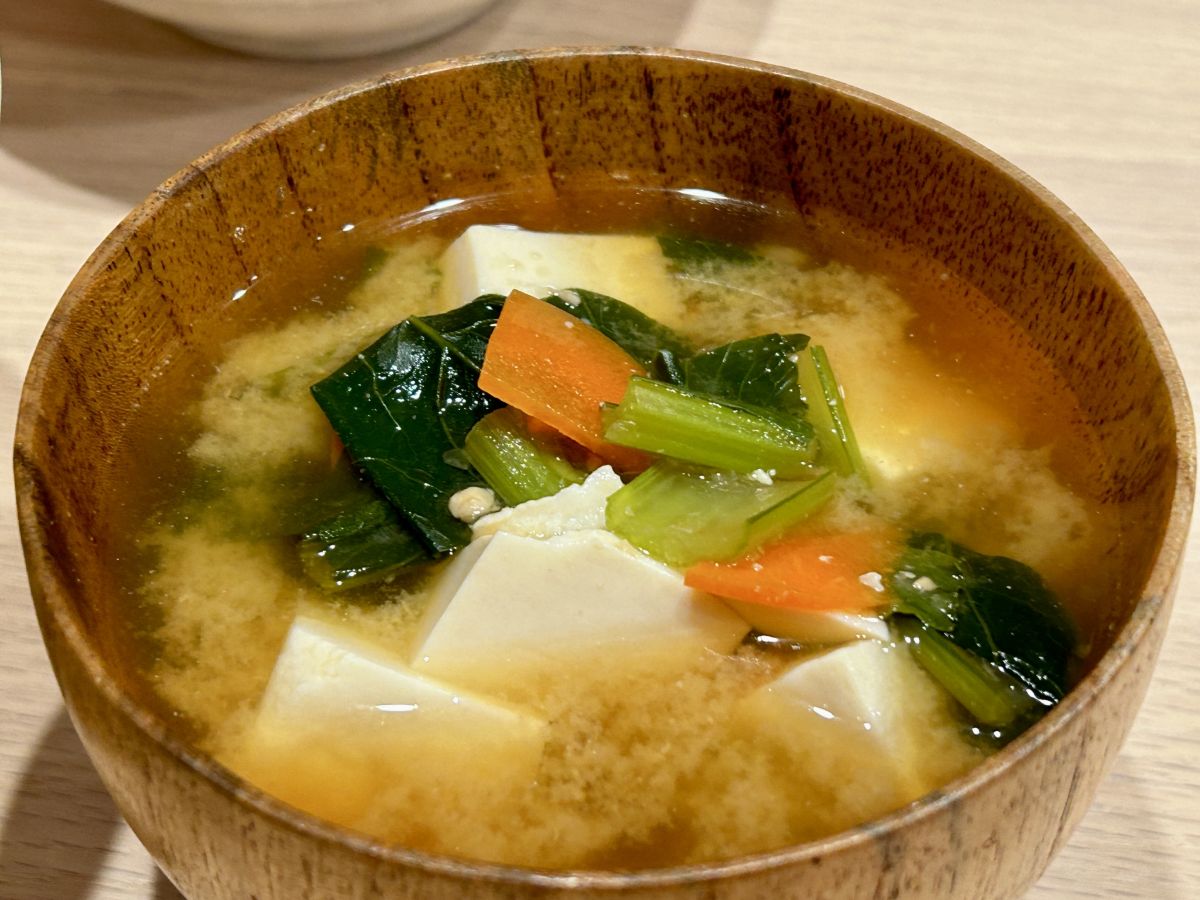
If you only want one bowl of miso soup, the hardest part is often figuring out how much water, dashi, and miso paste to use. A full pot is forgiving, but a small difference in miso can make a single serving taste noticeably too salty or too weak.
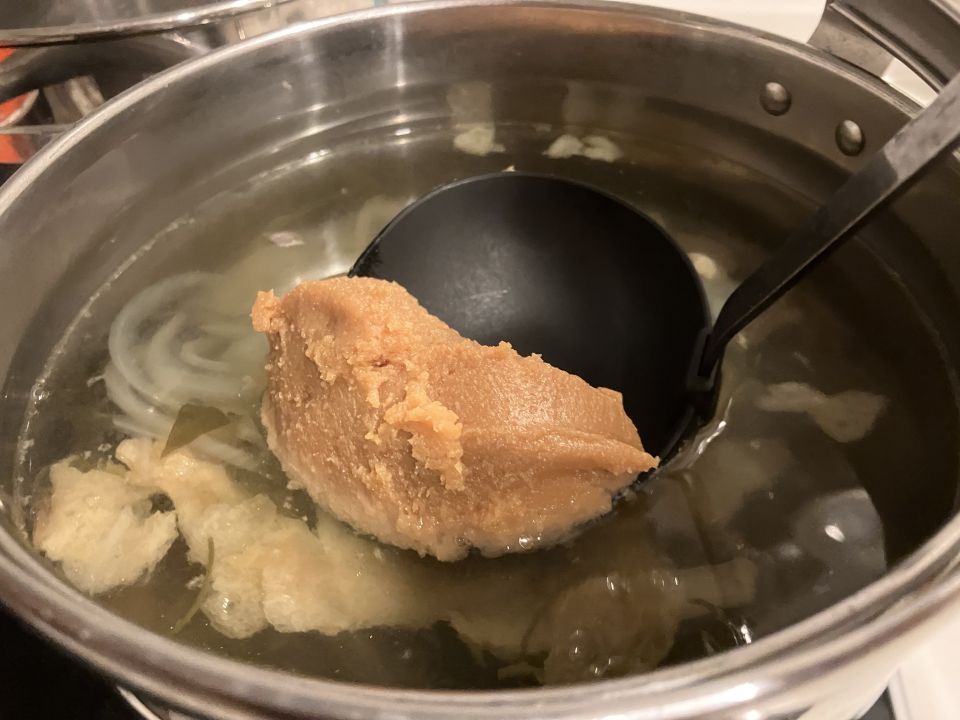
A practical starting point is about 200 ml (6.8 fl oz) of dashi and up to 1 tablespoon (about 16 to 18 g) of miso paste per bowl. If you are using a salty miso or making it for the first time, start with 2 teaspoons, taste, and add more if needed.
In Japan, miso soup is often served in a relatively small soup bowl rather than a large Western-style soup bowl, so a single serving may contain only about 150 to 200 ml (5 to 7 fl oz) of liquid. Once you know that basic scale, making one bowl becomes much easier.
How Much Miso Paste Do You Need for One Bowl?
A Simple Miso-to-Dashi Ratio
For one serving, use the following amounts as a starting point:
| Ingredient | Amount for One Serving |
|---|---|
| Dashi or water | 150 to 200 ml (5 to 7 fl oz) |
| Miso paste | 2 teaspoons to 1 tablespoon |
| Miso by weight | About 12 to 18 g (0.4 to 0.6 oz) |
For a typical bowl, 200 ml of dashi with about 1 tablespoon of miso is an easy ratio to remember. For a smaller bowl of around 160 ml (5.4 fl oz), you can start with less miso and add more after tasting.
This is a starting point, not a strict rule. Miso soup in Japanese homes is adjusted by taste, and the saltiness of miso varies considerably between products.
Why the Amount of Miso Can Vary
White, red, mixed, and regional miso varieties do not all taste equally salty or intense. Instant dashi products may also contain salt or other seasonings.
That is why it is easier to fix a mild bowl than an overly salty one. Add a little less miso than you think you need, dissolve it completely, taste the soup, and then add more.
If you need to limit sodium for medical reasons, check the Nutrition Facts on the specific miso and dashi you are using rather than relying on a fixed amount. Follow any dietary guidance given by your doctor or registered dietitian.
Easy Miso Soup for One
This basic method works with tofu, wakame, green onions, mushrooms, and many other common miso soup ingredients.
Ingredients
- 200 ml (6.8 fl oz) dashi
- 2 teaspoons to 1 tablespoon miso paste
- A small handful of your preferred ingredients, such as tofu, wakame, mushrooms, or green onion
If you are using instant dashi powder or liquid concentrate, prepare it according to the package directions. Products vary in strength and salt content, so there is no universal amount of instant dashi that works for every brand.
Step-by-Step Method
- Pour the dashi into a small saucepan.
- Add any ingredients that need cooking, such as mushrooms or vegetables, and heat until tender.
- Add tofu or other ingredients that only need to be warmed.
- Turn the heat down or remove the pan from the heat.
- Place 2 teaspoons of miso in a small bowl or ladle. Mix it with a little hot dashi until smooth, then stir it back into the soup.
- Taste the soup. Add more miso if needed.
- Serve immediately with sliced green onion or another garnish if you like.
Adding the miso near the end helps preserve its aroma. There is no need to keep boiling the soup after the miso has been dissolved.
Which Type of Miso Should You Use?
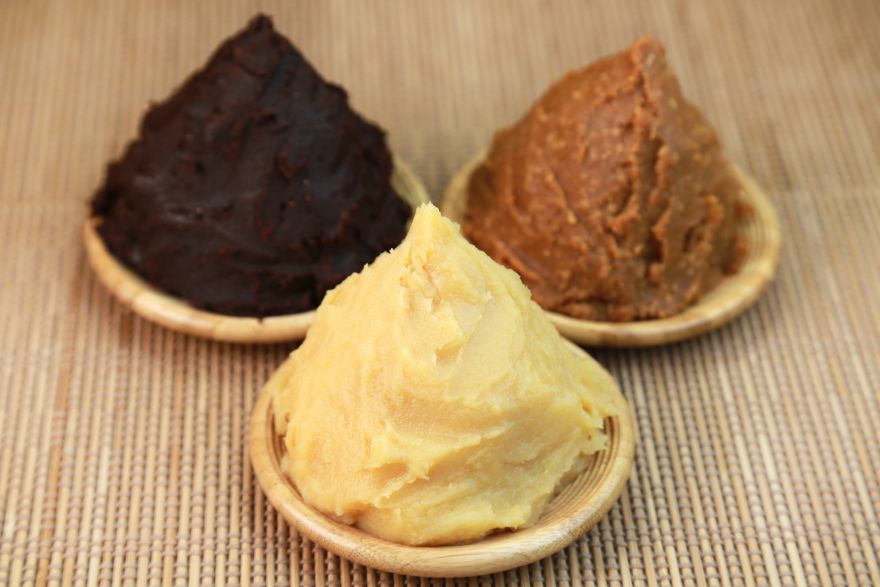
There is no single type of miso that must be used for miso soup. Japanese households use many different varieties depending on region, family preference, and the ingredients in the soup.
| Type | General Flavor | Good Starting Point |
|---|---|---|
| White miso | Usually milder and often sweeter | Useful when you want a gentle flavor |
| Red miso | Usually deeper and more assertive | Start with a smaller amount and adjust |
| Awase miso | A blend of different miso styles | An easy all-purpose choice |
These are broad descriptions rather than strict definitions. Flavor and saltiness can vary even between two products labeled as the same type of miso.
If you are buying miso outside Japan, you may also see products with dashi already mixed in. Those can be convenient, but check the ingredients before adding separate dashi because you may not need both.
Vegetarians and vegans should also check instant dashi labels carefully. Traditional and instant dashi products may contain bonito or other fish ingredients. Kombu- or shiitake-based dashi can be used instead.
Easy Ingredients for Single-Serving Miso Soup
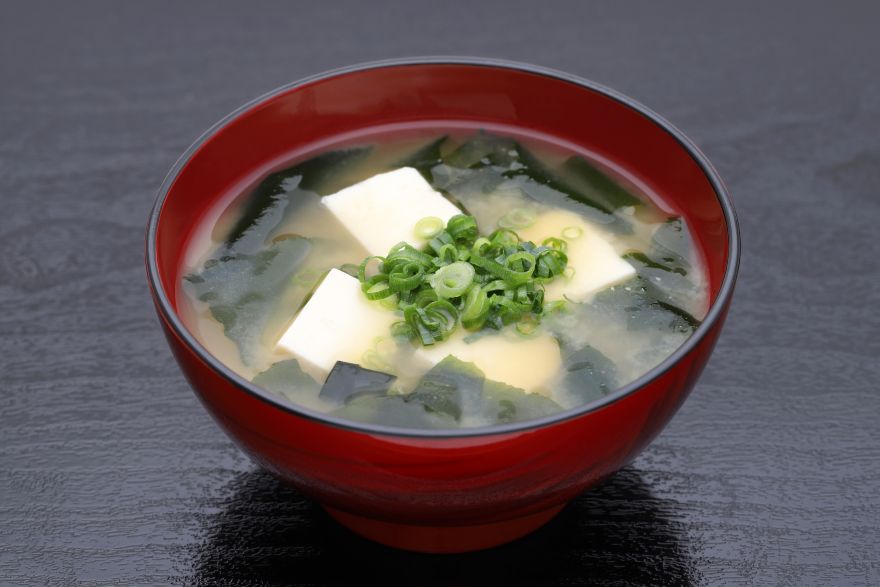
When you cook for one, ingredients that keep well and can be portioned in small amounts are especially useful.
| Ingredient | Why It Works Well | Tip |
|---|---|---|
| Tofu | Quick to warm and adds substance | Small packages are convenient for one-person cooking |
| Dried wakame | Stores well and rehydrates quickly | Use a small amount because it expands |
| Green onion or scallion | Needs very little cooking | Slice and freeze extra portions |
| Mushrooms | Add savory flavor | Slice thinly so they cook quickly |
| Aburaage | A classic Japanese miso soup ingredient | Slice fried tofu into small pieces and freeze portions |
| Frozen vegetables | Easy to portion without waste | Choose pieces that cook quickly |
For a more filling bowl, you can add cooked pork, an egg, or extra tofu. Ingredients that need thorough cooking should be fully cooked before serving.
How to Make Miso Soup in the Microwave
A microwave is useful when you want one serving without washing a saucepan.
- Place about 200 ml (6.8 fl oz) of dashi in a microwave-safe bowl with quick-cooking ingredients such as tofu, mushrooms, frozen vegetables, or wakame.
- Heat in short intervals until the soup is thoroughly hot and the ingredients are cooked as needed.
- Carefully remove the bowl and stir.
- Dissolve 2 teaspoons of miso in a little of the hot liquid, then mix it into the bowl.
- Taste and add more miso if necessary.
Use a bowl with plenty of extra space rather than filling it to the rim. Heating liquids in a microwave can occasionally cause superheated liquid to erupt when the container is moved or stirred, so avoid excessive heating and follow your microwave manufacturer’s instructions.
For raw meat or fish, a simple mug-style microwave method is not the best shortcut. Cook those ingredients thoroughly using an appropriate method before adding them to the soup.
How to Make Miso Soup in a Mug Without a Pot
If your ingredients do not require cooking, you can make an even simpler version with hot water.
Use a heat-safe mug that is larger than the amount of soup you are making. For about 200 ml of soup, a 12- to 14-fl-oz mug gives you enough room to stir without spilling.
- Add 2 teaspoons of miso paste to the mug.
- Add the appropriate amount of instant dashi according to the package directions, if using.
- Add ingredients that rehydrate easily, such as dried wakame, fu, dried green onion, or tororo kombu.
- Pour in about 200 ml (6.8 fl oz) of hot water.
- Stir until the miso is completely dissolved.
- Taste and add a little more miso if needed.
In the US, green onion and scallion usually refer to the same ingredient. In the UK and some other English-speaking countries, you are more likely to see the term spring onion.
Japanese fu is dried wheat gluten. It absorbs the soup quickly and works particularly well for no-pot miso soup because it does not require the same cooking time as raw root vegetables.
Make-Ahead Miso Balls for One Serving
Miso balls, sometimes called miso dama in Japanese, are individual portions of miso mixed with dashi seasoning and dry toppings. They are useful when you want homemade-style instant miso soup without measuring everything each time.
For one miso ball, combine:
- 2 teaspoons to 1 tablespoon miso paste
- Enough instant dashi for one serving, according to the package directions
- A small amount of dried wakame, dried green onion, sesame seeds, fu, or another dry topping
Mix everything together and wrap or store each portion separately. When you want a bowl of soup, place one portion in a mug or bowl and dissolve it in about 200 ml (6.8 fl oz) of hot water.
Dry ingredients are the easiest choice for make-ahead miso balls. Fresh tofu and raw vegetables add moisture and make storage more complicated. Tofu can also change texture after freezing.
For convenience, freezing small batches is generally more practical than keeping a large batch in the refrigerator for a long time. Use clean utensils and containers, and discard anything that develops an unusual odor, appearance, or texture.
How to Store Leftover Miso Soup
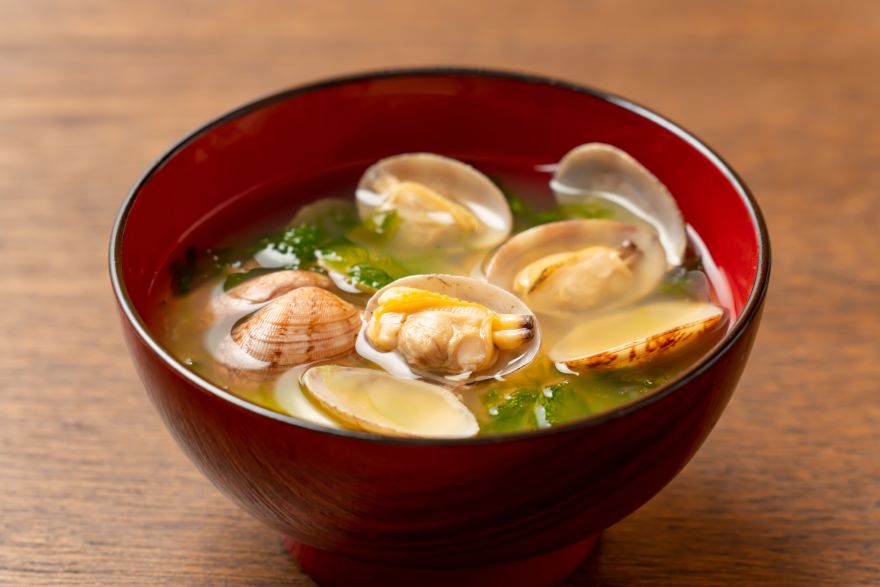
If you have leftover cooked miso soup, refrigerate it promptly in a clean, covered container. As a general US food-safety guideline, cooked soups and leftovers should be refrigerated within two hours and used within three to four days when stored at 40°F (4°C) or below.
For the best flavor, however, miso soup is usually better sooner rather than later. Delicate ingredients such as tofu, wakame, and vegetables may change texture during storage.
When reheating leftovers, heat them thoroughly. US food-safety guidance recommends reheating leftovers to 165°F (74°C).
If the soup was left at room temperature too long or you are unsure whether it was stored safely, do not rely only on smell or appearance to decide whether it is safe to eat.
Frequently Asked Questions
How much miso paste should I use per cup of water?
About 1 tablespoon per US cup of liquid is a useful upper-end starting point, but miso varies in saltiness. For a 200 ml single serving, start with 2 teaspoons and add more after tasting.
Can I make miso soup with just miso paste and water?
Yes, but the flavor will be simpler. Dashi supplies much of the savory depth associated with Japanese miso soup. Instant dashi is an easy option, while kombu or shiitake dashi can be used for a vegetarian version.
Can you microwave miso soup?
Yes. Heat the dashi and ingredients first, then dissolve the miso afterward. Use a microwave-safe container with extra room and avoid overheating liquids.
What is the easiest miso for beginners?
Awase miso or a mellow white miso can be easy starting points, but there is no required type. The most important step is to start with a small amount, taste, and adjust because saltiness varies by product.
Can I prepare miso soup ahead of time?
Yes. For single servings, make-ahead miso balls with miso, instant dashi, and dry toppings are especially convenient. Add hot water when you are ready to eat.
How long does leftover miso soup last in the refrigerator?
US food-safety guidance allows most properly refrigerated cooked soups and leftovers for three to four days at 40°F (4°C) or below. Refrigerate the soup within two hours of cooking and use it sooner when possible for better flavor and texture.