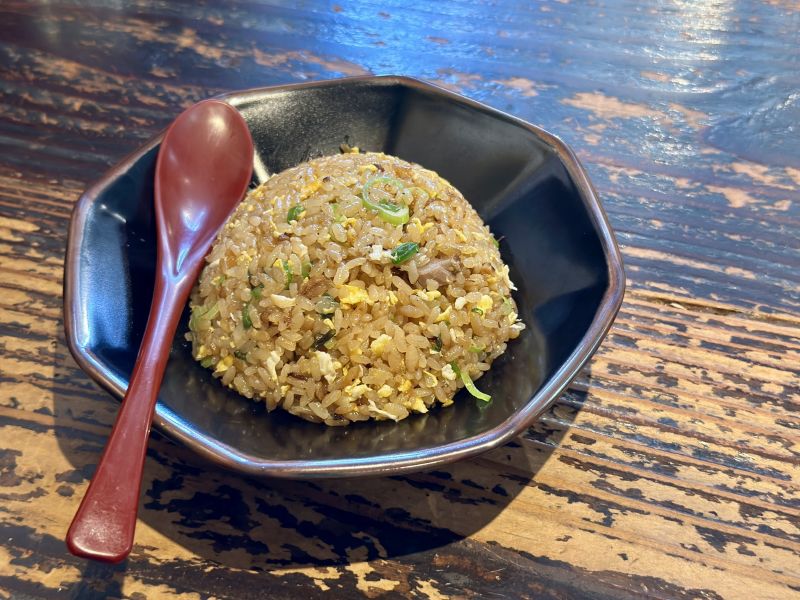
If you are trying to recreate the fried rice served at ramen shops in Japan, the secret is not simply adding more soy sauce. Japanese ramen shop fried rice, commonly called chahan, gets its distinctive flavor from a combination of pork fat, concentrated umami, egg, scallions, white pepper, and careful heat control.
A commercial wok burner certainly helps, but you do not need restaurant equipment to make good chahan at home. The most important adjustments are using rice that is dry enough to fry instead of steam, cooking only one serving at a time, and keeping liquid seasonings to a minimum.
What Makes Japanese Ramen Shop Fried Rice Taste Different?
Japanese chahan has its roots in Chinese-style fried rice, but the version commonly served at ramen shops in Japan has developed its own recognizable character. Chashu pork, ramen-style seasonings, chicken bouillon, white pepper, and rendered pork fat are all common ways to build that familiar savory flavor.
Lard Adds the Signature Ramen Shop Flavor
One of the easiest ways to make homemade fried rice taste more like something from a Japanese ramen shop is to replace some or all of your neutral cooking oil with lard.
Lard contributes a rich pork aroma that neutral vegetable oil does not provide. It also coats the rice evenly and works especially well when the fried rice contains chashu.
If you do not have lard, cook a little fatty pork belly or bacon first and use the rendered fat. A neutral high-heat cooking oil will still work, but the finished flavor will be lighter.
Umami Comes From More Than Soy Sauce
Good ramen shop fried rice usually does not taste strongly of soy sauce. Instead, much of its savory depth can come from chicken stock seasoning, chashu cooking liquid, ramen broth, MSG, or a combination of these.
At home, Chinese-style chicken bouillon powder is one of the easiest substitutes for the concentrated flavor available in a ramen shop kitchen. A small pinch of MSG can add another layer of umami without making the rice wetter.
MSG is optional. The U.S. Food and Drug Administration considers added MSG to be generally recognized as safe. If you use it, start with a small amount because chicken bouillon and other seasonings may already contain glutamates and plenty of sodium.
High Heat Matters, but Small Batches Matter More at Home
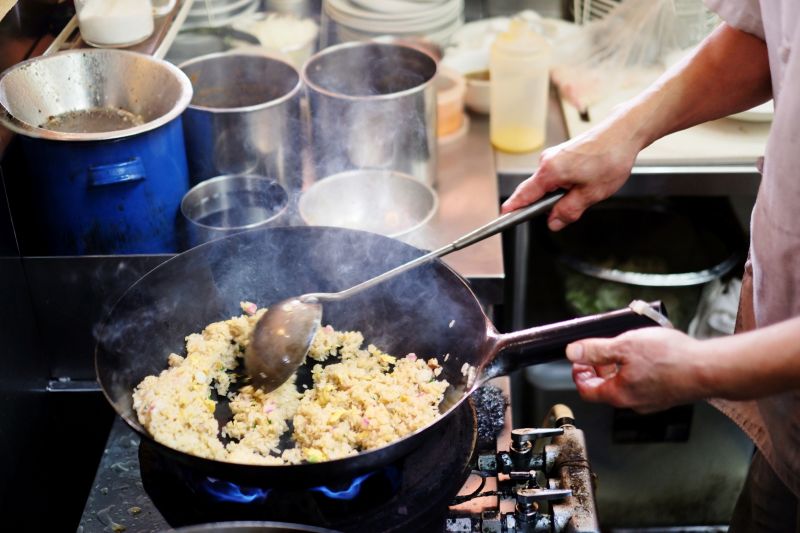
Restaurant wok burners can keep a wok extremely hot even after cold ingredients are added. A typical home stove cannot recover heat as quickly.
The practical solution is simple: cook one serving at a time. Putting a large amount of rice into a home skillet can cool the pan so quickly that the rice begins steaming instead of frying.
A wok is useful, but a wide carbon-steel or stainless-steel skillet also works. If you use nonstick cookware, follow the manufacturer’s recommended heat limits rather than heating an empty pan over maximum heat.
Ingredients for Ramen Shop-Style Japanese Fried Rice
This recipe makes one generous serving. Cooking individual portions helps the pan stay hot.
| Ingredient | Amount | Why It Is Used |
|---|---|---|
| Cooked Japanese short-grain or Calrose rice | About 1 1/4 cups (200 g) | Creates the slightly chewy texture associated with Japanese chahan |
| Lard | 1 tablespoon | Adds pork aroma and richness |
| Large egg | 1 | Coats the rice and adds richness |
| Chashu or other cooked pork | About 2 oz (55 g), diced | Adds savory pork flavor |
| Scallions | 2 to 3 tablespoons, finely chopped | Adds fresh onion aroma |
| Garlic | 1/2 small clove, finely chopped | Optional aromatic base |
| Chinese-style chicken bouillon powder | 1/2 teaspoon, or to taste | Replaces some of the concentrated soup flavor available in a ramen shop |
| MSG | Small pinch, optional | Adds umami without additional liquid |
| Sugar | Small pinch, optional | Rounds out salty flavors without making the rice noticeably sweet |
| White pepper | 1/4 teaspoon, or to taste | Adds the peppery aroma common in Japanese-Chinese cooking |
| Soy sauce | 1 to 2 teaspoons | Adds saltiness, color, and toasted aroma |
| Salt | As needed | Use only after tasting because the bouillon and soy sauce are already salty |
How to Make Japanese Fried Rice Like a Ramen Shop
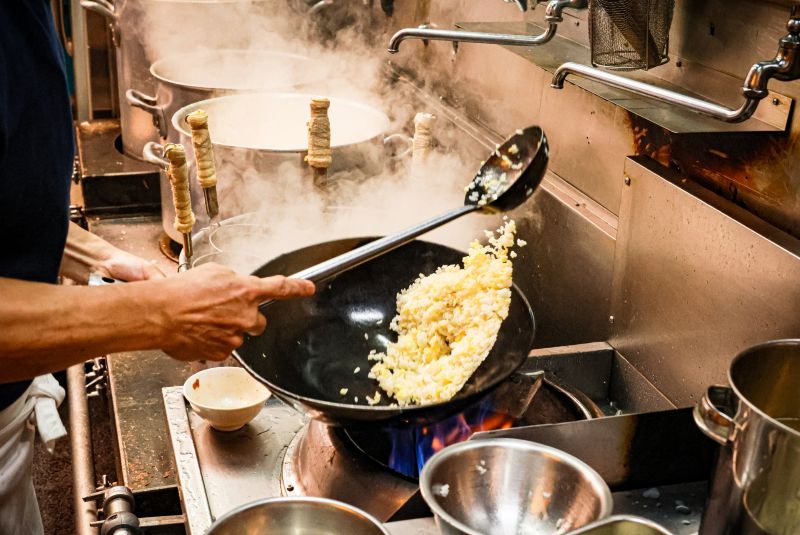
1. Prepare Everything Before You Start
Dice the chashu, chop the scallions and garlic, beat the egg, measure the seasonings, and loosen any clumps in the rice before heating the pan.
Once the rice hits the pan, the cooking process moves quickly. Stopping to chop ingredients while the rice sits in the skillet is an easy way to overcook it.
2. Make a Quick Scallion-Garlic Oil
Add the lard to a wok or wide skillet with about half of the scallions and the garlic. Heat gently until they become fragrant, without letting the garlic burn.
Increase the heat to medium-high or high once the fat is aromatic.
3. Add the Egg and Rice
Pour the beaten egg into the hot fat. When the egg is still soft and only partly set, immediately add the rice.
Use a spatula to break apart clumps while folding the egg through the grains. Press stubborn clumps gently against the surface of the pan rather than stirring constantly.
Continue cooking until the rice feels loose and individual grains move easily around the pan.
4. Add the Chashu and Seasonings
Add the diced chashu and remaining scallions. Sprinkle in the chicken bouillon, white pepper, and optional MSG and sugar.
Toss quickly so the dry seasonings are distributed evenly.
Taste before adding extra salt. Bouillon powder, chashu, and soy sauce can all contribute significant sodium.
5. Brown the Soy Sauce Against the Pan
Push the rice slightly away from one section of the hot pan and pour the soy sauce directly onto the exposed surface rather than over the rice.
Let it bubble briefly, then immediately toss it through the rice. Heating the soy sauce against the pan creates a more toasted aroma while preventing the rice from absorbing a large amount of liquid in one spot.
Cook only until everything is hot and the rice smells fragrant. Serve immediately.
What Kind of Rice Is Best for Chahan?
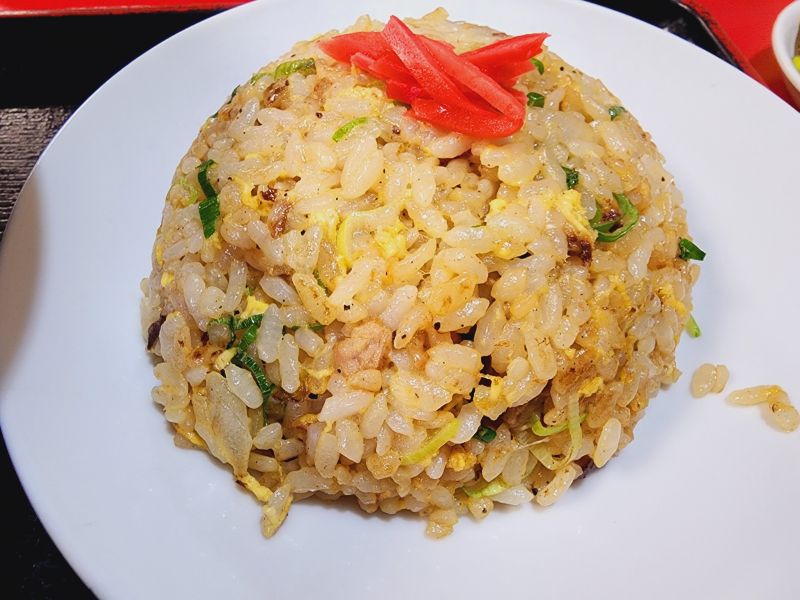
Japanese short-grain rice or Calrose rice works especially well because it retains a pleasantly chewy texture after frying. The goal is not to make every grain completely dry and separate like some long-grain fried rice styles. Good Japanese chahan can remain slightly moist and cohesive while still avoiding large sticky clumps.
Day-Old Rice Works, but It Is Not Required
Refrigerated leftover rice is convenient because some surface moisture has already been lost, making the grains easier to separate.
However, fried rice does not have to be made with day-old rice. Fresh rice can also work if you spread it in a wide, shallow layer and allow excess steam and surface moisture to escape before frying.
The important factor is dryness at the surface, not simply the age of the rice.
How to Use Frozen Rice
Frozen cooked rice can also make excellent fried rice. Reheat or thaw it only until the grains are pliable enough to separate easily.
If the rice comes out of the microwave visibly wet or steamy, spread it on a plate or tray for several minutes before putting it in the pan. Excess moisture is more likely to make the rice steam.
Food Safety for Leftover Rice
Do not leave cooked rice sitting at room temperature for hours simply because you plan to use it for fried rice later.
According to USDA leftover food guidance, perishable leftovers should be refrigerated promptly and generally used within three to four days. Food left at room temperature for more than two hours should be discarded, or after one hour when the temperature is above 90°F (32°C).
Lard, MSG, Weipa, and Oyster Sauce: What Do You Actually Need?
Lard
If your main goal is ramen shop flavor, lard is one of the most useful ingredients in this recipe. Think of it as both a cooking fat and a flavoring ingredient.
You can still make good chahan with vegetable oil, but it will not have quite the same porky aroma.
MSG
MSG is not required, but a small pinch can help recreate the concentrated savory flavor found in restaurant cooking.
The FDA considers MSG generally recognized as safe. If you want more information about MSG and glutamate, see the FDA’s questions and answers on MSG.
Because chicken bouillon may already contain MSG or other glutamate-rich ingredients, taste before adding more.
Weipa or Chicken Bouillon
Weipa is a concentrated Chinese-style soup seasoning widely sold in Japan and frequently used in Japanese home cooking. If you have access to it, a small amount can replace the chicken bouillon powder in this recipe.
Outside Japan, Chinese-style chicken bouillon powder or a concentrated chicken base is usually easier to find and serves the same practical purpose here.
Do not use a full amount of chicken bouillon, Weipa, MSG, and salt all at once. These are overlapping seasoning tools, not ingredients that must all be included.
Oyster Sauce
Oyster sauce can make fried rice deeper, sweeter, and more savory, but it is not essential for ramen shop-style chahan.
If you want to use it, start with about 1/2 teaspoon and reduce the soy sauce slightly. Too much oyster sauce can make the rice dark, sweet, and heavy, moving the flavor away from the lighter style served at many Japanese ramen shops.
A Pinch of Sugar
A very small amount of sugar can soften sharp salty flavors and make the seasoning taste more rounded. The goal is not to make the fried rice sweet.
Use only a pinch. Adding too much can overwhelm the other flavors and make the rice feel sticky.
Why Your Fried Rice Turns Soggy
| Problem | What Happens | What to Do Instead |
|---|---|---|
| Too much rice in the pan | The pan cools and the rice steams | Cook one serving at a time |
| Rice is very wet | Moisture turns to steam | Let the surface dry before frying |
| Too much sauce | Rice absorbs liquid and becomes heavy | Use concentrated dry seasonings and only a little soy sauce |
| Constant stirring | The rice gets less contact with the hot pan | Let the rice sit briefly between tosses |
| Cold, dense clumps of rice | Clumps take too long to break apart | Loosen the grains before they go into the pan |
| Cooking several portions together | A home burner cannot recover heat quickly enough | Make individual batches |
If your first batch does not taste exactly like restaurant fried rice, resist the urge to solve the problem by pouring in more soy sauce. Better heat control, less moisture, more pork aroma, white pepper, and a small amount of concentrated umami usually make a bigger difference.
Easy Ramen Shop-Style Soup to Serve With Chahan
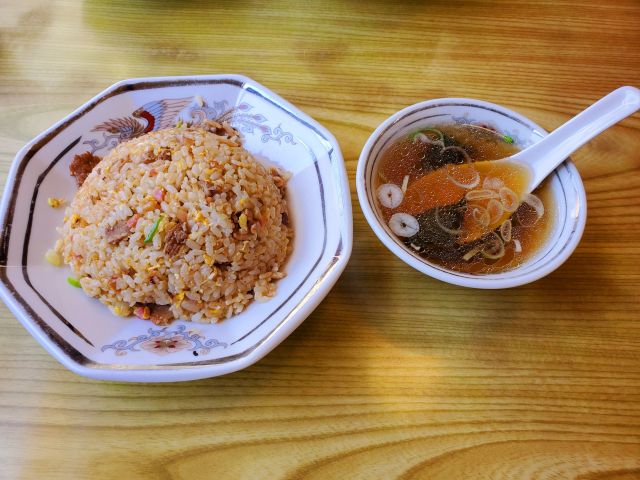
In Japan, fried rice at a ramen shop or neighborhood Chinese restaurant is often served with a small bowl of simple clear soup. You can make a quick version at home in just a few minutes.
For one serving, combine:
- 3/4 cup (180 ml) hot water
- 1/2 teaspoon Chinese-style chicken bouillon powder
- 1/2 to 1 teaspoon soy sauce
- A tiny amount of lard, optional
- White pepper to taste
- Finely chopped scallions
Stir until the bouillon dissolves and taste before adding more seasoning.
A tiny amount of lard gives the surface of the soup a richness reminiscent of ramen broth. If you do not use lard, a few drops of toasted sesame oil can add aroma, although the flavor will be different.
Frequently Asked Questions
Is chahan the same as yakimeshi?
They are both Japanese terms used for fried rice, and in everyday use they often overlap. Chahan tends to be associated with Chinese-influenced Japanese cooking and is especially common on ramen shop and Japanese-Chinese restaurant menus, while the word yakimeshi is also widely used in Japan.
Do I need day-old rice for Japanese fried rice?
No. Day-old rice is convenient because its surface is relatively dry, but freshly cooked rice can work if you spread it out and let excess steam escape before frying.
Is MSG necessary for restaurant-style chahan?
No. MSG is an optional way to add concentrated umami. Chicken bouillon, chashu seasoning, or other savory ingredients can provide much of the same flavor-building function.
Can I use vegetable oil instead of lard?
Yes. Neutral vegetable oil works well for cooking, but lard gives chahan a noticeably richer pork aroma that is difficult to reproduce with neutral oil alone.
Why does my fried rice get mushy?
The most common causes are overcrowding the pan, using rice with too much surface moisture, adding too much liquid seasoning, or cooking over insufficient heat. Smaller batches usually make the biggest difference on a home stove.
Should I put oyster sauce in Japanese fried rice?
You can, but it is optional. Use a small amount if you want deeper sweetness and umami. For a lighter ramen shop-style chahan, chicken bouillon, white pepper, pork fat, and a little soy sauce are often enough.
“`