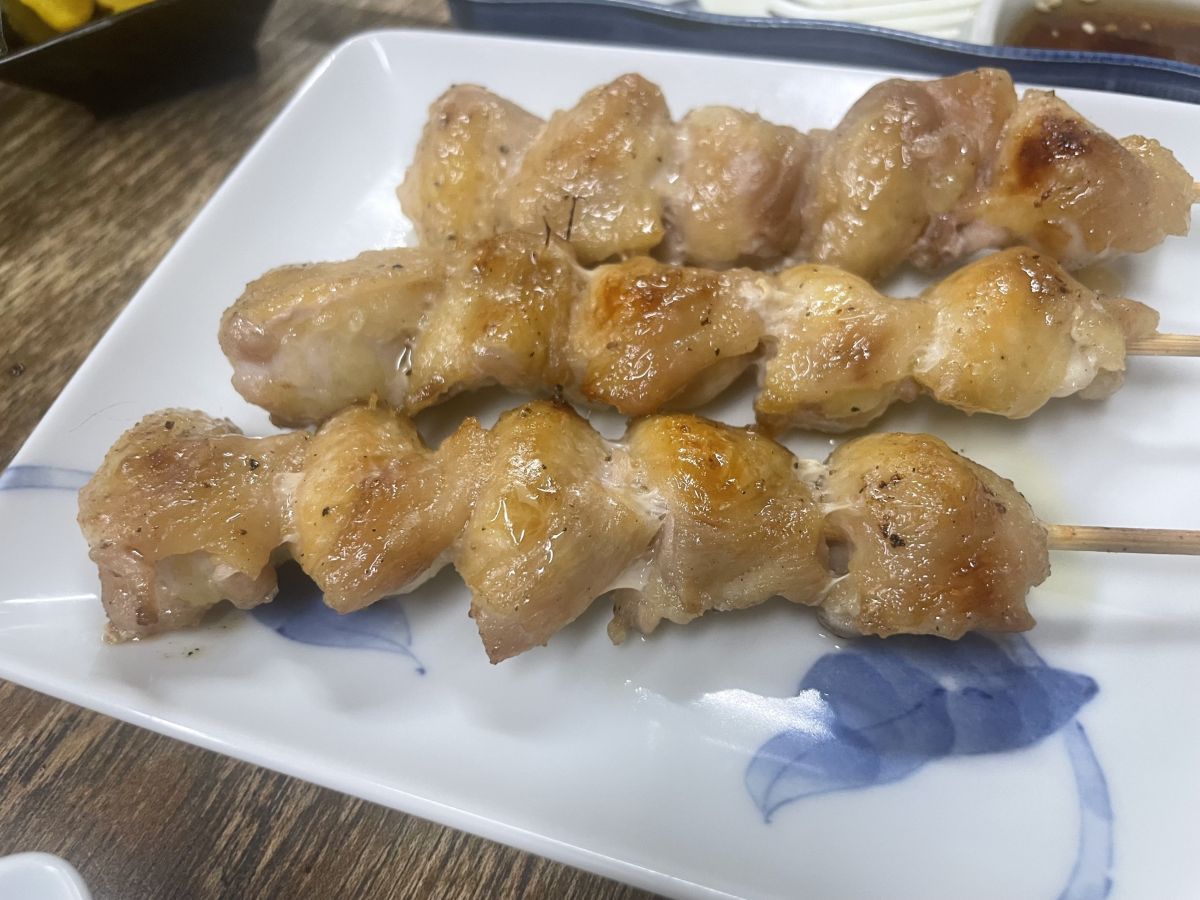
Bonjiri is the small, fatty cut of chicken from around the base of the tail. Often called chicken tail or chicken tail meat in English, it is especially popular as yakitori in Japan. A well-grilled bonjiri skewer has lightly crisp skin, a juicy center, and a rich chicken flavor.
If you’ve spotted bonjiri on a yakitori menu, here’s where it comes from, what it tastes like, how it compares with other cuts, and what to know before cooking it at home.
What Is Bonjiri?
Bonjiri is the meat surrounding a chicken’s tailbone, at the point where the tail meets the body. It includes a small amount of muscle along with skin and plenty of fat. Japan’s Ministry of Agriculture, Forestry and Fisheries also identifies bonjiri as the meat around the tailbone in its guide to chicken cuts.
It is sometimes described as the chicken’s “butt,” but that is only a casual way to explain its location. Bonjiri does not mean the entire rump, and it is not part of the thigh. The cut sits at the very back of the bird, beneath the base of the tail feathers.
Bonjiri Comes from the Tail End of the Chicken
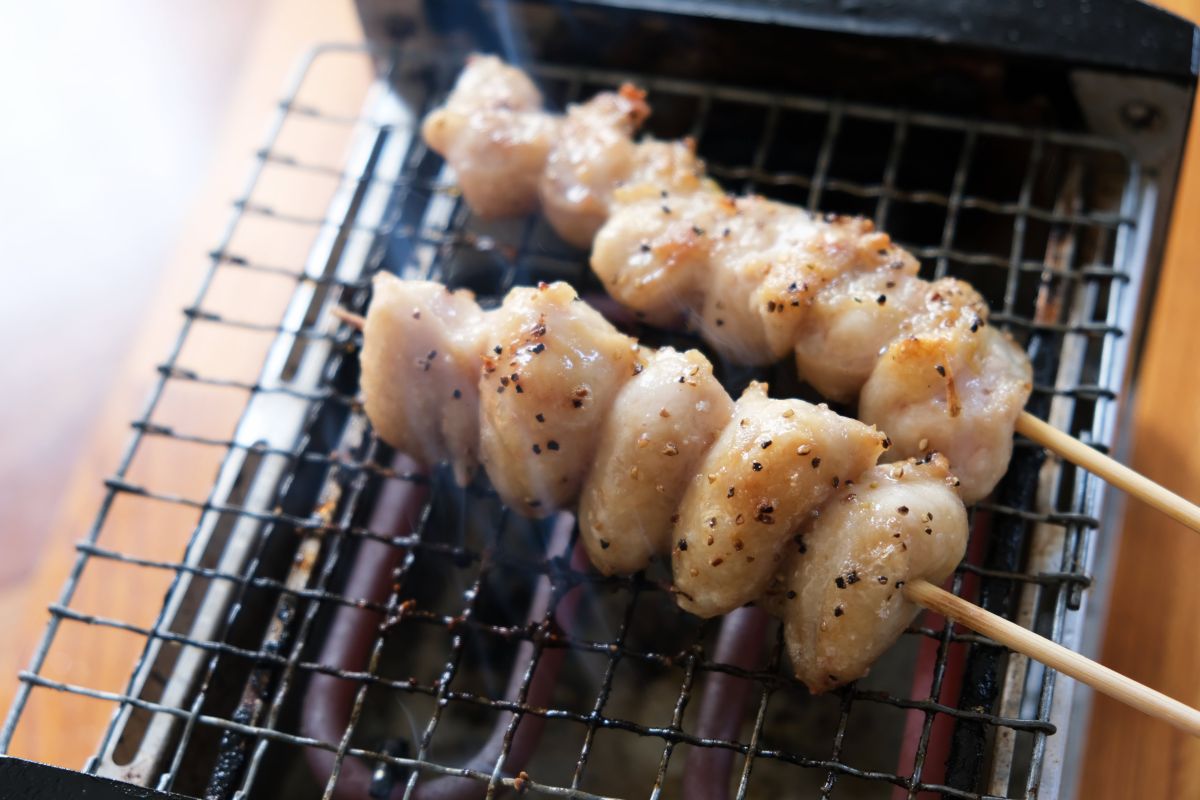
Bonjiri is often cut into a small, roughly triangular shape. That helps explain another Japanese menu name, sankaku, which means “triangle.” The exact shape and thickness depend on how the butcher removes the bone, trims the fat, and leaves the skin attached.
In English, “chicken tail” is usually the easiest explanation. If you’re looking at a whole chicken, focus on the base of the tail rather than the ends of the feathers.
Why Is Bonjiri Considered Rare?
Each chicken has just one tail area, so there is only one small bonjiri portion per bird. Unlike breast or thigh meat, it cannot be divided into many large servings. That limited yield helps make it a specialty yakitori cut.
However, “one per chicken” describes the anatomical area, not the number of pieces sold. A butcher may divide one tail portion into multiple smaller pieces, depending on preparation. A skewer generally holds several pieces, but the number of chickens represented by one skewer is not fixed.
What Does Bonjiri Taste Like?
Bonjiri is rich, savory, and noticeably fattier than lean chicken breast. If you enjoy the juicy edges of roasted chicken or the crisp skin on a well-grilled thigh, its flavor may appeal to you. It is a particularly satisfying cut in a few small bites.
Fatty, Juicy, and Rich
The defining feature is its fat. As bonjiri cooks, some of that fat renders and coats the meat, giving it a rounded, almost sweet-tasting richness. “Sweet” here refers to the mellow flavor of the fat, not added sugar.
In Japan, people sometimes compare bonjiri with toro, the prized fatty part of tuna. Bonjiri is not literally the same in flavor or texture, but the comparison captures its richness. If you usually prefer mild, lean chicken, you may find bonjiri quite heavy.
Crispy Outside, Soft Inside
When cooked well, the skin develops a lightly crisp, browned surface while the inside stays juicy and springy. The contrast between fragrant grilled skin and soft, rich fat is a big part of bonjiri’s appeal.
Cooking affects the texture. Excessive heat can burn the outside before the center is ready, while prolonged cooking may render away too much fat and leave the piece tougher or drier. A pale, under-browned surface may feel more soft and slippery than crisp.
Is Bonjiri Crunchy?
Not in the way chicken cartilage or gizzard is crunchy. Bonjiri has a gentle, bouncy chew from its small muscles, but its main qualities are juiciness and richness. A little crispness comes from the grilled skin, not from hard cartilage.
Bonjiri on a Yakitori Menu
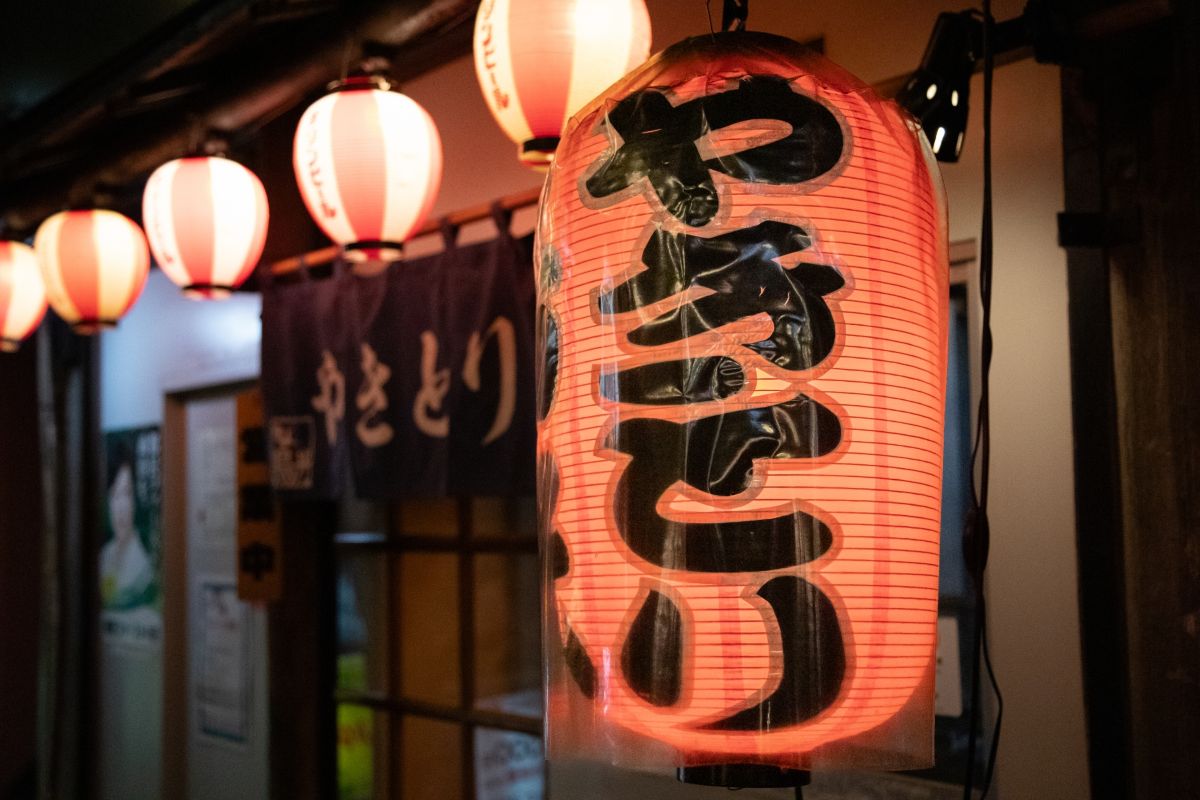
Yakitori means grilled chicken skewers, and bonjiri is one of the more distinctive cuts you may see at a yakitori restaurant or izakaya. Menus often list it alongside thigh, chicken skin, liver, heart, and other parts. The name may vary by restaurant, so knowing a few alternatives helps.
Common Names for Bonjiri
| Name | Meaning or usage |
|---|---|
| Bonjiri | A widely used Japanese name for the tail cut. |
| Sankaku | “Triangle,” referring to the prepared cut’s typical shape. |
| Bonbochi / Ponpochi | Alternative regional or restaurant-specific Japanese names. |
| Tail / Chicken tail | Simple English menu descriptions. |
| Chicken tail meat | A helpful term when speaking with a butcher. |
| Pope’s nose / Parson’s nose / Bishop’s nose | Traditional English nicknames for the tail end of poultry; not standard yakitori menu terminology. |
Specialist yakitori restaurants may also use names such as misaki or peta for cuts around the tail area. These labels are not used consistently everywhere, and a restaurant may distinguish them from bonjiri according to its own cutting method. Ask which part is being served if the menu lists several similar names.
How to Order Bonjiri in English
At a restaurant in Japan, simply asking for “bonjiri” is usually the clearest approach. At a Japanese restaurant outside Japan, “chicken tail” can make the meaning easier to understand. You could say:
- “Do you have bonjiri?”
- “I’d like one chicken tail skewer, please.”
- “Is this the fatty chicken tail cut?”
- “Can I get bonjiri with salt?”
- “Can I get bonjiri with tare sauce?”
Traditional names such as “pope’s nose” are interesting, but they are less likely to help when ordering Japanese yakitori.
Salt or Tare: Which Is Better for Bonjiri?
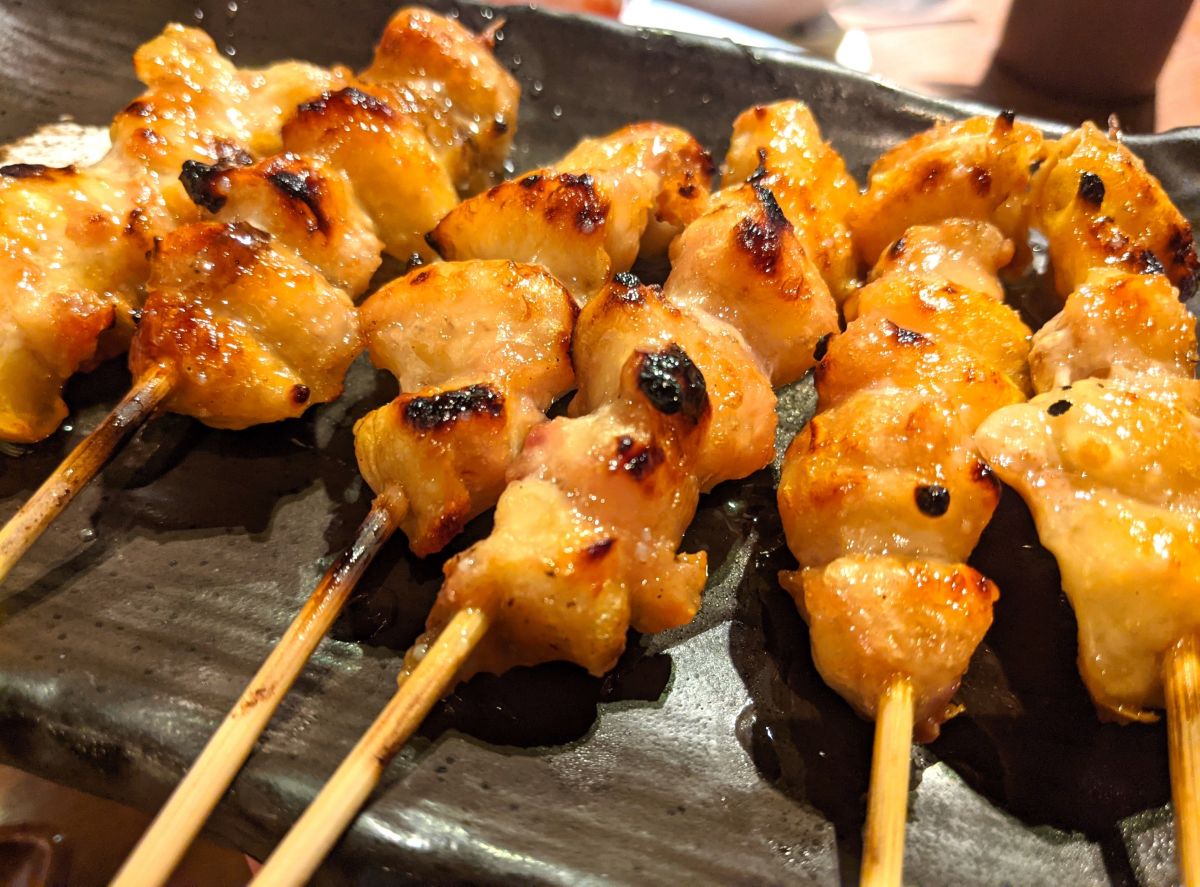
Yakitori is commonly served with shio (salt) or tare (a sweet-savory sauce usually made with soy sauce). Both work with bonjiri, but they highlight different qualities.
Salt lets the natural richness and chicken flavor stand out. For a first try, I would start with a lightly salted skewer. A small squeeze of lemon can brighten the finish without covering up the cut’s character.
Tare brings a sweeter, more savory coating that caramelizes on the grill. It is a good choice if you prefer a bolder flavor. Black pepper, shichimi (Japanese seven-spice seasoning), yuzu kosho, or citrus such as sudachi are other possible additions, but try one at a time so you can still taste the meat.
What Makes a Good Bonjiri Skewer?
Look for gently browned skin and pieces that still have some thickness and juiciness. Because bonjiri releases a lot of fat, experienced yakitori cooks manage the heat carefully to develop color without scorching the surface.
If several rich skewers feel like too much, alternate bonjiri with grilled scallions, vegetables, or lighter chicken cuts. Bonjiri works well as a small, flavorful highlight of a yakitori meal.
Is Bonjiri the Same as Chicken Skin?
No. Chicken skin is the outer skin itself, while bonjiri includes skin, fat, and some muscle around the tailbone. That combination makes bonjiri thicker and more meaty than a typical chicken skin skewer.
Bonjiri vs. Chicken Skin, Seseri, and Sunagimo
| Cut | Where it comes from | Texture | Main appeal |
|---|---|---|---|
| Bonjiri | Base of the tail | Springy, juicy, with crisp skin when grilled | Very rich, fatty chicken flavor |
| Chicken skin | Skin from the bird | Crispy or chewy, depending on cooking | Rendered fat and grilled skin |
| Seseri | Muscles around the neck | Firm, pleasantly chewy meat | Meaty flavor and satisfying bite |
| Sunagimo (gizzard) | Muscular part of the digestive system | Firm, crunchy chew | Milder flavor and distinctive texture |
Choose bonjiri when you want richness, seseri when you want a stronger meaty chew, or sunagimo when you prefer a firmer, less fatty bite. For more on the last cut, see our guide to sunagimo (Japanese chicken gizzards).
Is Bonjiri Healthy?
Bonjiri is one of the fattier chicken cuts. That does not make it inherently unhealthy, but it is different from choosing chicken breast or tenderloin as a lean source of protein. Portion size and the rest of the meal matter.
Bonjiri Is High in Fat and Calories
There is no single reliable calorie number that applies to every bonjiri skewer or every 100 grams (about 3.5 ounces). The amount of skin and fat left on the cut, how it is trimmed, how much fat renders during grilling, and whether it is served with tare all affect the finished dish.
If you need specific nutrition figures, use the label on the product you buy or the restaurant’s own published information. A number for chicken thigh or skin should not automatically be presented as the exact value for bonjiri.
How Much Bonjiri Should You Eat?
There is no universal number of skewers that suits everyone. A small portion may be satisfying because of the rich flavor. If you prefer a lighter meal, combine it with vegetables, cabbage, cucumber, grated daikon, or other less fatty dishes.
Salt and tare also differ in their seasonings: tare typically adds sugar and sodium. Anyone managing a medical condition or following a specific diet should rely on individual dietary advice rather than a general rule about this cut.
Can You Make Bonjiri at Home?
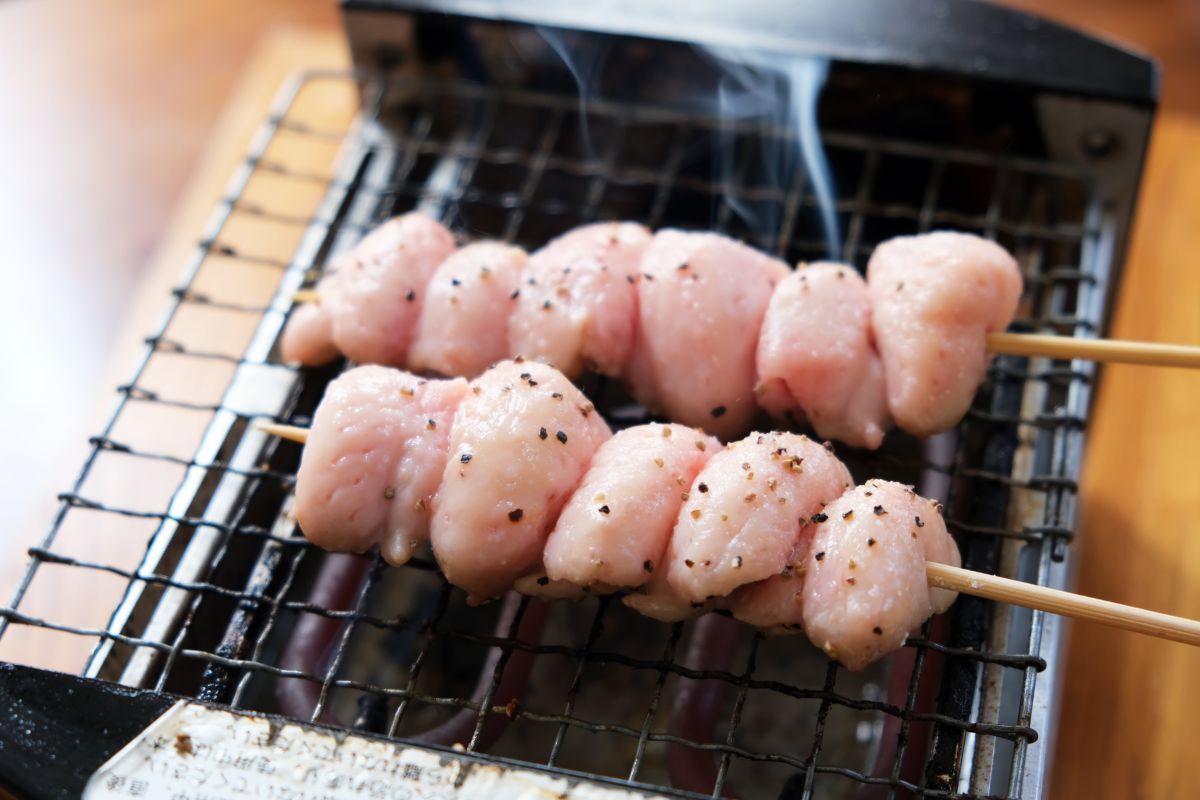
Yes. Bonjiri can be cooked in a skillet or on a grill, but buying it properly prepared makes the process much easier. Before cooking, check whether the product is boneless, trimmed, pre-skewered, or ready to cook. Those descriptions do not necessarily mean the same thing.
Why Bonjiri Can Be Hard to Find Outside Japan
Chicken tails are not commonly sold as a separate cut in many mainstream supermarkets outside Japan. Asian butcher shops, Japanese grocery stores, specialty poultry suppliers, and frozen yakitori suppliers may be more promising places to ask.
Because each chicken supplies only one small tail portion, gathering enough for a batch of skewers takes more birds than gathering the same number of pieces from a large cut such as the thigh.
What to Ask for at a Butcher
If the butcher does not recognize the word “bonjiri,” ask for:
- Chicken tails or chicken tail meat
- The fatty part at the base of a chicken’s tail
- The cut used for Japanese bonjiri yakitori
- Boneless, trimmed chicken tails with the oil gland removed, if available
Ask whether the pieces still contain the tailbone, feathers or feather shafts, and the oil gland. “Boneless” alone does not necessarily mean that every other part has been trimmed.
Bonjiri Needs Proper Cleaning
Prepared bonjiri may only need to be patted dry and seasoned before cooking. Unprocessed chicken tails can contain small bones, stray feather shafts, and a gland near the tail. Trimming such a small cut takes care, so beginners may find pre-cleaned products easier to handle.
Do not rinse raw chicken under running water. Splashing can spread bacteria around the sink and kitchen. Instead, pat away surface moisture with disposable paper towels, wash your hands after handling the meat, and thoroughly clean utensils and cutting boards. The USDA explains why washing raw poultry is not recommended.
What Is the Oil Gland in Chicken Tail?
Near the upper side of a bird’s tail is the preen gland, also called the uropygial gland or oil gland. Birds use its secretions during feather care. In Japanese preparation, the gland and nearby fatty tissue may be referred to as aburatsubo.
Some cooks remove this area to reduce a strong or distinctive smell and improve the flavor. That does not mean the gland should automatically be described as “poisonous.” Preparation practices and the amount removed can vary.
If you buy untrimmed tails and cannot identify the gland or bone confidently, ask a butcher to prepare them rather than making deep cuts into the small piece of meat. If your package says the tail has already been cleaned and trimmed, follow the seller’s instructions.
How to Cook Bonjiri in a Pan
- Use thawed, properly trimmed bonjiri. Pat it dry and season lightly with salt.
- Arrange the pieces in a skillet without overcrowding. Because they release plenty of fat, little or no added oil may be needed, depending on the pan.
- Cook over moderate heat, turning the pieces so the skin browns without burning. If a large amount of fat collects, carefully manage or drain it without splashing hot grease.
- Check the thickest part with a food thermometer. Cook until the internal temperature reaches at least 165°F (74°C).
- Serve with lemon, pepper, or a little tare if you like. Use a clean plate and clean utensils for the cooked chicken.
The cooking time depends on the size of the pieces, their starting temperature, and your stove. Do not rely on browning or a fixed number of minutes to decide whether the chicken is cooked through.
Grilling Bonjiri Safely
Grilling helps excess fat drip away and produces the smoky, lightly crisp surface associated with yakitori. Keep similarly sized pieces together on skewers and leave enough space for the heat to circulate.
Bonjiri can cause flare-ups when fat drips toward a heat source. Watch the grill carefully, follow the grill manufacturer’s safety instructions, and adjust the heat if flames rise. A nicely browned surface does not guarantee that the center is safely cooked.
For home cooking in the United States, the USDA recommends a minimum internal temperature of 165°F (74°C) for poultry, measured with a food thermometer. Japan’s Ministry of Health, Labour and Welfare advises heating the center of meat to 75°C (167°F) for at least one minute in its Campylobacter prevention guidance. These are country-specific guidelines, not instructions to serve bonjiri rare. Raw or undercooked chicken can carry foodborne pathogens even when it looks fresh.
How to Store and Thaw Bonjiri
Follow the product’s use-by date, storage temperature, and cooking directions. Keep raw poultry refrigerated at 40°F (4°C) or colder, or frozen at 0°F (-18°C) or colder. Keep it separate from ready-to-eat foods to prevent raw juices from contaminating them.
Thaw frozen bonjiri in the refrigerator when possible. Cold-water thawing in leak-proof packaging and microwave thawing are also recognized safe methods, but chicken thawed using either of those methods should be cooked immediately. Never leave raw poultry on the counter to thaw. For further details, see the FDA’s safe food handling guidance.
If you buy frozen bonjiri skewers, check whether the package says they are raw, partially cooked, or fully cooked, and follow its cooking instructions. Do not judge safety from appearance or smell alone.
Frequently Asked Questions
Is bonjiri literally the chicken’s butt?
It is near the back of the chicken, but more precisely it is the small cut around the base of the tail and tailbone. It is not the entire rump or thigh.
Does one chicken provide only one piece of bonjiri?
There is one tail region per chicken, but that portion can be divided into more than one piece. The number of pieces on a skewer therefore varies.
Does bonjiri have bones?
It can. Some raw products still include the tailbone, while prepared yakitori cuts may be deboned. Check the product description or ask the butcher before cooking.
Is bonjiri the same as pope’s nose?
“Pope’s nose” and similar traditional English names refer to the tail end of poultry. They can help describe the general area, but “bonjiri” or “chicken tail” is clearer when ordering Japanese yakitori.
Can bonjiri be eaten rare?
No. Treat it like other chicken cuts and cook it thoroughly. For US home cooking, check that the thickest part reaches at least 165°F (74°C) with a food thermometer.