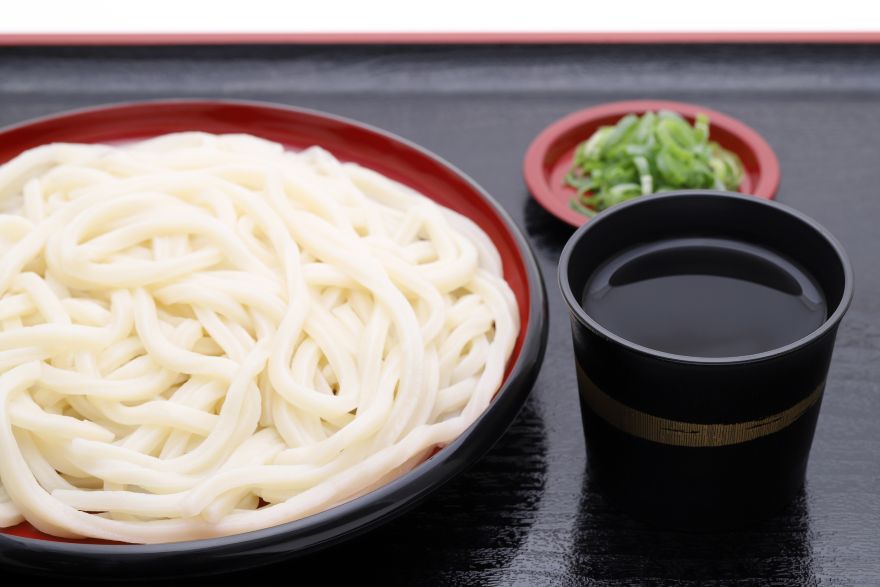
Yes, you can cook dried udon noodles in the microwave, and you don’t need a pot or a stove. With enough water, a microwave-safe container, and the right cooking time, you can make tender, pleasantly chewy udon using equipment you may already have in your kitchen.
The easiest starting point is to add approximately 4–5 minutes to the package’s boiling time when cooking at 600 watts from cold water. However, this is only a guideline. The actual time depends on the amount of water, the thickness of the noodles, and your microwave’s power.
This method is specifically for dried udon noodles, not frozen udon or the soft, pre-cooked noodles sold in vacuum-sealed packages. Those varieties generally require much less heating.
Here is how to microwave dried udon without ending up with sticky clumps, a hard center, or starchy water all over your microwave.
How to Cook Dried Udon Noodles in the Microwave
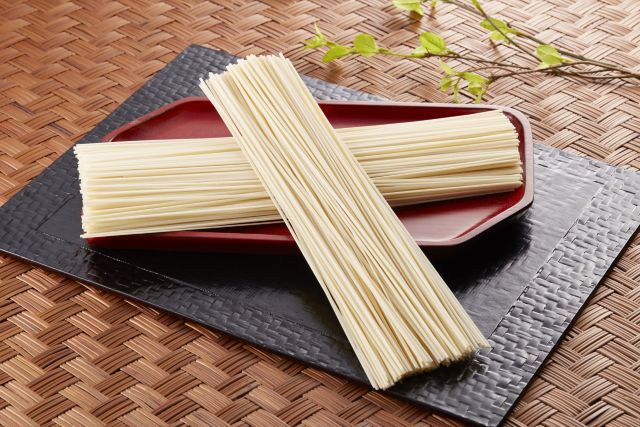
Dried udon is made from wheat flour, water, and salt. Unlike pre-cooked udon, dried noodles need enough time in hot water to absorb moisture and soften throughout.
The technique is similar to cooking dried pasta in the microwave, but udon’s starch content and noodle thickness make water level and stirring particularly important.
What You Need
- 100 g (3.5 oz) dried udon noodles, approximately one serving
- Enough water to completely submerge the noodles
- A large microwave-safe glass or ceramic bowl, preferably around 2–2.5 liters (roughly 2–2.6 US quarts) in capacity, or a microwave pasta cooker approved for this use
- Chopsticks, a fork, or another heat-safe utensil for stirring
- A colander or suitable draining attachment
- Oven mitts for handling the hot container
For a single serving in a narrow microwave pasta cooker, approximately 500–800 ml (about 2–3 1/3 US cups) of water may be sufficient. A wider bowl may require more. The important thing is to keep the noodles submerged while leaving plenty of room above the water for bubbling.
Do not fill the container to the rim or exceed its maximum fill line. Use only containers rated for microwave cooking and prolonged contact with hot water.
Step-by-Step Instructions
- Place the dried udon in your container. Spread the noodles out rather than stacking them in a tight bundle. If they are too long for your bowl, break them in half.
- Add water. Pour in enough cold water to cover the noodles completely, ideally by approximately 1 inch (2.5 cm), provided the container has sufficient room to prevent overflow.
- Leave room for steam and foam. For an ordinary bowl, cook uncovered. If using a specialized pasta cooker, follow its instructions regarding the lid and ventilation.
- Microwave the noodles. At 600 watts, a starting estimate is the package’s boiling time plus 4–5 minutes when using a relatively modest amount of cold water.
- Pause and stir. After the first 3–4 minutes, carefully stir and separate the noodles. Repeat later if necessary, especially if they begin sticking together.
- Check the texture. When the estimated time is nearly finished, carefully remove a noodle and taste it once it has cooled enough. It should be tender throughout without a hard, chalky center.
- Adjust if necessary. If the noodles are still firm, continue heating in 30–60-second intervals, stirring and checking between intervals. Add more hot water if the noodles are no longer fully submerged.
- Drain and rinse. Carefully pour the noodles into a colander and rinse with cool running water to remove excess surface starch.
For chilled udon, finish with an ice-water bath. For hot udon soup, you can transfer the rinsed noodles directly into hot broth.
Safety note: The bowl, water, and steam can be extremely hot. Move the container carefully, avoid leaning over rising steam, and never handle it without adequate protection.
Microwave Cooking Time Chart
These estimates are based on the practical timing method used in the original Japanese cooking guide. They are starting points rather than universally tested cooking times.
| Microwave Power | Starting Water | Estimated Cooking Time |
|---|---|---|
| 500W | Cold water | Package boiling time + 5–6 minutes |
| 600W | Cold water | Package boiling time + 4–5 minutes |
| 600W | Boiling water | Approximately the package boiling time, then check |
For example, if your dried udon package recommends 10 minutes of boiling, a reasonable initial estimate at 600 watts with cold water is 14–15 minutes.
However, the amount of water makes a substantial difference. Heating 1.5–2 liters of cold water can take considerably longer than heating 500–800 ml. Do not apply the same time formula to very different water quantities without checking the noodles and water temperature.
Many microwaves in the United States have higher maximum power ratings, such as 900–1,200 watts. If your microwave allows you to select a lower power setting, you can use the 500W or 600W estimates as a reference. Otherwise, begin checking earlier and adjust in short intervals.
Microwave performance varies by model. If your udon package or microwave pasta cooker provides specific microwave instructions, prioritize those instructions.
Microwave Pasta Cooker vs. Large Bowl
You don’t need specialized equipment to microwave dried udon. Two practical options are a microwave pasta cooker or a large microwave-safe bowl.
In Japan, inexpensive microwave pasta cookers are commonly sold at stores such as Daiso, Seria, and Can Do. Outside Japan, similar products may be sold as microwave pasta cookers or microwave noodle cookers.
These are convenient for individual servings, but a large bowl can provide more room for the noodles to separate.
| Feature | Microwave Pasta Cooker | Large Microwave-Safe Bowl |
|---|---|---|
| Best for | Convenience and small servings | More room and flexible water quantities |
| Water capacity | Limited by the cooker’s fill line | Varies by bowl size and safe fill level |
| Noodle movement | Less room to separate | More room for stirring |
| Draining | Some have built-in draining holes | Usually requires a colander |
| Main drawback | Starch buildup and foaming | A larger bowl can be harder to handle |
For convenience: A dedicated microwave pasta cooker is useful when preparing one serving. Choose one that accommodates the noodles and allows adequate water and steam space.
For texture: A large bowl is often easier to work with because you can stir the noodles more freely. More water can also dilute the starch released during cooking, although heating additional water requires more time and energy.
A bowl with a capacity of at least 2.5 liters is useful if it fits comfortably inside your microwave. You do not need to fill it completely.
Whichever container you choose, check that it is microwave-safe. An ordinary plastic food-storage container is not automatically suitable for boiling noodles. The U.S. Food and Drug Administration’s microwave guidance explains why some plastics are unsuitable for microwave heating.
Cold Water vs. Boiling Water: Which Works Better?
You can start cooking dried udon with either cold water or freshly boiled water. Both methods can work, but they require different timing and may produce slightly different textures.
Starting with cold water is the simplest option because you don’t need to boil water separately. The noodles gradually hydrate as the water heats. Depending on the noodle thickness and cooking time, this method may produce a slightly softer texture.
The main disadvantage is that you need to account for the time required to heat the water. This becomes especially important when using a large bowl with a substantial amount of water.
Starting with boiling water reduces the microwave time needed to bring the water up to temperature. The noodles begin cooking in hot water immediately, which may help produce a firmer texture when the cooking time is carefully controlled.
If using a kettle, transfer the boiling water carefully into a container rated for that temperature. At 600 watts, you can begin with approximately the package’s recommended boiling time, then test the noodles and adjust as needed.
For cold udon dishes where a firmer bite is desirable, a boiling-water start is worth trying. For a simple lunch without extra equipment, starting with cold water is perfectly reasonable.
Neither method guarantees a particular texture. The noodle brand, thickness, water quantity, and final cooking time all matter.
How to Fix Common Microwave Udon Problems
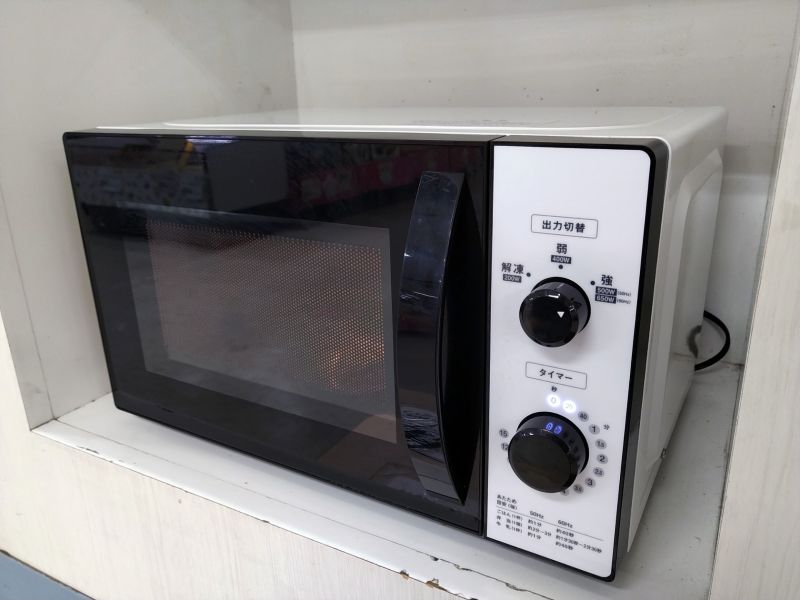
The three most frequent issues are boiling over, undercooked centers, and noodles sticking together. Most can be improved with a suitable container, enough water, and a quick stir during cooking.
The Water Boils Over
Udon releases starch into the cooking water. As the water boils, foam can form and rise, sometimes spilling over the edge of the container.
To reduce the risk:
- Use a larger, deeper microwave-safe container.
- Leave generous space between the water surface and the rim.
- Do not seal an ordinary bowl with an airtight lid.
- Follow the lid instructions for specialized microwave cookers.
- Pause heating if foam approaches the rim, allow it to settle, and continue at a suitable lower power if needed.
- Cook one serving at a time until you know how your microwave handles the recipe.
A lid is not a substitute for adequate headspace. Even an uncovered bowl can overflow if it is too full.
The Noodles Are Hard in the Middle
If the outside of your udon is soft but the center remains hard, the noodles have not cooked evenly or long enough.
First, make sure the noodles remain submerged in hot water. If they are only slightly underdone, leaving them in the hot cooking water for another 1–2 minutes may help the center soften.
If they are still noticeably hard, stir and microwave in additional 30–60-second intervals. Check the texture after each interval rather than adding several minutes all at once.
Thicker varieties of dried udon may need more time than thin noodles. Always use the package instructions as your reference.
The Noodles Stick Together
When dried udon is crowded together, starch released during cooking can make neighboring strands cling to each other.
The easiest solution is to stir during cooking.
- Pause the microwave after approximately 3–4 minutes.
- Carefully separate the noodles using chopsticks or a heat-safe utensil.
- Make sure all the strands remain under the water.
- Continue heating and stir again if necessary.
If your noodles repeatedly stick together, try a larger bowl or cook a smaller portion.
After draining, rinsing under running water helps wash away the slippery layer of surface starch.
This is particularly useful when preparing Japanese-style cold udon, where a smooth but distinct noodle texture is part of the appeal.
How to Make Cold Udon With a Better Texture
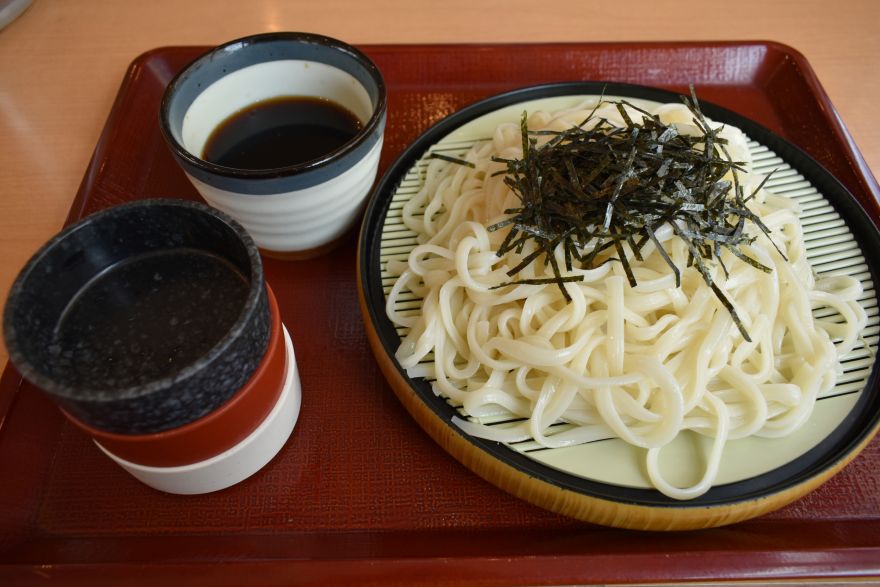
Cold udon is one of the simplest Japanese noodle meals to make on a hot day.
One popular version is zaru udon, which is served chilled with a separate dipping sauce. The noodles are typically rinsed after cooking and served with a concentrated noodle sauce that has been diluted according to its label.
The cold-water rinse is important because it removes excess surface starch and stops the noodles from continuing to soften in hot water.
For especially refreshing chilled udon, use this method:
- Cook the dried udon until tender throughout.
- Immediately drain the hot cooking water.
- Rinse the noodles thoroughly under cool running water.
- Transfer the noodles to a bowl of ice water and gently separate them.
- Once thoroughly chilled, drain well and serve.
Cooling the noodles quickly gives them a firmer, cleaner bite and prevents them from remaining hot enough to continue cooking.
Serve with diluted mentsuyu, sliced scallions, grated ginger, or other toppings you enjoy.
What is mentsuyu? It is a Japanese noodle sauce or soup base typically made with soy sauce, dashi, and sweet seasonings. Concentrated versions need to be diluted, so always check the bottle’s instructions.
You can find mentsuyu at many Asian grocery stores and Japanese food retailers. If it is unavailable, a simple dashi broth seasoned with soy sauce can work as an alternative.
Two Easy Microwave Udon Recipes
Once you know how to microwave dried udon, you can turn the cooked noodles into a complete meal without using a stovetop.
These two Japanese-inspired variations are designed for one serving and use simple ingredients. Cook the noodles separately before making the sauce or soup so you can control the texture and avoid excessive starch buildup.
Creamy Udon Carbonara
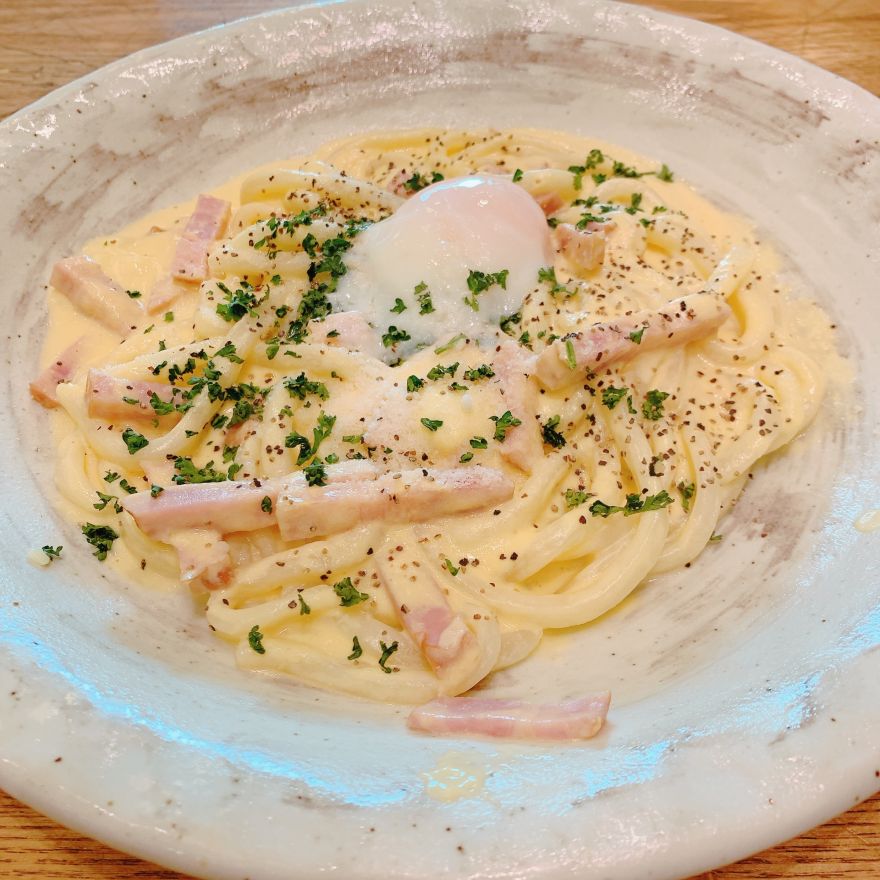
This Japanese-style udon carbonara combines chewy wheat noodles with butter, cheese, bacon, and egg yolk for a creamy sauce.
Unlike traditional Italian carbonara, this variation includes a little milk and uses udon instead of pasta.
Ingredients (1 serving)
- 100 g (3.5 oz) dried udon noodles
- 2 slices fully cooked bacon, chopped
- 1 pasteurized egg yolk
- 2 tablespoons grated Parmesan cheese
- 10 g (about 2 teaspoons) butter
- 1 tablespoon milk
- 1/2 teaspoon instant chicken stock powder, optional
- Freshly ground black pepper, to taste
- 2–3 tablespoons reserved udon cooking water
Instructions
- Microwave the dried udon in water using the basic method above until fully cooked.
- Before draining, reserve 2–3 tablespoons of the starchy cooking water.
- Drain the noodles and return them to a warm microwave-safe bowl.
- Add the butter, fully cooked bacon, Parmesan, milk, and optional stock powder. Stir until the butter melts.
- Add the pasteurized egg yolk and toss quickly to create a creamy coating.
- Add a little reserved cooking water at a time until the sauce reaches your preferred consistency.
- Finish with freshly ground black pepper and serve immediately.
The reserved noodle water contains starch that helps the sauce cling to the udon. Add it gradually rather than pouring it all in at once.
Egg safety: Tossing raw egg yolk with hot noodles does not guarantee that the egg reaches a safe cooking temperature. Use a pasteurized egg product for a lightly cooked sauce. If pasteurized eggs are unavailable, omit the yolk and use a little cream cheese and extra milk for a creamy egg-free variation. See the FDA’s egg safety guidance for further information.
Japanese Curry Udon With Pork
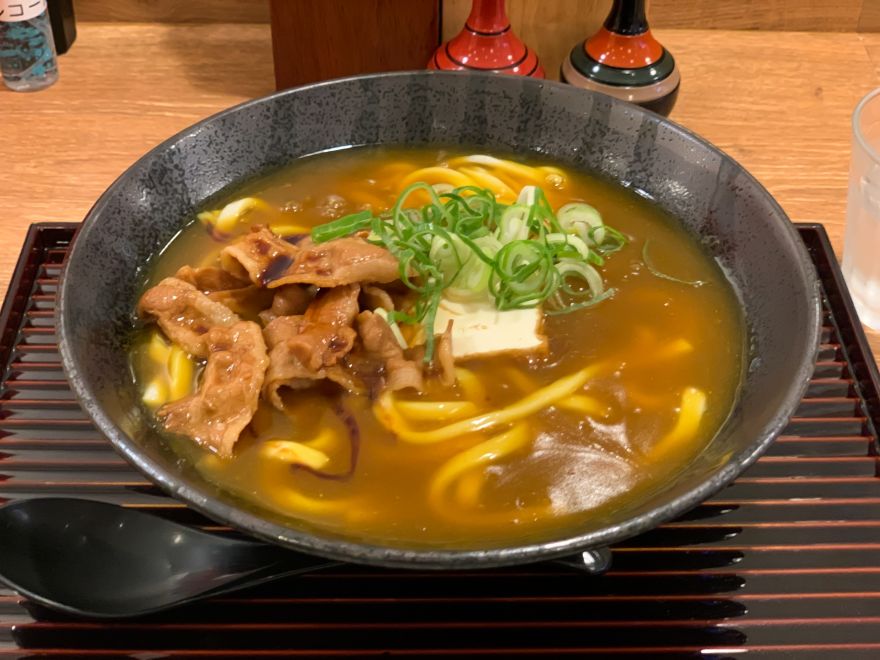
Curry udon is a popular Japanese comfort food that combines thick wheat noodles with a savory Japanese-style curry broth.
The easiest microwave approach is to cook the noodles separately before adding them to the curry sauce.
If you try cooking dried udon directly in curry broth, released starch may make the broth excessively thick before the noodles are fully cooked.
Ingredients (1 serving)
- 100 g (3.5 oz) dried udon noodles
- 250 ml (about 1 US cup) water for the soup
- 2 tablespoons triple-concentrated mentsuyu
- 1 small block of Japanese curry roux, adjusted to taste
- 50–75 g (1.8–2.6 oz) fully cooked, sliced pork or pork belly
- 1/4 small onion, thinly sliced
- Optional sliced scallions for serving
Instructions
- Microwave the dried udon in plain water until cooked. Drain and set aside.
- Place the sliced onion and 250 ml of water in a large microwave-safe bowl. Heat in short intervals until the onion becomes tender, stirring as needed.
- Add the mentsuyu and chopped Japanese curry roux. Stir thoroughly and heat in short intervals until the roux dissolves and the sauce becomes smooth.
- Add the cooked udon and fully cooked pork. Stir so the noodles are coated with the curry broth.
- Microwave again in short intervals, stirring between intervals, until the soup is bubbling and the pork is heated thoroughly. Previously cooked refrigerated meat should reach 165°F (74°C) throughout when reheated.
- Let the bowl stand briefly, stir carefully, and garnish with scallions if desired.
What is Japanese curry roux? It is a prepared curry seasoning and thickening mixture, usually sold in solid blocks. It is different from plain curry powder and is widely available at Japanese and other Asian grocery stores.
If you cannot find mentsuyu, use a light dashi broth seasoned with soy sauce. Adjust the curry roux quantity because the saltiness and thickness vary between brands.
Food safety: This microwave version uses fully cooked pork rather than raw pork to make the final heating step easier to control. Microwave heating can be uneven, so stir thoroughly and check that refrigerated leftovers are reheated safely. The USDA’s safe-temperature chart provides recommended temperatures for meat and leftovers.
Frequently Asked Questions
Can you microwave dried udon noodles without water?
No. Dried udon needs water to rehydrate and cook properly. Heating dry noodles without sufficient water can leave them hard, cause scorching, or damage your container.
Is microwave cooking the same for dried and frozen udon?
No. Dried udon requires substantial cooking time to absorb water. Frozen udon is often already cooked and usually needs only a short reheating period. Follow the package instructions for the specific type you purchased.
Can you cook dried udon in a regular plastic container?
Only if the container is specifically labeled as suitable for microwave cooking and the temperatures involved. Disposable takeout containers and ordinary plastic storage tubs should not be assumed safe for boiling noodles.
Should you rinse udon noodles after microwaving?
Rinsing is recommended when you want to remove surface starch, especially for chilled udon. For hot soup, you can briefly rinse the cooked noodles before transferring them to the hot broth. For dishes that use starchy cooking water in the sauce, reserve a little water before draining.
Can you microwave two servings of dried udon at once?
Yes, if your container and microwave can safely accommodate the noodles and water. However, larger portions need more room, more stirring, and potentially longer heating. Cooking one serving at a time is often easier until you have established a reliable method for your equipment.