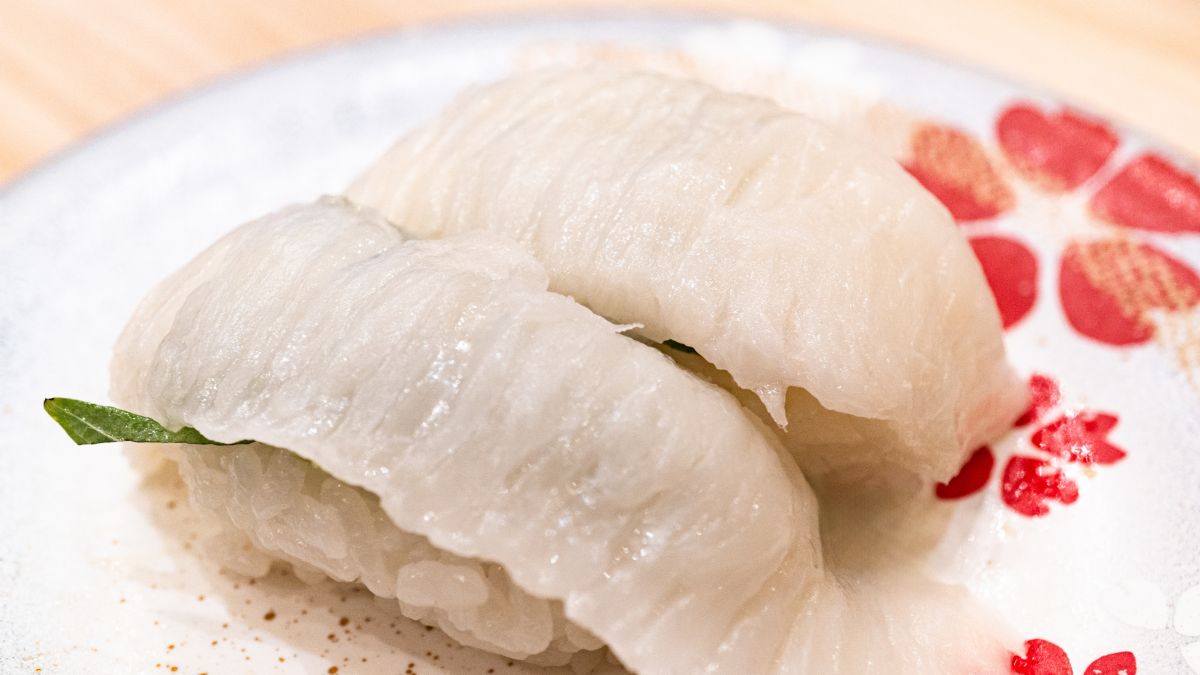
One piece of nigiri sushi typically weighs about 25–40 grams (0.9–1.4 oz) including the topping. Of that, the seasoned rice, called shari, is often around 15–20 grams (0.5–0.7 oz). The fish or other topping makes up the rest.
These are practical estimates, not standardized serving weights. A piece made by a sushi chef may be smaller or larger than one sold at a conveyor-belt restaurant or in a supermarket. This guide focuses on nigiri—a small mound of vinegared rice topped with fish or another ingredient—not slices of sushi rolls or sashimi.
How Much Does One Piece of Nigiri Sushi Weigh?
Rice (Shari): About 15–20 Grams
In Japan, 15–20 g is a useful starting estimate for the rice in one piece of nigiri. A smaller piece might use about 15 g, while a more generous one might use 20 g or more. The rice is already cooked and seasoned; these figures do not refer to dry, uncooked rice.
There is a real-world reason to treat this as a range. Japanese sushi-equipment manufacturer Suzumo lists 16, 18, 20, and 22 g settings for its SSN-KTA rice-forming machine. Those are available machine settings, not a claim that every restaurant uses the same weight.
Hand-formed nigiri can vary even within one meal. A chef adjusts the rice to suit the topping, and a loosely formed piece may look larger than a more compressed piece of the same weight.
Fish or Other Toppings (Neta): Roughly 10–20 Grams
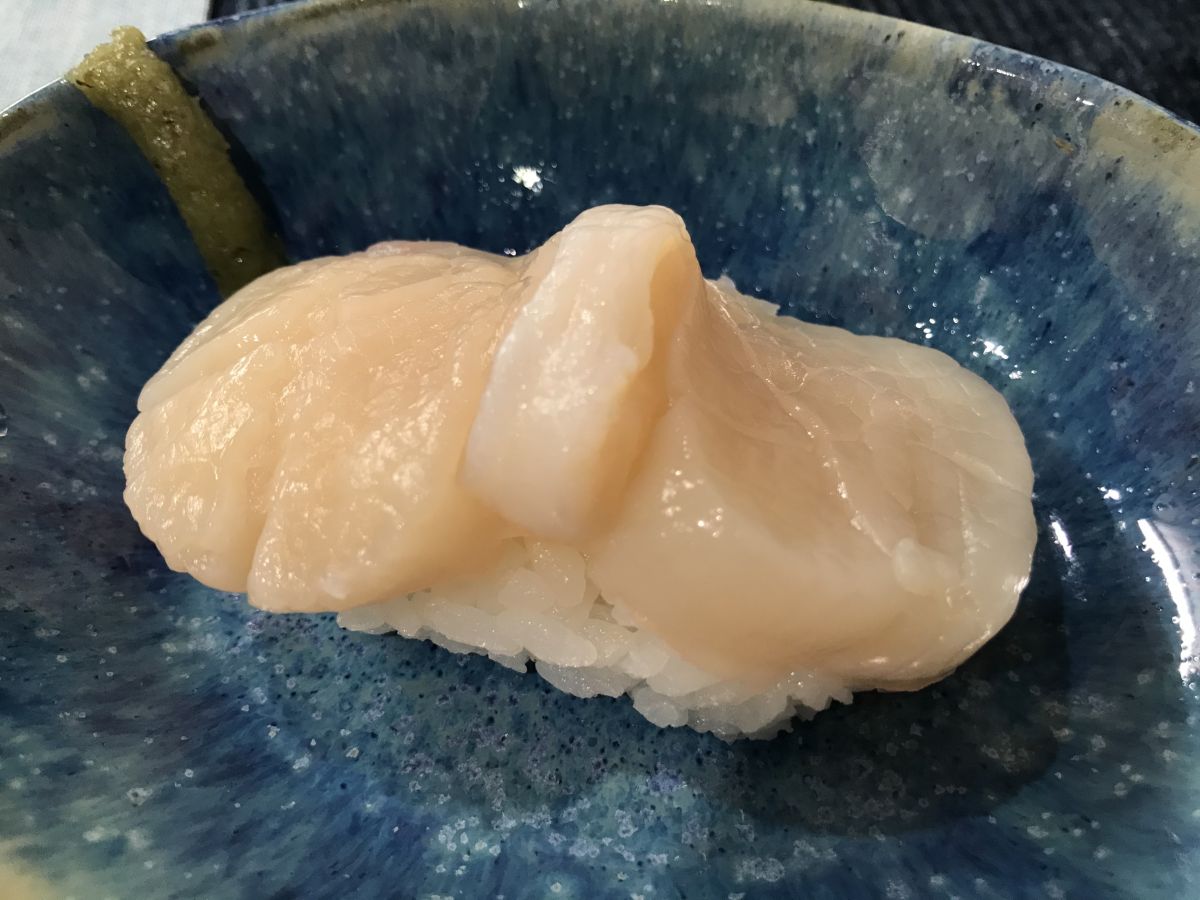
The topping is called neta in Japanese. If a piece has 15–20 g of rice and approximately 10–20 g of topping, its combined weight is around 25–40 g. This is a calculation-based estimate rather than an industry-wide rule.
Thin slices of white fish or squid may weigh less than thick-cut tuna or salmon. Large shrimp, eel (anago), and thick tamago (Japanese omelet) can change the proportions considerably. Gunkan-style sushi, with toppings such as salmon roe or minced tuna held by a strip of nori, is another case where the weight depends on how generously it is filled.
Traditional Edomae sushi may also use marinated, vinegar-cured, simmered, or otherwise prepared toppings. Different cuts and preparations affect moisture and weight, so appearance alone cannot tell you the grams. In Japanese sushi-making, the balance between rice and topping matters more than maximizing size.
How Much Rice Is in 5, 8, 10, 12, or 20 Pieces of Nigiri?
Once you know the amount of rice per piece, the total is straightforward: multiply the rice weight by the number of nigiri pieces you eat.
| Number of nigiri pieces | 15 g rice per piece | 18 g rice per piece | 20 g rice per piece |
|---|---|---|---|
| 5 | 75 g | 90 g | 100 g |
| 8 | 120 g | 144 g | 160 g |
| 10 | 150 g | 180 g | 200 g |
| 12 | 180 g | 216 g | 240 g |
| 20 | 300 g | 360 g | 400 g |
Ten pieces of nigiri contain approximately 150–200 g (5.3–7.1 oz) of prepared rice at these portion sizes. At 18 g per piece, the total is 180 g (6.3 oz). Adding the toppings brings the estimated weight of ten complete nigiri pieces to around 250–400 g (8.8–14.1 oz), although actual restaurant portions can fall outside that range.
This explains why a meal of individual, bite-size pieces can contain more rice than it seems at first glance. The count is useful, but the size of each piece matters too.
How Many Pieces of Nigiri Equal a Bowl of Rice?
A Japanese bowl of cooked rice is often estimated at about 150 g (5.3 oz) for a simple portion comparison, although bowls and serving habits vary. At that reference size, approximately 7–10 pieces of nigiri contain a similar weight of rice.
For example, ten nigiri pieces with 15 g of rice each add up to 150 g—one bowl by this comparison. If they have 20 g each, the total is 200 g, or about 1.3 such bowls. Twelve pieces would provide about 180–240 g of prepared rice, equivalent to roughly 1.2–1.6 bowls.
This is a comparison of rice weight, not exact nutrition. Sushi rice is seasoned with vinegar, and often sugar and salt, while an ordinary bowl of Japanese white rice is typically served plain. The seasonings change the composition of the finished rice.
Does Conveyor-Belt Sushi Use the Same Amount of Rice?
No. At Japanese kaiten-zushi (conveyor-belt sushi) restaurants, rice and topping sizes can differ by chain, item, and portion option. Sushi-forming machines help make portions consistent within a chosen setting, but they do not establish one weight for all restaurants.
Many conveyor-belt sushi plates in Japan contain two pieces of nigiri. If you eat five two-piece plates, that is ten pieces—or approximately 150–200 g of rice using the estimates above. However, some plates contain only one piece, especially for certain premium toppings. Count the pieces, not just the plates.
Some restaurants offer smaller-rice portions, sometimes called shari sukuname. Availability and the amount of rice saved depend on the restaurant and menu item. For an exact number, check the restaurant’s current product information rather than assuming all chains use the same setting.
How Many Pieces of Nigiri Are in One Serving?
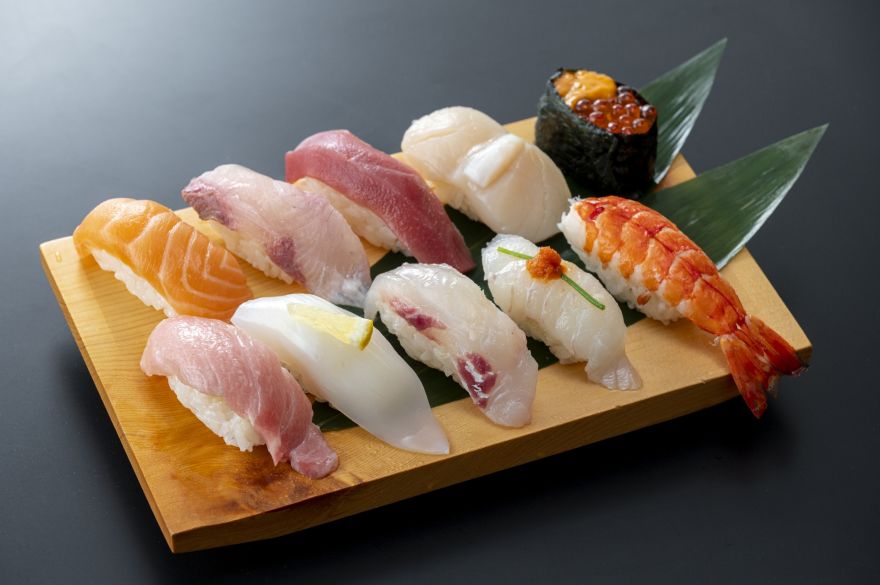
There is no universal definition of a single serving of nigiri. In Japan, a sushi assortment may contain around 8–10 nigiri pieces, sometimes alongside a small roll. An omakase course may serve more than ten smaller pieces over time, while conveyor-belt diners order according to appetite.
For portion planning, eight nigiri pieces at 15–20 g of rice each contain about 120–160 g of rice. Ten pieces contain about 150–200 g, and twelve pieces about 180–240 g. The fish, egg, or other toppings add to the meal’s total weight; soup, steamed egg custard, and other sides add more.
How much feels like a meal depends on the person and the rest of the menu. A rice-heavy platter, a selection of small nigiri, and a meal that includes several rolls are not equivalent simply because they contain the same number of pieces.
How Do Rice Weight, Calories, and Carbs Relate?
Rice contributes a substantial share of the carbohydrates in nigiri, but the calorie total depends on both the rice and the topping. Japan’s Ministry of Education, Culture, Sports, Science and Technology lists 156 calories per 100 g of plain cooked Japanese white rice. Using that reference, 15 g provides roughly 23 calories and 20 g roughly 31 calories from the plain rice alone.
These are not calorie counts for finished nigiri. Seasoned sushi rice may include sugar, vinegar, and salt, and toppings vary in fat and protein. Lean fish, fatty salmon or tuna, egg, fried toppings, mayonnaise, and sweet sauces can all lead to different totals.
If you are estimating a meal, consider the rice amount, type of topping, sauces, and total number of pieces rather than relying on one calorie figure for every nigiri. For precise carbohydrate or calorie tracking, check item-specific restaurant nutrition information where available. People managing a medical condition should use individualized advice from a qualified healthcare professional rather than these rough estimates.
How Much Prepared Sushi Rice Do You Need to Make Nigiri at Home?
For homemade nigiri, start by weighing out 15–20 g of cooked, seasoned sushi rice per piece. A kitchen scale makes it easier to keep the portions consistent while you learn to shape them gently.
Suppose you are making ten nigiri pieces for each of four people. That is 40 pieces in total:
- At 15 g per piece, prepare 600 g (about 1.3 lb) of seasoned sushi rice.
- At 18 g per piece, prepare 720 g (about 1.6 lb).
- At 20 g per piece, prepare 800 g (about 1.8 lb).
These amounts refer to the finished, seasoned rice—not uncooked grains. Make a little extra if you are learning or also preparing rolls. If you prefer a larger bite, adjust the rice portion, but remember that a loosely shaped mound can feel more delicate than a tightly packed one even when both weigh the same.
For additional guidance on preparing seasoned rice, Just One Cookbook’s sushi rice guide also uses a 20 g rice portion for one nigiri.
Does the Same Weight Apply to Sushi Rolls and Sashimi?
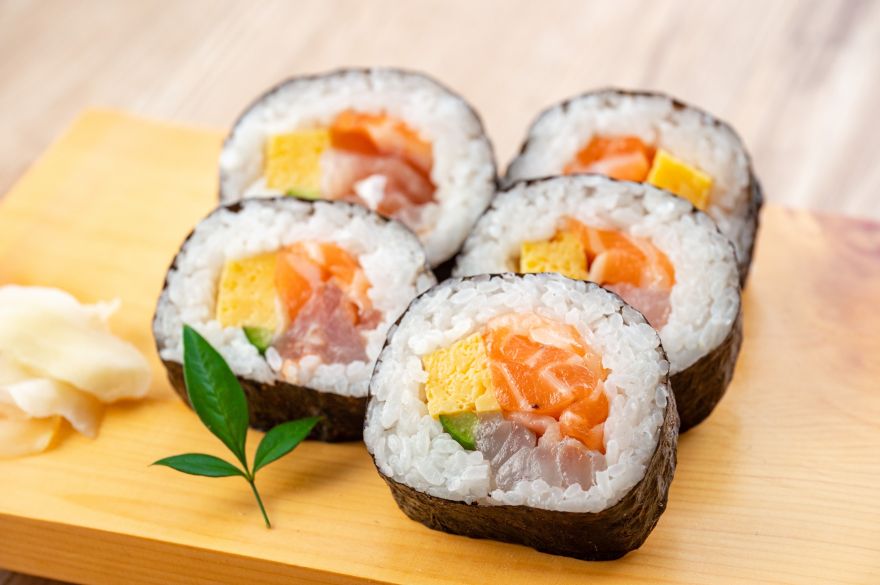
Not necessarily. Nigiri is a portion of seasoned rice with a topping, while maki is a roll that is cut into slices. The amount of rice in one slice depends on the size of the entire roll and how many pieces it is cut into. A California roll piece should not automatically be counted as a 15–20 g nigiri rice portion.
Sashimi, meanwhile, consists of slices of fish or seafood without sushi rice. The 25–40 g nigiri estimate does not apply to sashimi. If you are planning food or tracking portions, separate nigiri, roll slices, and sashimi before adding up the total.
Frequently Asked Questions
Does one “kan” mean one or two pieces of sushi in Japan?
On many modern Japanese menus, one kan means one piece of nigiri. Historical usage and restaurant conventions can vary, so check the menu or ask when the portion count matters.
Can I ask for less rice at a sushi restaurant in Japan?
Often, yes. You can ask, “Shari sukuname de onegai shimasu” (less rice, please). Whether the restaurant can accommodate the request depends on its service style and menu.
How many nigiri pieces can I make with 1 lb of prepared sushi rice?
One pound is approximately 454 g. At 15–20 g of seasoned rice per piece, that makes about 22–30 pieces of nigiri, before allowing for any leftover rice or preparation waste.
Are nigiri pieces the same size in Japan and the United States?
Not by any universal rule. Sizes vary within each country and from restaurant to restaurant. Comparing a specific menu item or weighing a sample is more reliable than assuming a country-wide standard.
Why can two similar-looking nigiri pieces weigh different amounts?
Rice can be shaped more loosely or tightly, and different toppings have different densities, thicknesses, and moisture levels. Two pieces that look similar may therefore have different weights.
Does sushi rice have the same calories as plain cooked rice?
Not necessarily. Sushi rice is seasoned, often with vinegar, sugar, and salt. Plain-rice calorie figures can provide context, but the actual prepared rice and restaurant recipe determine its nutritional values.