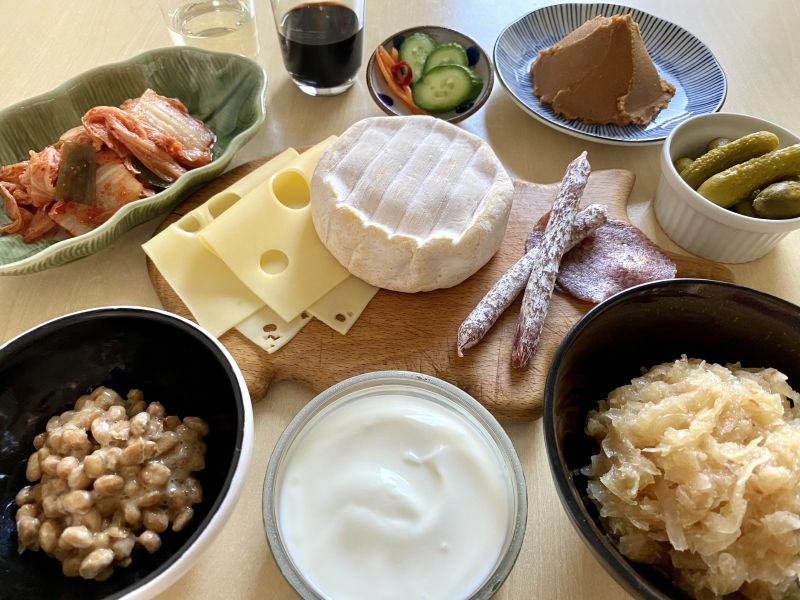
From miso soup and soy sauce to natto and Japanese pickles, fermented foods are part of everyday life in Japan. They add savory depth, distinctive aromas, and sometimes a pleasantly sour taste to traditional dishes.
But not everything preserved in Japan is fermented. Umeboshi (salt-pickled Japanese plums), dried shiitake mushrooms, and kombu are examples of foods that rely mainly on other preservation methods. Even genuine fermented foods are not automatically safe to leave at room temperature.
Understanding these differences makes Japanese food culture much easier to appreciate. Here is a guide to traditional Japanese fermented foods, the microorganisms behind them, regional specialties, preservation techniques, and safe ways to enjoy them at home.
What Are Japanese Fermented Foods?
Japanese fermented foods are made using the controlled activity of microorganisms, including molds, bacteria, and yeasts, and the enzymes involved in fermentation. These processes transform ingredients and create flavors, aromas, and textures that would not otherwise develop in the same way.
Some familiar examples include miso, soy sauce, natto, certain Japanese pickles, and traditional fish sauces.
How Fermentation Works
Different microorganisms perform different jobs during fermentation.
- Koji mold (Aspergillus oryzae): Produces enzymes that break down starches and proteins. It is central to making miso, soy sauce, and many other Japanese foods.
- Lactic acid bacteria: Produce acids during fermentation, contributing the sour flavors found in some traditional pickles.
- Yeasts: Contribute to aroma development and alcoholic fermentation, particularly in sake and soy sauce production.
- Bacillus subtilis var. natto: The bacterium responsible for the distinctive sticky texture of natto.
For example, enzymes from koji break down proteins in soybeans during miso production, producing amino acids that contribute to umami, the savory taste associated with many Japanese dishes.
Fermentation is not the same as simply letting food spoil. Successful food fermentation uses appropriate microorganisms under controlled conditions. Unusual smells, bubbling, or sourness alone do not prove that a homemade food is safe.
Fermentation vs. Food Preservation
Fermentation is a process that transforms food through microbial activity. Preservation is the broader goal of keeping food usable by slowing deterioration or controlling hazards.
Food preservation can involve several techniques:
- Drying to reduce available water
- Salting to help inhibit microbial growth
- Acidification, including pickling with vinegar
- Smoking and controlled drying
- Heat processing and suitable sealed packaging
- Refrigeration or freezing
Some foods use fermentation and preservation together. Traditional miso and certain lacto-fermented pickles are examples. Other foods, such as dried shiitake mushrooms, are preserved without requiring fermentation.
| Japanese Food | Fermented? | Main Process |
|---|---|---|
| Miso | Yes | Koji-assisted fermentation and aging |
| Soy sauce (shoyu) | Yes | Koji, bacteria, yeast, and aging |
| Natto | Yes | Bacterial fermentation of soybeans |
| Traditional nukazuke | Yes | Fermentation in seasoned rice bran |
| Umeboshi | Not necessarily | Salting, natural acidity, and sometimes drying |
| Dried shiitake | No | Dehydration |
| Kombu | Generally no | Drying and appropriate processing |
| Rice-koji amazake | Primarily enzymatic saccharification | Koji enzymes convert starch into sugars |
These distinctions matter when shopping and cooking. A product described as pickled, aged, or preserved is not necessarily a fermented food, and fermentation does not guarantee that a finished product contains live microorganisms.
Traditional Japanese Fermented Foods: A Complete Guide
Japanese fermentation includes much more than miso and soy sauce. Different ingredients and microbial processes produce foods ranging from sticky soybeans to sour vegetables and intensely savory seafood seasonings.
Miso and Soy Sauce
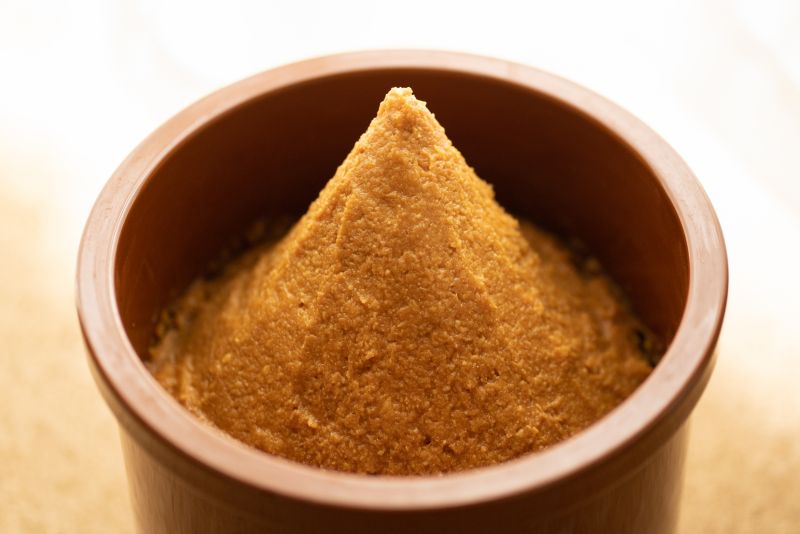
Miso is a fermented paste typically made from soybeans, koji, and salt. Depending on the variety, the koji may be prepared using rice, barley, or soybeans.
The three major categories include:
- Kome miso: Rice-koji miso, available in numerous sweet, salty, light, and dark varieties.
- Mugi miso: Barley-koji miso, known for its distinctive grain-derived aroma and common in parts of Kyushu and other regions.
- Mame miso: Soybean-koji miso, associated particularly with the Tokai region, including Aichi Prefecture.
Color alone does not reliably tell you how salty or sweet a miso will taste. Ingredients, fermentation conditions, and aging all contribute to its character.
In Japanese home cooking, miso is used in soups, marinades, sauces, and simmered dishes. Its concentrated flavor makes even a small amount useful.
Soy sauce, called shoyu in Japanese, is commonly made by preparing koji from soybeans and wheat, combining it with salt water, and allowing the mixture, known as moromi, to ferment and mature.
Enzymes, yeasts, and bacteria contribute to the finished sauce’s aroma, color, and umami.
Japanese soy sauce comes in several varieties, including koikuchi (the common all-purpose style), usukuchi (lighter in color but not necessarily lower in sodium), and tamari. Because many soy sauces contain wheat, anyone avoiding gluten should check the specific product label rather than assuming that every type of tamari is gluten-free.
For a practical way to use miso, see our guide to making miso soup with Hondashi.
Natto and Fermented Pickles
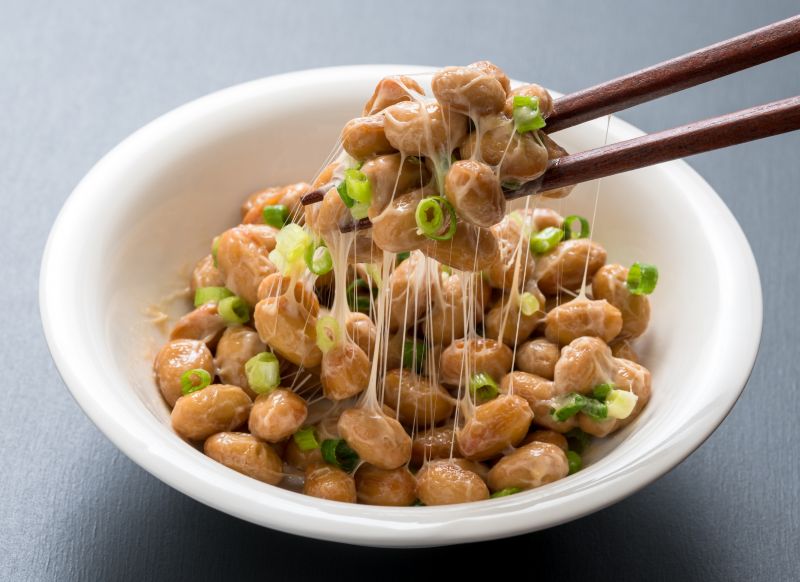
Natto is made by fermenting cooked soybeans with bacteria commonly called natto-kin in Japanese. It has a strong characteristic aroma and sticky strands that stretch between the beans.
Natto is commonly eaten over steamed rice, sometimes with mustard, soy sauce-based seasoning, or chopped green onions.
Unlike many traditional salty ferments, ordinary sticky natto is produced without relying on large quantities of salt. It also contains substantial moisture. Commercial refrigerated natto should be kept refrigerated according to its package instructions.
Tsukemono is the Japanese term for pickled foods, especially vegetables. However, not every type of tsukemono is fermented.
Traditional nukazuke is made by placing vegetables into a seasoned rice-bran bed, called nukadoko, where microorganisms contribute to fermentation. Cucumbers, eggplant, and daikon radish are common ingredients.
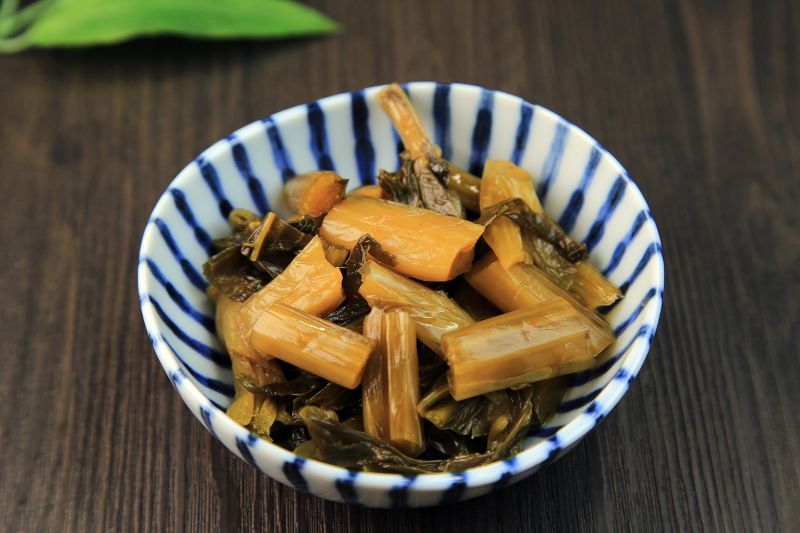
Other examples of traditionally fermented pickles include suguki, a Kyoto specialty, and some varieties of nozawana-zuke, made from leafy greens.
By contrast, asazuke refers to lightly pickled vegetables. Many commercially prepared versions are seasoned for a short time without substantial fermentation. Some shibazuke products are traditionally fermented, while others are prepared with seasoning liquids.
The best way to distinguish them is to consider their actual production methods rather than relying on the word “pickle.”
Fish Sauce, Shiokara, and Narezushi
Japan’s coastal communities have developed fermented and aged foods using seafood as well as vegetables and grains.
Japanese fish sauces include shottsuru from Akita Prefecture and ishiri (also called ishiru) associated with Ishikawa Prefecture. They are made using seafood and salt, creating concentrated seasonings with deep savory flavors.
These condiments can add a powerful umami element to soups, stews, and local dishes, so a small amount is often sufficient.
Shiokara is a traditional seafood preparation made with salted seafood flesh and sometimes internal organs. Enzymatic activity and aging contribute to its characteristic flavor, although the extent of fermentation varies by product.
Some modern shiokara products contain less salt and must be refrigerated. Do not assume that their traditional origins make them shelf-stable.
Narezushi represents an older style of sushi associated with preserving fish through fermentation, often involving rice and lactic acid production.
One famous example is funazushi from Shiga Prefecture, made using freshwater fish from the Lake Biwa area. Its flavor and method are quite different from modern nigiri sushi, which is prepared with vinegared rice.
Traditional fermented seafood requires specialized production and hygiene controls. Simply salting raw fish and leaving it to age is not a safe substitute for a verified fermentation method.
Amazake, Rice Vinegar, and Mirin
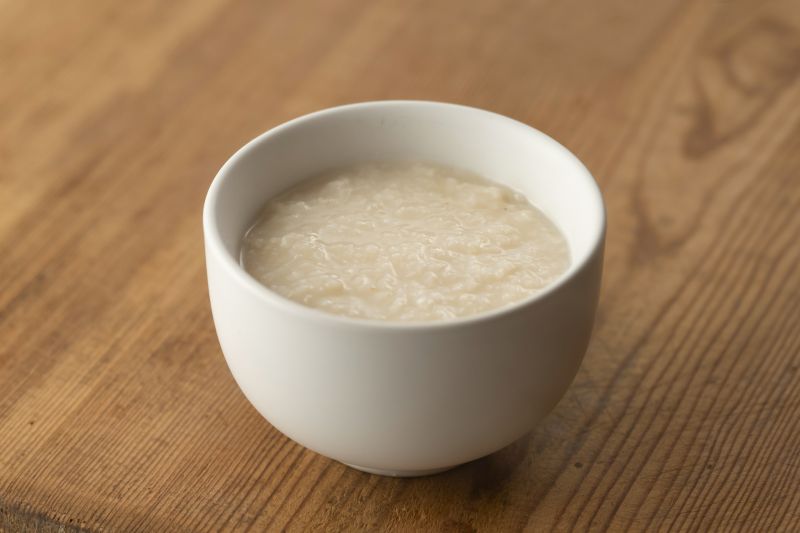
Amazake is a traditional sweet Japanese drink, but there are two important types.
Rice-koji amazake gets much of its sweetness from enzymes converting rice starch into sugars. It can taste sweet without added sugar, although it still contains sugars.
Sake-lees amazake is made using sake kasu, the remaining solids from sake production, often combined with water and sugar. Depending on preparation, it may contain residual alcohol. People avoiding alcohol, including children and pregnant individuals, should check the product information carefully.
Rice vinegar commonly involves producing alcohol from rice-derived ingredients and then converting the alcohol into acetic acid through the activity of acetic acid bacteria.
It is an essential ingredient in sushi rice, dressings, and Japanese pickles. However, adding a little vinegar to an ordinary dish does not automatically make that dish safe for long-term storage.
Hon mirin is a traditional sweet cooking seasoning made using glutinous rice, rice koji, and alcohol. Enzymatic processes and maturation produce its characteristic sweetness and flavor. Authentic hon mirin contains alcohol and is different from many mirin-style seasonings.
What Is Koji and Why Is It Important?
Koji is one of the foundations of Japanese food culture.
It is produced by cultivating a carefully selected mold, commonly Aspergillus oryzae, on steamed rice, barley, or soybeans. The resulting ingredient contains enzymes that help transform starches and proteins.
Koji is sometimes described in English as “rice malt,” but this comparison can be misleading. Unlike barley malt used in conventional brewing, Japanese koji relies on a cultivated fungus.
Its enzymes perform two especially important functions:
- Starch breakdown: Converts complex starches into smaller sugars, important in the production of sake and rice-koji amazake.
- Protein breakdown: Releases amino acids and other compounds that contribute to the umami of miso and soy sauce.
Koji is not the only microorganism used in Japanese fermentation. Sake also involves yeast, while soy sauce production includes additional microbial activity during aging. Natto uses a different bacterium altogether.
The process also differs between foods. In sake production, rice starch is converted into sugars while yeast produces alcohol. In miso, koji enzymes act on the ingredients during fermentation and maturation. In rice-koji amazake, enzymatic starch conversion is central, rather than alcoholic fermentation.
The Japanese Ministry of Agriculture, Forestry and Fisheries provides more information about these traditions in its guide to traditional miso and soy sauce.
Japanese Preserved Foods That Are Not Necessarily Fermented
Many famous Japanese pantry ingredients are examples of preservation without conventional fermentation.
Before modern refrigeration, drying, salting, and smoking helped households make seasonal ingredients useful for longer periods. These methods also developed flavors and textures that remain popular today.
Dried Mushrooms, Kombu, and Vegetables
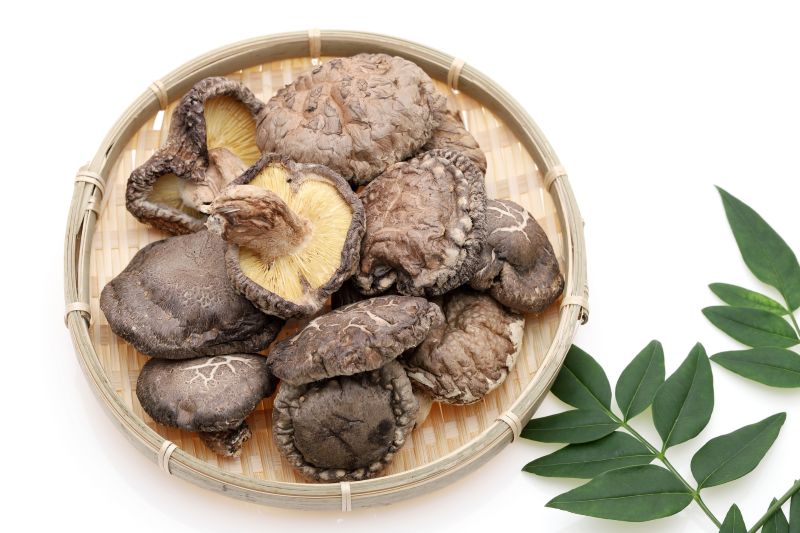
Dried shiitake mushrooms, kombu (kelp), kiriboshi daikon (dried shredded daikon), and koya-dofu (freeze-dried tofu) are familiar Japanese preserved foods.
Drying reduces the water available for microbial growth. This can greatly improve storage stability when the products are manufactured and kept under suitable conditions.
It also affects cooking. Rehydrated shiitake offers a concentrated mushroom aroma, while dried kombu contributes glutamate-rich umami to dashi, Japanese soup stock.
These foods should be stored in suitable sealed packaging and protected from moisture. Once dried ingredients are rehydrated, they no longer have the same storage characteristics. Refrigerate them when necessary and handle them as perishable ingredients.
Do not leave soaked mushrooms or prepared dashi sitting at room temperature for prolonged periods.
Umeboshi and Salt Preservation
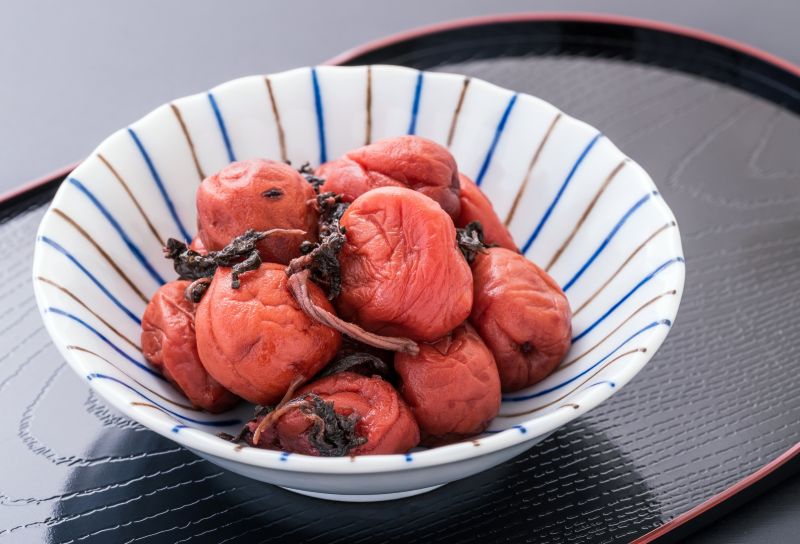
Umeboshi is made from ume fruit, often described in English as Japanese plum or Japanese apricot. Traditional production involves salting the fruit and, depending on the method, drying it.
Its strongly sour and salty taste comes largely from naturally occurring acids and the preservation process.
Umeboshi is often grouped with Japanese pickles, but lactic acid fermentation is not essential to the standard preparation.
Traditional high-salt umeboshi and modern reduced-salt, seasoned products should not be treated as identical. Some reduced-salt varieties require refrigeration, particularly after opening.
Umeboshi is a popular filling for onigiri, or Japanese rice balls. However, placing umeboshi inside rice does not automatically protect the entire rice ball or packed lunch from foodborne illness.
Cooked rice, seafood, meat, and other ingredients still require proper food handling and temperature control.
Similarly, salting fish or vegetables does not guarantee safe preservation. The amount of salt, moisture, temperature, and production method all affect the result.
Katsuobushi and Smoked Foods
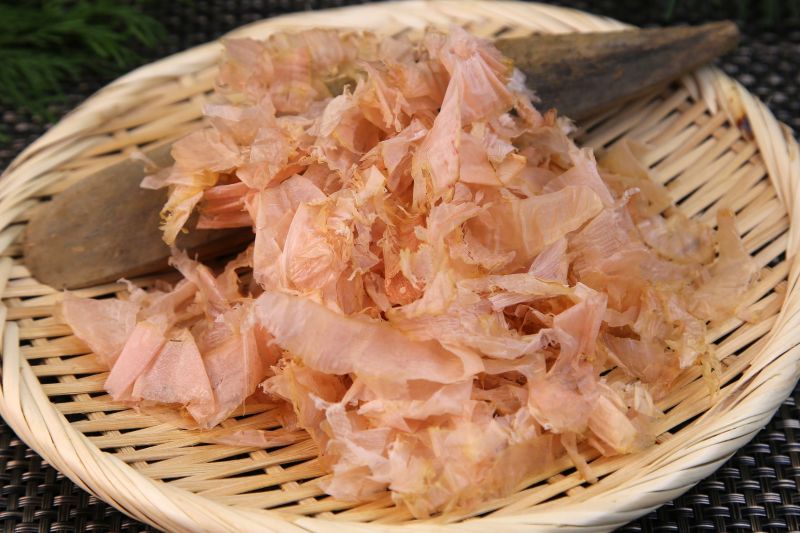
Katsuobushi is dried bonito, widely used to make Japanese dashi. It is prepared through cooking, smoking, and drying processes.
There are important differences among varieties.
- Arabushi: Bonito that has been cooked, smoked, and dried without the later controlled mold-aging stages.
- Karebushi: Bonito that undergoes additional controlled mold treatment and maturation.
- Honkarebushi: A further matured form associated with repeated mold-treatment processes.
Not every product sold as katsuobushi undergoes the same mold-aging process. Shaved bonito flakes also have a large surface area, making them more vulnerable to moisture and quality changes after opening.
Another preserved specialty is iburigakko, a smoked daikon pickle from Akita Prefecture. Its distinctive flavor comes from combining smoking with traditional pickling techniques.
Because production methods differ, the storage requirements for smoked and pickled products must be checked individually.
The History of Fermentation in Japan
Japanese fermentation developed over many centuries as communities learned to transform and preserve seasonal ingredients.
One important historical term is hishio, used for early fermented and aged seasonings made from ingredients combined with salt. Records from ancient Japan, including the Nara and Heian periods, provide evidence of established seasoning and pickling traditions.
Hishio helps explain the long history of Japanese fermented seasonings, although it should not be treated as identical to modern soy sauce.
Sake brewing was another major field in which the use of koji and yeast became increasingly sophisticated.
During Japan’s Sengoku period, miso is traditionally associated with portable provisions for warriors. It could provide seasoning and be mixed with hot water to make a simple soup.
Later, during the Edo period (1603–1868), expanding urban populations, trade, and specialized food production helped fermented seasonings and pickled foods become deeply integrated into everyday meals.
Regional differences became more pronounced as communities developed recipes suited to available ingredients, local climate, and taste preferences.
Today, these foods remain important not simply because they helped preserve ingredients in the past, but because their distinctive umami, aromas, and textures have become central to Japanese cooking.
Regional Japanese Fermented Foods Worth Knowing
Japan’s regional food traditions reflect differences in geography, climate, agriculture, and local seafood.
| Region | Traditional Food | Distinctive Feature |
|---|---|---|
| Akita, Tohoku | Iburigakko | Smoked and pickled daikon radish |
| Akita, Tohoku | Shottsuru | Traditional salty fish sauce |
| Ishikawa, Hokuriku | Ishiri / ishiru | Seafood-based fermented seasoning |
| Shiga, Kansai | Funazushi | Traditional fermented freshwater fish and rice |
| Nagano, Chubu | Sunki | Salt-free, lactic-fermented vegetable pickles |
| Aichi, Tokai | Mame miso | Rich soybean-koji miso |
| Kyoto, Kansai | Suguki and Saikyo miso | Fermented pickles and a distinctive sweet miso tradition |
| Kyushu | Mugi miso | Barley-koji miso with regional variations |
| Okinawa | Tofuyo | Aged tofu specialty made using fermented ingredients |
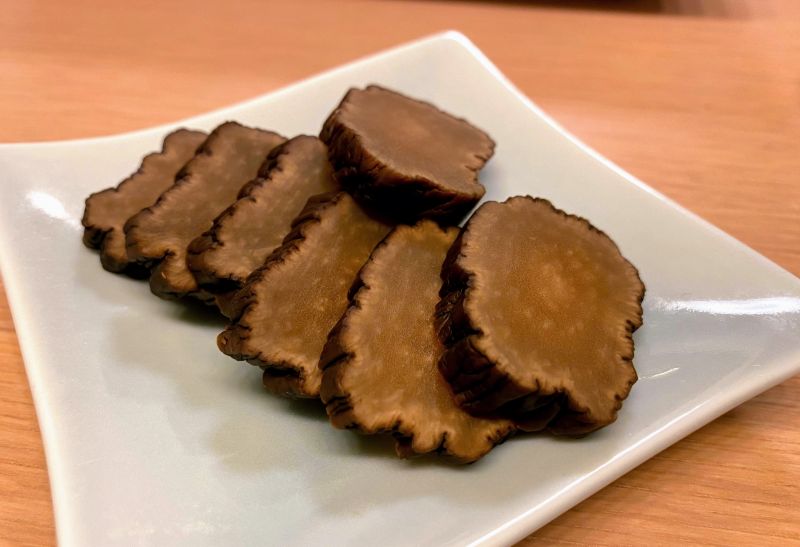
In snowy Akita, iburigakko developed as a way of preparing and preserving daikon when outdoor drying could be difficult. Smoking produces its recognizable aroma.
Along the Sea of Japan coast, traditional fish sauces reflect the relationship between local seafood, salt, and long-established preservation practices.
Hokuriku also has regional preparations such as kaburazushi, which combines turnip, fish, and rice-koji-related processes.
In Nagano’s Kiso region, sunki is particularly unusual: it is traditionally produced through lactic acid fermentation without adding salt. This is a distinctive regional method, not a reason to assume that homemade salt-free fermentation is always safe.
Aichi’s soybean miso and Kyoto’s Saikyo miso demonstrate how different proportions of ingredients and maturation methods can produce remarkably different flavors.
Wakayama’s Yuasa area is also well known for its soy sauce heritage.
In southern Japan, barley miso is common in parts of Kyushu. Okinawa has its own traditions, including black koji used in awamori production and tofuyo, an intensely flavored aged tofu specialty.
For additional background on regional pickling traditions, see the Japanese Ministry of Agriculture’s guide to traditional pickled foods.
How to Store Japanese Fermented Foods Safely
Fermentation has historically contributed to food preservation, but it is a mistake to assume that all fermented foods can be stored without refrigeration.
Modern products vary in salt content, moisture, acidity, packaging, and heat treatment. Reduced-salt products may behave differently from traditional versions.
Follow the Storage Instructions
The manufacturer’s storage instructions should always come first.
- Miso: Storage recommendations vary by product and whether the package has been opened.
- Soy sauce: Follow the label, especially after opening. Refrigeration may be recommended for flavor and quality.
- Natto: Keep refrigerated if the product is labeled for refrigeration.
- Japanese pickles: Many fresh, lightly salted, or reduced-salt products require refrigeration.
- Amazake: Storage depends on processing and packaging. Chilled and homemade versions require appropriate refrigeration.
- Dried foods: Protect from moisture and follow the instructions after opening or rehydrating.
Dates on packaging also need context. A best-before date generally concerns quality under specified storage conditions, while a use-by date is a safety-related limit in labeling systems that use that term. Neither date should be interpreted as an unconditional guarantee once a product is opened or improperly stored.
For ordinary perishable foods, the U.S. Food and Drug Administration recommends maintaining refrigerator temperatures at 40°F (4°C) or below. Food that needs refrigeration should not be left at room temperature for extended periods.
Homemade Fermentation and Mold
Homemade fermentation requires more than adding salt and waiting.
For nukazuke, the condition of the rice-bran bed, salt concentration, moisture, temperature, and cleanliness all matter. Maintenance instructions vary depending on the product and storage conditions.
Do not assume that stirring a fermentation bed once a day makes every batch safe. Follow established instructions suitable for your ingredients and equipment.
Homemade amazake also requires appropriate temperature control. Once prepared, cool and refrigerate it promptly and follow a reliable recipe’s storage guidance.
Fermenting raw seafood is particularly unsuitable for experimentation without validated methods and specialized food-safety knowledge.
What about mold? A white layer on miso could have several causes, including certain yeasts, crystallized components, or unwanted mold. Color or appearance alone may not identify it safely.
Do not assume that scraping off a suspicious layer makes a contaminated food safe. If you see unexpected mold, notice an abnormal odor, or find unexplained package swelling, do not taste the product to test its safety. Follow manufacturer guidance and discard suspect food when its safety is uncertain.
Some traditional fermented foods naturally have strong aromas, so smell alone is also an unreliable safety test.
Prepared Dishes Need Different Storage
Once a fermented or dried ingredient is mixed with water and other foods, its storage characteristics can change considerably.
Miso soup is not as shelf-stable as the original miso paste. Rehydrated shiitake mushrooms are not equivalent to dried mushrooms. A rice ball containing umeboshi still needs the same attention to hygiene and temperature control as other prepared rice dishes.
For cooked food and leftovers, follow ordinary food-safety practices. Refrigerate perishable prepared dishes promptly, ideally in shallow containers that cool efficiently.
As a general U.S. food-safety rule, perishable foods and leftovers should be refrigerated within two hours, or within one hour when ambient temperatures are above 90°F (32°C).
Reheating a dish later does not make improper storage beforehand acceptable.
For further guidance, consult the FDA’s food storage recommendations.
Are Japanese Fermented Foods Healthy?
Fermented foods can contribute flavor, nutrients, and variety to a balanced diet. However, their nutritional characteristics and potential health effects differ considerably.
Fermentation can produce amino acids, organic acids, and aroma compounds. Miso and soy sauce are valued for umami, while natto retains nutrients from soybeans and contains compounds associated with its fermentation process.
But fermented food does not automatically mean probiotic food.
Some fermented foods contain live microorganisms. Others are heated, filtered, or otherwise processed after fermentation. Even foods with live cultures do not necessarily contain specific microorganisms demonstrated to provide probiotic benefits.
Research into fermented foods and health continues, but it is not accurate to claim that every fermented Japanese food prevents disease or reliably improves gut health.
Salt content deserves particular attention. Miso, soy sauce, fish sauce, shiokara, umeboshi, and some Japanese pickles can contribute substantial sodium to a meal.
Sweet amazake also contains sugars, while hon mirin and some sake-lees products may contain alcohol.
There is an important medication-related consideration with natto. Its vitamin K content can interfere with warfarin, an anticoagulant medication. If you take warfarin, consult your prescribing clinician before consuming natto and follow the dietary restrictions you have been given.
People with food allergies should also check ingredients carefully. Soy, wheat, fish, and other allergens appear in many Japanese fermented products.
The U.S. National Institutes of Health’s information on probiotics explains why fermented foods and proven probiotic products should not be treated as interchangeable.
Easy Ways to Enjoy Japanese Fermented Foods
You do not need to prepare traditional ferments from scratch to experience Japanese fermentation culture.
Start with familiar ingredients and use small amounts in everyday cooking.
- For breakfast: Try natto with rice, if you enjoy its distinctive texture, or a small bowl of miso soup.
- For lunch: Add a modest portion of Japanese pickles alongside rice and vegetables.
- For dinner: Use miso in a marinade or a little soy sauce to enhance a vegetable dish.
- For soup: Combine kombu and dried shiitake to make a plant-based dashi that showcases preservation through drying.
- For exploring regional flavors: Compare rice miso, barley miso, and soybean miso to discover how ingredients and aging affect taste.
Many basic ingredients are available at Japanese or Asian grocery stores, international supermarket sections, and specialty online retailers. In English-language recipes, shoyu is usually labeled soy sauce, and Japanese pickles may appear under their individual names rather than tsukemono.
When buying unfamiliar products, check the ingredients, allergens, alcohol content, and storage instructions. If the Japanese label includes the term “要冷蔵” (yo-reizo), it means the product requires refrigeration.
Try not to combine large portions of salty miso soup, pickles, salted seafood, and umeboshi in the same meal. Their individual flavors can be enjoyed in smaller portions alongside vegetables, rice, and other foods.
Exploring Japanese fermentation is also a way to discover local food traditions. When traveling in Japan, ask how a regional specialty is made or what ingredients are used. The answer may reveal a connection between the food, the climate, and the community that developed it.
Frequently Asked Questions
Are all Japanese pickles fermented?
No. Traditional nukazuke and some other pickles undergo microbial fermentation, while many quick pickles and vinegar-based products are made without substantial fermentation. Check the production method rather than the name alone.
Is umeboshi a fermented food?
Not necessarily. Traditional umeboshi relies mainly on salting, the fruit’s natural acidity, and sometimes drying. Lactic acid fermentation is not required for the typical product.
Does miso still contain live cultures after cooking?
Not always. Some miso products have already been heat-treated, and sufficiently high cooking temperatures can reduce or eliminate live microorganisms. Miso can still contribute flavor even when live cultures are absent.
Does soy sauce need to be refrigerated after opening?
It depends on the product. Some manufacturers recommend refrigeration after opening to maintain quality, while storage requirements vary with processing and packaging. Follow the specific label instructions.
Can I safely ferment Japanese pickles at home?
Yes, when using a reliable, tested method with appropriate ingredients, salt or acid levels, temperature control, and hygiene. A commercial nukadoko kit with clear instructions can be a practical starting point. Do not improvise methods for unfamiliar or high-risk ingredients.
Can umeboshi prevent food poisoning in a bento lunch?
No. Adding umeboshi does not guarantee the safety of the rice, meat, fish, or vegetables in a lunch box. Prepare food hygienically and maintain safe temperatures during storage and transport.