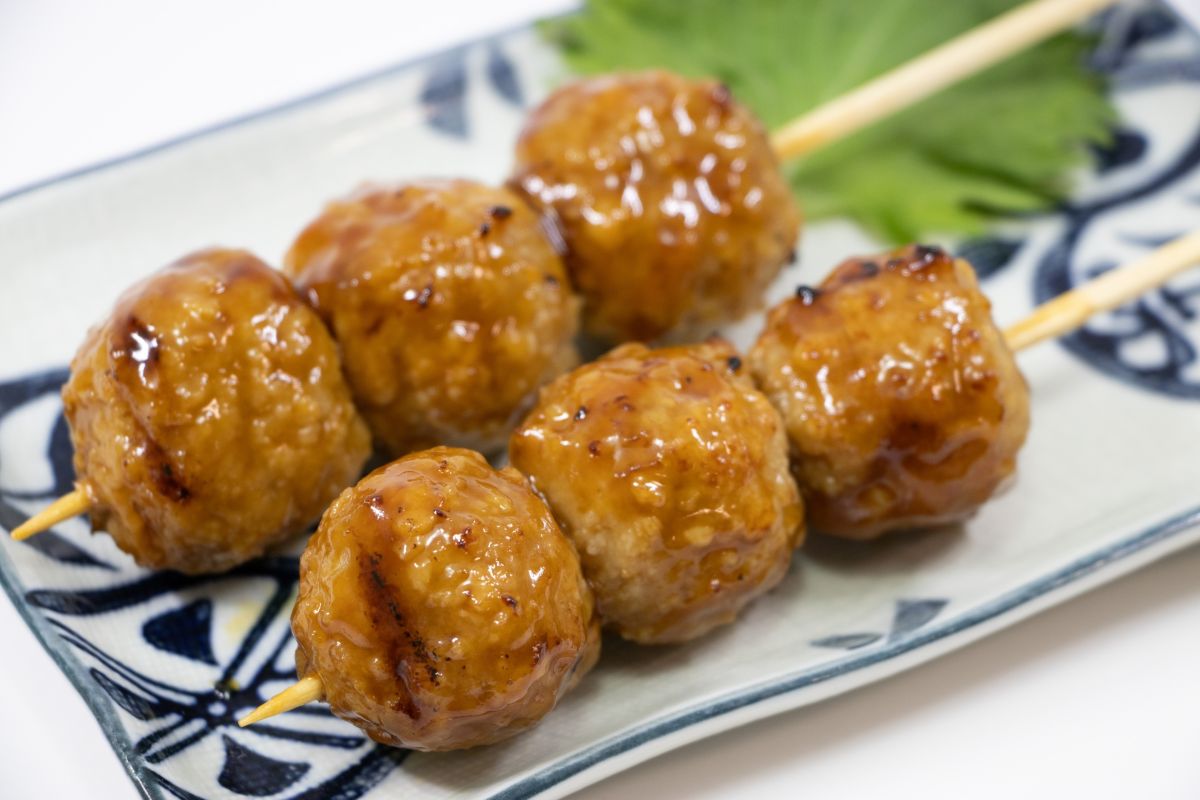
Wondering how to reheat yakitori without turning the chicken dry and chewy? A toaster oven is one of the best options for bringing back the slightly crisp, grilled exterior while keeping the meat tender.
For the best results, arrange your cooked chicken skewers on an oven-safe tray and reheat at around 350°F (175°C). Start checking after 3 minutes, and continue heating until the thickest pieces reach an internal temperature of 165°F (74°C). If your toaster oven allows aluminum foil, you can also protect the exposed bamboo handles from scorching.
Whether you have leftover yakitori from a Japanese restaurant, takeout skewers, or supermarket yakitori, the right reheating method can make a noticeable difference. Here’s how to use a toaster oven, microwave, skillet, or grill without sacrificing flavor.
How to Reheat Yakitori in a Toaster Oven
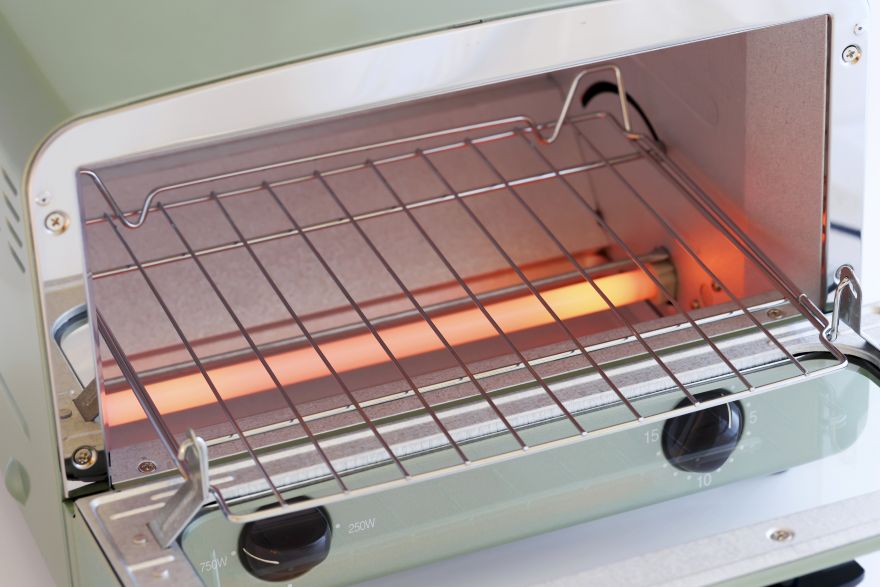
A toaster oven is particularly useful for reheating yakitori because its heating elements warm the chicken and help restore some of the browned exterior.
Unlike a microwave, which primarily heats the food without browning its surface, a toaster oven can help recreate the lightly roasted texture of freshly grilled yakitori.
The challenge is preventing the chicken from drying out before the center is thoroughly heated. Moderate heat, careful timing, and a little moisture can help.
Step-by-Step Instructions
- Preheat the toaster oven. Set it to approximately 350°F (175°C). Use the bake or reheat setting if available.
- Prepare a baking tray. Arrange the fully cooked yakitori on a small oven-safe tray in a single layer. If your toaster oven permits aluminum foil, you can line the tray with it to collect dripping sauce and fat.
- Protect the wooden handles. If permitted by your appliance’s instructions, wrap the exposed bamboo skewer handles loosely with small strips of aluminum foil. Keep all foil away from the heating elements.
- Add a little moisture if needed. For chicken that looks dry, lightly sprinkle a few drops of water or sake over the meat. Avoid soaking the skewers.
- Reheat gently. Place the tray in the toaster oven and begin checking after approximately 3 minutes. Turn the skewers if necessary for more even heating.
- Check the internal temperature. Continue heating until the thickest chicken pieces reach 165°F (74°C). Insert a food thermometer into the meat without touching the skewer.
- Serve immediately. Once thoroughly reheated, remove the skewers with tongs. Let them cool just enough to handle safely.
For refrigerated yakitori, the process may take approximately 5–10 minutes, depending on the appliance, skewer size, and amount of chicken. Treat cooking times as estimates rather than guarantees.
Recommended Temperature and Reheating Time
Not every toaster oven works the same way. Some models have temperature controls, while others use wattage or numbered power settings.
| Toaster Oven Setting | When to Start Checking | What to Know |
|---|---|---|
| 350°F (175°C) | After 3–4 minutes | A good starting temperature for reheating cooked yakitori without excessive browning. |
| 1,000W | After 2–3 minutes | Common on Japanese toaster ovens. Check frequently because surface browning may happen quickly. |
| 500–700W | After 3–5 minutes | Gentler heating may require additional time, depending on the appliance. |
Important: These are initial checking times, not guaranteed total reheating times. Wattage describes electrical power consumption and does not correspond to one fixed cooking temperature. Follow your appliance’s instructions and always check that leftover chicken reaches 165°F (74°C).
If your yakitori is already browning before the center becomes hot enough, reduce direct exposure to the heating elements or use a gentler cooking method.
How to Prevent Yakitori Skewers From Burning
Traditional yakitori is often served on bamboo skewers. These are convenient for eating but can scorch when exposed to the heating elements of a toaster oven.
In Japanese kitchens, a common technique is to wrap the exposed wooden handles with small pieces of aluminum foil before reheating or grilling.
If your toaster oven permits foil, follow these precautions:
- Cover only the exposed wooden handles with small, secure pieces of foil.
- Keep the foil away from heating elements and oven walls.
- Do not cover the oven floor, vents, or crumb tray with foil.
- Use a baking tray to catch sauce and fat.
- Watch the skewers closely while reheating.
Check your toaster oven’s manual first. Some manufacturers permit limited use of aluminum foil, while others prohibit it because of overheating or fire risks. For example, Oster advises against putting aluminum foil in its toaster ovens.
If foil is not permitted, consider removing the cooked chicken pieces from their bamboo skewers before reheating them on an approved oven-safe tray.
Also avoid placing parchment paper close to exposed heating elements unless your appliance specifically allows it.
Reheating Tare vs. Shio Yakitori
In Japan, yakitori is commonly seasoned in two ways: tare, a sweet-savory sauce, or shio, a simple salt-based seasoning.
Both styles can be reheated in a toaster oven, but they benefit from slightly different approaches.
Tare Yakitori (Sweet-Savory Sauce)
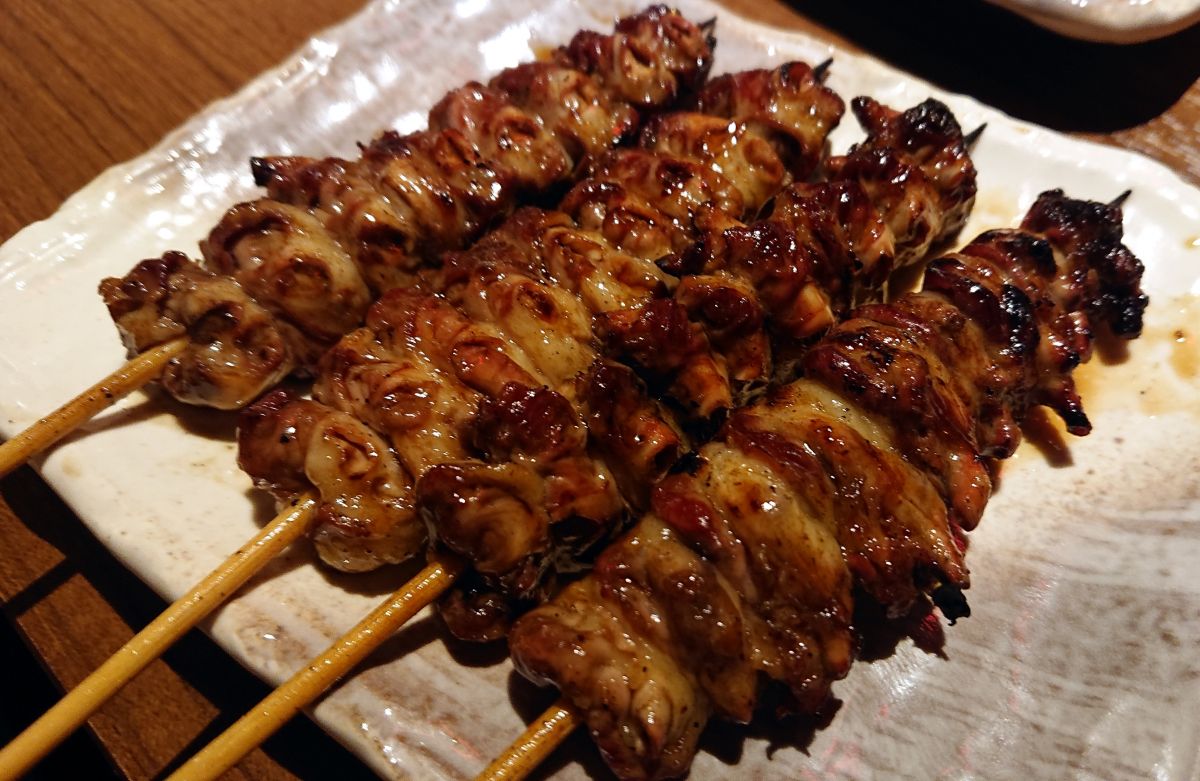
Tare is a Japanese grilling sauce commonly made with soy sauce, mirin, sake, and sugar. It gives yakitori its glossy appearance and sweet-savory flavor.
Because tare contains sugar, it can burn quickly under intense heat.
To reheat tare yakitori successfully:
- Use moderate heat rather than the highest toaster oven setting.
- If the skewers have excess sauce, gently remove some before reheating.
- Check frequently to prevent the glaze from becoming dark or bitter.
- If desired, brush on a little fresh, ready-to-eat tare near the end of reheating.
- Give the sauce a brief final heating to restore its glossy finish without burning it.
A thin layer of sauce is usually easier to control than a thick coating.
If you are making additional tare, use freshly prepared sauce or sauce that has been handled safely. Do not brush cooked chicken with marinade that has touched raw poultry unless that marinade has been properly boiled.
Shio Yakitori (Salt-Seasoned Chicken)
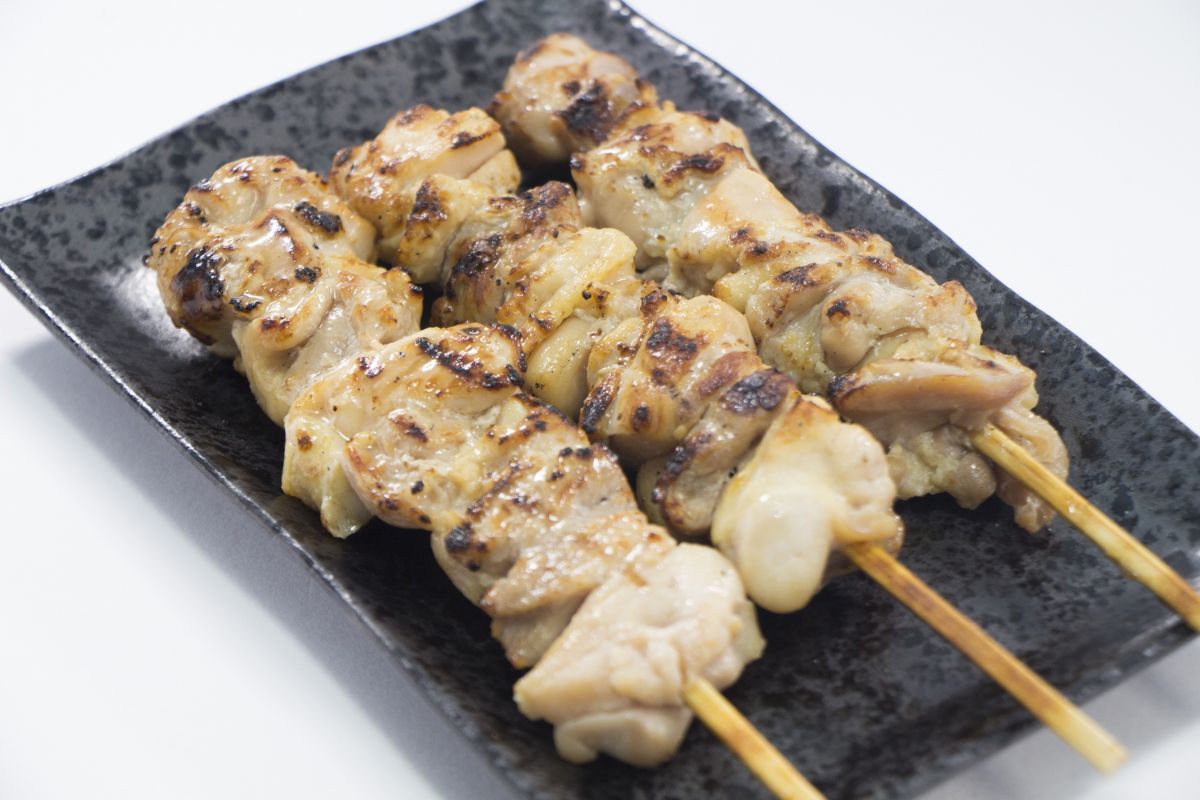
Shio yakitori is seasoned mainly with salt, allowing the natural flavor of the chicken to stand out.
Without a glaze, the surface is more exposed to dry heat. Lean cuts, especially chicken breast, can become tough if overheated.
For shio yakitori, try the following:
- Lightly sprinkle water or sake over dry-looking chicken before reheating.
- Use moderate heat and avoid unnecessary extra cooking time.
- Turn the skewers if one side is browning much faster than the other.
- For chicken skin skewers, allow a little extra surface browning after the meat has been thoroughly heated.
Chicken thigh skewers generally tolerate reheating better than very lean breast meat because they contain more fat.
For crispy chicken skin, finish with a brief period of uncovered heating while watching carefully to prevent scorching.
How to Keep Reheated Yakitori Juicy
One traditional Japanese home-cooking trick is to add a small amount of sake before reheating cooked chicken.
Sake is Japanese rice wine, and it is often used in cooking to complement the flavor of meat and other ingredients.
When reheating yakitori, a light sprinkle of liquid can create a little steam and help reduce surface drying.
You don’t need much. A few drops of sake or water over each skewer are usually enough to start.
Can You Use Water Instead of Sake?
Yes. Water is a practical substitute if you do not have sake or prefer to avoid alcohol.
You can also use a small amount of dry white wine for a different flavor, although it will not taste exactly the same as sake.
Cooking with sake does not guarantee that all alcohol will evaporate, so water is the better choice when alcohol needs to be avoided completely.
The purpose is to add a little moisture, not to soak the chicken. Too much liquid can soften the grilled surface and dilute the seasoning.
Why Does Reheated Yakitori Become Dry?
Overheating is one of the main reasons cooked chicken becomes dry or chewy.
During reheating, additional heat can cause muscle proteins to tighten and the meat to lose more moisture. Lean pieces are especially susceptible.
To reduce dryness:
- Use moderate heat rather than the highest setting.
- Check the skewers regularly.
- Add a small amount of moisture when appropriate.
- Reheat only the portion you plan to eat.
- Use a thermometer to reach a safe temperature without continuing to cook unnecessarily.
For particularly thick or heavily chilled skewers, consider heating them gently in a covered skillet or microwave first, then using the toaster oven briefly to restore the surface texture.
Other Ways to Reheat Yakitori
A toaster oven isn’t your only option. The microwave, skillet, conventional oven, and grill can all work well for already-cooked yakitori.
The best choice depends on whether you prioritize convenience, moisture, or a slightly crisp exterior.
Reheating Yakitori in the Microwave
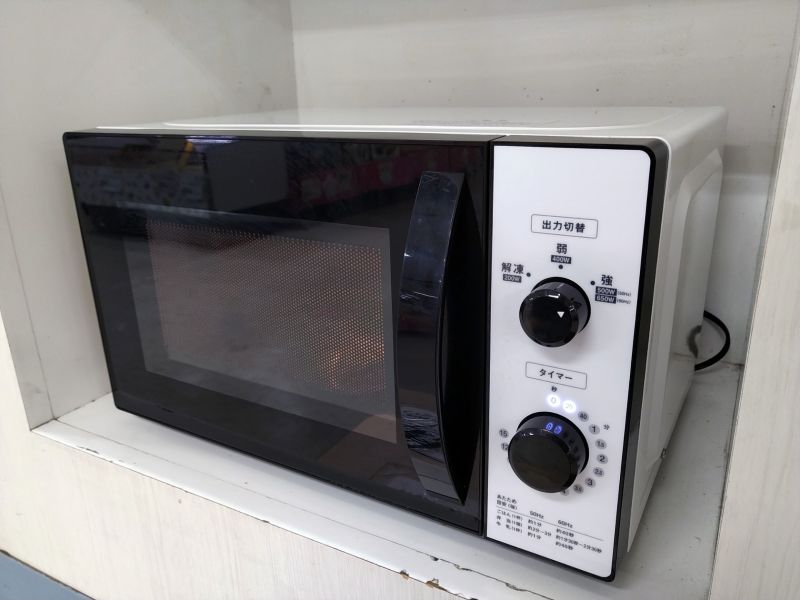
The microwave is the fastest choice when you only have one or two skewers to reheat.
- Remove the yakitori from its takeout packaging and place it on a microwave-safe plate.
- Remove any metal skewers, foil, or metallic decorations. For more even heating, you can also remove the chicken from bamboo skewers.
- Lightly sprinkle the chicken with water if it looks dry.
- Cover loosely with a microwave-safe lid or vented microwave-safe wrap.
- Heat in short intervals, starting with about 20–30 seconds for a small portion.
- Turn or rearrange the chicken, then continue in short intervals until it reaches 165°F (74°C) throughout.
- Allow a brief standing time before checking the temperature and serving.
Microwaving keeps cleanup simple, but it won’t restore the same grilled exterior as a toaster oven.
Microwave-safe parchment paper can be used as a loose covering if the product is specifically labeled for microwave use. However, a microwave-safe vented cover is another convenient option.
Never put aluminum foil or metal skewers in a conventional microwave heating mode.
Reheating Yakitori in a Skillet
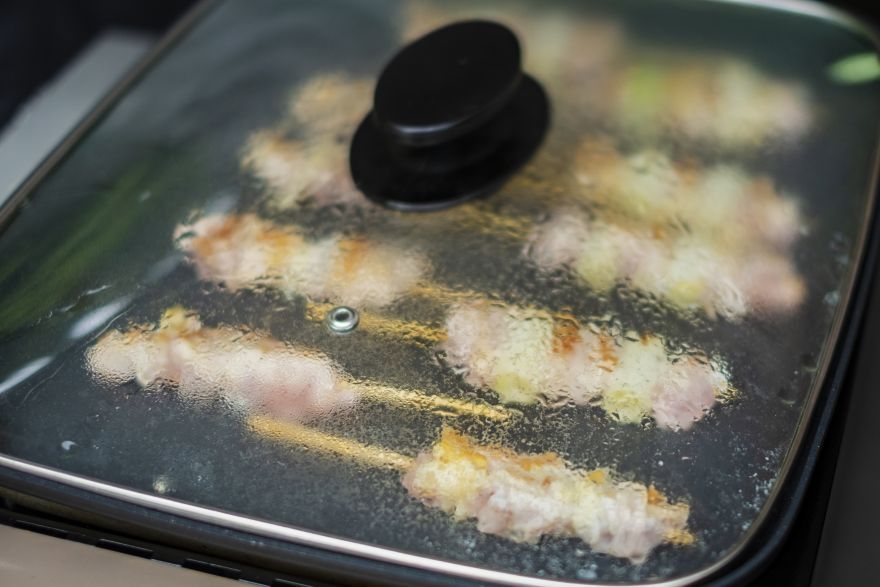
A skillet is an excellent alternative if you want to keep the chicken moist and give it a little surface browning.
This method is similar to a Japanese cooking technique called mushiyaki, or steam-cooking followed by browning.
- Arrange the cooked yakitori in a skillet large enough to hold the skewers without crowding.
- Add about 1 tablespoon (15 mL) of water or sake for a few skewers.
- Cover with a lid and heat over low to medium-low heat.
- Turn the skewers occasionally, adding a little more water if needed.
- Continue until the chicken reaches 165°F (74°C).
- Remove the lid and briefly brown the outside over moderate heat, turning as needed.
The covered stage helps warm the chicken with steam, while the final uncovered stage removes excess surface moisture and improves the texture.
Be especially careful with tare yakitori because the sweet sauce may stick to the pan and burn.
Can You Use Aluminum Foil in a Skillet?
Some Japanese home cooks place a lightly crumpled sheet of aluminum foil inside a skillet before adding glazed skewers.
The raised folds can keep sticky sauce from making full contact with the pan and may simplify cleanup.
However, foil also creates a barrier between the food and the pan, so it may reduce direct browning.
Only use this technique if it is compatible with your cookware manufacturer’s instructions. Keep the heat moderate, never allow foil to contact an open flame, and do not leave the skillet unattended.
For most home cooks, a lightly oiled nonstick skillet with a lid is the simpler option.
Reheating Yakitori in a Regular Oven
If you don’t own a toaster oven, a conventional oven works well for reheating several skewers at once.
- Preheat the oven to 350°F (175°C).
- Arrange the cooked skewers on an oven-safe baking tray.
- Protect exposed wooden handles if the oven manufacturer’s instructions permit foil.
- Heat for approximately 7–10 minutes as an initial estimate.
- Check the thickest pieces with a thermometer and continue heating until they reach 165°F (74°C).
A regular oven is particularly convenient when serving yakitori to several people, although it generally requires more preheating time than a toaster oven.
Reheating Yakitori Under a Broiler or on a Grill
In Japan, some home kitchens have a compact fish grill built into the stove. Although designed for fish, these grills are also used for many other foods.
In American kitchens, an oven broiler or outdoor grill can provide a similar direct-heat effect.
This method is especially useful when you want to restore some of the grilled aroma and browned exterior of yakitori.
To avoid burning the skewers:
- Use a moderate heat setting whenever possible.
- Keep the chicken away from direct flames or extremely close heating elements.
- Turn frequently to prevent uneven browning.
- Protect wooden handles only with methods permitted by your appliance manufacturer.
- Watch carefully, since chicken fat and sugary sauce can cause flare-ups or scorching.
If the exterior browns before the center reaches 165°F (74°C), move the chicken to a gentler heat source to finish reheating safely.
Which Reheating Method Is Best?
Each method has its advantages. Here’s how they compare when reheating already-cooked yakitori.
| Method | Advantages | Drawbacks | Best For |
|---|---|---|---|
| Toaster Oven | Restores some grilled flavor and surface browning | Can dry out chicken or scorch wooden skewers | Everyday reheating with a lightly crisp finish |
| Microwave | Fast, convenient, minimal cleanup | Can heat unevenly and soften the exterior | Quickly reheating small portions |
| Skillet | Allows gentle steaming followed by browning | Requires attention and some cleanup | Keeping chicken moist while restoring texture |
| Regular Oven | Can reheat several skewers at once | Longer preheating time | Family meals and larger portions |
| Broiler or Grill | Produces a browned, grilled exterior | Greater risk of burning sauce or skewers | People who enjoy a stronger grilled finish |
For most small portions, a toaster oven offers a convenient balance of flavor and texture.
If the chicken is already very dry, a covered skillet may be the better option. If speed is your main concern, the microwave is hard to beat.
Food Safety and Storing Leftover Yakitori
Because yakitori is made with chicken, proper handling and reheating are essential.
These recommendations apply to previously cooked yakitori, not raw or partially cooked skewers.
According to the USDA’s food safety guidance, leftover cooked food should be reheated to an internal temperature of at least 165°F (74°C).
Keep the following food safety practices in mind:
- Refrigerate promptly: Store perishable leftovers within 2 hours of cooking or purchasing, or within 1 hour if the temperature is above 90°F (32°C).
- Store at a safe temperature: Keep refrigerated leftovers at 40°F (4°C) or below.
- Use within 3–4 days: Refrigerated cooked leftovers should generally be eaten within this period or frozen for longer storage.
- Reheat thoroughly: Check that the thickest pieces reach 165°F (74°C), regardless of the cooking method.
- Follow package instructions: For commercially prepared or frozen yakitori, use the manufacturer’s specific cooking and storage instructions when provided.
For additional guidance, see the USDA’s recommendations for handling leftovers.
Never rely on smell, appearance, or surface temperature alone to determine whether improperly stored chicken is safe to eat. Reheating does not necessarily make food safe if it has been stored incorrectly.
Frequently Asked Questions
Can you reheat yakitori in a regular pop-up toaster?
No. A standard pop-up toaster is designed for bread, not chicken skewers. Sauce and chicken fat can drip onto heating elements and create a fire risk. Use a toaster oven, skillet, microwave, or conventional oven instead.
Can you reheat frozen yakitori in a toaster oven?
Yes, if the product instructions allow it. For homemade cooked yakitori, thawing in the refrigerator first can make reheating more even. Frozen skewers may require considerably longer heating, and the exterior can burn before the center becomes hot. Always heat cooked chicken leftovers to 165°F (74°C).
Can you reheat yakitori in an air fryer?
Yes. If the skewers fit safely and your air fryer manufacturer permits them, try reheating at around 325–350°F (160–175°C). Begin checking after 3–4 minutes and continue until the chicken reaches 165°F (74°C). Keep sugary tare sauce from scorching and avoid overcrowding the basket.
Can wooden yakitori skewers go in the microwave?
Plain bamboo skewers may be microwave-compatible, but you should follow your appliance’s instructions. Remove all metal parts and aluminum foil. For more even reheating, removing the cooked chicken from the skewers is often the simplest option.
Does adding sake make reheated yakitori more tender?
A small amount of sake can add flavor and moisture during reheating, which may help reduce surface dryness. However, it cannot fully reverse moisture already lost through overcooking. Water is a suitable alcohol-free alternative.
What should you do if yakitori sauce starts burning?
Reduce the heat immediately and move the skewers away from direct exposure to the heating element. If necessary, finish reheating them in a covered skillet or another gentler appliance. For tare yakitori, apply any additional ready-to-eat sauce near the end rather than coating the chicken heavily at the start.