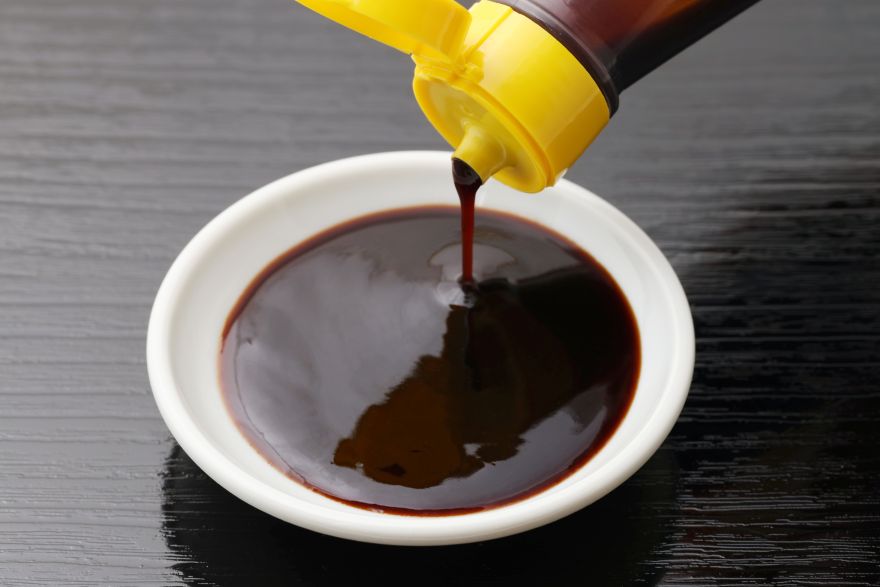
If you have a bottle of okonomiyaki sauce but your recipe calls for takoyaki sauce, there is good news: you can usually use it without a problem. The two Japanese sauces are closely related, and their basic sweet, savory, tangy flavor profiles overlap considerably.
They are not always identical, however. Manufacturers adjust sweetness, acidity, spices, umami, color, and thickness to suit each dish. That means the difference between takoyaki sauce and okonomiyaki sauce often depends more on the brand than on a strict definition.
Takoyaki Sauce vs. Okonomiyaki Sauce: The Short Answer
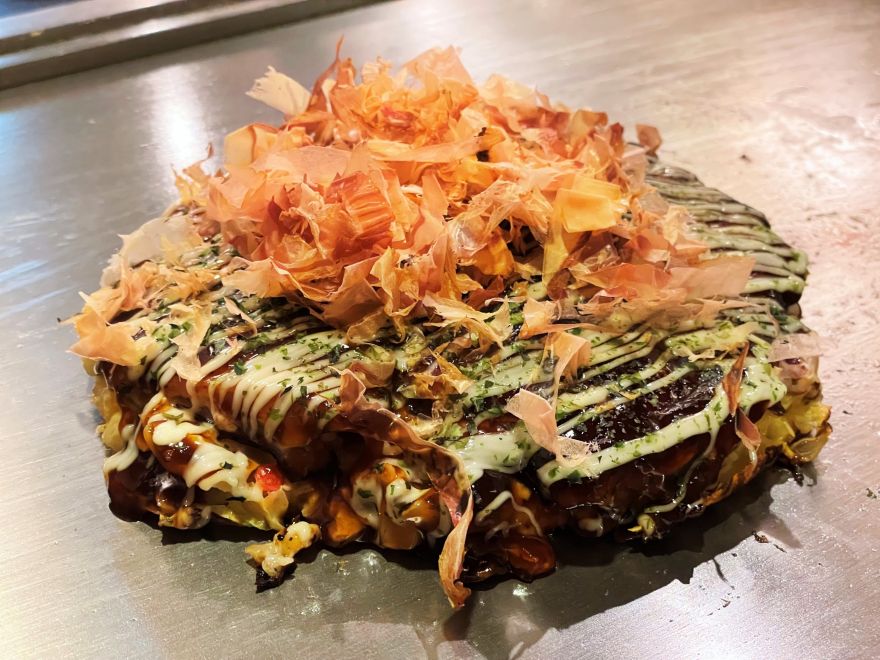
Takoyaki sauce and okonomiyaki sauce are similar enough to substitute for each other, but they are usually formulated differently.
Takoyaki sauce is designed to coat small, round takoyaki without immediately running off. Depending on the brand, it may emphasize sweetness, tanginess, spices, soy sauce, or dashi-like savory flavors.
Okonomiyaki sauce is made to complement a larger savory pancake containing cabbage, batter, meat, seafood, or other fillings. It is generally sweet, fruity, savory, and thick enough to spread across the surface.
| Feature | Takoyaki Sauce | Okonomiyaki Sauce |
|---|---|---|
| Main use | Takoyaki | Okonomiyaki |
| Typical flavor | Sweet and savory; acidity and spice vary by brand | Sweet, savory, fruity, and mildly tangy |
| Texture | Designed to cling to round takoyaki | Designed to coat and spread over okonomiyaki |
| Ingredients | Often fruit, vegetables, vinegar, sugar, spices, soy sauce, and savory seasonings | Often fruit, vegetables, vinegar, sugar, spices, soy sauce, and savory seasonings |
| Can they substitute for each other? | Yes | Yes |
These are general tendencies rather than fixed rules. There is no single formula that every Japanese sauce manufacturer follows.
What Is the Difference Between Takoyaki and Okonomiyaki Sauce?
Flavor
Both sauces belong to the broad family of Japanese Worcestershire-style sauces often referred to simply as sosu in Japan. They typically combine sweet, sour, savory, fruity, and spiced flavors.
Takoyaki sauce is sometimes slightly sweeter than okonomiyaki sauce, but this is not universal. Some manufacturers instead distinguish their takoyaki sauce with extra acidity, spices, soy sauce, or savory ingredients.
That is why comparing two bottles from the same manufacturer is more useful than assuming every takoyaki sauce will taste sweeter than every okonomiyaki sauce.
Texture and How the Sauce Is Used
Texture is also influenced by the food the sauce is meant to cover.
Takoyaki are small balls, so their sauce needs enough body to coat a curved surface rather than immediately dripping onto the plate.
Okonomiyaki is broad and flat. Its sauce needs to spread easily across the pancake while remaining thick enough to stay on top instead of disappearing into the batter.
In practice, both sauces are much thicker than traditional British Worcestershire sauce. The exact difference in viscosity varies from one manufacturer to another.
Ingredients and Umami
The ingredient lists can look surprisingly similar. Common components include tomatoes, apples, dates or other fruits, onions, carrots, sugar, vinegar, salt, spices, soy sauce, and thickeners.
The differences often appear in the smaller flavoring ingredients. A takoyaki sauce may use fish extract, kombu, soy sauce, or other savory seasonings that complement the dashi flavor commonly found in takoyaki batter. An okonomiyaki sauce may lean more heavily on fruit and vegetable flavors to work with cabbage, pork, seafood, and other fillings.
This also means you should check the label if you have dietary restrictions. Not every takoyaki sauce is vegetarian or vegan, and ingredients can differ even between products made by the same company.
Why Are the Two Sauces So Similar?
How Japanese Worcestershire-Style Sauces Developed
The relationship makes more sense when you look at their history.
Worcestershire sauce reached Japan during the country’s modernization in the late 19th century. Japanese manufacturers gradually adapted the concept to local tastes, creating sweeter and thicker sauces based on vegetables, fruits, vinegar, sugar, and spices.
As dishes such as okonomiyaki became more popular, manufacturers developed thicker sauces that would stay on the food instead of running off. Specialized products for okonomiyaki, tonkatsu, yakisoba, and eventually takoyaki followed.
In other words, today’s dish-specific sauces are branches of the same Japanese sauce family. That shared background explains why substituting one for another usually works.
Where Chuno Sauce Fits In
One term that may be unfamiliar outside Japan is chuno sauce, sometimes translated as Japanese medium-thick sauce.
Japan’s JAS standard classifies Worcestershire-style sauces partly by viscosity:
| Japanese Category | Viscosity | General Texture |
|---|---|---|
| Worcestershire sauce | Less than 0.2 Pa·s | Thin and pourable |
| Chuno sauce | 0.2 Pa·s to less than 2.0 Pa·s | Medium-thick |
| Thick sauce | 2.0 Pa·s or more | Thick |
Takoyaki sauce and okonomiyaki sauce are dish-specific product names rather than separate viscosity categories in this system. Their exact recipes and textures therefore depend on the manufacturer.
Otafuku Takoyaki Sauce vs. Okonomi Sauce
Otafuku provides a useful example because the company makes separate sauces for the two dishes.
Its Okonomi Sauce was first released in 1952 and is built around a mellow sweetness from vegetables and fruits. The company treats it as a versatile sauce that can be used not only for okonomiyaki but also for dishes such as yakisoba and takoyaki.
Otafuku introduced its Takoyaki Sauce in 1964. According to the company’s current explanation, it is based on the flavor of its Okonomi Sauce but adjusted with acidity and spices. The color, gloss, and consistency are also designed specifically for takoyaki, including enough thickness to help the sauce stay on the round surface.
This is a good example of why there is no universal rule such as “takoyaki sauce is always sweeter” or “okonomiyaki sauce is always thicker.” A manufacturer can tune each product differently according to the food it is designed for.
Can You Use Okonomiyaki Sauce for Takoyaki?
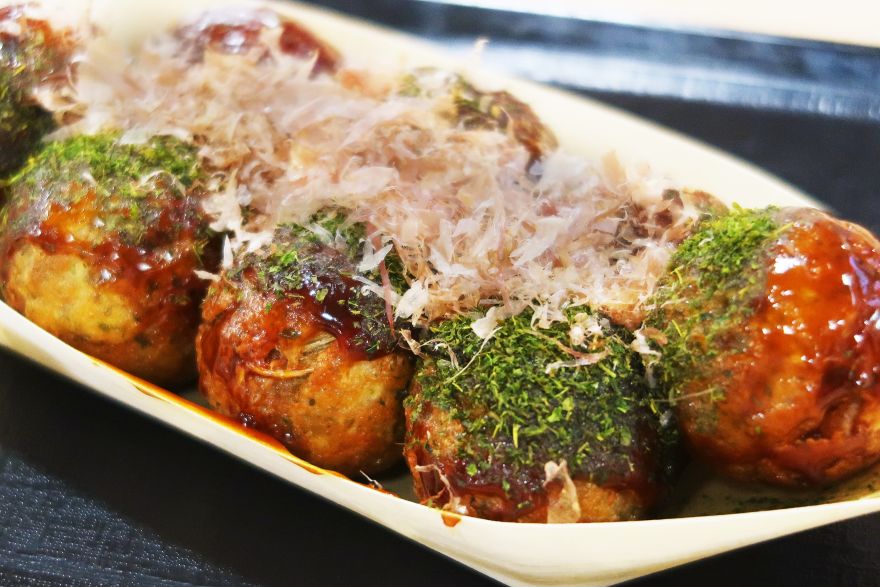
Yes. Okonomiyaki sauce is one of the easiest substitutes for takoyaki sauce.
The sauces share many of the same basic ingredients and flavors, and commercially made okonomiyaki sauce is commonly used on takoyaki as well.
You may notice a small difference in sweetness, acidity, spice, or texture, but you do not need to modify the sauce unless you want to.
How to Adjust the Flavor
If your okonomiyaki sauce does not taste quite like the takoyaki sauce you prefer, adjust it gradually rather than adding several ingredients at once.
- If you want more sweetness, add a small amount of sugar or honey.
- If you want a deeper Japanese savory flavor, try a small amount of soy sauce or concentrated mentsuyu.
- If you want more body and sweetness at the same time, a little ketchup can help, depending on the flavor of your starting sauce.
Taste after each addition. Different brands already contain different levels of sugar, salt, acidity, and seasoning, so there is no single adjustment ratio that works for every bottle.
Other Substitutes for Takoyaki Sauce
Yakisoba Sauce
Yakisoba sauce can work on takoyaki, although the result may taste sharper or more heavily spiced.
Yakisoba sauce is designed to season noodles and other ingredients while they are cooked on a hot griddle. Many versions are less thick than sauces designed primarily as toppings.
If yours tastes too tangy or spicy on takoyaki, a small amount of sugar, honey, or ketchup can soften the flavor and add body.
Chuno Sauce
Chuno sauce is another useful substitute, especially if you cook Japanese food regularly and already have a bottle.
It generally sits between thin Japanese Worcestershire sauce and thick fruit-forward sauces in both texture and flavor. Compared with many takoyaki sauces, it can taste less sweet and slightly sharper.
You can use it as-is for a lighter flavor or add a little sweetness if you prefer the richer sauce commonly served on takoyaki.
Tonkatsu Sauce
Tonkatsu sauce also works. It is usually thick, fruity, sweet, and tangy because it is designed to accompany fried pork cutlets and other fried foods.
On takoyaki, it can produce a fruitier, heavier flavor than a typical takoyaki sauce. If you want more savory depth, a small amount of soy sauce or mentsuyu can move the flavor closer to the Japanese dashi-and-soy profile often associated with takoyaki.
Japanese Worcestershire Sauce
Japanese Worcestershire sauce can be used if that is all you have, but it is not the closest substitute.
It is much thinner and usually tastes sharper and more strongly spiced. Because it runs off takoyaki easily, it works better when mixed with a sweeter, thicker condiment than when used alone.
Which Sauce Should You Use?
If you have actual takoyaki sauce, use it when you want the flavor and texture the manufacturer designed specifically for takoyaki.
If you only have okonomiyaki sauce, use it without hesitation. For most home cooking, the difference is small enough that buying another bottle is unnecessary unless you want to compare the two or you make takoyaki frequently.
Yakisoba sauce, chuno sauce, and tonkatsu sauce can all work too, but each changes the balance of sweetness, acidity, spice, and thickness.
| What You Have | Can You Use It on Takoyaki? | What to Expect |
|---|---|---|
| Okonomiyaki sauce | Yes | The closest easy substitute; usually little or no adjustment needed |
| Yakisoba sauce | Yes | May be thinner, tangier, or more strongly spiced |
| Chuno sauce | Yes | Balanced but often less sweet than dedicated takoyaki sauce |
| Tonkatsu sauce | Yes | Thick and fruity; may taste richer |
| Japanese Worcestershire sauce | Yes, with limitations | Thin and sharp; better when combined with something sweeter and thicker |
Frequently Asked Questions
Are takoyaki sauce and okonomiyaki sauce the same?
No. They are closely related Japanese sauces, but manufacturers can adjust their recipes specifically for each dish. Differences may include sweetness, acidity, spices, savory ingredients, color, and thickness.
Can I use okonomiyaki sauce instead of takoyaki sauce?
Yes. It is one of the best substitutes and can usually be used without any changes.
What is the best substitute for takoyaki sauce?
Okonomiyaki sauce is generally the easiest substitute because its flavor and texture are very similar. Yakisoba, chuno, and tonkatsu sauces can also work.
What is chuno sauce?
Chuno sauce is a Japanese medium-thick Worcestershire-style sauce made with ingredients such as fruits, vegetables, vinegar, sugar, and spices. It is thicker than Japanese Worcestershire sauce but less viscous than sauces classified as thick sauce under JAS standards.
Is takoyaki sauce vegan?
Not necessarily. Recipes vary by brand, and some products contain fish or other animal-derived ingredients. Check the ingredient list on the specific bottle rather than assuming all takoyaki sauces are vegan.