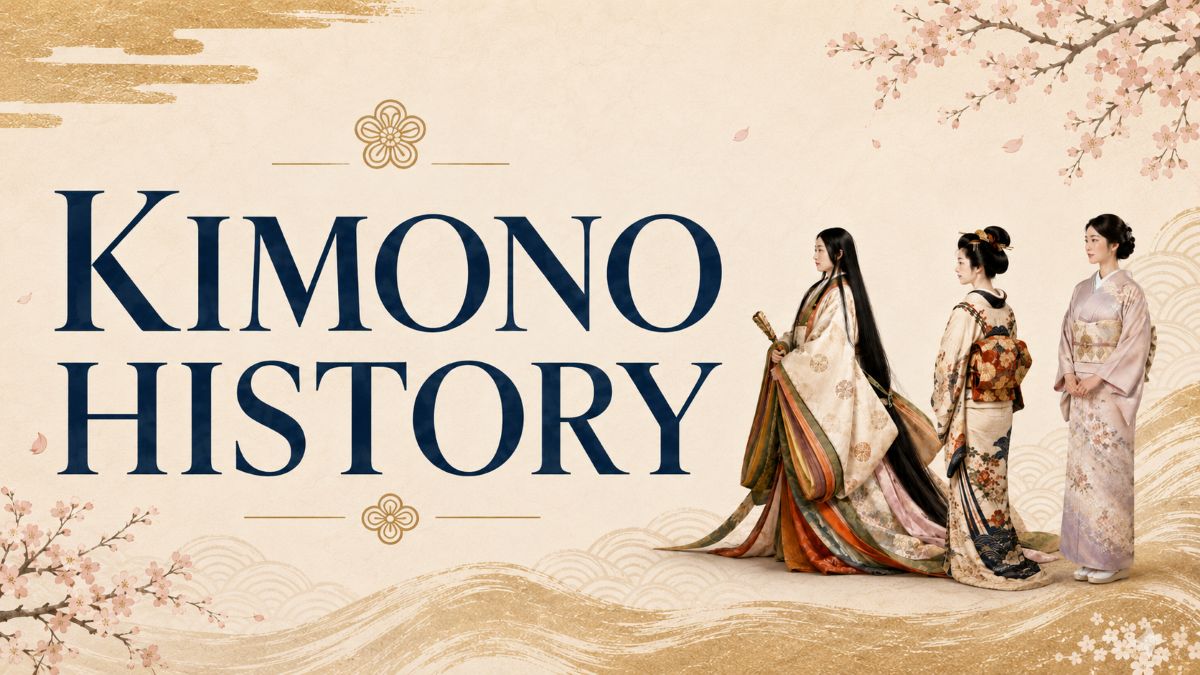
The history of the kimono is not just a story about clothing. It is also a story about Japanese society, beauty, rank, craftsmanship, and change. From aristocratic court fashion to Edo-period town style and modern ceremonial wear, the kimono has kept transforming while still holding onto its Japanese identity.
1. The Evolution of Kimono Through Japanese History
“`
When people search for kimono history, they often want to know when the kimono “became” the kimono. The answer is not a single date. The modern kimono developed gradually from earlier Japanese garments, especially the kosode, a small-sleeved robe that eventually became the direct ancestor of today’s kimono.
Heian Period: Court Fashion and the Birth of the Kosode
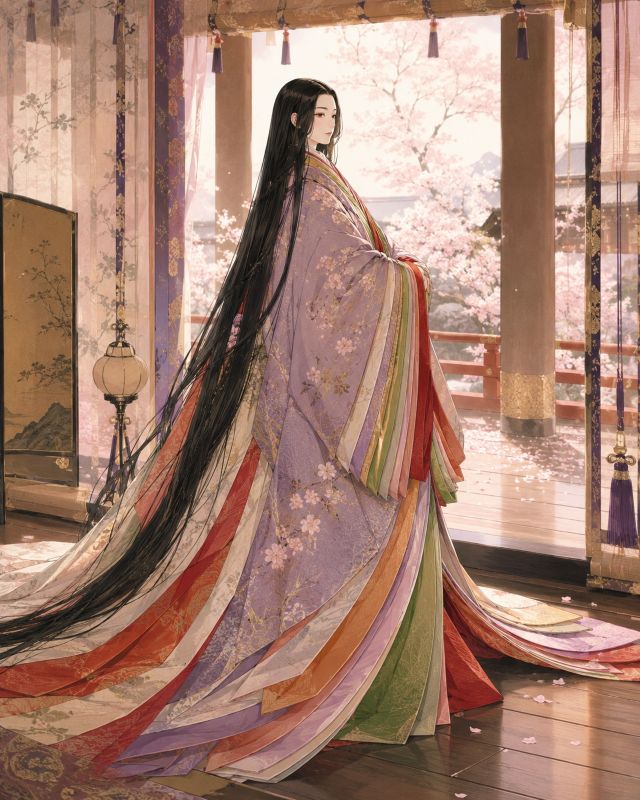
The Heian period was one of the most important moments in Japanese clothing history. During this time, Japan developed a more distinct court culture, and aristocratic clothing became elaborate, layered, and highly symbolic.
Women of the aristocracy wore luxurious layered robes, often associated today with the jūnihitoe. These outfits were not only beautiful but also showed rank, taste, seasonality, and cultural refinement. Color combinations mattered deeply, and clothing became a way to express elegance and sensitivity to nature.
At the same time, a much simpler garment called the kosode was worn underneath these grand robes. The word kosode means “small sleeves.” At first, it was basically an undergarment, but its practical shape made it extremely important later. It was easier to move in, simpler to wear, and better suited to everyday life than the heavy layered clothing of the court.
This is why the Heian period matters so much in kimono history: the most spectacular clothing was the aristocratic layered robe, but the quiet future of the kimono was hidden in the simple kosode underneath.
Kamakura and Muromachi Periods: Samurai Practicality Changes Clothing
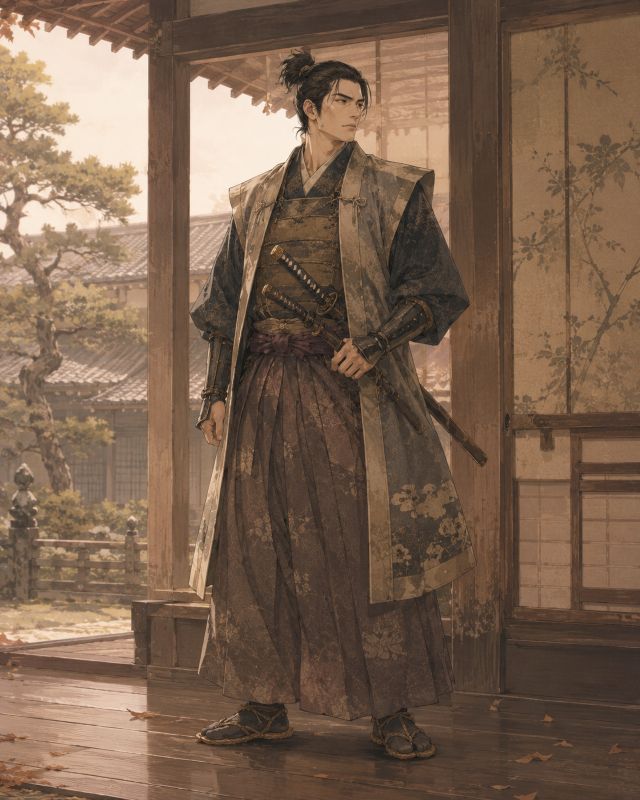
As samurai culture became more powerful, Japanese clothing began to move away from the highly decorative world of court nobles. Samurai needed clothing that allowed movement and suited a more active lifestyle. The kosode, once an undergarment, started to be worn more visibly as outer clothing.
By the Muromachi period, the kosode had spread more widely beyond the aristocratic world. It became common among warriors and townspeople, gradually moving closer to the form we now recognize as the kimono. Around this period, the word kimono, meaning “thing to wear,” also became more established as a general term for clothing.
Edo Period: The Golden Age of Kimono Fashion
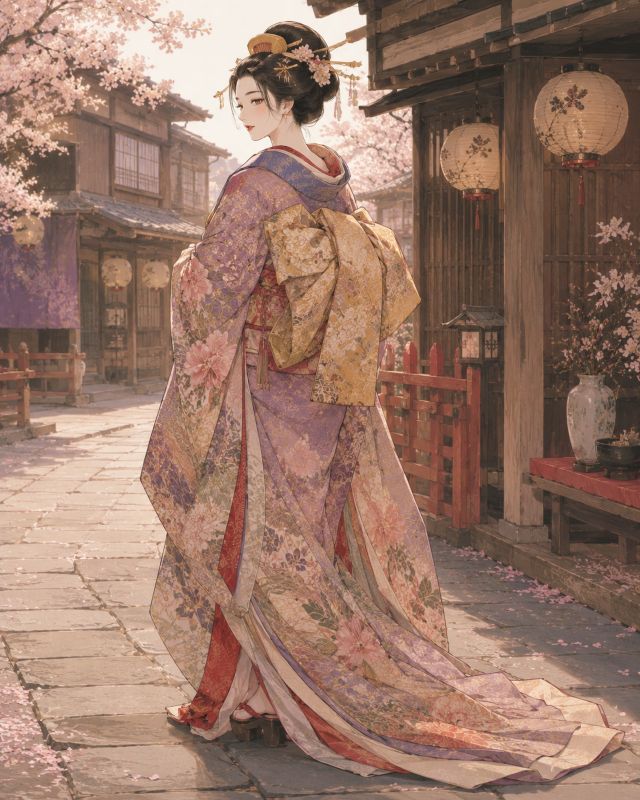
The Edo period was the golden age of kimono fashion. By this time, the kosode had become the main outer garment, and the basic shape of the modern kimono was largely established.
One of the biggest changes was the development of the obi, the sash worn around the waist. Earlier belts were mostly practical, used simply to hold the garment closed. During the Edo period, the obi became wider, longer, more decorative, and more important to the overall look.
This created a fascinating balance. The kimono itself kept a simple, straight-line structure, but the obi added dramatic visual impact. Its knot, size, color, fabric, and placement became key parts of kimono fashion.
The Edo period also saw the rise of urban fashion culture. Merchants and townspeople became increasingly influential, and kimono style was no longer shaped only by aristocrats or samurai. Even under strict rules, ordinary people found creative ways to enjoy fashion.
Meiji Period and Beyond: Westernization and the Decline of Everyday Kimono
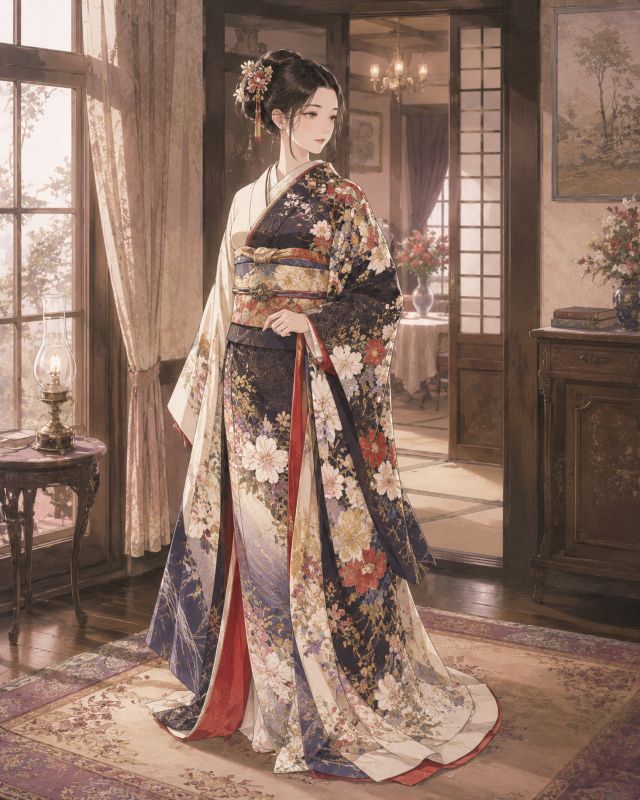
The Meiji period brought a huge turning point. As Japan modernized, Western clothing entered public life through the military, government, schools, and business. This was also when the term wafuku, meaning “Japanese clothing,” became more necessary, because Japanese clothing now had to be distinguished from Western clothing.
Kimono did not disappear immediately. Many people, especially women, continued to wear kimono in daily life into the early modern period. But after World War II, Western-style clothing became more practical for everyday work, school, transportation, and modern home life.
Today, kimono is no longer everyday clothing for most Japanese people. Instead, it is usually worn for ceremonies, festivals, weddings, coming-of-age celebrations, graduations, tea ceremony, traditional arts, tourism, and personal fashion. Its role has changed, but its cultural power remains strong.
“`
2. Social Class, Samurai, Commoners, and Sumptuary Laws
“`
Kimono history is closely connected to social class. In many periods of Japanese history, clothing was not just about personal taste. It showed rank, occupation, gender, marital status, wealth, and social expectations.
Clothing as a Sign of Rank
In ancient Japan, clothing rules were connected to government and social order. During the Nara period, Chinese-style court systems influenced Japanese dress codes. Clothing colors, forms, and formal garments could indicate rank and official position.
This idea continued in different ways throughout Japanese history. Nobles, samurai, merchants, artisans, farmers, entertainers, and religious figures all had different clothing norms. What a person wore could communicate where they belonged in society.
Samurai vs. Commoners
Samurai clothing had to balance formality and practicality. Samurai were members of the warrior class, so their clothing needed to reflect discipline, status, and readiness. While formal samurai dress could be highly structured, the rise of the kosode also showed the practical side of warrior culture.
Commoners, especially townspeople in the Edo period, developed a different kind of fashion culture. Merchants could become wealthy, but social rules often prevented them from openly displaying that wealth through overly luxurious clothing. This tension created some of the most interesting styles in kimono history.
Sumptuary Laws and the Beauty of Iki
During the Edo period, the shogunate issued sumptuary laws that restricted luxury. These laws were meant to control displays of wealth, especially among commoners. Expensive fabrics, bright colors, and extravagant designs could be limited or discouraged.
But fashion did not stop. Instead, people became more subtle. Edo townspeople developed a refined taste known as iki. Rather than obvious luxury, they valued hidden elegance, clever restraint, and stylish details that were not too loud.
One famous example is the love of quiet, sophisticated colors, sometimes described through phrases like “forty-eight browns and one hundred grays.” These were not boring colors. They were subtle variations that allowed people to enjoy style within the limits of social rules.
Another example was hidden fashion: a plain outer fabric might be paired with a beautiful lining, or a modest-looking kimono might include refined details that only a careful eye would notice. In this way, restriction actually helped create a uniquely Japanese sense of stylish restraint.
| Social Group | Clothing Features | Cultural Meaning |
|---|---|---|
| Nobles | Layered, ceremonial, color-focused clothing | Rank, refinement, court culture |
| Samurai | Formal but practical garments | Status, discipline, warrior identity |
| Commoners | Restricted but creative styles | Urban taste, subtle elegance, iki |
“`
3. Types of Kimono and Formality Today
“`
Modern kimono culture has many rules around formality, occasion, age, season, gender, and marital status. For people used to Western fashion, this can feel surprisingly detailed. But these rules come from a long history of clothing as social communication.
Furisode: Formal Kimono for Unmarried Women
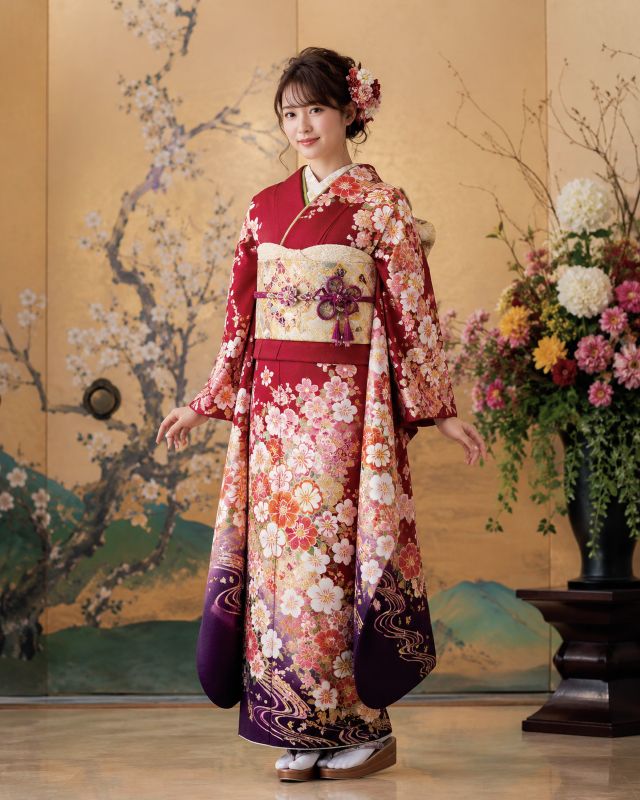
Furisode is one of the most recognizable types of kimono because of its long, flowing sleeves. It is usually worn by young unmarried women for formal celebrations, especially Coming of Age Day.
The long sleeves are not just decorative. They signal youth, formality, and unmarried status. This connection between sleeve length and social identity is one of the details that makes kimono especially interesting to people outside Japan.
Tomesode: Formal Kimono for Married Women
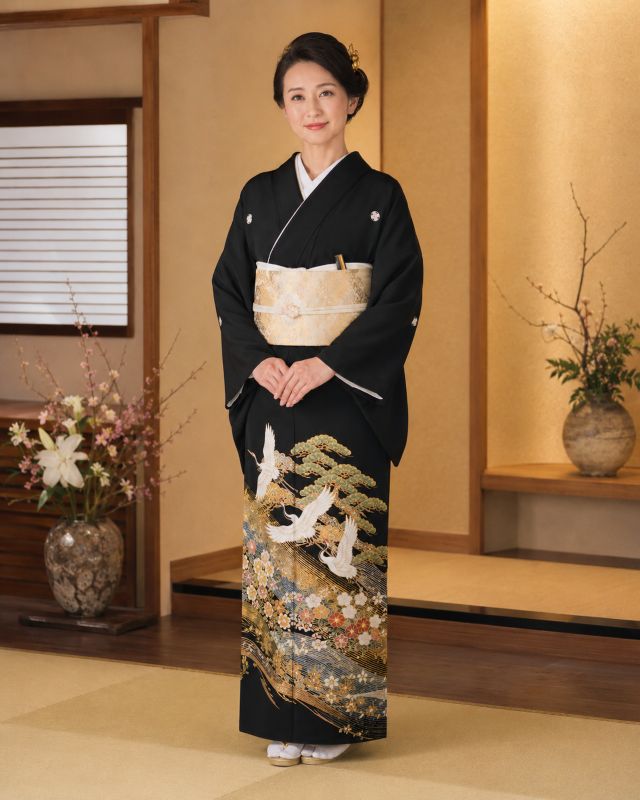
Tomesode is a formal kimono often worn by married women. Compared with furisode, the sleeves are shorter. Black tomesode, often decorated below the waist and marked with family crests, is one of the most formal styles and may be worn by married female relatives at weddings.
The difference between furisode and tomesode shows how kimono can express life stage, social role, and occasion through shape, design, and decoration.
Kimono vs. Yukata
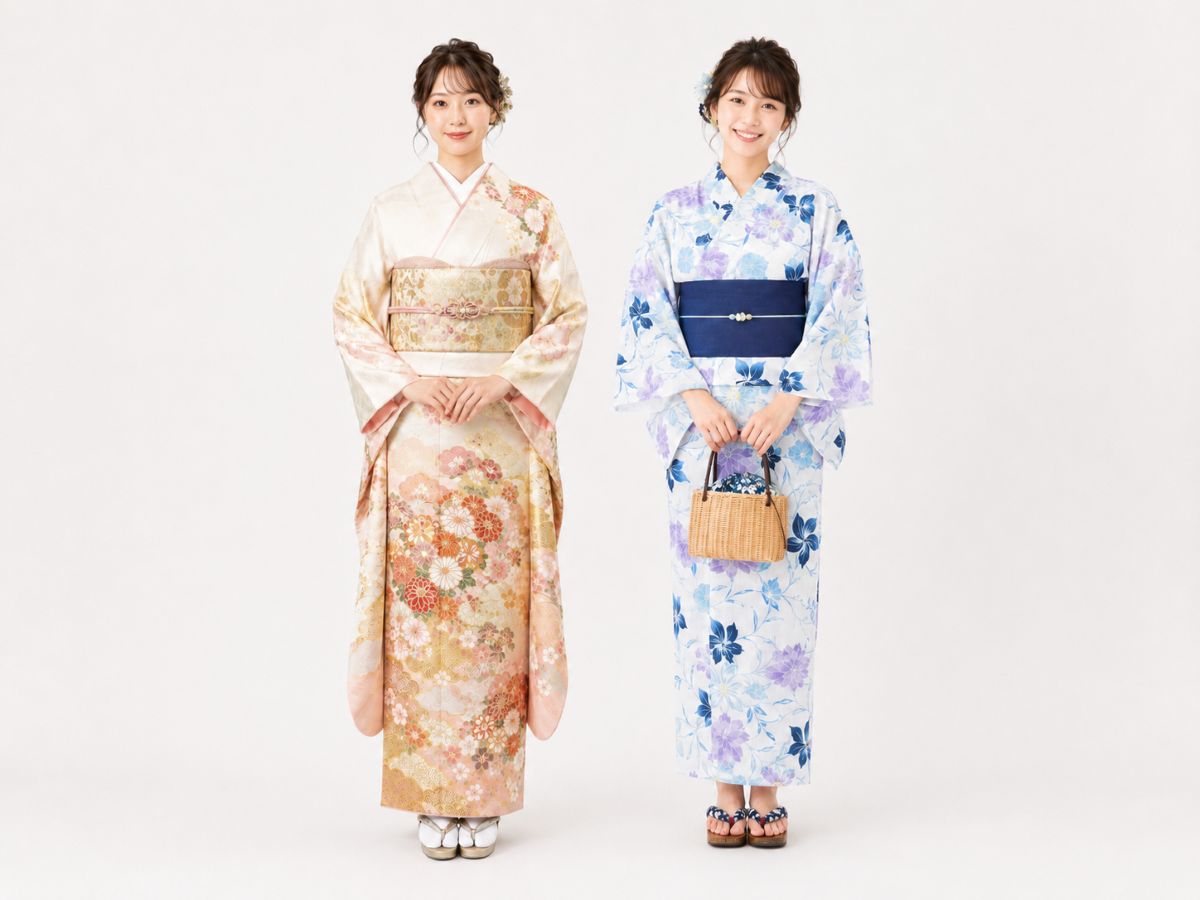
One of the most common questions in kimono history is the difference between kimono and yukata. A kimono is a broad category of traditional Japanese clothing, while a yukata is a lighter, more casual garment with a very different origin.
The yukata developed from the yu-katabira, a simple robe worn during bathing in the Heian period. At that time, bathing often meant steam baths rather than soaking in a modern tub. The garment helped cover the body and protect the skin from heat.
Later, yukata became clothing worn after bathing, and eventually casual summer wear. During the Edo and Meiji periods, as public bath culture and summer festivals became popular, yukata became associated with relaxation, festivals, fireworks, and warm-weather outings.
| Feature | Kimono | Yukata |
|---|---|---|
| Formality | Can be casual, semi-formal, or highly formal | Usually casual |
| Origin | Developed mainly from the kosode | Developed from bathing garments |
| Common Materials | Silk, wool, cotton, synthetic fabrics | Cotton or synthetic fabrics |
| Modern Use | Ceremonies, formal events, traditional arts, fashion | Summer festivals, ryokan stays, casual wear |
Kimono as Special Occasion Clothing
Today, kimono is most often connected with special occasions. People may wear kimono for weddings, graduations, tea ceremony, shrine visits, traditional performances, and seasonal events.
This does not mean kimono is frozen in the past. Some people enjoy antique kimono, casual cotton kimono, denim kimono, polyester kimono, and creative modern styling. Still, for most people in Japan today, kimono is not everyday clothing but a meaningful garment for moments that feel special.
“`
4. Symbolism in Kimono Patterns, Colors, and Kamon
“`
Kimono patterns are rarely just decoration. They often carry seasonal, poetic, family, or symbolic meaning. This is one reason kimono can feel so rich even when the garment shape itself is simple.
Nature Motifs and Seasonal Meaning
Japanese design has long paid close attention to the seasons. Kimono patterns often reflect flowers, trees, birds, water, clouds, and other natural images. Wearing a seasonal motif can show sensitivity to time, place, and atmosphere.
- Cherry blossoms: spring, beauty, and the brief nature of life
- Pine: longevity, endurance, and resilience
- Peony: wealth, elegance, and beauty
- Crane: long life and good fortune
- Plum blossom: perseverance and the arrival of early spring
These meanings are not always strict rules, but they help explain why kimono design feels so connected to poetry, seasonality, and Japanese aesthetics.
Colors and Social Taste
Color has also played a major role in kimono history. In court culture, color combinations could express rank, season, and refined taste. In the Edo period, restrained colors became especially important because of sumptuary laws and the rise of iki.
Instead of only valuing bright luxury, Edo fashion often celebrated quiet tones, smoky grays, browns, and subtle differences that showed sophistication. In kimono culture, color can be bold and ceremonial, but it can also be quiet, hidden, and deeply stylish.
Kamon: Family Crests on Kimono
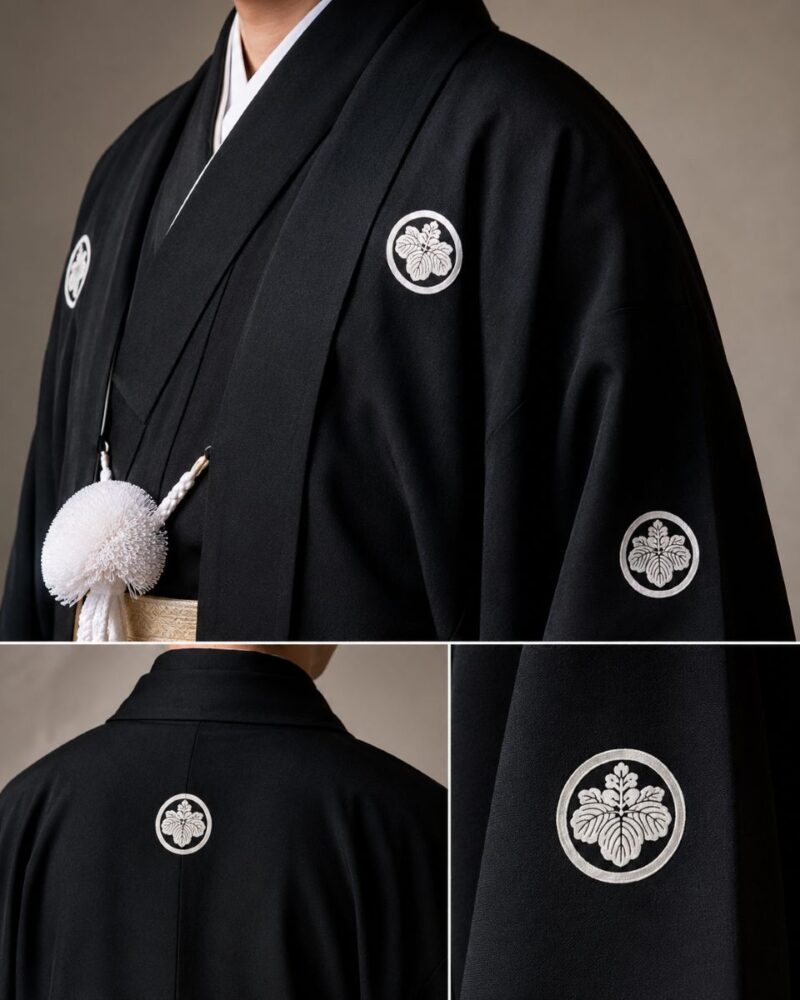
Kamon are Japanese family crests. On formal kimono, especially garments like tomesode, kamon can show family identity and raise the level of formality.
The number and placement of crests can matter. A kimono with more crests is generally more formal. This makes kamon more than decoration. They connect the wearer to family, ceremony, and social tradition.
“`
5. Materials and Dyeing Techniques in Kimono History
“`
The kimono is also a history of textiles. Fabric, weaving, dyeing, and decoration shaped how kimono looked, who could wear them, and how they were used.
Silk, Hemp, and Cotton
Silk has long been associated with luxury, high status, and formal kimono. Historically, fine woven silk was precious and often connected to elite culture. The word gofuku, now associated with kimono shops, originally referred to high-quality textiles and woven goods connected with continental influence.
Hemp and other plant fibers were also important in earlier clothing and practical garments. For yukata, hemp was used in its early bathing-garment form because it was light and breathable.
Cotton became especially important later. As cotton spread more widely, it helped make casual clothing and yukata more comfortable and accessible. Cotton absorbed sweat well, suited Japan’s humid summers, and became closely connected with everyday and summer wear.
Indigo Dye and Yukata
Traditional yukata were often dyed with indigo. Indigo was loved not only for its cool, deep blue appearance but also because it was practical in summer. It was associated with insect-repelling and antibacterial qualities, which made sense in Japan’s hot and humid climate.
Earlier yukata designs were often simple, using blue and white patterns. Later, dyeing techniques developed, and yukata became more colorful and fashionable.
Yuzen Dyeing and Decorative Kimono
Yuzen dyeing is one of the most famous Japanese kimono dyeing techniques. It allowed detailed, painterly designs to appear on fabric and became especially important in the development of decorative kimono culture.
Techniques like Yuzen helped make kimono into more than clothing. They turned the garment into a surface for seasonal imagery, symbolic motifs, and artistic expression.
Nishijin Weaving and Luxury Textile Culture
Nishijin weaving is another important part of Japanese textile history. Known for luxurious woven fabrics, Nishijin is especially associated with high-quality textiles used in kimono and obi.
The development of weaving and dyeing techniques shows why kimono history attracts not only people interested in Japan, but also fashion lovers, textile researchers, and designers. A kimono may look simple in shape, but its fabric can hold centuries of technical skill and cultural meaning.
Modern Materials and New Kimono Culture
Modern kimono are not limited to silk. Today, people can find kimono made from cotton, wool, polyester, denim, and washable synthetic fabrics. These materials make kimono easier to care for and more approachable for casual wear.
This modern shift connects back to the long history of kimono adaptation. The kimono has always changed with society, technology, and lifestyle. Its structure may be traditional, but its meaning continues to evolve.
“`