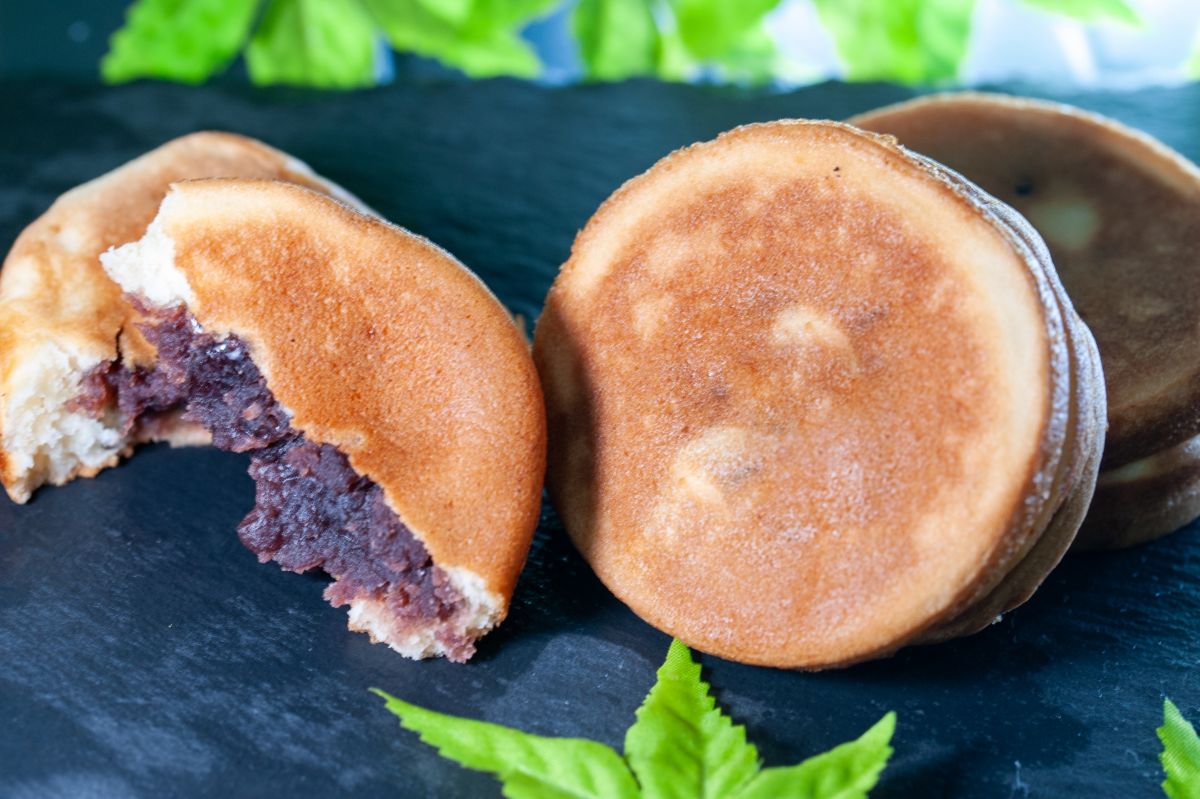
If you have ever watched a Japanese festival scene, a street food video, or an anime moment where someone bites into a warm, round cake filled with sweet red bean paste, there is a good chance you have seen imagawayaki.
At first glance, it may look like a thick pancake, a small cake, or even a muffin without the wrapper. But imagawayaki is its own thing: a comforting Japanese snack with a soft golden outside and a warm filling inside.
In this guide, I will walk through what imagawayaki is, why it has so many different names, how it compares with taiyaki and dorayaki, how people make it at home, and what kinds of fillings you can find.
What Is Imagawayaki?
“`
A Thick Japanese Pancake Filled with Sweet Red Bean Paste
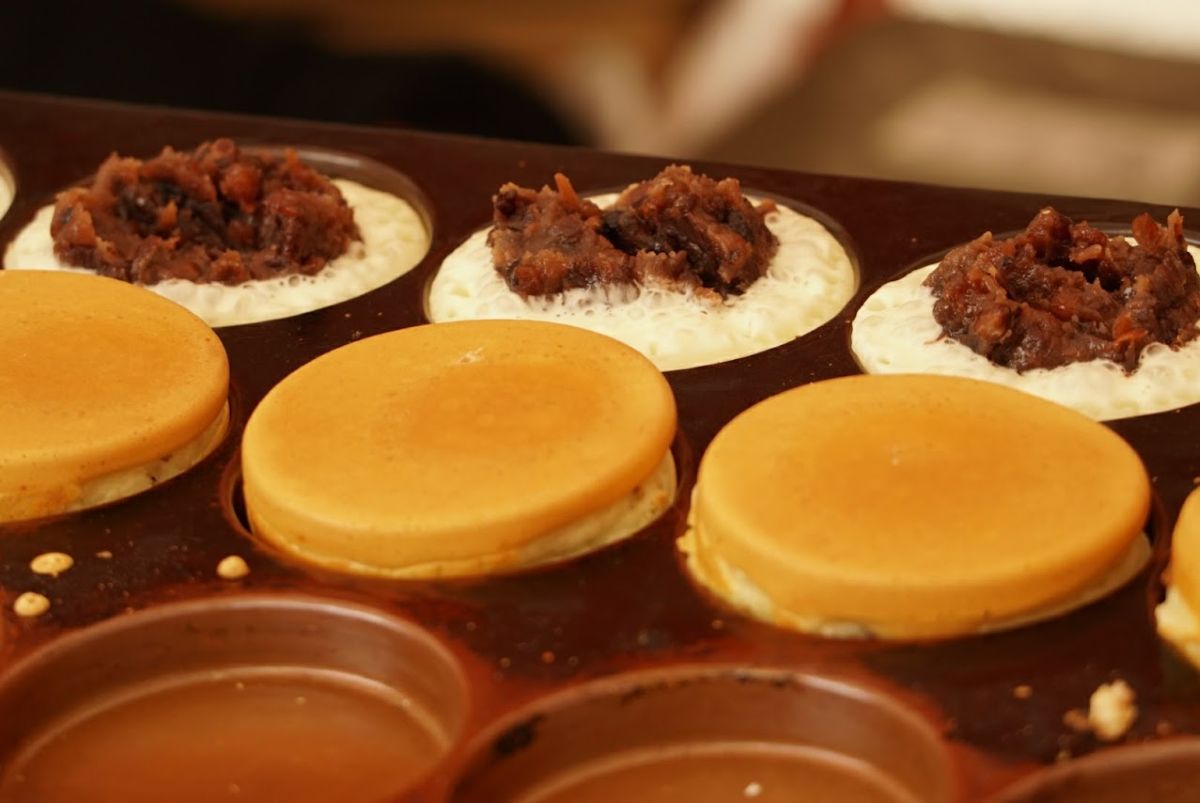
Imagawayaki is a traditional Japanese round cake-like snack made by pouring batter into a special metal mold, adding a filling, and baking it until the outside turns golden brown.
The most classic version is filled with anko, a sweet paste made from azuki red beans. In English, imagawayaki is often described as a Japanese red bean pancake, a Japanese stuffed pancake, or a round Japanese cake filled with sweet red bean paste.
Those descriptions are useful, but none of them are perfect. Imagawayaki is thicker than a regular Western pancake, more enclosed than a sandwich-style dessert, and usually served warm rather than cold.
What Does Imagawayaki Taste Like?
The outside of imagawayaki is soft, lightly chewy, and gently sweet. When freshly made, the surface can have a slightly crisp edge, especially where the batter touched the hot mold.
The inside is usually warm, sweet, and rich. If the filling is red bean paste, the taste is earthy and sweet, but not exactly like chocolate, jam, or peanut butter. It has its own mellow flavor that many people associate with classic Japanese sweets.
If you are trying to imagine it for the first time, think of a thick pancake-like shell wrapped around a warm, sweet filling. It is simple, cozy, and very easy to like.
Is Imagawayaki a Festival Food?
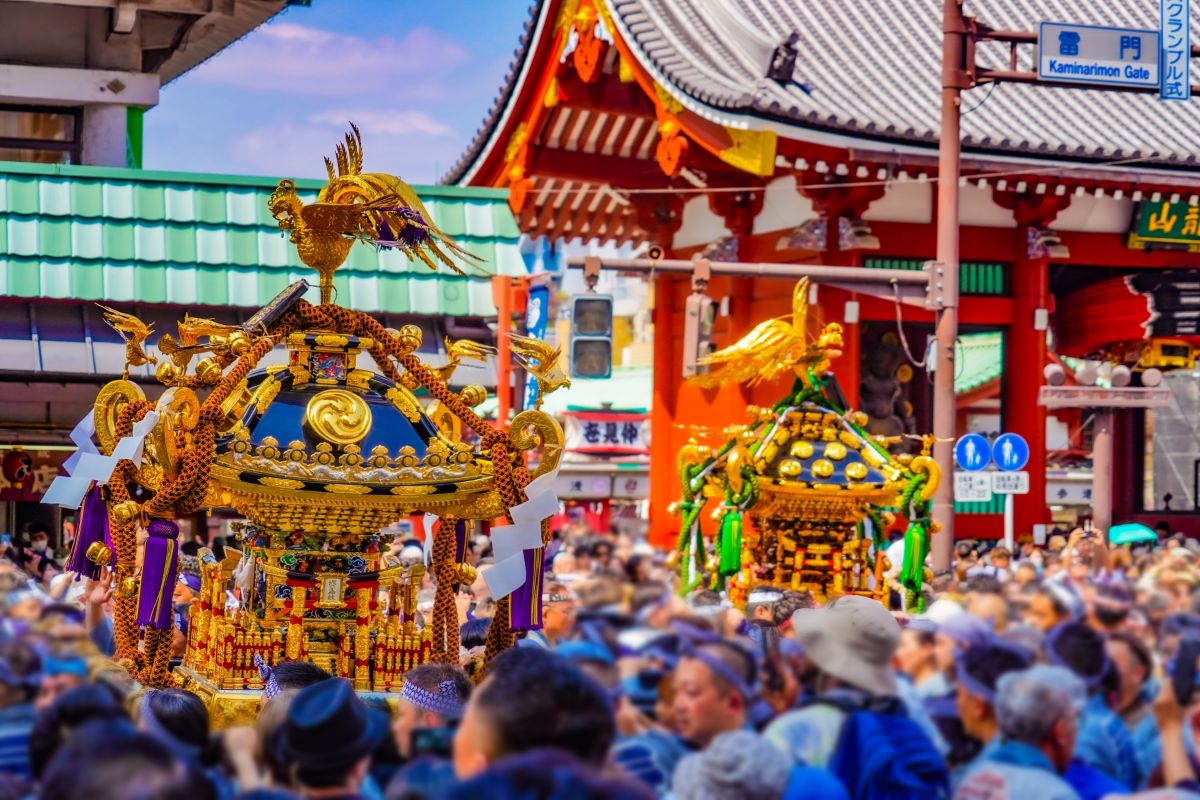
Yes, imagawayaki can be found at Japanese festivals, food stalls, shopping streets, department store basements, and small local shops. It is one of those snacks that feels nostalgic and everyday at the same time.
It is not only a festival food, though. Many people in Japan also eat it as a casual afternoon snack. Frozen imagawayaki is also common, so it can be enjoyed at home after a quick reheating.
That is part of its charm. Imagawayaki is not fancy or formal. It is more like the kind of warm snack you pick up while walking home, visiting a shopping arcade, or stopping by a small neighborhood shop.
“`
Imagawayaki, Obanyaki, or Kaitenyaki? The Name Debate
“`
Why Does the Same Snack Have So Many Names?
One of the most confusing things about imagawayaki is that the same snack can have different names depending on where you are in Japan.
In many places, people call it imagawayaki. In other areas, it may be called obanyaki, kaitenyaki, oyaki, gozasoro, or even other local names.
This does not usually mean that they are completely different foods. Most of the time, these names refer to the same basic idea: a round, thick, mold-baked snack with a filling inside.
The name can change because of local food culture, shop branding, regional habits, or even the type of equipment used to make it.
Imagawayaki vs Obanyaki: Are They Different?
In everyday use, imagawayaki and obanyaki usually refer to the same kind of snack.
The word obanyaki is often connected with the idea of a larger round shape. The word “oban” can bring to mind an old Japanese large oval gold coin, so the name gives the snack a generous, lucky, and slightly old-fashioned feeling.
Depending on the shop, an obanyaki might be a little bigger, have a different batter, or contain more filling. But as a broad food category, obanyaki is best understood as another regional or commercial name for imagawayaki.
What Is Kaitenyaki?
Kaitenyaki is another common name for this snack, especially in parts of Japan such as Kyushu.
The word kaiten means “rotation” or “turning,” so the name is often linked to the movement of the cooking equipment or the round shape of the snack itself.
If you see “kaitenyaki” on a sign in Japan, you are probably looking at something very close to imagawayaki: a warm round cake with sweet filling inside.
“`
Imagawayaki vs Taiyaki vs Dorayaki
“`
Imagawayaki vs Taiyaki
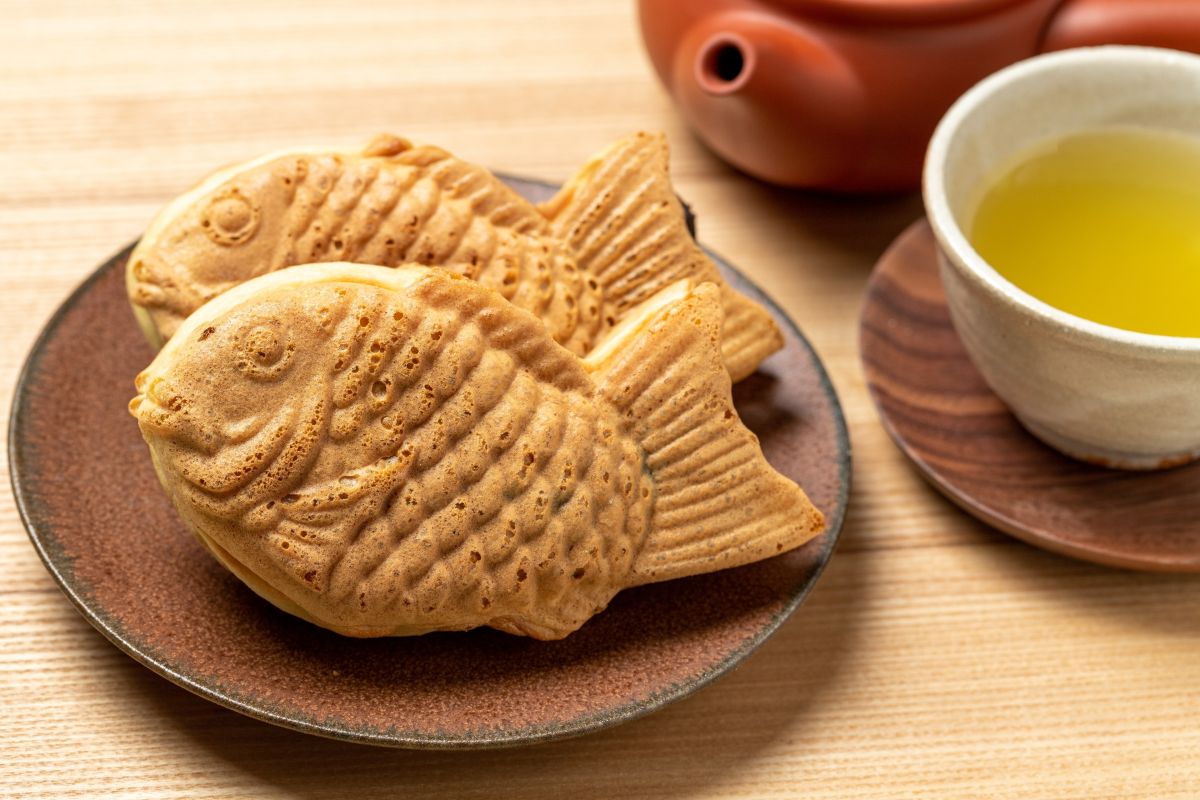
Taiyaki is probably the easiest comparison because it also uses batter, a special mold, and a sweet filling. The biggest visual difference is obvious: taiyaki is shaped like a fish, while imagawayaki is round.
Taiyaki is often thinner around the edges and can have a crispier outside. Imagawayaki is usually thicker, rounder, and more pancake-like.
| Feature | Imagawayaki | Taiyaki |
|---|---|---|
| Shape | Round and thick | Fish-shaped |
| Cooking method | Baked in a round metal mold | Baked in a fish-shaped mold |
| Common filling | Sweet red bean paste | Sweet red bean paste, custard, chocolate, and more |
| Texture | Soft, thick, and cake-like | Often thinner with crisp edges |
So, is taiyaki just fish-shaped imagawayaki? Not exactly, but they are definitely close relatives. If you like one, there is a good chance you will enjoy the other.
Imagawayaki vs Dorayaki
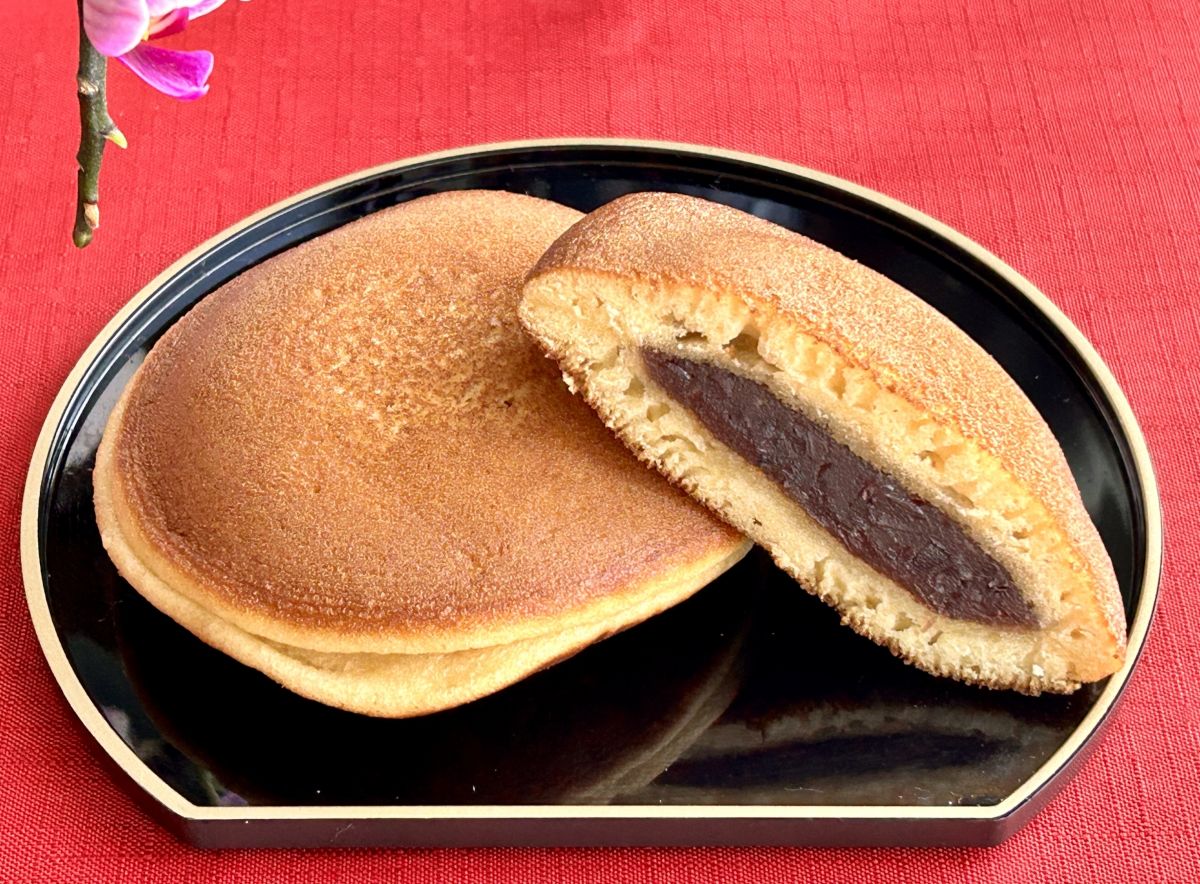
Dorayaki can be more confusing because it is also round and often filled with sweet red bean paste. But the structure is completely different.
Dorayaki is made by cooking two soft pancake-like cakes separately, then sandwiching red bean paste between them. Imagawayaki is cooked in a mold with the filling sealed inside while it bakes.
| Feature | Imagawayaki | Dorayaki |
|---|---|---|
| Structure | Filling is sealed inside during cooking | Filling is sandwiched between two cakes |
| Temperature | Often served warm | Usually served at room temperature |
| Texture | Thick, molded, and slightly chewy | Soft, fluffy, and cake-like |
| Cooking style | Made in a special mold | Pancakes are cooked separately first |
A simple way to remember the difference is this: dorayaki is sandwiched, while imagawayaki is stuffed and sealed while cooking.
“`
How to Make Imagawayaki at Home
“`
Basic Imagawayaki Ingredients
Homemade imagawayaki is not impossible, but the shape does depend a lot on the pan or mold you use. The ingredients themselves are fairly simple.
- All-purpose flour
- Eggs
- Sugar
- Baking powder
- Milk or water
- Sweet red bean paste, also called anko
- A small amount of oil for the pan
Some home cooks also use pancake mix as a shortcut. It will not always taste exactly like a shop-made imagawayaki, but it can still make a very satisfying homemade version.
Do You Need an Imagawayaki Pan?
To get the classic round, thick shape, a dedicated imagawayaki pan is very helpful. These pans have round wells that hold the batter in place while the filling is sealed inside.
You may see these sold online as an imagawayaki pan, obanyaki pan, Japanese cake maker, or electric cake maker. Some are cast iron pans used on a stovetop, while others are electric appliances.
A takoyaki pan is usually too small, and an egg waffle pan is not the same thing because it creates a honeycomb pattern. If you do not have a special pan, you can experiment with ring molds or small round pans, but the result may look more homemade.
Simple Home Method
The basic cooking idea is straightforward: batter, filling, more batter, then heat until sealed and golden.
- Prepare a smooth pancake-like batter.
- Heat the imagawayaki pan and lightly oil each round mold.
- Pour batter into the mold until it is partly filled.
- Add a spoonful of sweet red bean paste in the center.
- Cover the filling with more batter.
- Cook until the outside becomes golden brown.
- Flip or close the mold, depending on the type of pan, until both sides are fully cooked.
- Serve while warm.
The tricky part is getting the amount of batter and filling right. Too much filling can leak out, while too little makes the snack feel plain. That balance is part of what makes a good imagawayaki so satisfying.
“`
Popular Imagawayaki Fillings
“`
Classic Red Bean Paste
The classic imagawayaki filling is anko, or sweet red bean paste made from azuki beans.
There are two common styles of anko. Tsubuan keeps some of the bean texture, while koshian is smoother. Both can be used in imagawayaki, though the chunky texture of tsubuan gives a very traditional feeling.
If you are new to Japanese sweets, red bean paste may surprise you. It is sweet, but it also has a gentle earthy flavor. It is not as sugary as frosting and not as fruity as jam.
Custard Cream
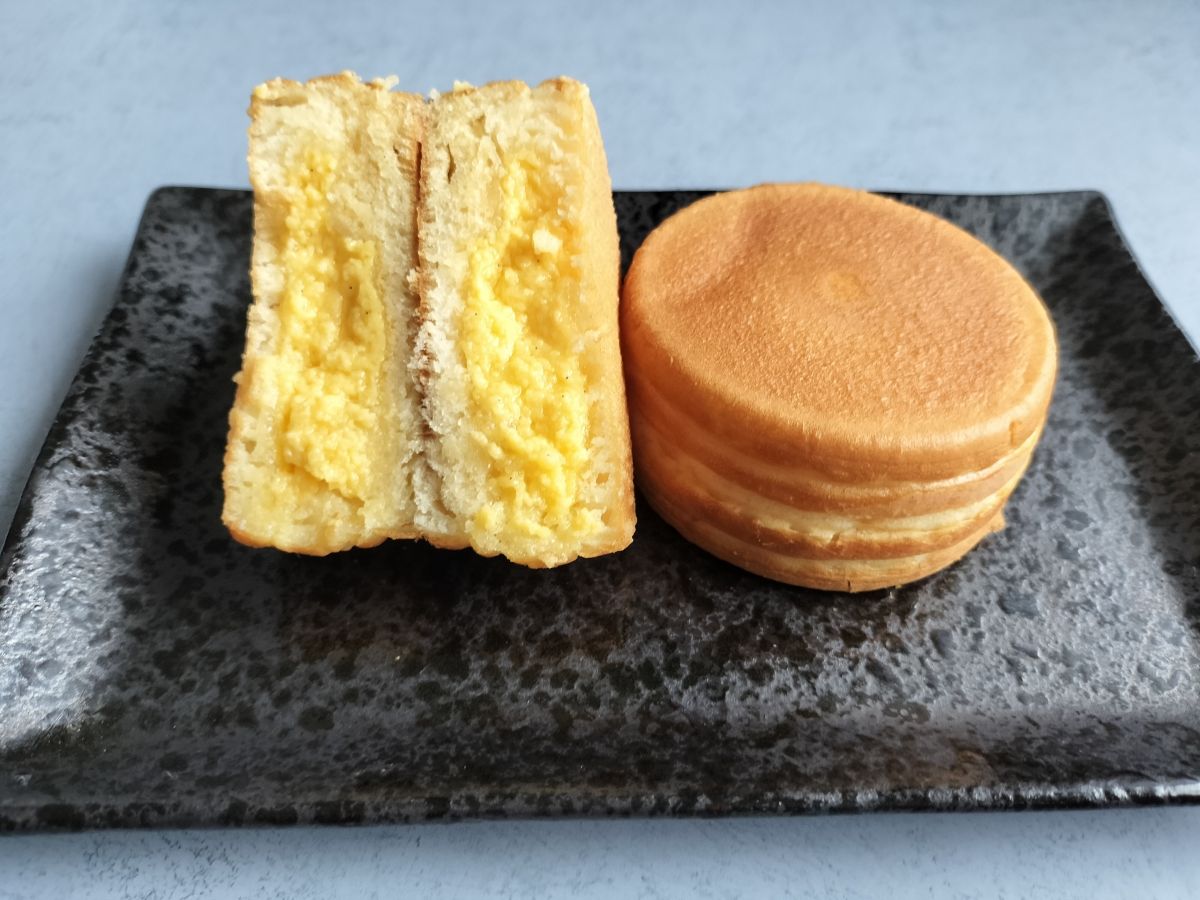
Custard is one of the most popular modern fillings. It makes imagawayaki feel closer to a cream-filled cake or pastry, which can be easier for first-time visitors to enjoy.
The warm custard version is soft, sweet, and comforting. If red bean paste feels unfamiliar, custard imagawayaki is a friendly place to start.
Matcha, Cheese, Chocolate, and Other Modern Fillings
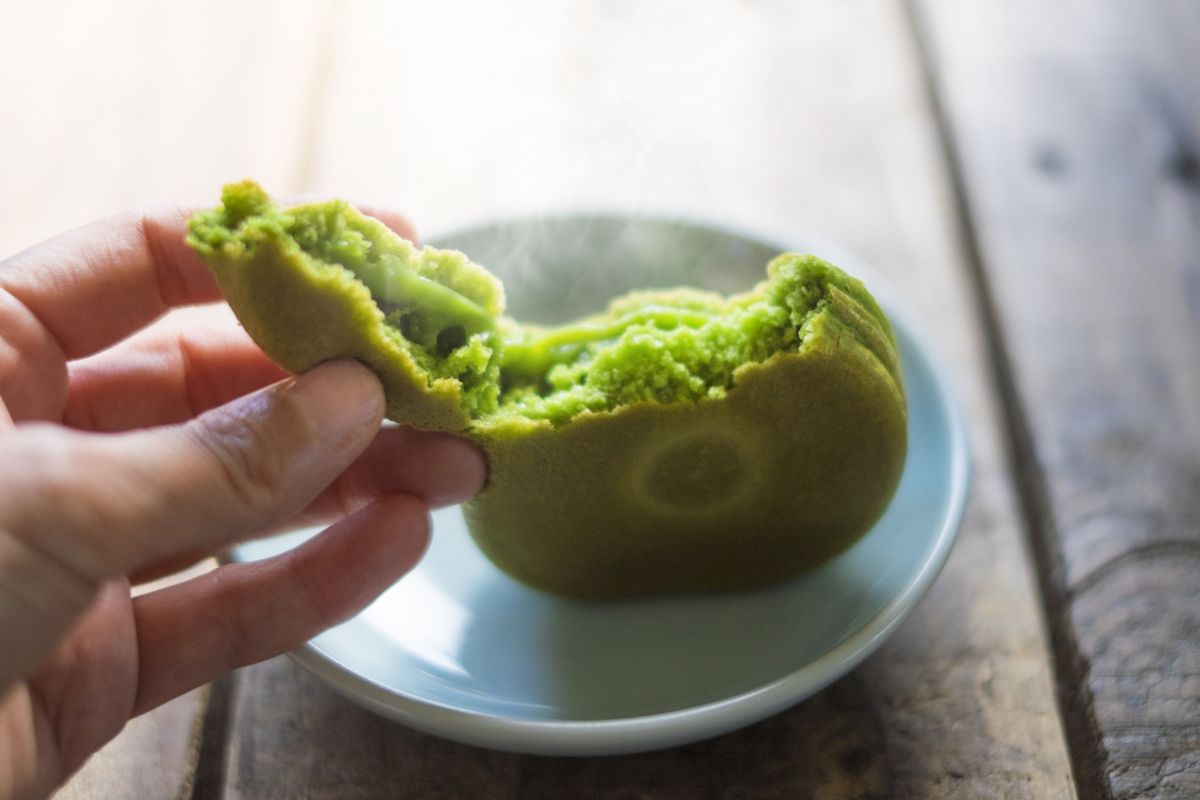
Imagawayaki is traditional, but it is not stuck in the past. Many shops and frozen food brands offer different flavors.
- Matcha cream
- Chocolate
- Custard
- Cream cheese
- Sweet potato
- Cheese
- Curry or other savory fillings
Some local shops also create their own special versions. That is one reason imagawayaki is fun to try in different places. The shape may look familiar, but the filling can change the whole experience.
Frozen Imagawayaki Fillings
Outside Japan, many people first discover imagawayaki through frozen products at Japanese or Asian supermarkets. These are often labeled as frozen imagawayaki, red bean pancake, or Japanese pancake with red bean paste.
Red bean is the standard flavor, but custard and other fillings may also appear depending on the store. If you see a brand such as Nichirei in the freezer section, that is one of the well-known Japanese frozen food names connected with imagawayaki.
For the best texture, many people warm frozen imagawayaki in the microwave first, then finish it briefly in a toaster oven. The microwave heats the inside, while the toaster helps bring back a lightly crisp surface.
“`