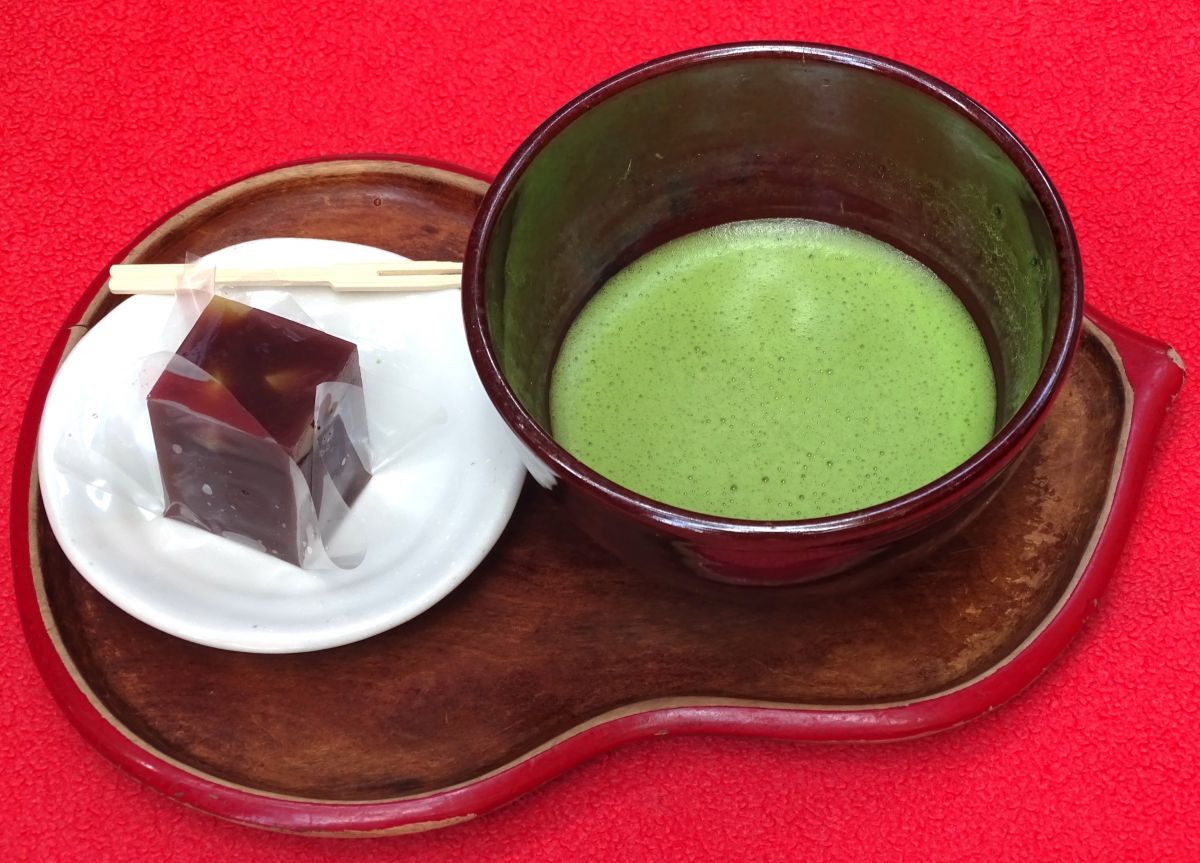
Yokan is one of those Japanese sweets that looks simple at first, but the more you learn about it, the more interesting it gets. It is usually described in English as “sweet bean jelly” or “red bean jelly,” but that translation only tells part of the story.
Unlike the soft, wobbly jelly many English-speaking readers may imagine, yokan is often dense, smooth, firm, and deeply sweet. It is made with simple ingredients such as red bean paste, agar-agar, and sugar, yet it carries centuries of Japanese food culture, Buddhist history, regional creativity, and even modern uses in sports and emergency nutrition.
What Is Yokan?
“`
Yokan Is a Traditional Japanese Sweet Bean Jelly
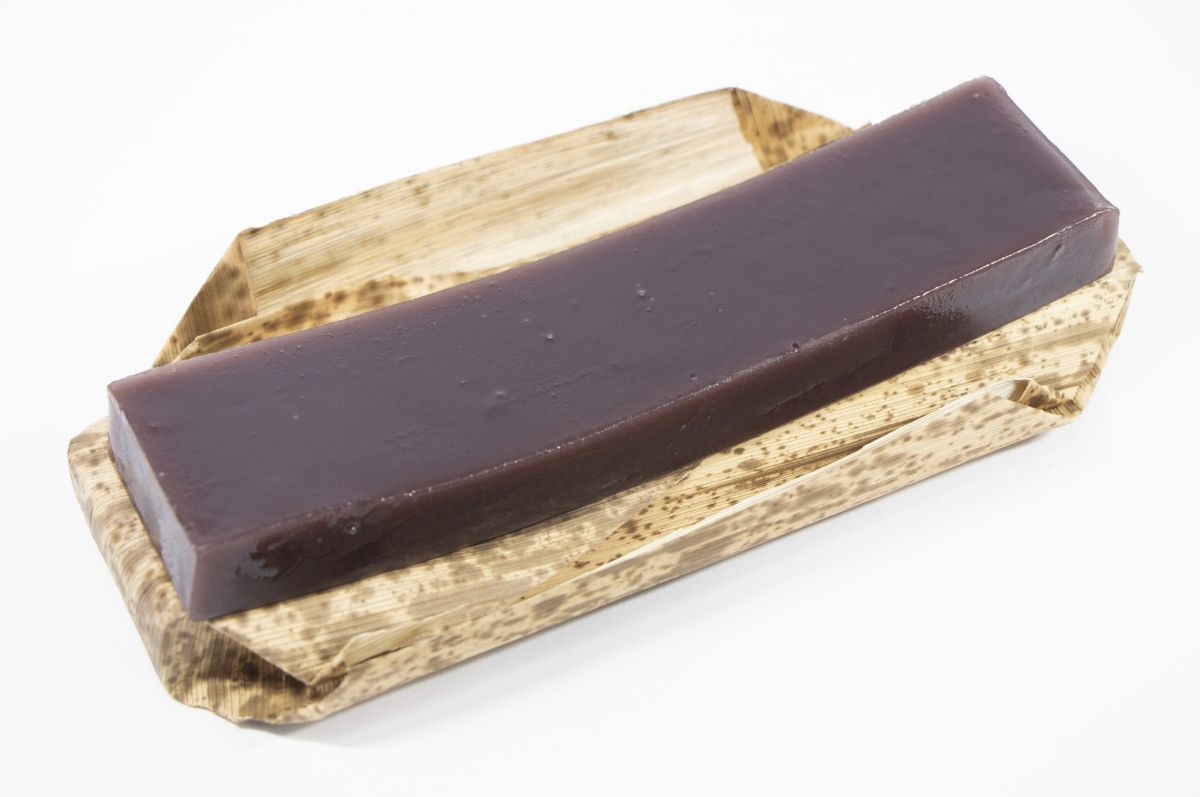
Yokan is a traditional Japanese confection, or wagashi, commonly made from sweetened bean paste, agar-agar, and sugar. In English, it is often called “sweet bean jelly,” but it is usually much firmer and denser than Western-style jelly.
A classic piece of yokan is smooth, compact, and sliceable. It is often sold as a rectangular block and served in small pieces, usually with green tea. Because it is quite sweet, yokan is not usually eaten in large amounts at once. A small slice is enough to enjoy its rich flavor.
What Is Yokan Made Of?
The most basic form of yokan is made from three main ingredients:
- Red bean paste: Usually made from azuki beans, also called red beans.
- Agar-agar: A plant-based setting agent made from seaweed.
- Sugar: Used for sweetness, texture, shine, and preservation.
Traditional yokan is closely connected to azuki beans, but not every yokan is red bean flavored. Some versions use white beans, chestnuts, sweet potatoes, matcha, yuzu, persimmon, or other Japanese ingredients.
Is Yokan Vegan?
Traditional yokan is often vegan-friendly because it is set with agar-agar instead of animal-based gelatin. Agar comes from seaweed, which makes yokan especially interesting for people looking for plant-based Japanese sweets.
That said, not every modern product is automatically vegan. Some flavored versions may include dairy, honey, or other added ingredients. If vegan ingredients are important to you, it is always best to check the label.
Is Yokan Gluten-Free?
Many types of classic yokan, especially neri-yokan and mizu-yokan, are commonly made without wheat. Their basic ingredients are bean paste, sugar, water, and agar-agar.
However, mushi-yokan, or steamed yokan, may use wheat flour, kuzu starch, potato starch, or other thickening ingredients. If you avoid gluten, do not assume all yokan is gluten-free. Check the ingredient list, especially when buying steamed or flavored versions.
What Makes Yokan Different from Western Jelly?
The word “jelly” can be slightly misleading. Western jelly is often soft, bouncy, fruity, and sometimes transparent. Yokan is usually opaque, bean-based, and much more compact.
| Feature | Yokan | Western Jelly |
|---|---|---|
| Main ingredient | Bean paste | Fruit juice or flavored liquid |
| Setting agent | Agar-agar | Often gelatin |
| Texture | Dense, firm, smooth | Soft, wobbly, bouncy |
| Appearance | Usually opaque | Often clear or translucent |
| Flavor | Sweet bean-based flavor | Often fruit-based |
“`
What Does Yokan Taste Like?
“`
Sweet, Smooth, and Firm
Yokan is sweet, smooth, and usually firm enough to cut neatly with a knife. The flavor depends on the type, but classic red bean yokan has a deep sweetness with a gentle bean flavor.
If you have never eaten sweetened beans before, the idea may sound unusual. But in Japan and many parts of East Asia, beans are often used in desserts. In yokan, the bean paste becomes very smooth and refined, so the texture is not like eating whole beans.
Why Is Yokan So Sweet?
Yokan is intentionally sweet. Sugar does more than make it taste good. It also helps create the glossy look, smooth texture, and long shelf life of classic yokan.
In firm yokan, sugar helps control the water inside the sweet. This makes it harder for microorganisms to grow and helps the yokan stay stable for a long time when unopened. That is one reason traditional yokan became popular as a gift and travel-friendly sweet.
How Much Yokan Should You Eat at Once?
Because yokan is rich and sweet, it is usually enjoyed in small slices. A thin piece with a cup of unsweetened green tea is a classic way to enjoy it. Think of it less like a large dessert and more like a small, concentrated sweet served with tea.
“`
Main Types of Yokan
“`
Neri-Yokan: The Classic Firm Yokan
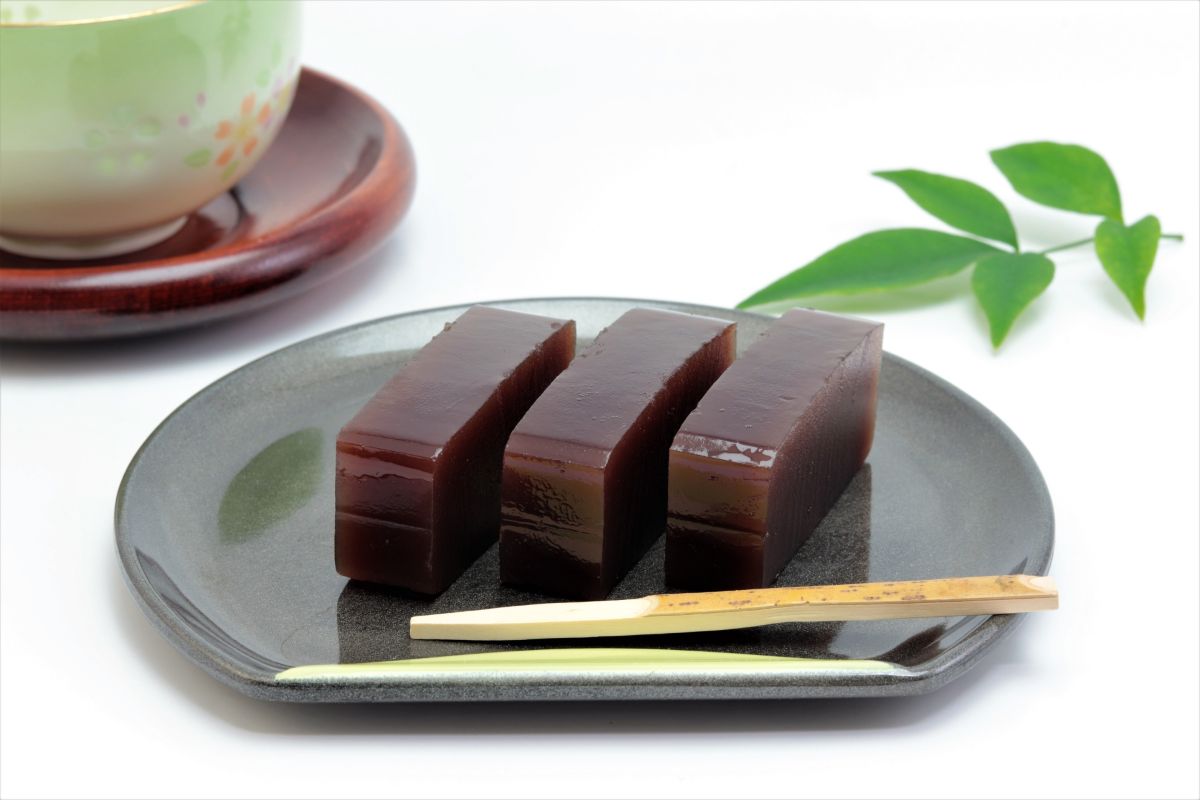
Neri-yokan is the most classic and widely recognized type of yokan. It is made by dissolving agar-agar in water, adding bean paste and sugar, and slowly cooking the mixture until it becomes thick and smooth.
This type is dense, firm, and very sweet. It is often sold as a block, sometimes called a sao, and sliced before serving. Because it has a high sugar content and relatively low moisture, unopened neri-yokan can last for a long time compared with many other Japanese sweets.
Mizu-Yokan: A Light and Refreshing Version
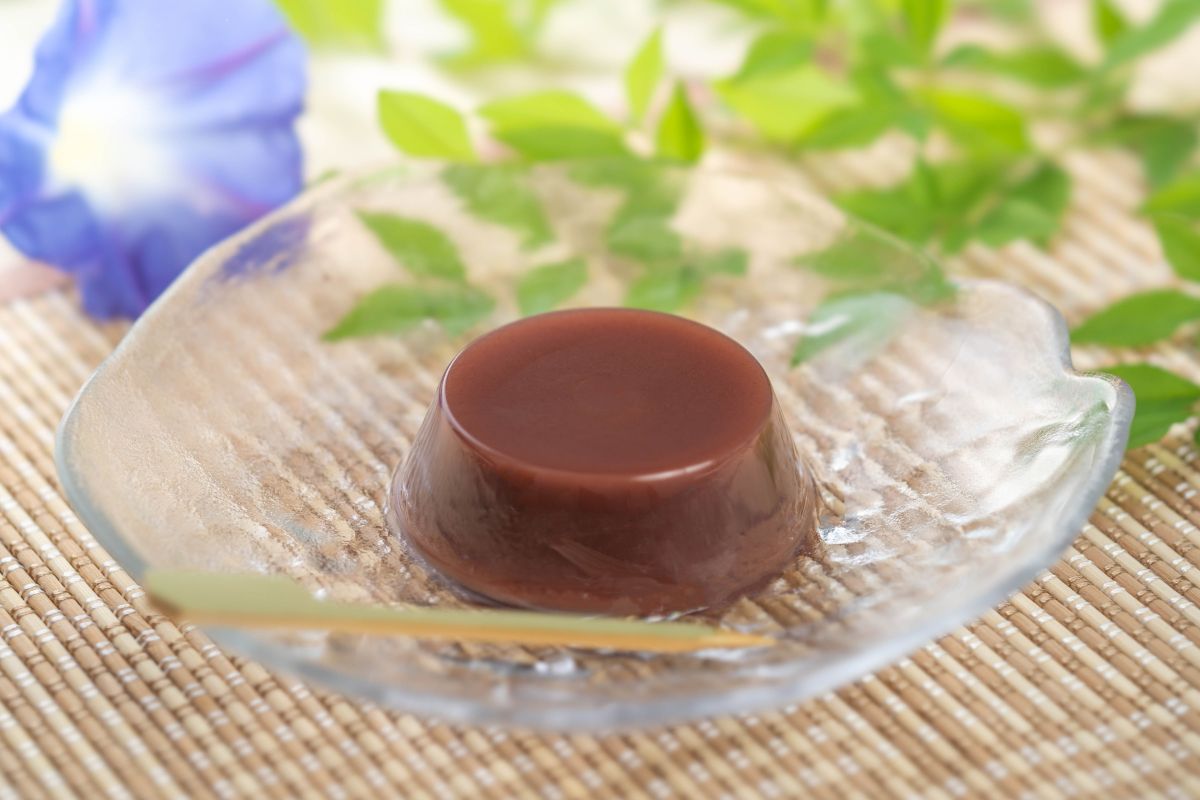
Mizu-yokan literally means “water yokan.” It uses similar ingredients to neri-yokan, but it contains much more water. The result is softer, lighter, and more refreshing.
Mizu-yokan is especially popular as a chilled summer dessert. It has a smooth, cool texture and a clean finish, making it easier to eat in hot weather.
Interestingly, some regions in Japan, especially Fukui and parts of the Hokuriku area, have a tradition of eating mizu-yokan in winter. In the past, cold winter air acted almost like natural refrigeration, allowing households to enjoy this delicate sweet during the colder months.
Mushi-Yokan: Steamed Yokan
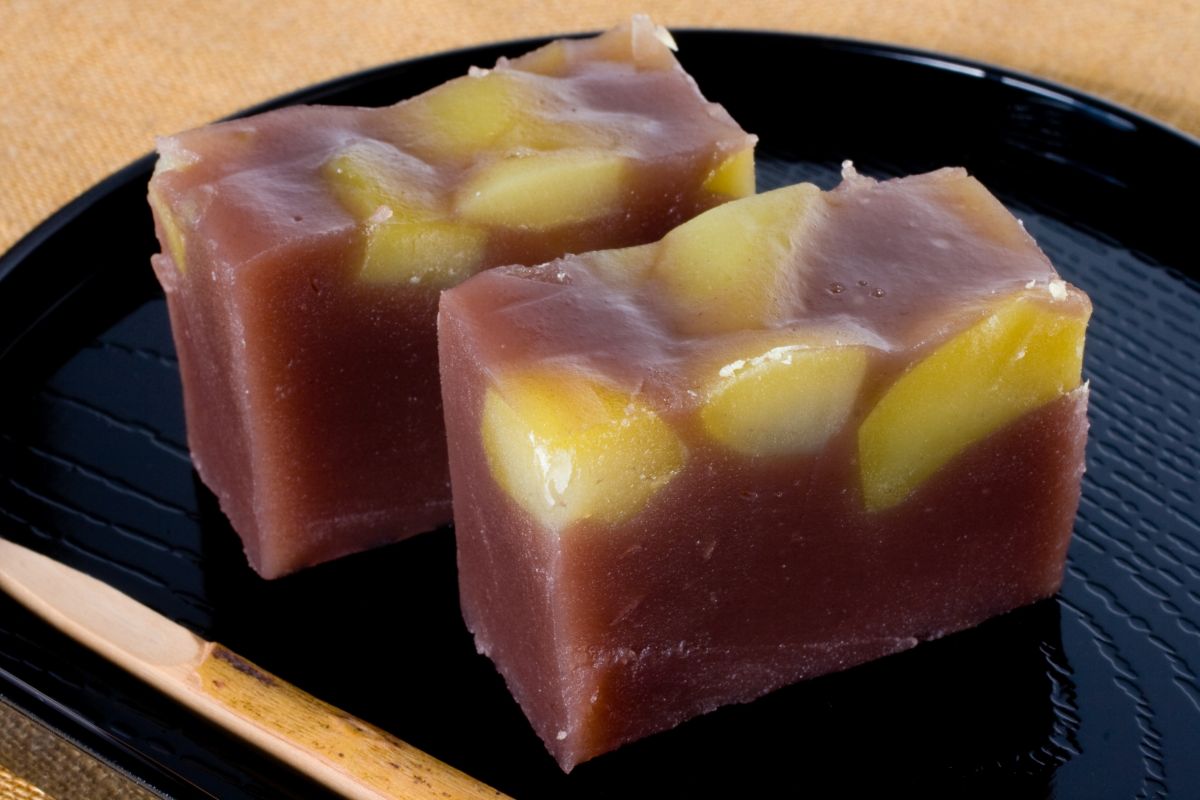
Mushi-yokan means steamed yokan. Unlike neri-yokan and mizu-yokan, it is usually not set with agar-agar. Instead, it is made by mixing bean paste with ingredients such as wheat flour, kuzu starch, or potato starch, then steaming the mixture until it sets.
The texture is softer, chewier, and more elastic. Mushi-yokan is an older style of yokan and is often used for sweets such as chestnut yokan or sweet potato yokan.
Quick Comparison of Yokan Types
| Type | Main Setting Method | Texture | Common Image |
|---|---|---|---|
| Neri-yokan | Agar-agar | Dense, firm, smooth | Classic block yokan |
| Mizu-yokan | Agar-agar with more water | Soft, cool, refreshing | Summer dessert |
| Mushi-yokan | Steaming with flour or starch | Soft, chewy, elastic | Chestnut or sweet potato yokan |
“`
Popular Yokan Flavors
“`
Azuki Red Bean Yokan
Azuki red bean yokan is the classic version. It is made with sweet red bean paste and has a rich, smooth, traditional flavor. If you are trying yokan for the first time, this is the most basic place to start.
Matcha Yokan
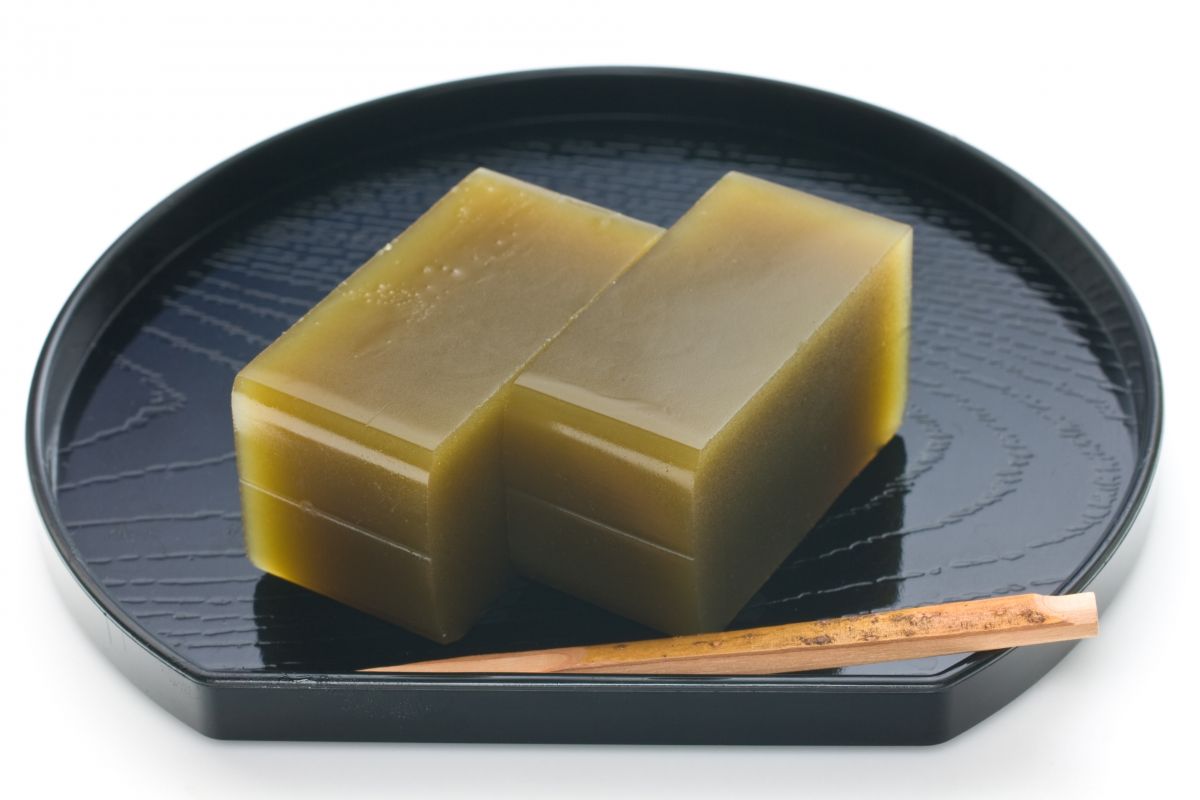
Matcha yokan combines the sweetness of yokan with the slightly bitter, grassy flavor of powdered green tea. For many international fans of Japanese sweets, matcha yokan is one of the most approachable and exciting variations.
Chestnut Yokan
Chestnut yokan is especially popular in autumn. Some versions contain whole or large pieces of chestnut inside the yokan, creating a contrast between the smooth base and the soft, nutty chestnut pieces.
Chestnut steamed yokan is also well loved in Japan. It has a chewy texture and a more rustic feeling than classic firm yokan.
Sweet Potato Yokan
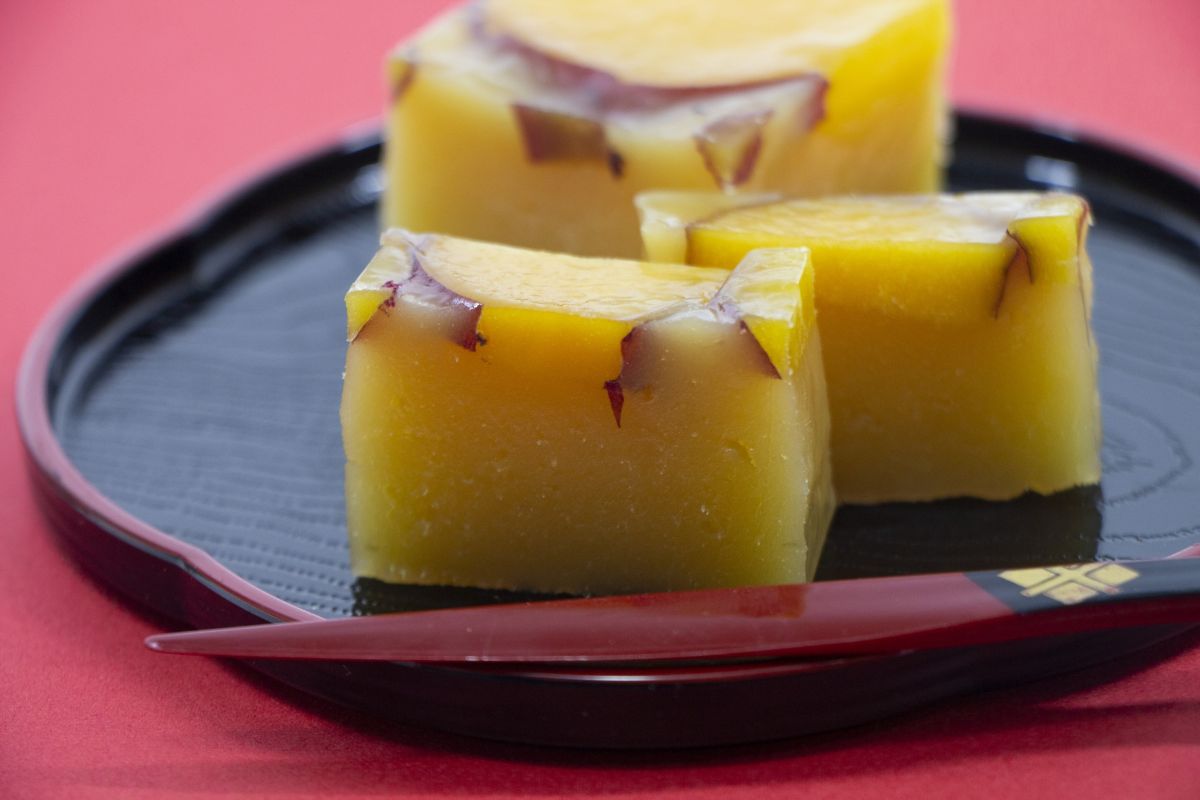
Sweet potato yokan, or imo-yokan, is made with Japanese sweet potatoes. It is naturally sweet, smooth, and comforting. Compared with red bean yokan, it may feel more familiar to readers who already enjoy sweet potato desserts.
Yuzu Yokan
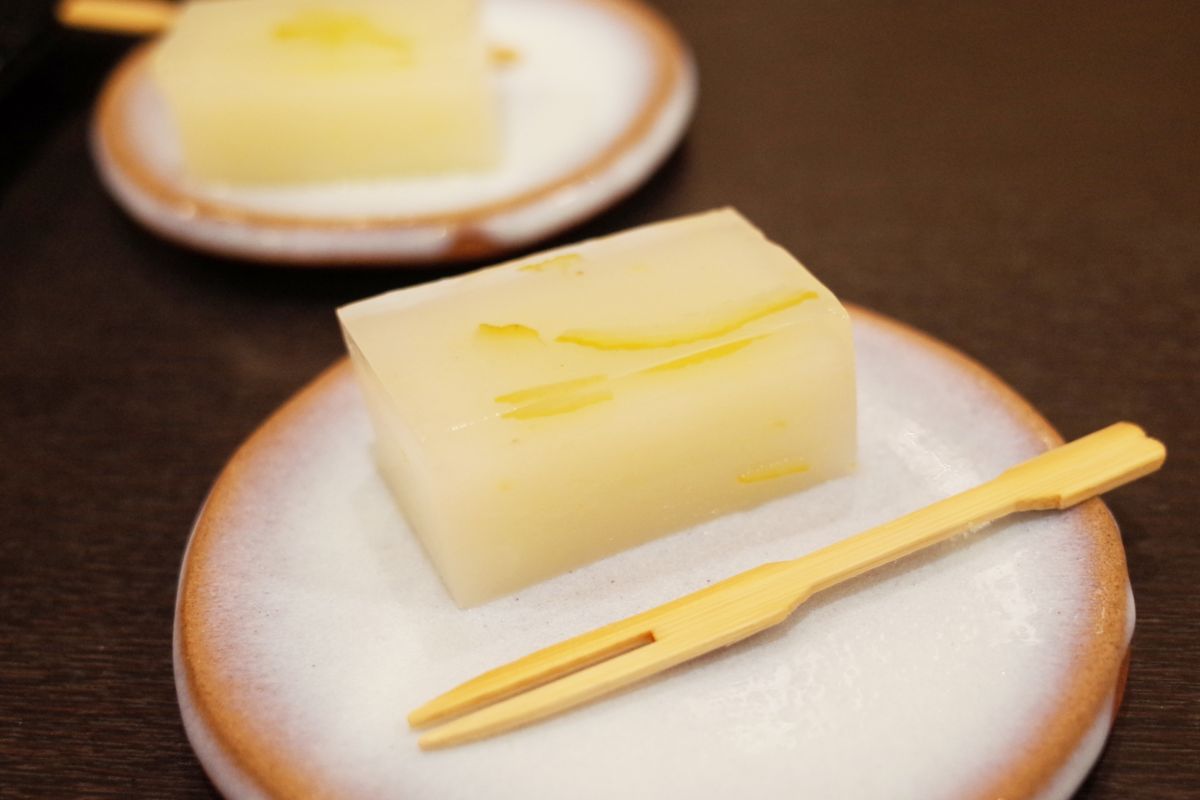
Yuzu yokan adds the bright citrus aroma of yuzu to the sweetness of yokan. It is a good option for people who prefer a lighter, more fragrant flavor.
Persimmon, White Miso, Strawberry, and Modern Flavors
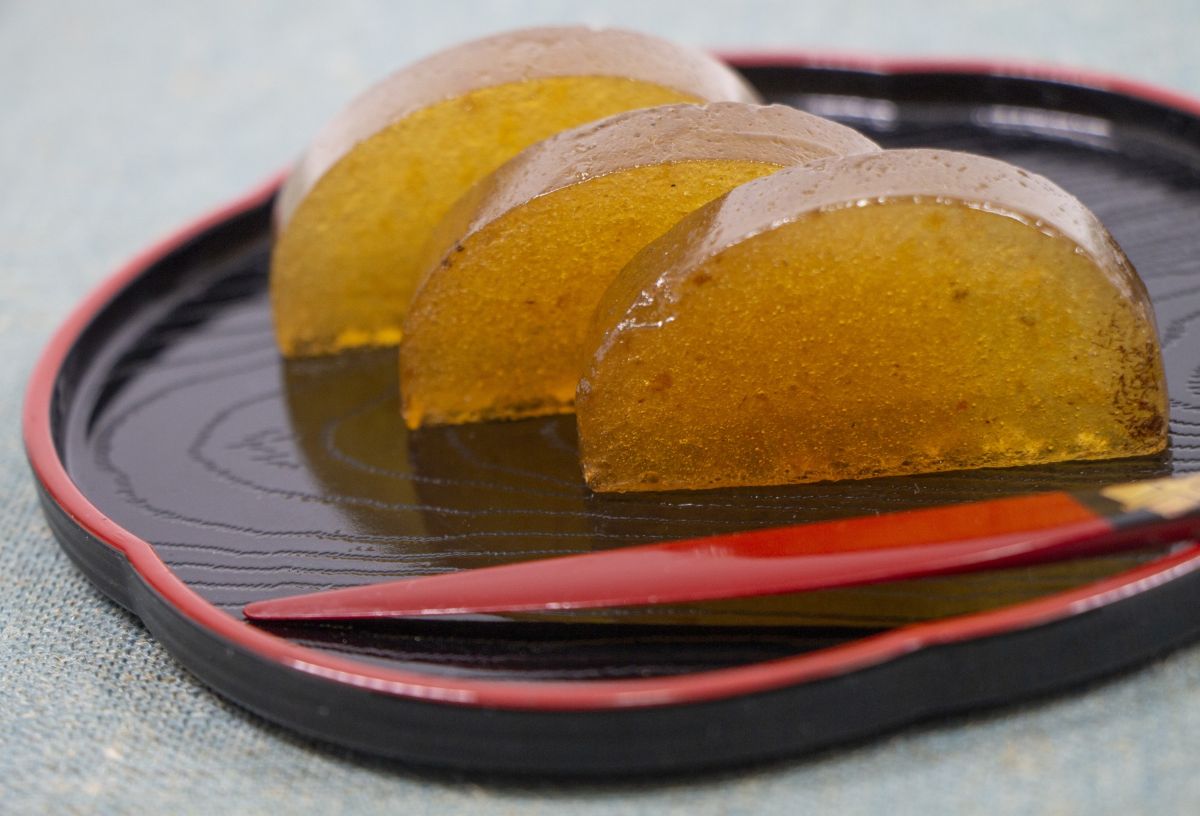
Yokan is also surprisingly flexible. Some regional and modern versions use ingredients such as persimmon, white miso, strawberry, figs, or even designs inspired by music and art.
For example, some Japanese shops create visually playful yokan that looks almost too pretty to eat. These modern styles show that yokan is not only an old-fashioned sweet. It continues to change with new tastes and new audiences.
“`
How to Eat Yokan
“`
Slice It Thinly
If you buy yokan as a rectangular block, the usual way to eat it is to slice it into small pieces. Since yokan is very sweet and dense, thin slices work best.
A slice around 1 centimeter thick is usually enough, though there is no strict rule. The goal is to enjoy a small amount slowly rather than eating it like a large cake or candy bar.
Serve It with Green Tea
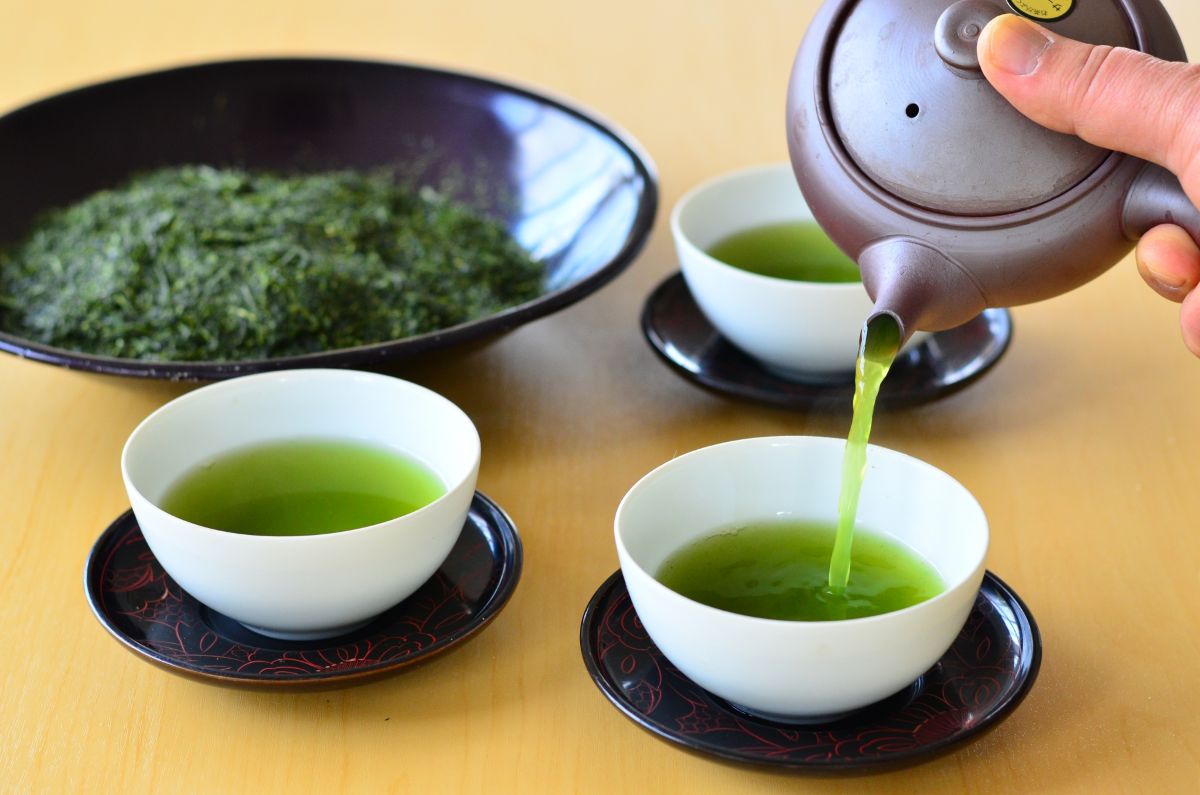
Yokan pairs beautifully with unsweetened green tea. The bitterness of tea balances the sweetness of the yokan, making the whole experience more pleasant.
Good drink pairings include:
- Sencha
- Matcha
- Hojicha
- Unsweetened black tea
- Black coffee
If yokan tastes too sweet on its own, try it with a bitter or unsweetened drink. That is often when the flavor makes the most sense.
Chill Mizu-Yokan Before Eating
Mizu-yokan is usually best served cold. Chilling it brings out its refreshing texture and makes it especially enjoyable during warm weather.
Try Small Pieces First
If you are new to yokan, start with a small piece. The texture and sweetness can be different from what you expect, especially if you are used to fruit jelly or Western desserts.
“`
Can You Make Yokan at Home?
“`
Basic Homemade Yokan Ingredients
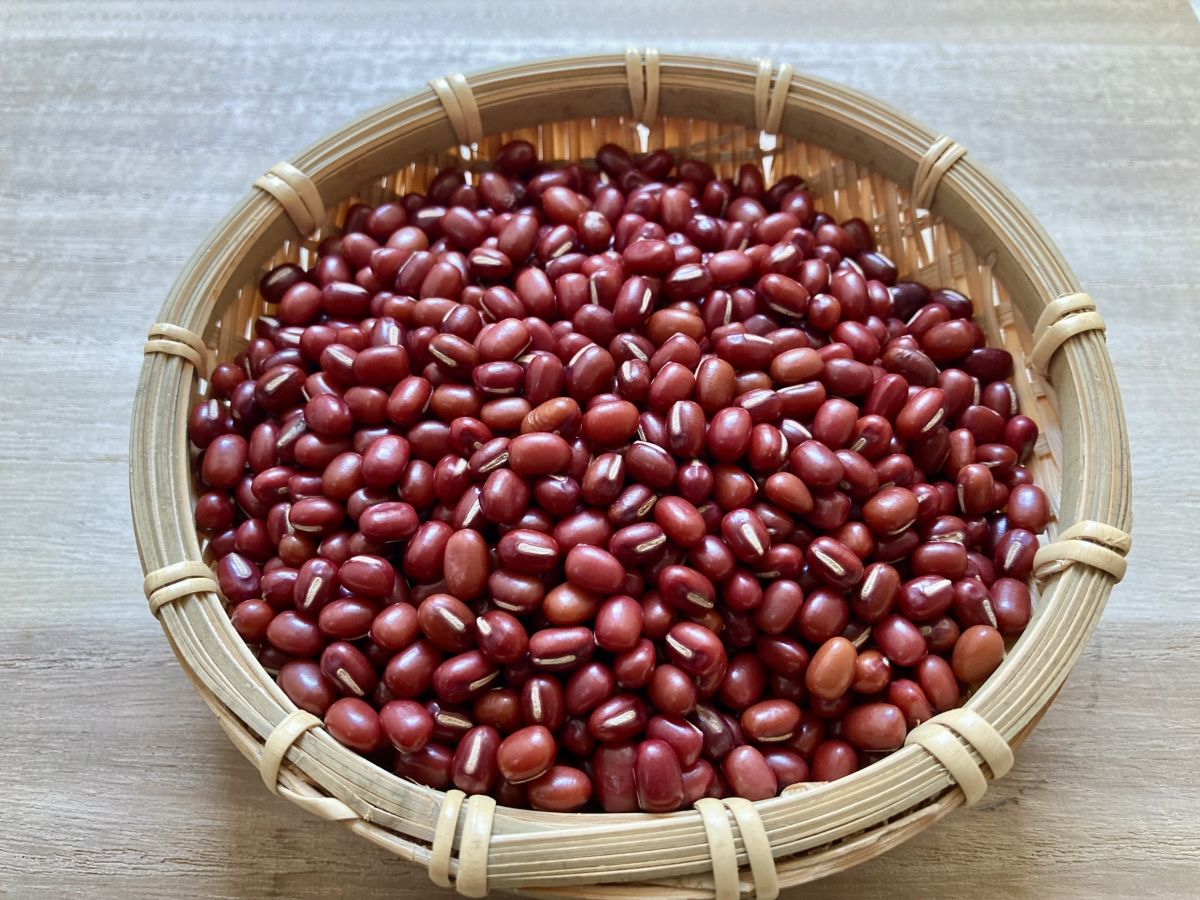
Yokan may look like something that requires professional skill, but a simple version can be made at home with a few ingredients.
A basic homemade yokan recipe can use:
- 400 g red bean paste
- 200 ml water
- 4 g agar powder
- 130 g sugar
Simple Homemade Yokan Method
To make a basic yokan, add water and agar powder to a pot and heat the mixture. The agar needs to dissolve completely, so it should be stirred well while heating.
Once the agar has dissolved, add sugar and mix until it melts. Then add the red bean paste little by little, stirring carefully until the mixture becomes smooth and even.
After the mixture thickens, pour it into a mold. Let it cool, then chill it until it becomes firm. Once set, remove it from the mold and slice it into small pieces.
Can You Use Canned Beans?
If you cannot easily find ready-made red bean paste, you can experiment with canned red beans or canned white beans. Blend them into a smooth paste, then adjust the sweetness and texture.
The result may not be exactly the same as traditional Japanese yokan, but it can be a good quick and easy version for home cooking.
Why Agar Powder Matters
Agar powder is important because it gives yokan its firm structure. Gelatin will create a different texture and is not the traditional choice. Agar also makes yokan more appealing to people looking for plant-based desserts.
Why You Should Not Reduce the Sugar Too Much
It may be tempting to reduce the sugar heavily, but sugar is part of the structure of yokan. It affects not only sweetness, but also moisture, shine, texture, and preservation.
If you reduce the sugar too much, the yokan may become watery, less smooth, and more likely to spoil quickly.