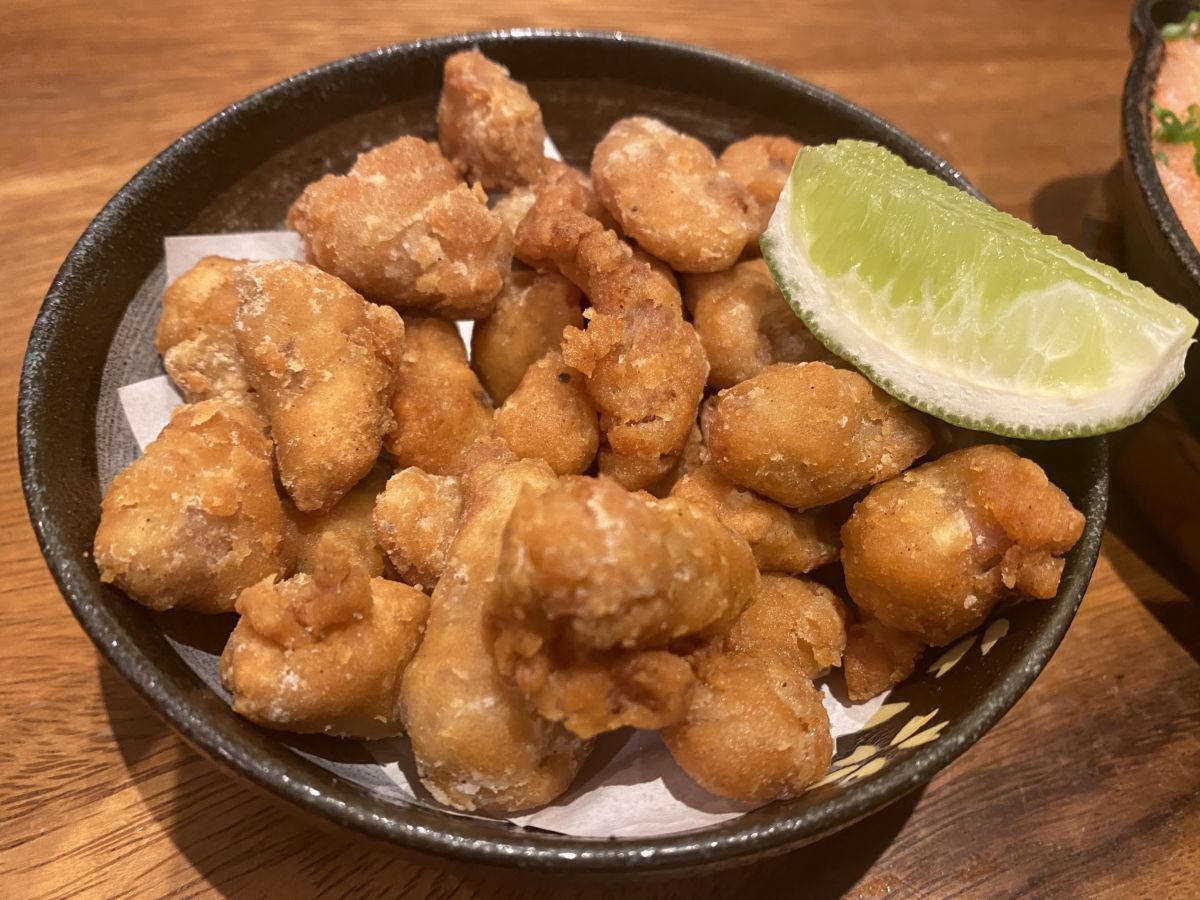
If you have seen nankotsu on a yakitori menu and wondered whether it is meat, bone, or something in between, you are not alone. Nankotsu is one of those Japanese foods that can sound a little surprising at first, especially if you are used to eating chicken with the bones and cartilage removed. But in Japan, it is a common izakaya and yakitori dish loved for one main reason: its crunchy, chewy texture.
What Does “Nankotsu” Mean?
Nankotsu means cartilage in Japanese. In food, it usually refers to the edible cartilage of chicken, especially when it appears on a yakitori or izakaya menu.
Cartilage is not the same as hard bone. It is the firm but flexible tissue found around joints and certain parts of the skeleton. In the body, it works like a cushion, helping absorb impact and reduce friction. On the plate, that structure becomes the reason nankotsu has its famous korikori texture, a Japanese word often used for something pleasantly crunchy or chewy.
Is nankotsu meat or bone?
Nankotsu is not regular chicken meat, but it is not hard bone either. It sits somewhere in between from a diner’s point of view. It is a firm, edible cartilage tissue that can be grilled, fried, or mixed into dishes like chicken meatballs.
This is why it may feel unfamiliar to many English-speaking visitors. In many Western food cultures, cartilage is usually removed before chicken is served. In Japan, however, texture is often treated as part of the pleasure of eating. Nankotsu is a good example of that idea.
What Part of the Animal Is Nankotsu?
When people talk about nankotsu in Japanese restaurants, they are usually talking about chicken cartilage. There are also beef and pork cartilage dishes in Japan, but for yakitori and most izakaya menus, chicken is the standard image.
The two main types you may come across are yagen nankotsu and hiza nankotsu. They both come from chicken, but they are different parts with different shapes and textures.
Yagen nankotsu: chicken breast or keel bone cartilage
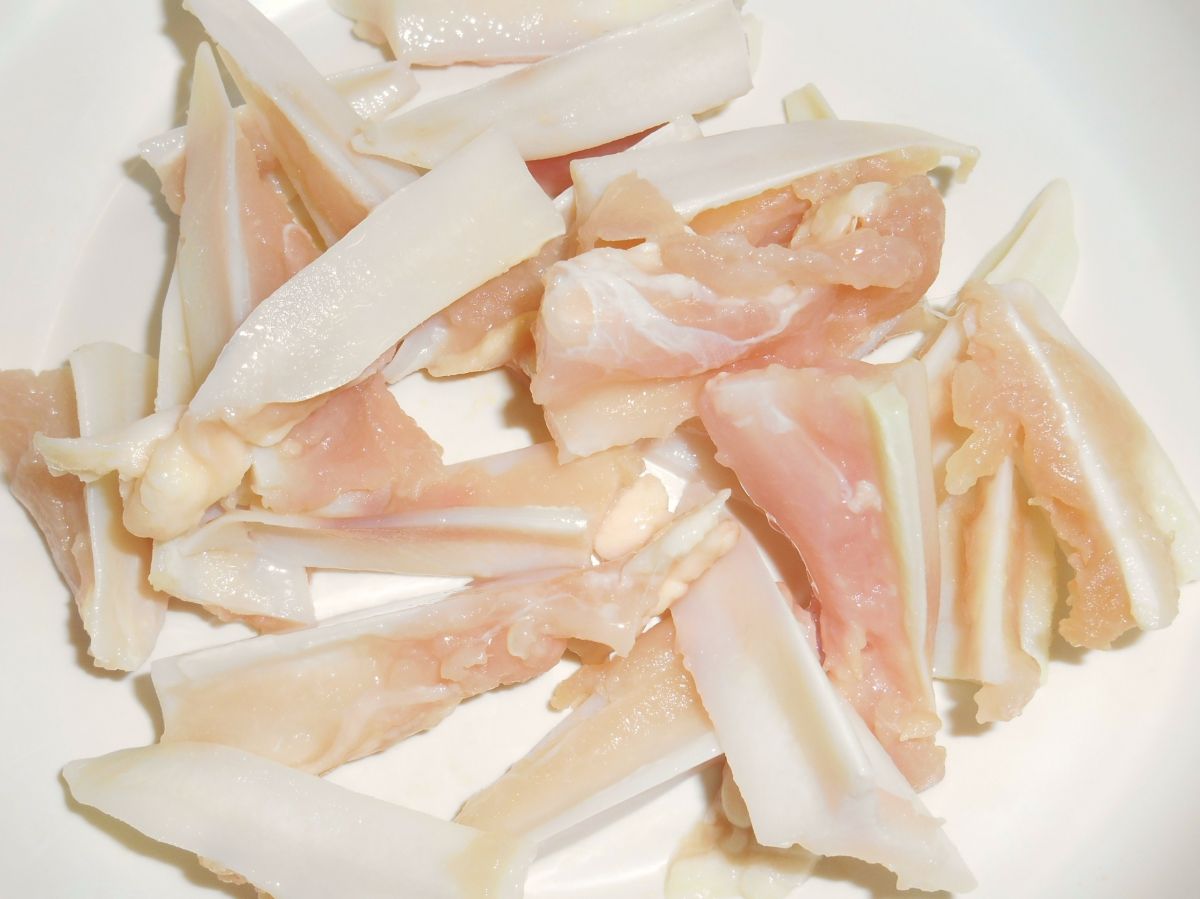
Yagen nankotsu comes from the cartilage around the chicken’s breastbone, often explained in English as chicken breast cartilage or keel bone cartilage. It has a long, slightly curved shape that is sometimes compared to an old Japanese tool called a yagen, which is where the name comes from.
This is the type often used for nankotsu yakitori. It is relatively soft for cartilage and has a clean, crisp bite. It may also come with a little chicken breast meat attached, which makes it easier to enjoy if you are trying nankotsu for the first time. You get both the light flavor of chicken and the crunchy cartilage in one bite.
Hiza nankotsu: chicken knee cartilage
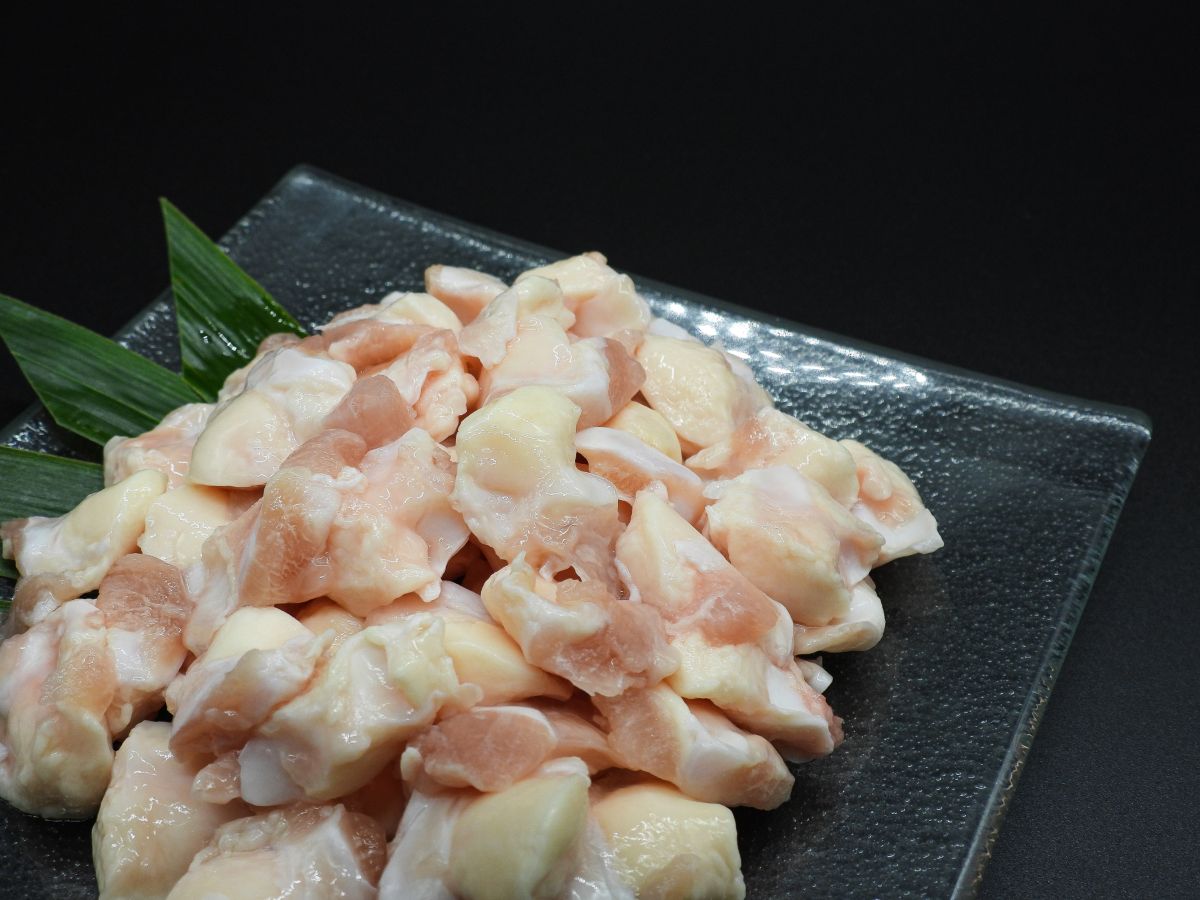
Hiza nankotsu means chicken knee cartilage. This part comes from the joint area around the chicken’s knee. It is usually smaller, rounder, and much firmer than yagen nankotsu.
The texture is stronger and more intense. Instead of a light crunch, it has a harder, almost gritty chew. Because of that, hiza nankotsu is especially popular as nankotsu karaage, or fried chicken cartilage. The outside becomes crispy while the inside keeps its firm crunch.
What Does Nankotsu Taste Like?
Nankotsu itself has a very mild taste. If you are expecting the rich flavor of chicken thigh or the juiciness of grilled meat, nankotsu may surprise you. The main attraction is not a strong flavor but the texture.
That said, nankotsu is not bland when served properly. The flavor usually comes from the way it is cooked and seasoned. In yakitori, salt brings out a simple savory taste and lets the texture stand out. With tare, a sweet soy-based yakitori sauce, the surface becomes glossy and slightly caramelized. In fried nankotsu, garlic, soy sauce, batter, and frying oil create most of the flavor.
Does nankotsu taste like chicken?
Only a little. Since it often comes with small bits of chicken meat attached, especially in the case of yagen nankotsu, you may notice a light chicken flavor. But compared with normal chicken yakitori, nankotsu is much more about the bite than the taste.
A simple way to think about it is this: if chicken thigh yakitori is about juiciness, nankotsu yakitori is about crunch.
What Is the Texture of Nankotsu Like?
The texture of nankotsu is the whole point. In English, people might describe it as crunchy, chewy, firm, or springy. In Japanese, the common word is korikori, which describes a pleasant, repeated crunch as you chew.
It is not crunchy like a cracker or crispy fried chicken skin. It is more like a firm, elastic crunch that pushes back slightly when you bite it. For some people, that texture is addictive. For others, it may take a few bites to understand the appeal.
Yagen nankotsu vs. hiza nankotsu texture
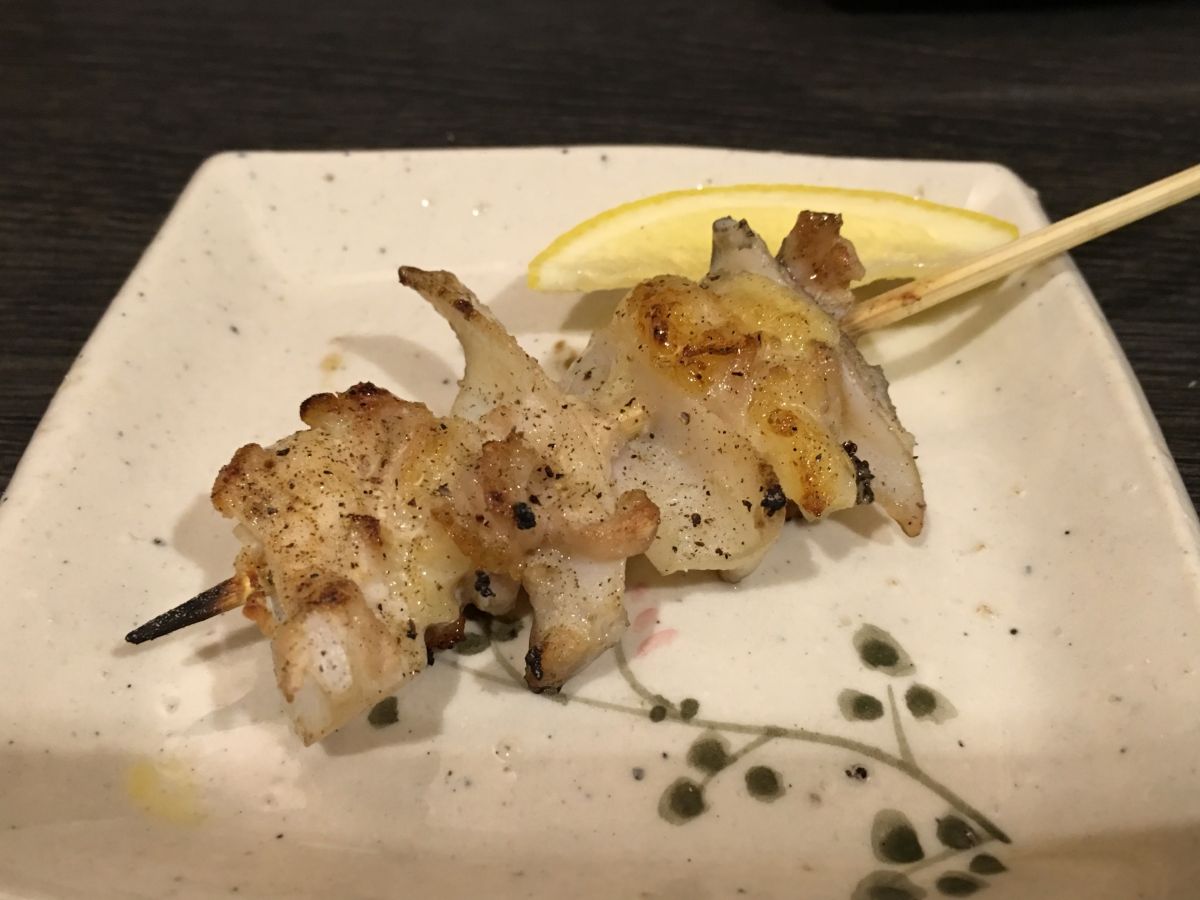
Yagen nankotsu is usually the easier one to start with. It has a lighter, cleaner crunch and can feel almost crisp when grilled well. Because it may include some chicken breast meat, the texture is not only cartilage from start to finish.
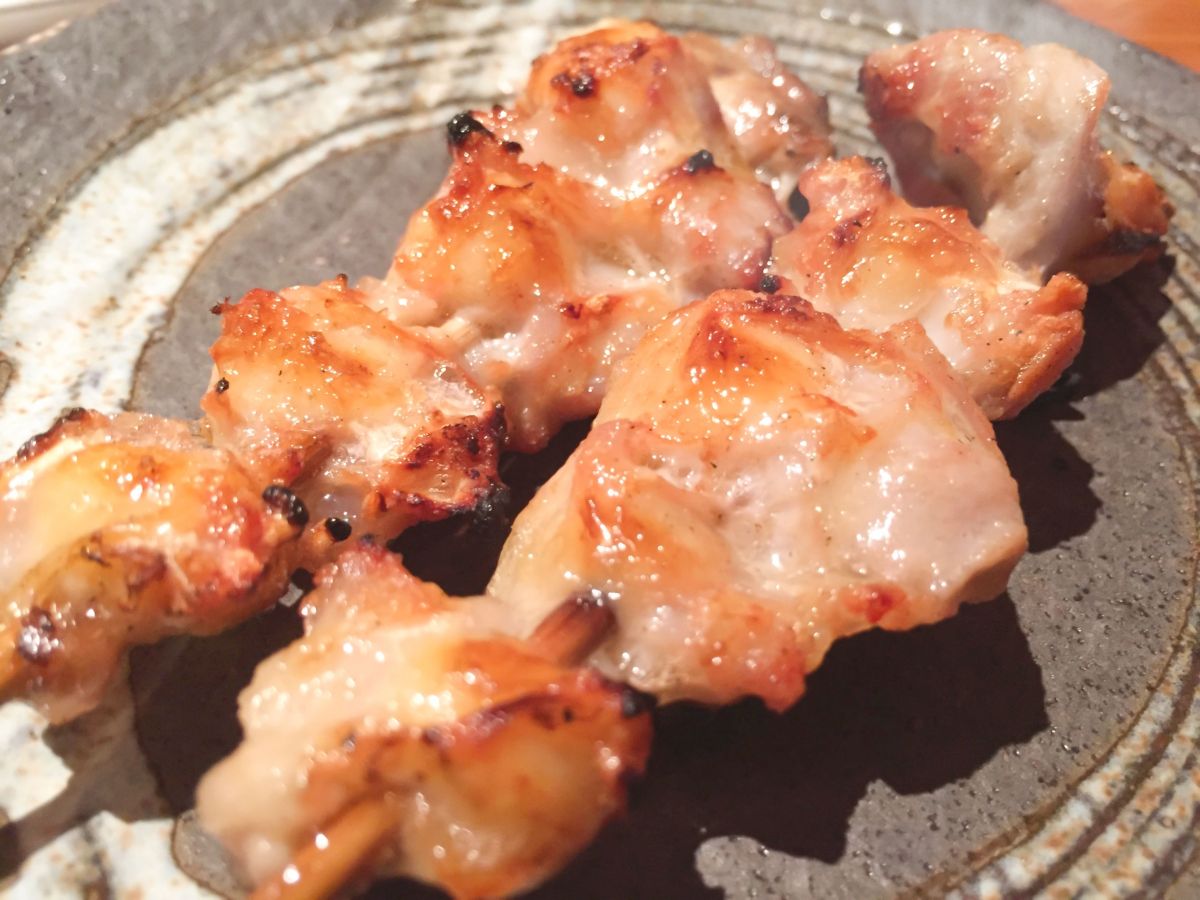
Hiza nankotsu is much harder and more intense. It has a stronger chew and a deeper crunch. If you are nervous about eating cartilage, hiza nankotsu may feel like jumping straight into the deep end. It is delicious if you like firm textures, but yagen nankotsu is usually more beginner-friendly.
Is Nankotsu Safe to Eat?
Yes, nankotsu is safe to eat when it is properly prepared and cooked. It is an edible cartilage part, not a sharp bone that you are expected to swallow whole. In Japanese restaurants, it is served in bite-sized pieces and cooked as food, whether grilled as yakitori or fried as karaage.
The important thing is to chew it properly. Nankotsu is meant to be eaten slowly and enjoyed for its texture. It should not be swallowed like a soft piece of meat before you have broken it down with your teeth.
Can you digest nankotsu?
For most people, yes. Cartilage contains collagen and other structural components that are broken down during digestion. As with many firm foods, the key is to chew well before swallowing.
If you accidentally swallow a small piece after chewing, it is usually not something to panic about. But nankotsu is not designed to be gulped down. Treat it more like a chewy snack than a soft piece of chicken.
Can nankotsu damage your teeth?
Nankotsu is edible, but it can be quite firm, especially chicken knee cartilage. If you have weak teeth, dental work, braces, or concerns about biting hard foods, it is worth being careful.
For a first try, yagen nankotsu is the safer and friendlier choice because it is generally softer than hiza nankotsu. Take small bites, chew slowly, and do not force your teeth through a piece that feels too hard.