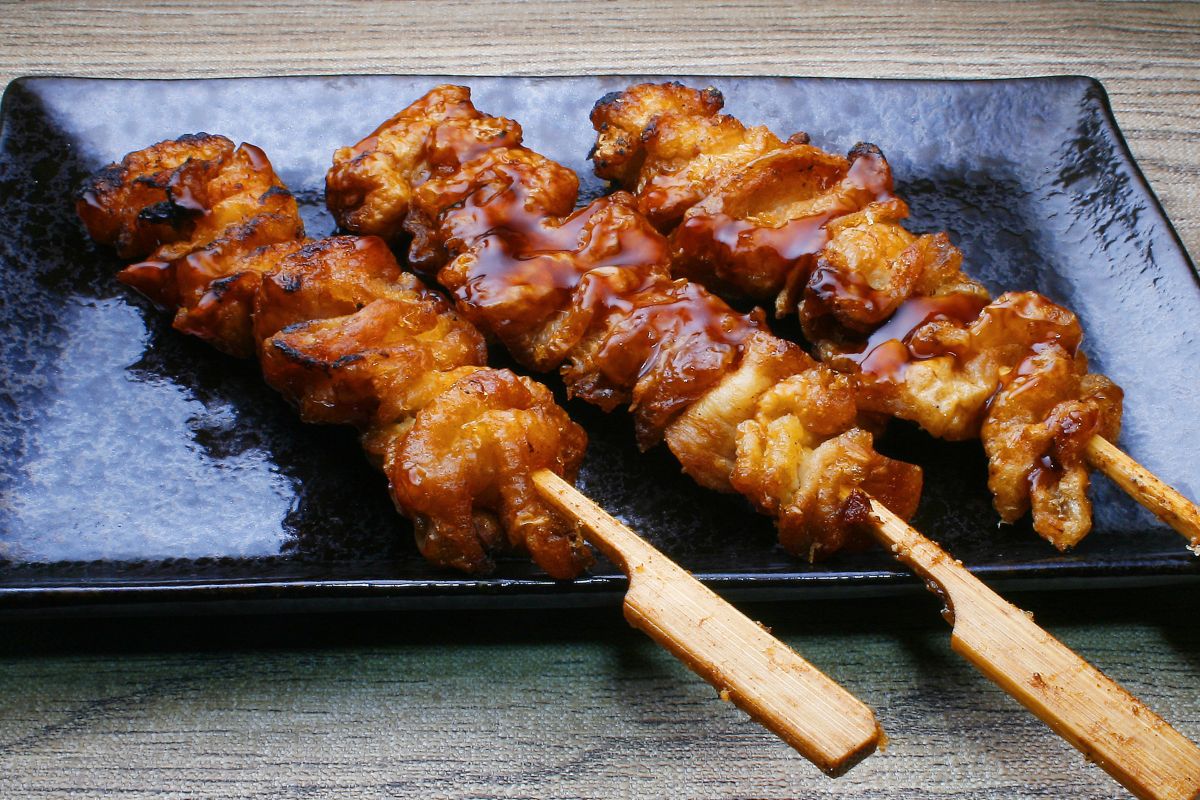
Chicken skin yakitori may sound unusual if you did not grow up eating yakitori, but in Japan it is a classic skewer. It is rich, savory, sometimes crispy, sometimes chewy, and usually ordered as kawa or torikawa at a yakitori restaurant.
What Is Chicken Skin Yakitori?
“`
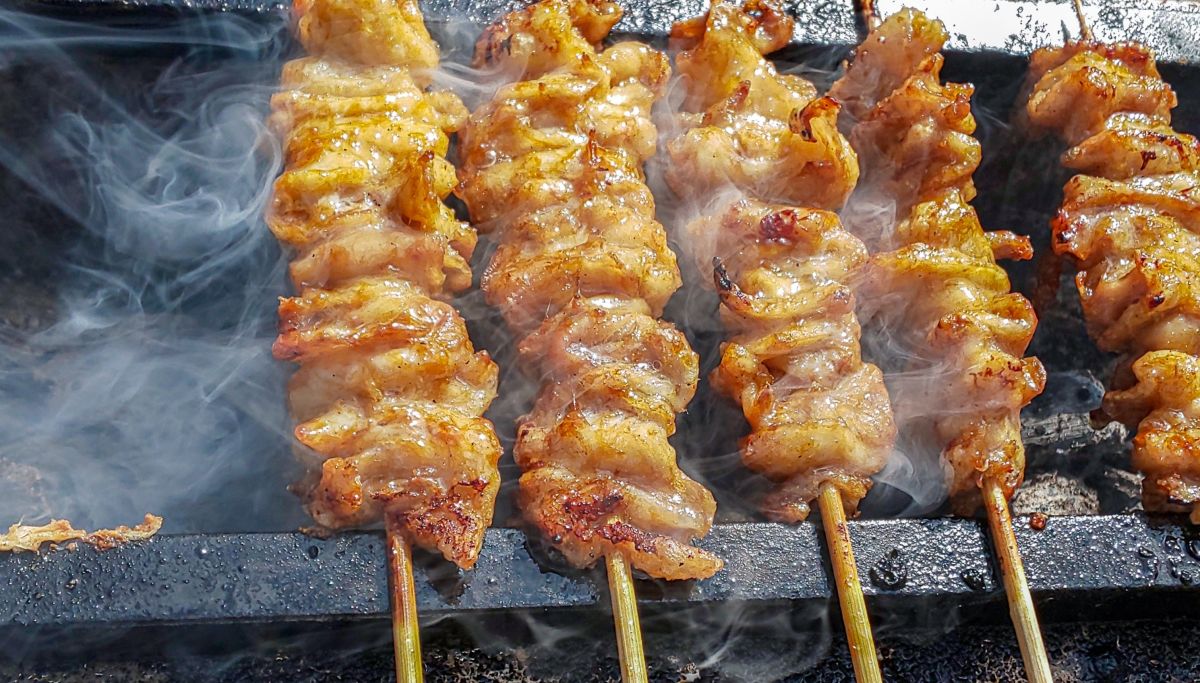
Chicken skin yakitori is grilled chicken skin served on a skewer. In Japanese, it is usually called kawa or torikawa. The word kawa means “skin,” while tori means “chicken,” so torikawa simply means “chicken skin.”
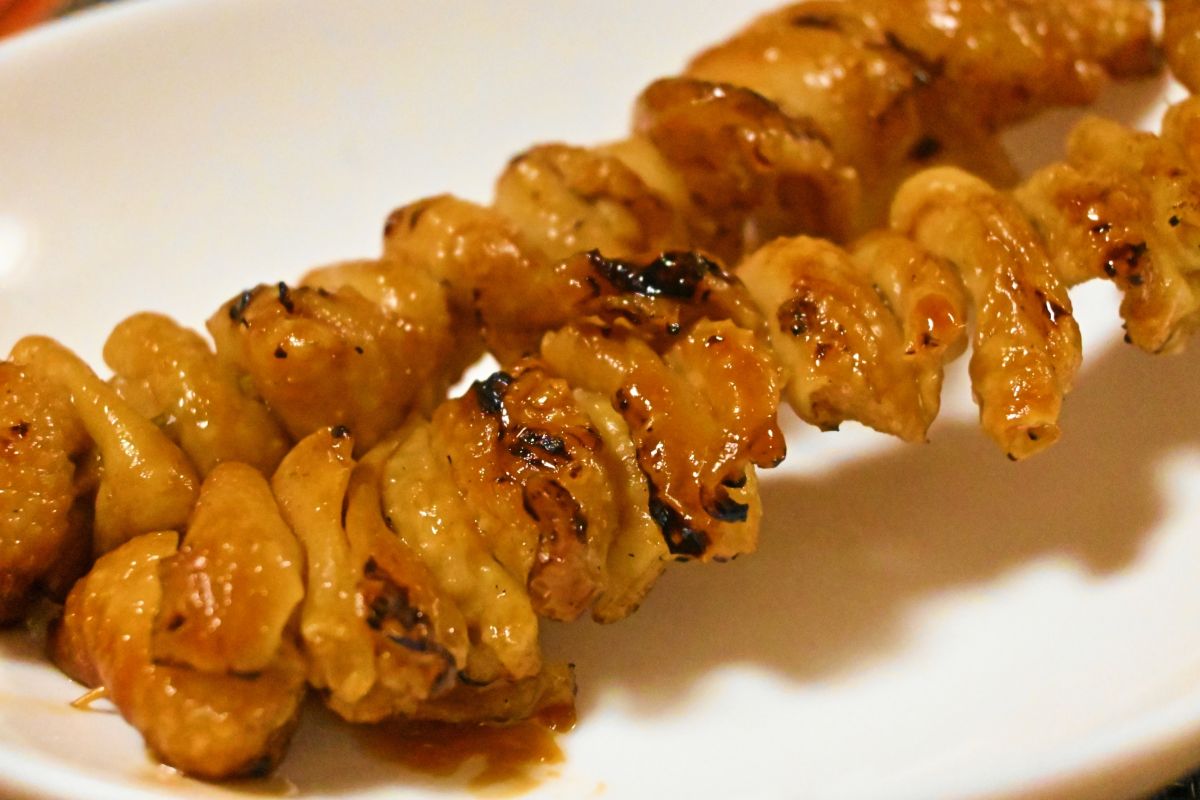
At a yakitori restaurant, chicken skin is usually skewered, seasoned with salt or brushed with a sweet-savory sauce called tare, then grilled until the fat melts and the surface becomes fragrant. When it is cooked well, it can be crisp on the outside, juicy inside, and full of smoky flavor.
For many people visiting Japan, chicken skin yakitori is one of those small surprises on the menu. It is not a big main dish. It is more like a rich little bite you enjoy with other skewers, drinks, and side dishes at an izakaya or yakitori spot.
Chicken Skin Yakitori Is Called “Kawa” or “Torikawa” in Japanese
If you are looking at a Japanese yakitori menu, you may not see the words “chicken skin.” Instead, look for kawa or torikawa.
- Kawa: skin
- Tori: chicken
- Torikawa: chicken skin
- Yakitori: grilled chicken skewers
In casual yakitori restaurants, kawa is the shorter and more common menu name. If you want to order it, you can simply say, “Kawa, please,” or use the Japanese phrase, “Kawa o onegaishimasu.”
“`
Kawa vs Torikawa: What’s the Difference?
“`
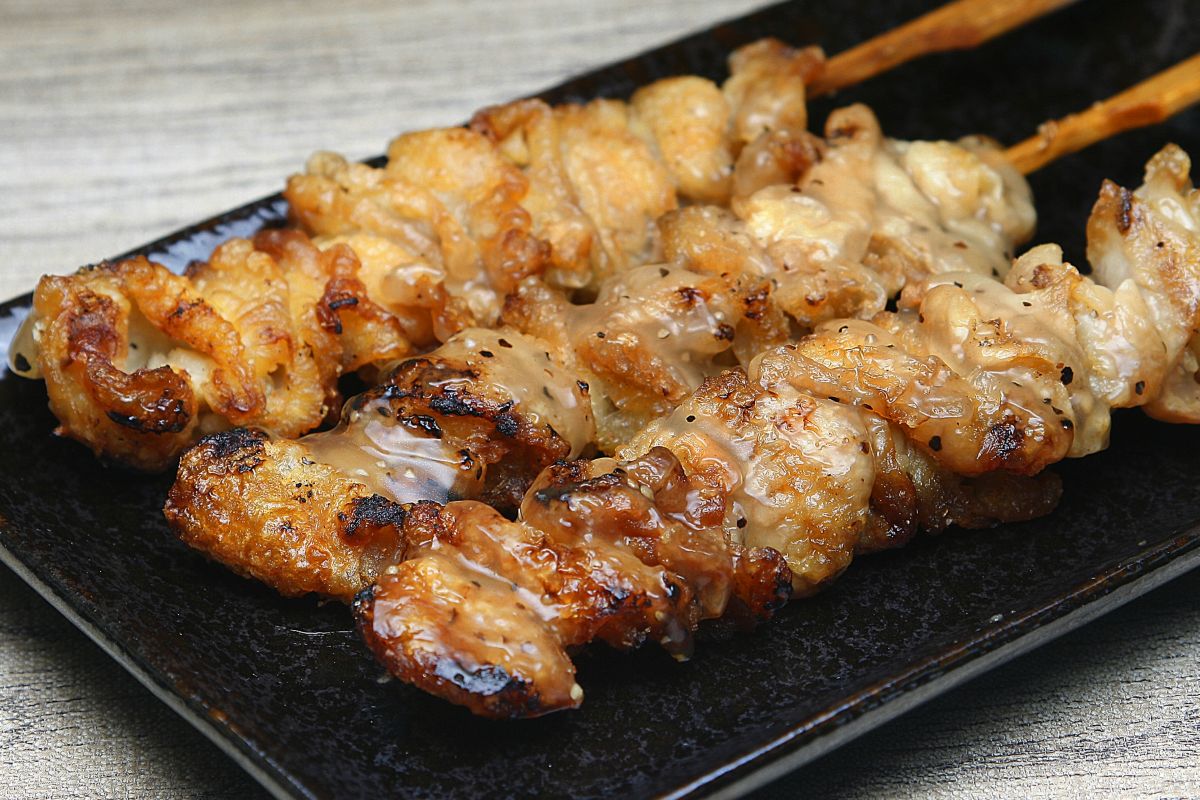
In most restaurant situations, kawa and torikawa refer to the same thing: chicken skin yakitori. The difference is mostly in wording.
Kawa literally means “skin,” so it is shorter and easier to use on a menu. Torikawa is more specific because it means “chicken skin.” If you are searching online in English, you may see both words used for the same type of skewer.
What Part of the Chicken Is Used?
Not all chicken skin is exactly the same. The texture depends on where the skin comes from. Some pieces are fattier and richer, while others are thinner and easier to crisp up.
| Chicken Skin Part | Texture | Best Use |
|---|---|---|
| Neck skin | Springy, slightly chewy, balanced fat | Classic yakitori skewers and Hakata-style torikawa |
| Thigh skin | Very fatty, juicy, rich | Rich grilled skewers, especially with tare sauce |
| Breast skin | Thinner, lighter, easier to crisp | Crispy pan-grilled or fried chicken skin |
| Wing skin | Gelatin-rich, soft, slightly sticky | Slow cooking, soups, or deeply grilled skewers |
Many yakitori shops prefer neck skin because it has a good balance of fat, firmness, and chew. It is not as heavy as very fatty thigh skin, but it still has enough richness to taste satisfying when grilled.
Is Chicken Skin Yakitori the Same as Regular Grilled Chicken Skin?
It is similar, but not exactly the same. Chicken skin yakitori is part of the yakitori style of eating: small skewers, usually cooked over a grill, ordered one or two at a time, and enjoyed with salt, tare, or other simple seasonings.
The skewer matters too. By folding, threading, or wrapping the skin onto a stick, the cook can control how much fat stays inside, how much surface area touches the heat, and whether the final texture becomes crispy or chewy.
“`
Is Chicken Skin Yakitori Crispy or Chewy?
“`
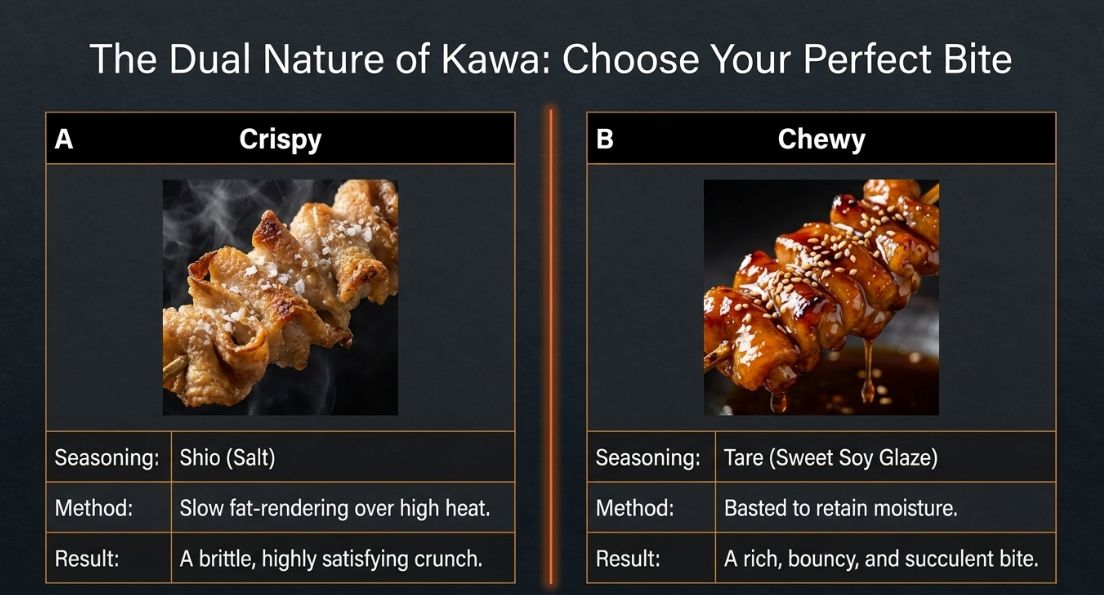
Chicken skin yakitori can be crispy, chewy, or both. This is one of the things that makes it interesting. The same ingredient can feel completely different depending on how it is cut, skewered, and cooked.
Why Some Chicken Skin Yakitori Is Crispy
Crispy chicken skin yakitori happens when the fat slowly melts out and the surface dries enough to brown. As the skin loses moisture and fat, the outside becomes crisp and fragrant instead of soft and greasy.
This is why slow cooking is important. If chicken skin is blasted with very high heat too quickly, the outside can tighten before the fat inside has time to escape. The result may look browned, but the inside can still feel heavy and oily.
Why Some Chicken Skin Yakitori Is Chewy
Chewy chicken skin yakitori usually comes from tighter skewering and less fat loss. When the pieces are packed closely together, the inside stays moist and soft. Some people love this bouncy texture, especially when it is paired with a sweet-savory tare sauce.
So, chewy does not always mean badly cooked. In Japan, chicken skin is sometimes enjoyed for that springy, fatty texture. But if you are expecting crispy chicken skin, the skewer needs a little more space, patience, and heat control.
Why Your Chicken Skin Yakitori Isn’t Crispy
If your chicken skin yakitori turns out greasy instead of crisp, one of these things is probably happening:
- The pieces are packed too tightly on the skewer.
- The heat is too high at the beginning.
- Too much thick fat was left on the back of the skin.
- The skin was wet before cooking.
- Tare sauce was added too early and burned before the skin crisped.
The easiest fix is to dry the skin well, remove extra fat, skewer it with a little breathing room, and start cooking at a moderate temperature so the fat can slowly render out.
“`
How to Make Crispy Chicken Skin Yakitori at Home
“`
You do not need a professional yakitori grill to make good chicken skin yakitori at home. A charcoal grill is great, but a frying pan can also work surprisingly well if you focus on slowly melting the fat out of the skin.
Ingredients You Need
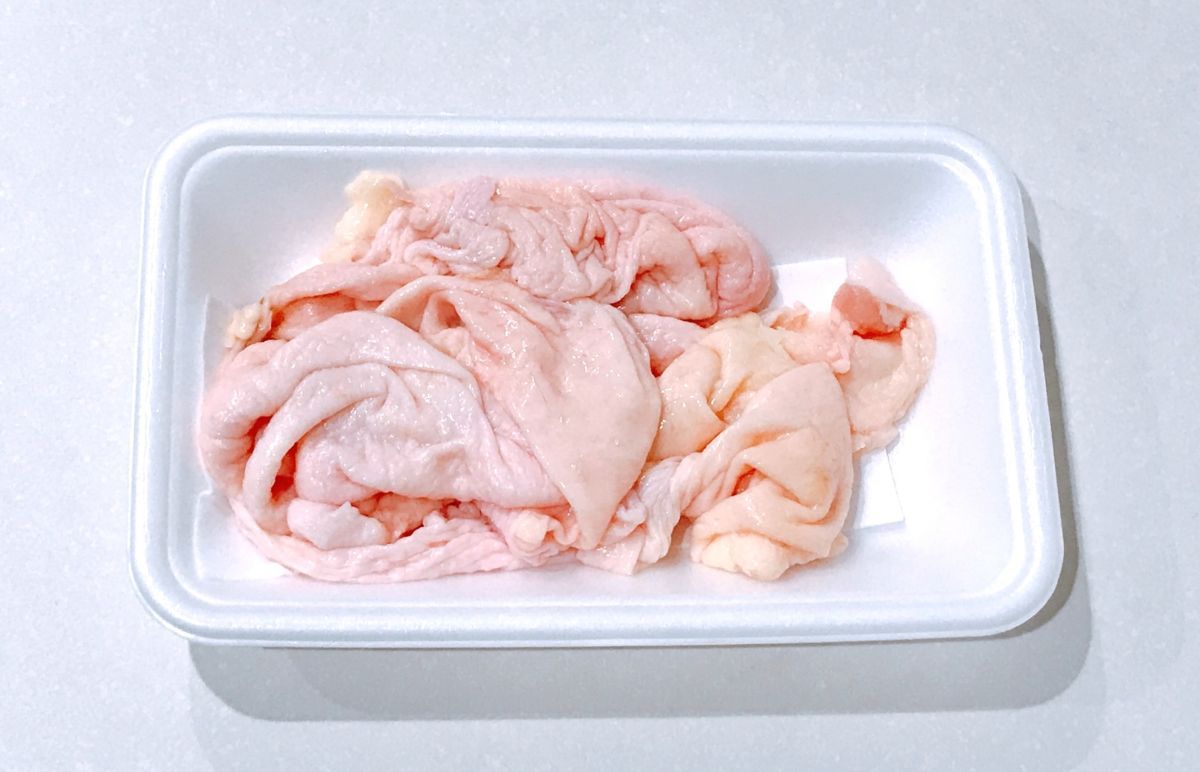
- Chicken skin
- Bamboo skewers
- Salt
- Optional: yakitori tare sauce
- Optional: lemon, shichimi pepper, or ponzu
If you are using bamboo skewers over direct flame, soaking them in water first can help prevent burning. For pan cooking, this is less important, but still useful if the ends of the skewers may touch strong heat.
Should You Boil Chicken Skin Before Grilling?
Boiling chicken skin before grilling is optional. Some home cooks do it to remove odor, tighten the skin, or make the pieces easier to handle. However, boiling also adds moisture, and moisture is not helpful when you want crispy chicken skin.
If you boil it first, keep it brief and dry the skin very well afterward. Pat it with paper towels and let the surface lose as much moisture as possible before skewering.
For a crispier result, it is often better to focus on trimming, drying, and slow rendering rather than boiling.
How to Prepare Chicken Skin
- Lay the chicken skin flat on a cutting board.
- Check the underside and remove thick yellow pieces of fat.
- Cut the skin into strips, roughly 3 cm wide.
- Pat the pieces very dry with paper towels.
- Season lightly with salt before cooking, or leave plain if using tare later.
Removing every bit of fat is not the goal. Chicken skin yakitori should still taste rich. The point is to remove large, uneven chunks of fat that can make the skewer too oily or difficult to cook evenly.
How to Skewer Chicken Skin
Thread the skin onto the skewer in a loose wave pattern. Try to keep the skewer running through the center of each piece so the skewer does not twist too much while cooking.
For a crispier texture, leave a little space between the folds of skin. More exposed surface area means more browning and more chances for the fat to drip or render out.
For a softer, chewier texture, pack the skin more tightly. This traps more moisture and gives the skewer that bouncy, fatty bite some yakitori fans enjoy.
The Best Way to Make It Crispy Without Charcoal
The easiest home method is a cold pan start. Instead of heating the pan first, place the chicken skin skewers into a cold frying pan, then turn on the heat.
- Place the skewers in a cold frying pan.
- Use no oil, or just a very thin layer if needed.
- Turn the heat to medium.
- Press the skin gently with tongs or a spatula so it touches the pan.
- Let the fat slowly melt out.
- Wipe away excess rendered fat with paper towels as it collects.
- Flip when the bottom is golden and the skin has started to firm up.
- Cook the other side until crisp and fully cooked.
This method works because the fat has time to melt before the outside becomes too firm. The skin essentially fries in its own fat, which creates a crisp surface without needing a deep fryer.
When to Add Tare Sauce
If you are using tare, do not brush it on too early. Tare usually contains soy sauce, sugar, mirin, or other sweet ingredients, so it can burn before the chicken skin becomes crisp.
Cook the chicken skin most of the way first. Once it is browned and nearly done, brush on the tare, cook briefly, turn, brush again, and let the sauce glaze the surface.
“`
Is Chicken Skin Yakitori Healthy?
“`
Chicken skin yakitori is delicious, but it is not a lean protein. It is rich, fatty, and calorie-dense compared with many other yakitori skewers.
That does not mean you have to avoid it completely. It just helps to think of chicken skin yakitori as a small, flavorful appetizer rather than the main protein of the meal.
Chicken Skin Is High in Fat
Chicken skin contains a lot of fat, which is exactly why it tastes so rich and satisfying. When cooked slowly, some of that fat melts out, but the skewer will still be much richer than lean chicken breast, tenderloin, or cartilage skewers.
Calories can vary a lot depending on the size of the skewer, how much fat is trimmed, how much fat renders out during cooking, and whether tare sauce is used.
Is Chicken Skin Yakitori Low-Carb?
The chicken skin itself is naturally very low in carbohydrates. If it is seasoned with salt, it can fit more easily into a low-carb style of eating.
Tare is different. Because tare often contains sugar and mirin, it adds carbohydrates and extra calories. If you are watching carbs closely, choose shio, which means salt.
How to Enjoy It Without Overdoing It
- Order one or two chicken skin skewers instead of making them the whole meal.
- Choose salt if you want a lighter, lower-sugar option.
- Pair it with leaner skewers like chicken breast, tenderloin, liver, cartilage, or gizzard.
- Let the skin render properly so it tastes crisp instead of greasy.
- Enjoy it slowly, because the richness is part of the point.
Chicken skin yakitori is best treated as a small indulgence. A little goes a long way, especially when it is cooked until crisp and served with other yakitori dishes.
“`