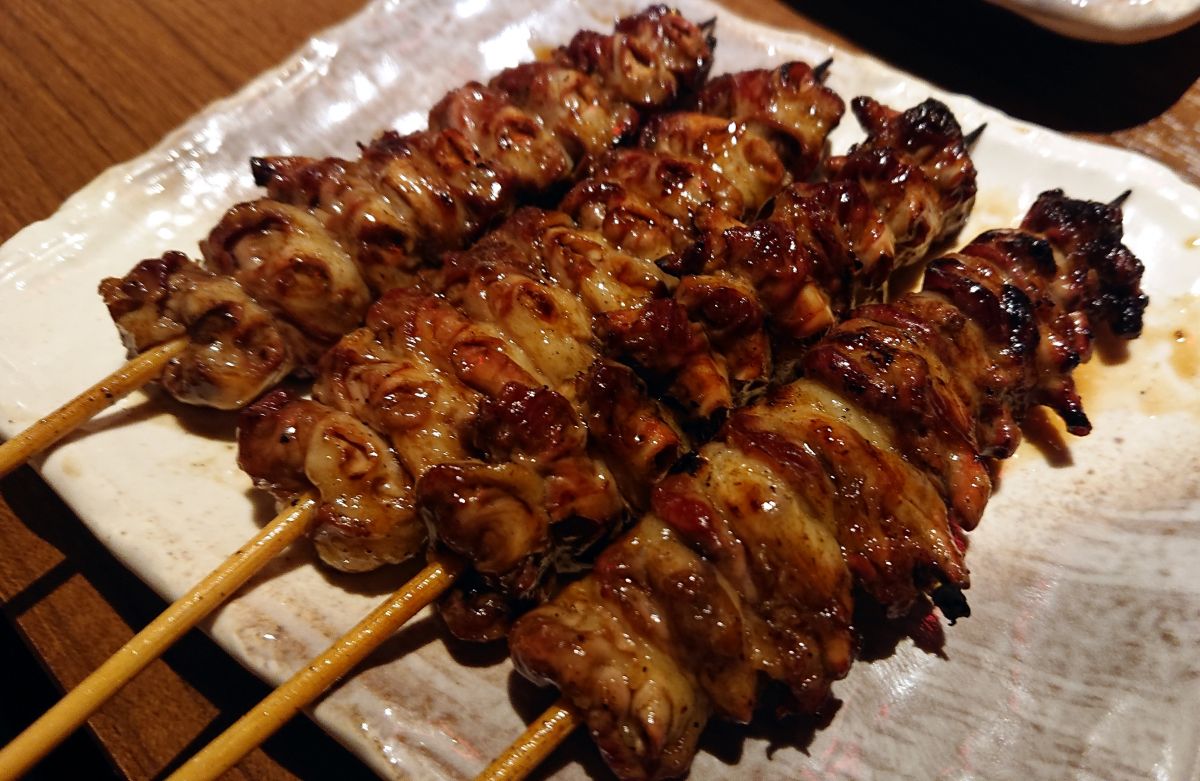
If you have seen seseri on a yakitori menu and wondered what it actually is, you are definitely not alone. At first, “chicken neck meat” may sound a little intimidating, but seseri is one of those Japanese chicken cuts that makes perfect sense once you taste it: juicy, springy, deeply flavorful, and surprisingly easy to love.
What Is Seseri? The Chicken Part Behind This Yakitori Favorite
Seseri Is Chicken Neck Meat
Seseri is the meat from around a chicken’s neck. In English, it is usually best understood as chicken neck meat or, more specifically, boneless chicken neck meat.
That “boneless” part is important. In many English-speaking countries, “chicken neck” may make people imagine a whole neck with bones. But at a Japanese yakitori restaurant, seseri is usually served as small pieces of meat that have already been removed from the neck bones and skewered for grilling.
So when you order seseri, you are not usually eating a whole chicken neck. You are eating the flavorful meat that surrounds the neck. It is a proper yakitori cut, not just a leftover part.
Other Names for Seseri
Depending on the restaurant, butcher, or region, seseri may be referred to by a few different names. You might see or hear terms such as:
- Chicken neck meat
- Boneless chicken neck
- Neck meat
- Koniku, meaning small meat
- Kubiniku, meaning neck meat
If you are reading a Japanese yakitori menu overseas, the word seseri may be left untranslated. If you are buying it from a butcher, asking for “boneless chicken neck meat” will usually be the clearest way to explain what you are looking for.
Why Is It Called “Seseri”?
The Meaning Behind the Name
The name seseri is said to come from a Japanese word meaning something like “to pick,” “to scrape,” or “to remove little by little.” That makes sense when you think about where the meat comes from.
A chicken’s neck has many small bones and curves, so the meat is not removed in one big, simple piece like breast or thigh. Instead, it has to be carefully taken from around the neck bones. The name reflects that detailed process of picking or scraping off the meat.
In other words, the name is not random. It tells you something about the cut itself: seseri is a small, carefully prepared part of the chicken.
Why the Name Matters
I find the name interesting because it also hints at why seseri feels special. It is not a large, common cut that comes off the bird easily. It takes more work to prepare, and the amount from each chicken is limited.
That extra effort is part of why seseri has such a strong place in yakitori culture. It feels casual when you eat it on a skewer, but there is actually a lot of care behind that simple-looking bite.
What Does Seseri Taste Like?
Juicy, Springy, and Chewy
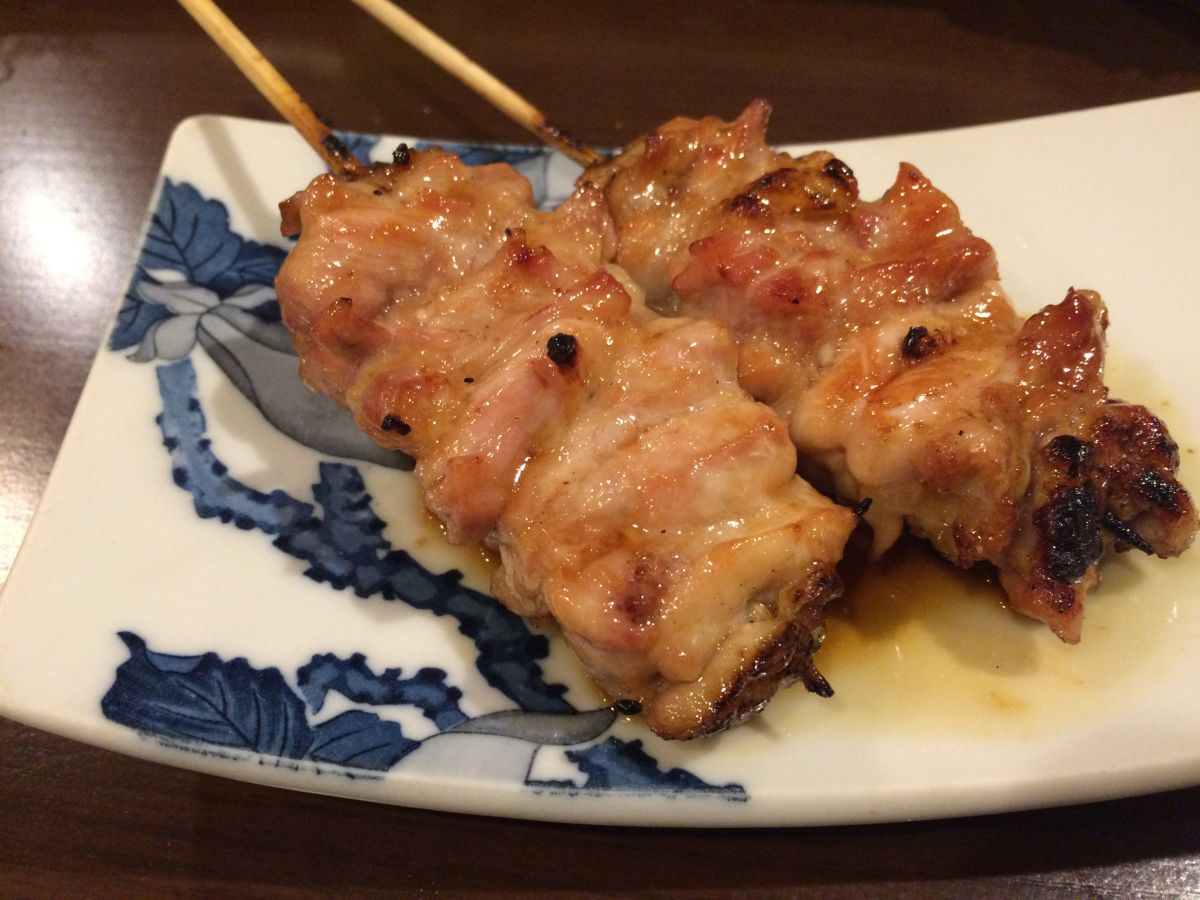
The best way to describe seseri is juicy, springy, and chewy. It has a deeper chicken flavor than breast meat and a more interesting bite than many softer cuts.
Seseri is not tough in a bad way. It has a pleasant bounce to it. When grilled well, the outside gets lightly browned while the inside stays juicy. It is the kind of texture that makes you want to keep chewing, not because it is hard to eat, but because the flavor keeps coming out.
If chicken breast is mild and lean, and chicken thigh is soft and rich, seseri sits somewhere in its own category. It has the richness of a fatty cut, but with a firmer, more energetic texture.
Why Seseri Has Such a Unique Texture
The texture comes from how much chickens move their necks. Chickens are constantly moving their heads when they eat, drink, look around, and react to their surroundings. Because of that, the neck muscles are well developed.
That constant movement gives seseri its firm, muscular bite. At the same time, the meat has a good amount of fat, which helps keep it juicy when grilled.
This is why seseri works so well as yakitori. The direct heat brings out the fat and aroma, while the muscle fibers give each piece that springy texture people love.
Seseri Compared with Other Chicken Cuts
If you have never tried seseri before, it may help to compare it with more familiar chicken parts.
| Chicken Cut | Texture | Flavor | Fat Level |
|---|---|---|---|
| Chicken breast | Lean, soft, sometimes dry | Mild | Low |
| Chicken thigh | Tender and juicy | Rich | Medium to high |
| Seseri | Springy, chewy, juicy | Deep chicken flavor | Medium |
| Gizzard | Crunchy and firm | Clean and mild | Low |
For me, seseri feels like a great middle ground: more exciting than breast, less heavy than very fatty cuts, and easier to enjoy than some stronger organ meats.
Why Is Seseri Considered a Rare Chicken Part?
Only a Small Amount Comes from One Chicken
Seseri is considered a rare chicken part because each chicken only gives a small amount of it. A single bird may provide only around 20 to 50 grams of seseri.
That means a restaurant needs many chickens just to prepare a modest amount of seseri skewers. Compared with breast, thigh, or wings, it is much harder to collect in large quantities.
This small yield is one reason seseri can feel special when you see it on a yakitori menu. It is not necessarily a luxury ingredient in a fancy sense, but it is limited by nature.
Why You May Not Find Seseri in Regular Supermarkets
Because seseri is produced in such small amounts, it is often sent to yakitori restaurants, Japanese meat suppliers, or specialty shops. Regular supermarkets, especially outside Japan, may not carry it at all.
In some countries, chicken necks are sold with the bones still attached, often for soups or stocks. But boneless chicken neck meat is much less common. That is why seseri can be tricky to find if you want to cook it at home.
If you are looking for seseri outside Japan, your best options are usually Japanese grocery stores, Asian supermarkets, local butchers, or online meat suppliers. If the butcher does not know the word “seseri,” try asking for boneless meat removed from around the chicken neck.
How to Order Seseri at a Yakitori Restaurant
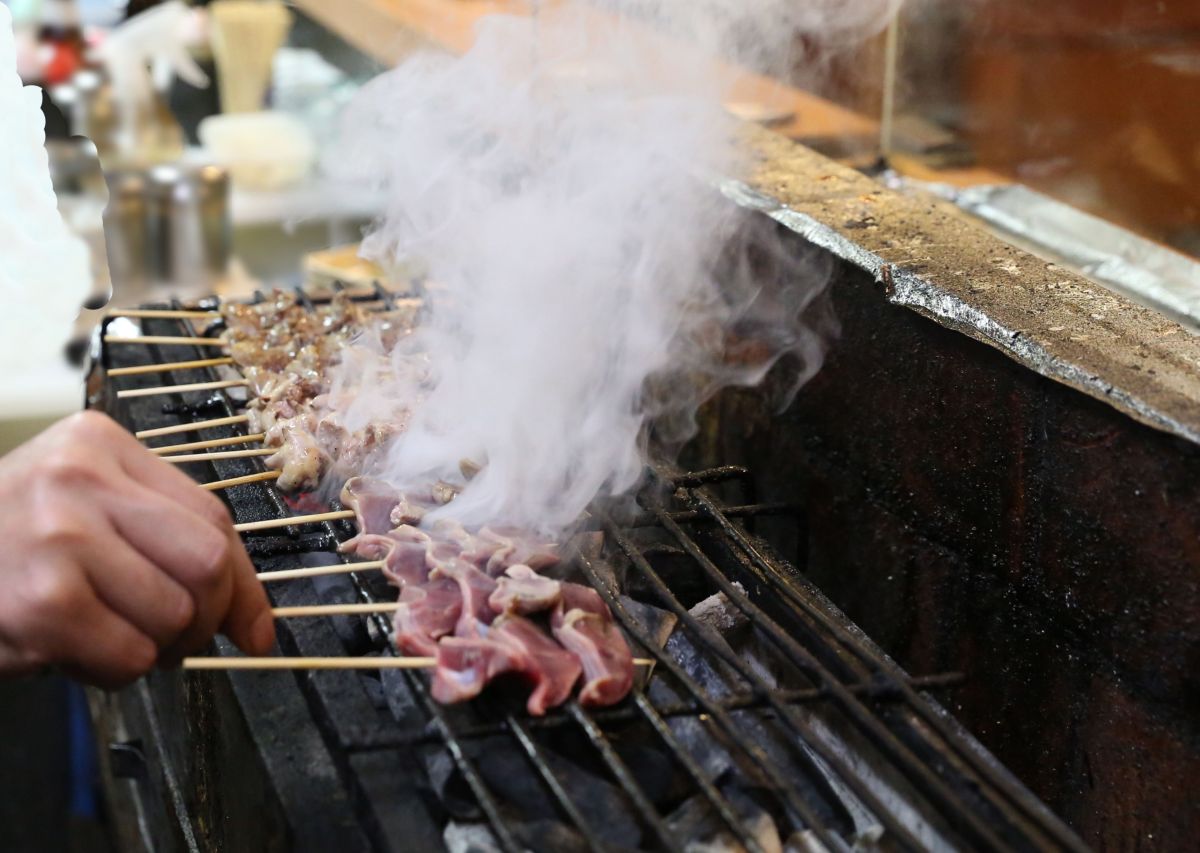
How to Say “Seseri” When Ordering
Ordering seseri at a yakitori restaurant is simple. You can usually just say the name of the cut and choose the seasoning.
Useful phrases include:
- “Seseri, please.”
- “Seseri shio, please.”
- “Seseri tare, please.”
Shio means salt seasoning. Tare is a sweet and savory soy-based sauce often used for yakitori.
If you are in Japan, you can say “Seseri o kudasai”, which means “Seseri, please.” But in many yakitori places, simply saying “seseri” and pointing at the menu will be enough.
Shio or Tare: Which Is Better for Seseri?
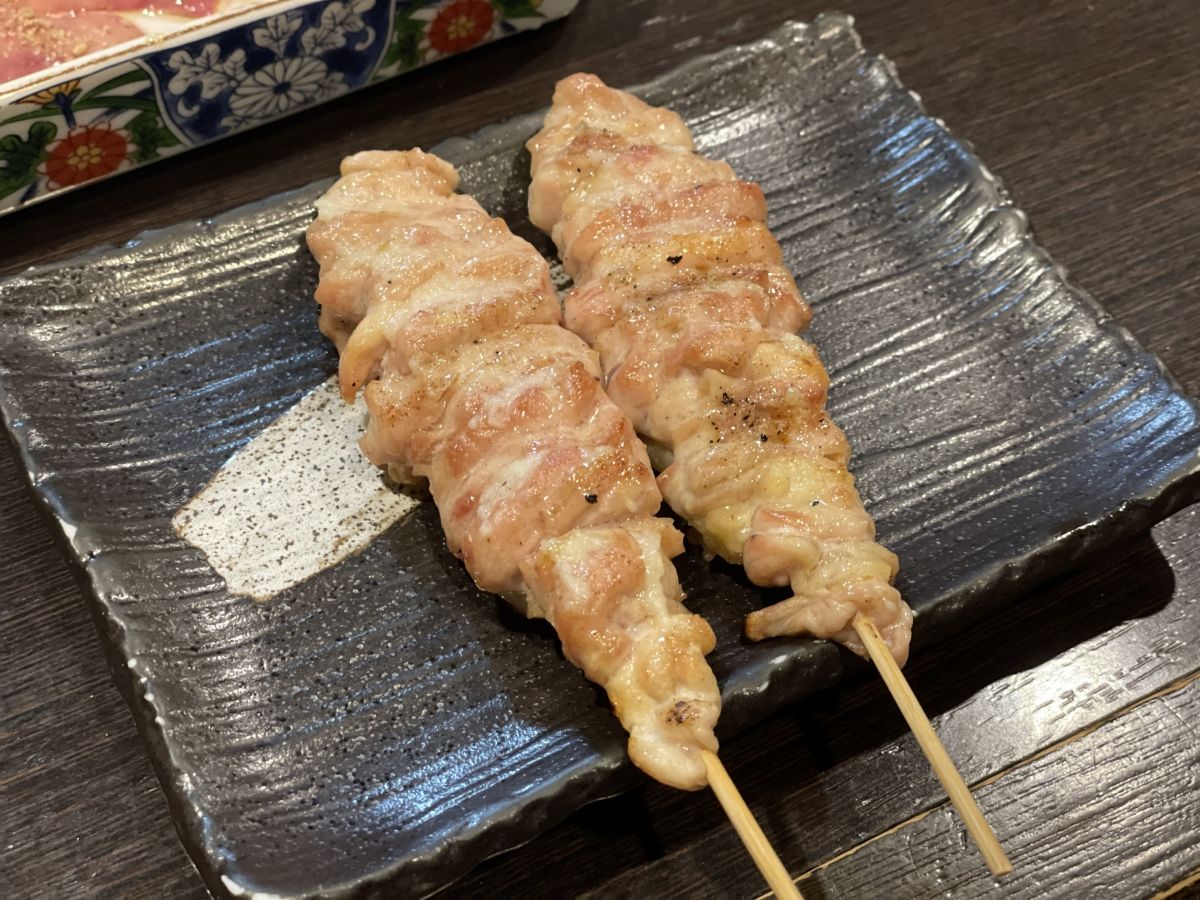
If it is your first time trying seseri, I would choose shio. Salt keeps the flavor clean and lets you taste the natural richness of the meat. Since seseri is already juicy and flavorful, it does not need much help.
Tare is also delicious, especially if you like a richer, sweeter, more caramelized flavor. The sauce goes well with the fat in seseri and gives it a deeper grilled aroma.
| Style | Best For | Flavor |
|---|---|---|
| Shio | First-timers and people who want to taste the meat itself | Clean, salty, juicy |
| Tare | People who like rich sauces | Sweet, savory, smoky |
My simple rule is this: order shio first to understand seseri, then order tare if you want a second round with a stronger flavor.
Best Drinks to Pair with Seseri
Seseri is juicy and a little fatty, so it pairs well with drinks that refresh your mouth between bites. A cold beer is the classic choice, but it is not the only one.
- Beer for a classic yakitori pairing
- Highball for something crisp and light
- Sake if you want a more Japanese pairing
- Shochu for a stronger, cleaner drink
- Sparkling water with lemon for a non-alcoholic option
Because seseri has a nice fatty richness, anything bright, fizzy, or slightly dry usually works well with it.
How to Cook Seseri at Home
Where to Buy Chicken Neck Meat Outside Japan
If you want to cook seseri at home outside Japan, the hardest part may be finding the right meat. Look for boneless chicken neck meat if it is available.
Japanese grocery stores, Asian markets, and specialty butchers are good places to start. You can also ask a butcher whether they can remove the meat from chicken necks for you.
If you can only find bone-in chicken necks, be prepared for extra work. The meat has to be removed carefully from around the bones, and small bone fragments need to be checked before cooking.
How to Prepare Seseri Before Cooking
Before cooking seseri, spread the meat out and check it with your fingers. This step matters because small pieces of bone can sometimes remain in the meat.
Use your fingertips to feel for anything hard. If you find a small bone fragment, remove it carefully with a knife. You can also trim away any excess fat if the pieces look too heavy, although leaving some fat helps keep the meat juicy.
After that, cut the seseri into bite-sized pieces, about 2 to 3 centimeters wide. This size works well for skewers, pan-frying, or simple grilled dishes.
How to Skewer Seseri for Yakitori
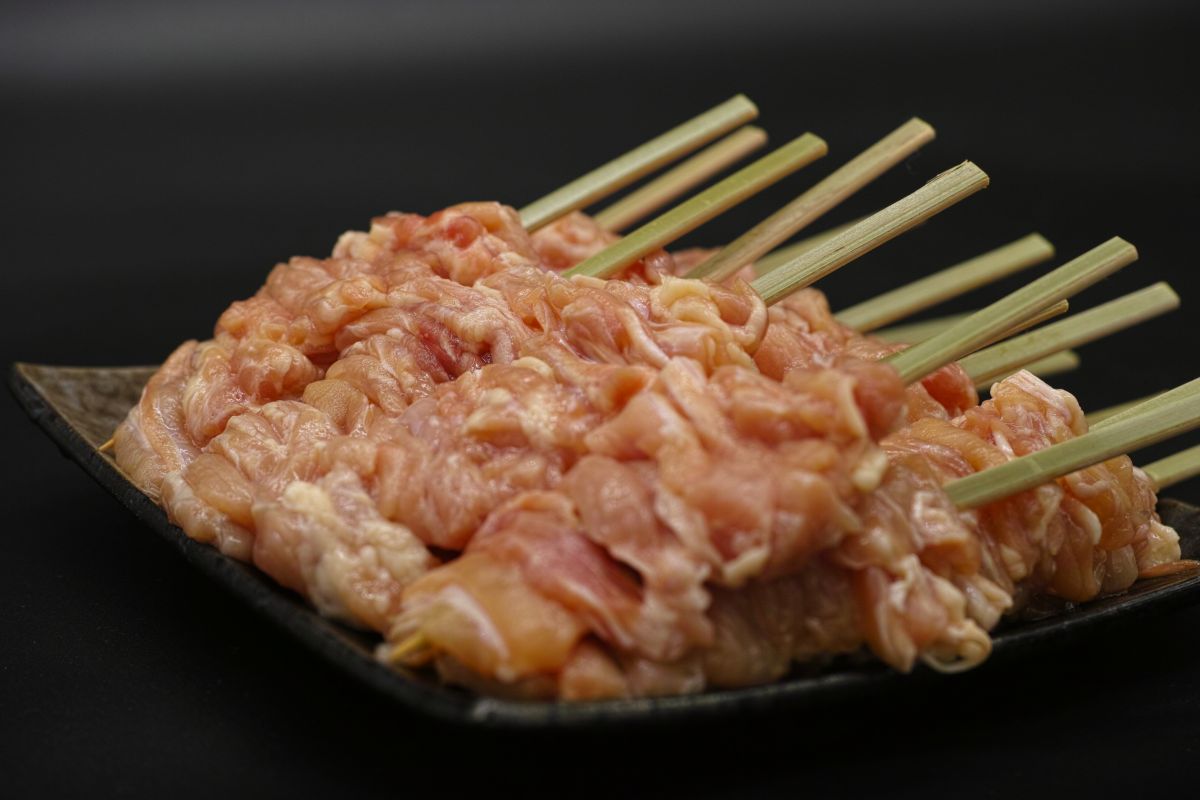
Seseri is long and uneven in shape, so skewering it is a little different from skewering neat cubes of chicken thigh. The main trick is not to stretch it flat.
Instead, fold or wave the meat onto the skewer. This gives the skewer more thickness and helps keep the meat juicy as it cooks.
The key idea is simple: fold the meat as you skewer it, rather than pulling it straight. This helps prevent the pieces from becoming thin and dry over the heat.
Try to place the pieces close together, but not so tightly that the heat cannot reach them. A good seseri skewer should look slightly full and bouncy, not flat.
How to Grill Seseri
Seseri is excellent on a charcoal grill, but you can also cook it on a gas grill, under a broiler, or in a hot pan.
For yakitori-style seseri, grill it over medium-high heat and turn it often. You want the outside to brown nicely while the inside cooks through without drying out.
For shio seseri, season with salt before or during grilling. A light brush or spray of sake can help the salt stick to the surface and add a gentle aroma.
For tare seseri, grill the meat first, then brush on the sauce near the end. This helps prevent the sugar in the sauce from burning too early.
If you are cooking seseri in a pan, use medium-high heat and avoid overcrowding. Let the pieces brown, turn them as needed, and cook until they are fully done. A squeeze of lemon at the end makes the flavor even better.