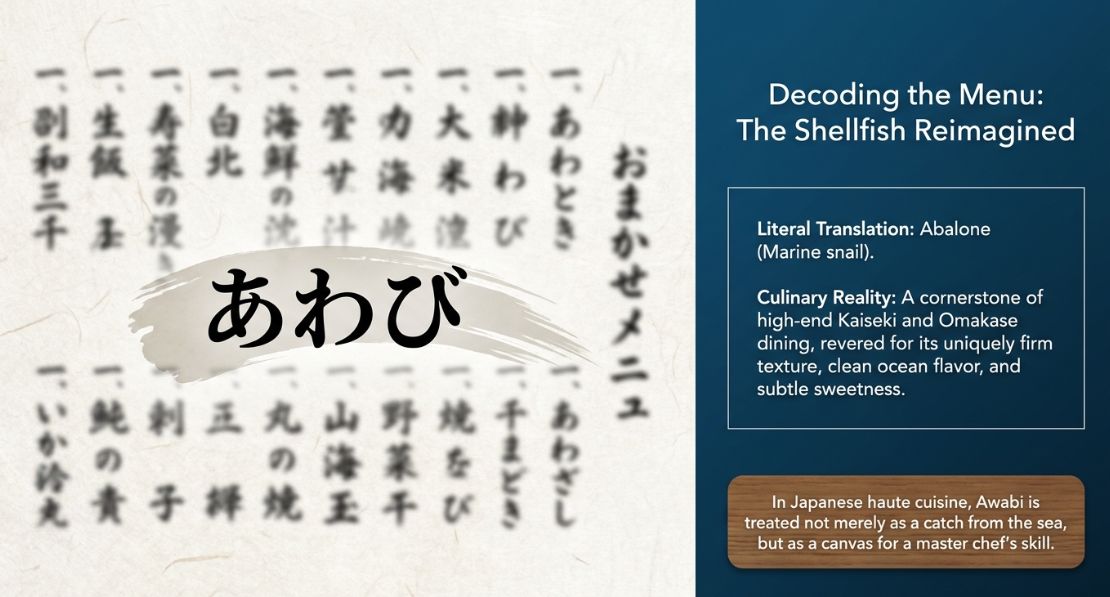
Awabi is one of those Japanese seafood words that can feel a little mysterious the first time you see it on a sushi menu. If you have come across awabi at an omakase counter, in a kaiseki meal, or while reading about Japanese ingredients, the simple answer is this: awabi means abalone.
But that quick translation does not quite capture why awabi is treated with such respect in Japan. It is not just “a shellfish.” It is prized for its firm texture, clean ocean flavor, subtle sweetness, and the skill required to prepare it well. Depending on the type and cooking method, awabi can be crunchy and refreshing, tender and luxurious, or rich and savory with butter, soy sauce, and its own liver sauce.
What Is Awabi?
“`
Awabi Means Abalone in Japanese
Awabi is the Japanese word for abalone, a type of marine snail. More specifically, it is a gastropod, which means it is biologically closer to a sea snail than to clams or oysters.
Awabi lives along rocky coastal areas, where it clings tightly to rocks and feeds mainly on seaweed such as kelp and wakame. This seaweed-rich diet is one reason good awabi has such a clean, oceanic flavor with a gentle sweetness.
In Japan, several kinds of awabi are valued as premium seafood. They are used in sushi, sashimi, steamed dishes, simmered preparations, and high-end Japanese cuisine. When served well, awabi can feel like a quiet luxury: not flashy, but deeply satisfying.
Why Awabi Is Considered a Luxury Ingredient in Japan
Awabi has long been treated as a special ingredient in Japan. At an omakase sushi restaurant or a refined kaiseki meal, it often appears as a seasonal highlight rather than an everyday shellfish.
There are a few reasons for this. First, high-quality awabi is not easy to obtain. It grows slowly, lives in specific coastal environments, and needs careful handling to stay fresh. Second, its texture is unusual. Raw awabi can be firm and almost crunchy, while steamed or simmered awabi can become beautifully tender. Third, preparing it well takes skill. A chef needs to understand how to clean it, slice it, steam it, simmer it, or cook it without making it unpleasantly tough.
That combination of rarity, technique, and distinctive taste is what gives awabi its prestige in Japanese dining.
“`
What Does Awabi Taste Like?
“`
The Flavor of Awabi: Clean, Oceanic, and Full of Umami
Awabi has a refined ocean flavor. It is briny, but usually not aggressively salty or fishy. The best way to describe it is clean, mineral, slightly sweet, and rich in umami.
Because awabi feeds on seaweed, its flavor often carries a quiet oceanic depth. It can remind you of the smell of the sea near rocks and kelp, but in a polished, elegant way. Some pieces taste mild and sweet, while others have a deeper, more concentrated shellfish flavor.
If you enjoy ingredients like scallop, clam, sea urchin, or geoduck, awabi may appeal to you, although its texture is very much its own thing.
Raw Awabi Texture: Firm, Crunchy, and Elastic
Raw awabi is famous for its firm bite. In Japanese, people often describe the texture as korikori, meaning crisp, springy, and pleasantly chewy. In English, you might call it firm, crunchy, elastic, or toothsome.
This texture can surprise people who expect abalone to be soft. Fresh raw awabi, especially types like kuro awabi or ezo awabi, has strong muscle fibers. If sliced too thickly, it can be difficult to chew. That is why sushi chefs often cut it very thinly or score the surface with fine cuts to make the texture easier and more enjoyable.
At its best, raw awabi is not tough in a bad way. It has a lively snap, followed by a slow release of sweetness and ocean flavor as you chew.
Cooked Awabi Texture: Tender, Juicy, and More Mellow
Cooked awabi can feel completely different from raw awabi. When steamed, simmered, or carefully cooked, it can become tender, juicy, and gently yielding.
This difference comes from the structure of the meat. Awabi contains a lot of connective tissue, including collagen. If it is heated carelessly, it may become rubbery. But with the right timing, temperature, and cooking method, that collagen can soften and create a much more delicate texture.
This is why many Japanese preparations focus on controlling the firmness of awabi. A chef may steam it briefly to keep some bounce, or simmer it slowly for a long time to make it soft and luxurious.
“`
Main Types of Awabi in Japan
Not all awabi is the same. Japan has several important types, each with its own texture, flavor, and best cooking style. If you are a sushi fan, knowing these names can make the experience more interesting.
“`
Kuro Awabi: The Prestigious Black Abalone
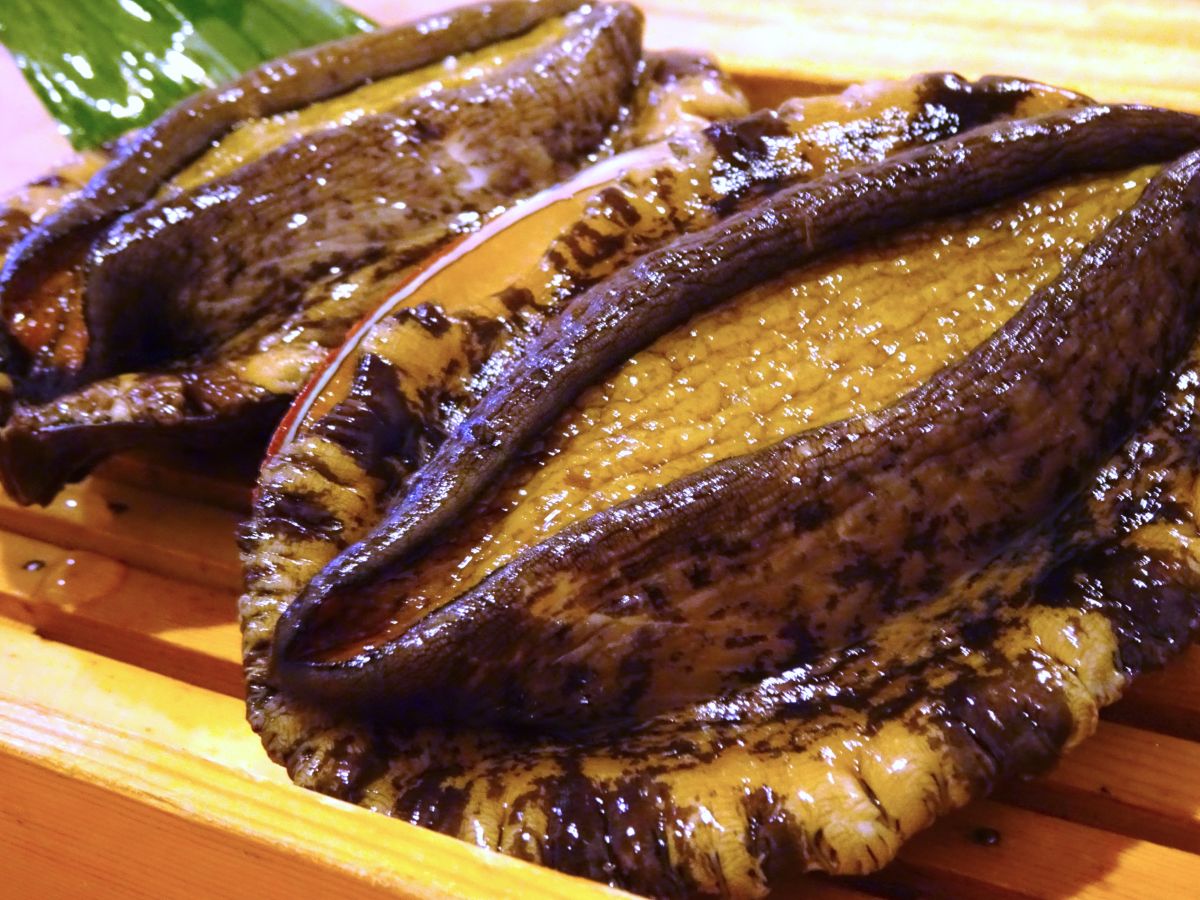
Kuro awabi is one of the most prized types of Japanese abalone. The word kuro means black, and this type often has a dark bluish-black shell and body.
It is known for its very firm texture and strong, clean flavor. Because of that tight, crunchy bite, kuro awabi is especially valued for sashimi and sushi. It has a deep ocean aroma, subtle sweetness, and a texture that feels powerful without being heavy.
If you see kuro awabi at a serious sushi counter, it is often being presented as a premium piece.
Ezo Awabi: Small, Sweet Abalone from Cold Northern Waters
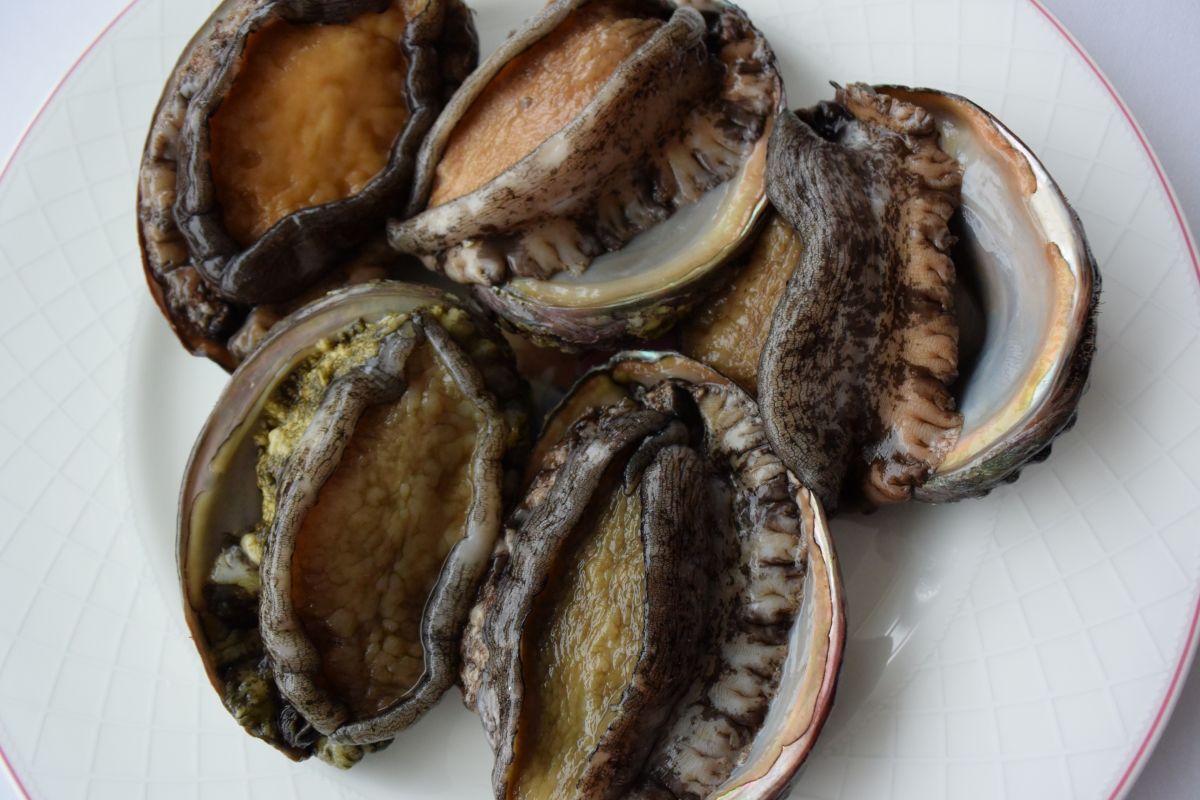
Ezo awabi is a northern type of awabi found in colder waters, especially around Hokkaido and the Sanriku coast of northeastern Japan. It is considered a close relative of kuro awabi.
Because it grows in cold water, ezo awabi develops slowly. That slow growth tends to make the meat dense and concentrated in flavor. It is often smaller than some other types, but its sweetness and umami can be impressive.
Ezo awabi works well raw, grilled, or cooked as a steak. In winter, especially around November and December, it is often considered to be at its best.
Megai Awabi: Softer and Great for Steaming or Simmering
Megai awabi usually has a reddish-brown tone and a broader, smoother shell compared with kuro awabi. Its texture is generally softer, which makes it especially good for cooked preparations.
Rather than being the top choice for a very crunchy raw bite, megai awabi shines in dishes like steamed awabi, simmered awabi, and sake-steamed awabi. Heat brings out its sweetness and makes the texture more tender.
If kuro awabi is the type you might want for a dramatic sashimi texture, megai awabi is the one you might want for a softer, more comforting cooked dish.
Madaka Awabi: Large, Thick, and Luxurious
Madaka awabi is one of the largest Japanese awabi types. It can grow very big, with a thick body and a shell that rises high compared with other varieties.
The meat is thick but also relatively tender, which makes madaka awabi highly valued in refined Japanese cooking. It is often used for simmered or steamed preparations where the chef wants a generous, luxurious piece of abalone.
Tokobushi vs Awabi: Are They the Same?
Tokobushi is often confused with awabi because it belongs to the same family and looks similar at first glance. However, it is not the same as the larger, premium awabi types usually served as luxury abalone.
One easy difference is size. Tokobushi is smaller, usually growing to around 12 centimeters at most. Another difference is the row of holes on the shell. Awabi usually has about four to five open breathing holes, and the holes are raised. Tokobushi tends to have more holes, often around six to eight, and they are flatter.
Tokobushi is delicious in its own right and is often enjoyed simmered, but it is generally treated differently from larger awabi in Japanese cuisine.
“`
How Awabi Is Prepared in Japanese Cuisine
“`
Live Awabi and the Importance of Freshness
Freshness matters a lot with awabi. In Japan, high-quality awabi is often kept alive until shortly before cooking. This is especially important if it will be served raw as sashimi or sushi.
A lively awabi reacts when touched. If the foot contracts strongly and the body feels firm, that is a good sign. A heavy shell with a plump body is also a sign of good quality. If it looks weak, loose, or unresponsive, the texture and flavor may already be declining.
This focus on live freshness can be surprising for visitors, but it is part of why awabi has such a special place in Japanese seafood culture.
Awabi Sashimi and Sushi
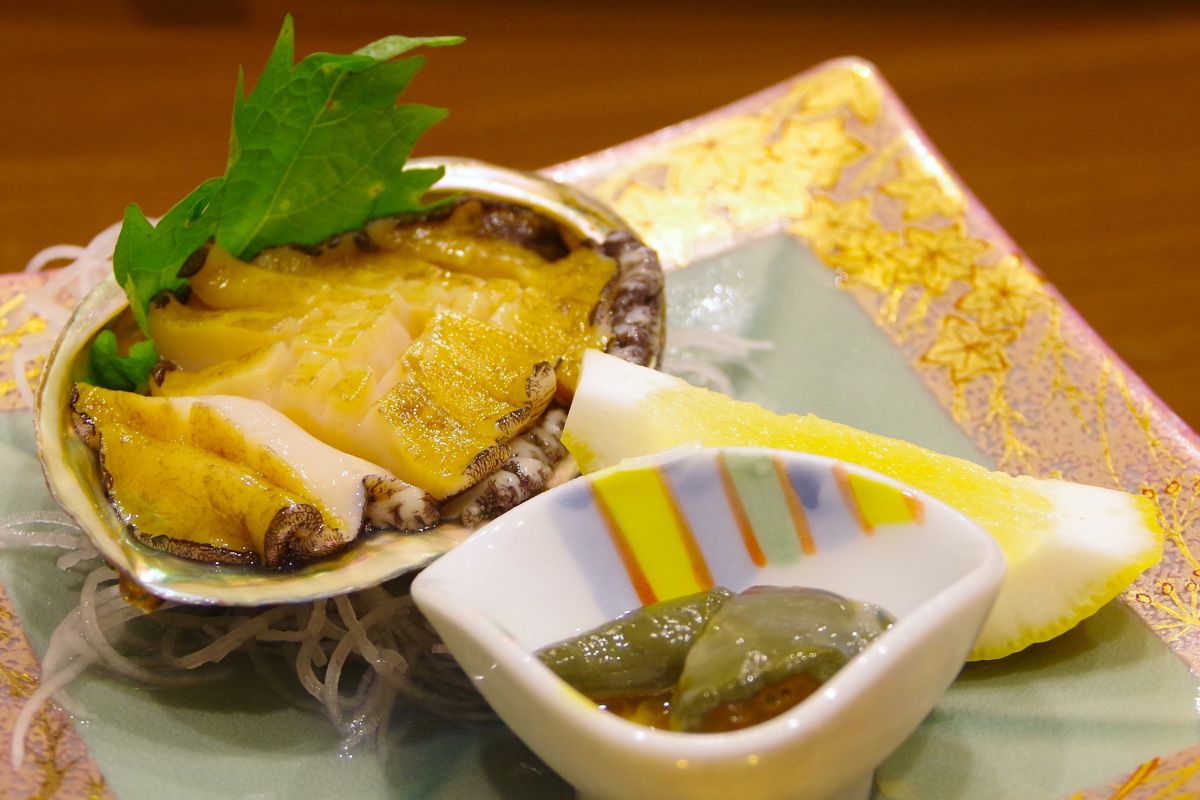
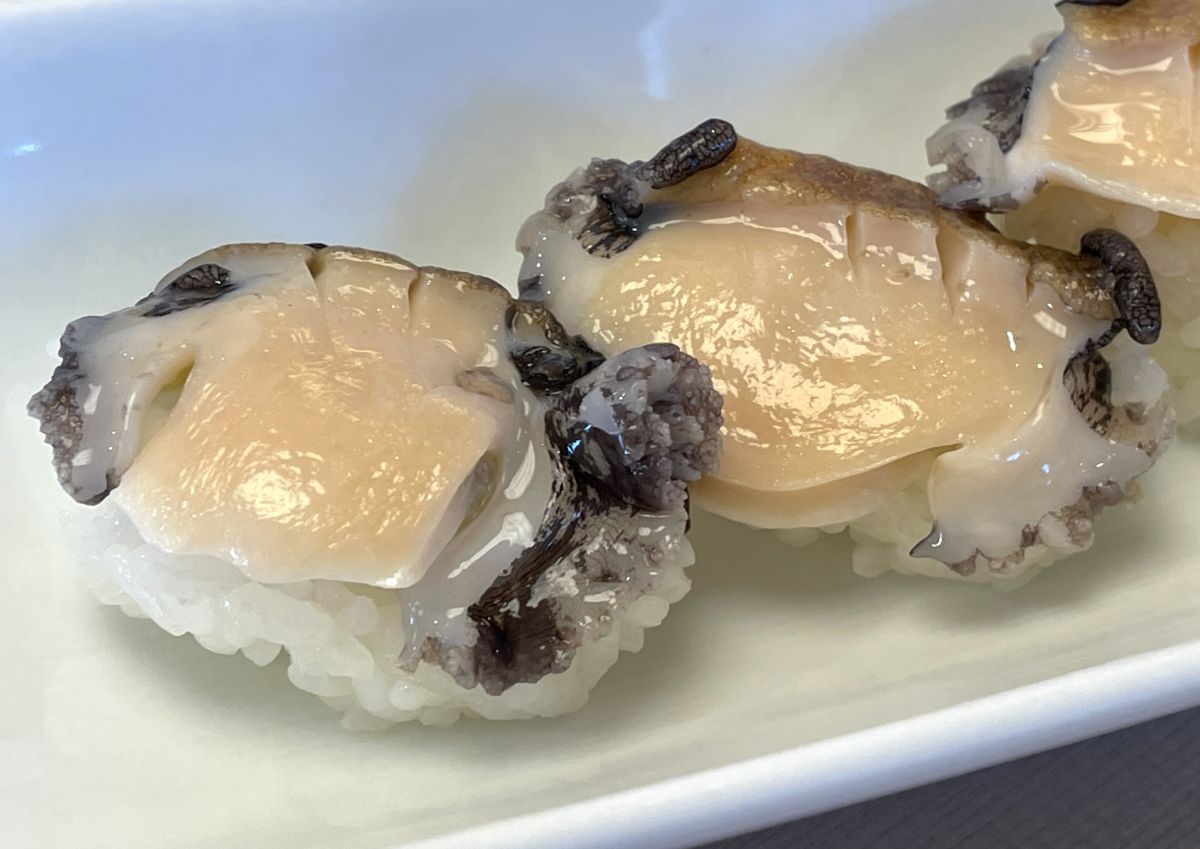
For sashimi and sushi, the awabi is cleaned carefully, removed from the shell, and trimmed. The mouth area is usually removed because it contains a hard part that is unpleasant to chew.
Because raw awabi is naturally firm, the cutting technique matters. Chefs may slice it thinly, make shallow cuts on the surface, or use a wave-like slicing motion to soften the bite. The goal is not to remove the texture completely, but to make it elegant and enjoyable.
When served as sushi, awabi can be paired with just a small amount of soy sauce, salt, citrus, or sometimes a sauce made from its liver. The flavor is subtle, so the best preparations usually avoid overpowering it.
Mushi-Awabi: Steamed Abalone
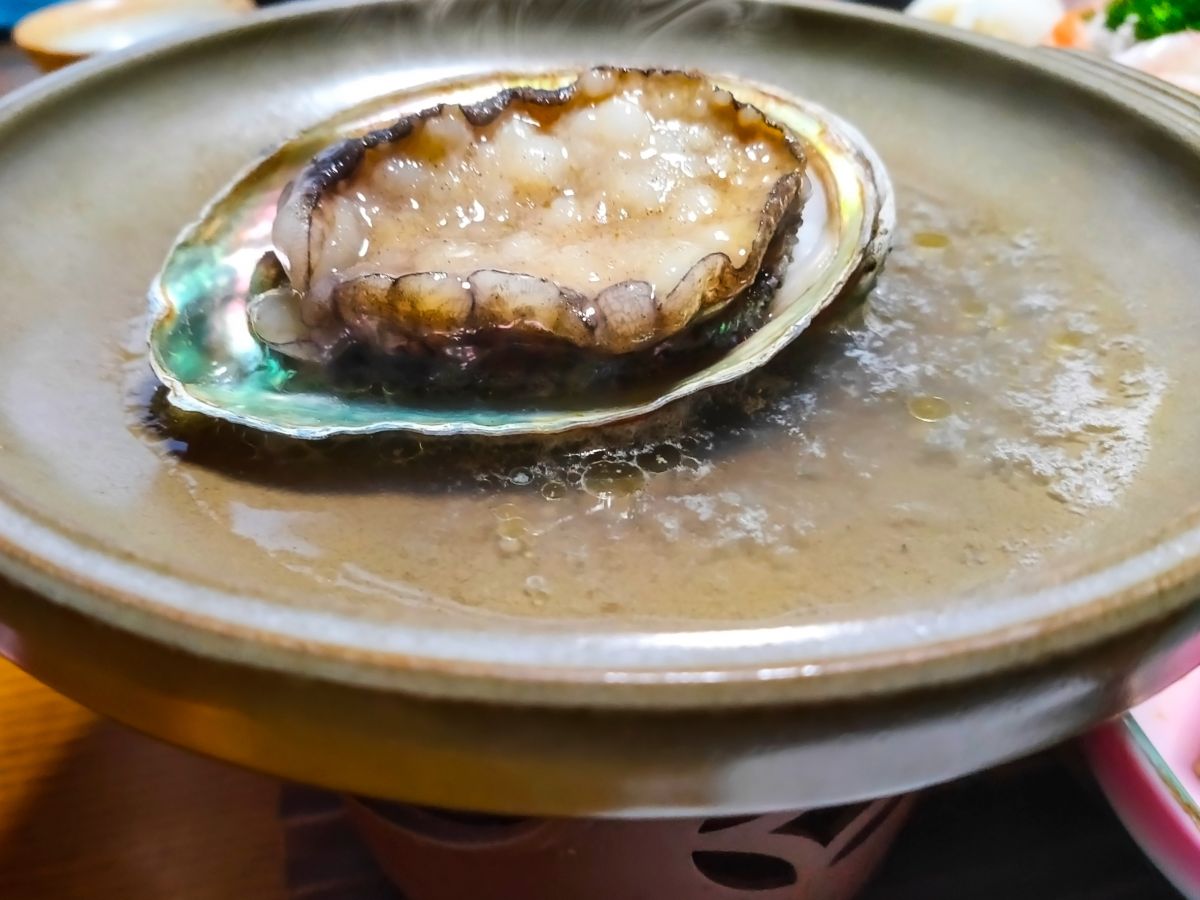
Mushi-awabi means steamed abalone. This is one of the classic ways to enjoy awabi in Japanese cuisine.
The awabi may be steamed with sake and water, allowing the shellfish to cook gently while keeping its ocean aroma. Depending on the chef’s goal, it can be steamed briefly to keep a springy bite, or handled more carefully to create a softer texture.
One traditional technique is to cover the awabi with grated daikon before steaming. Daikon contains natural enzymes that can help soften the protein fibers. The result can be surprisingly tender, even after the awabi cools.
Simmered Awabi and the Science of Tenderness
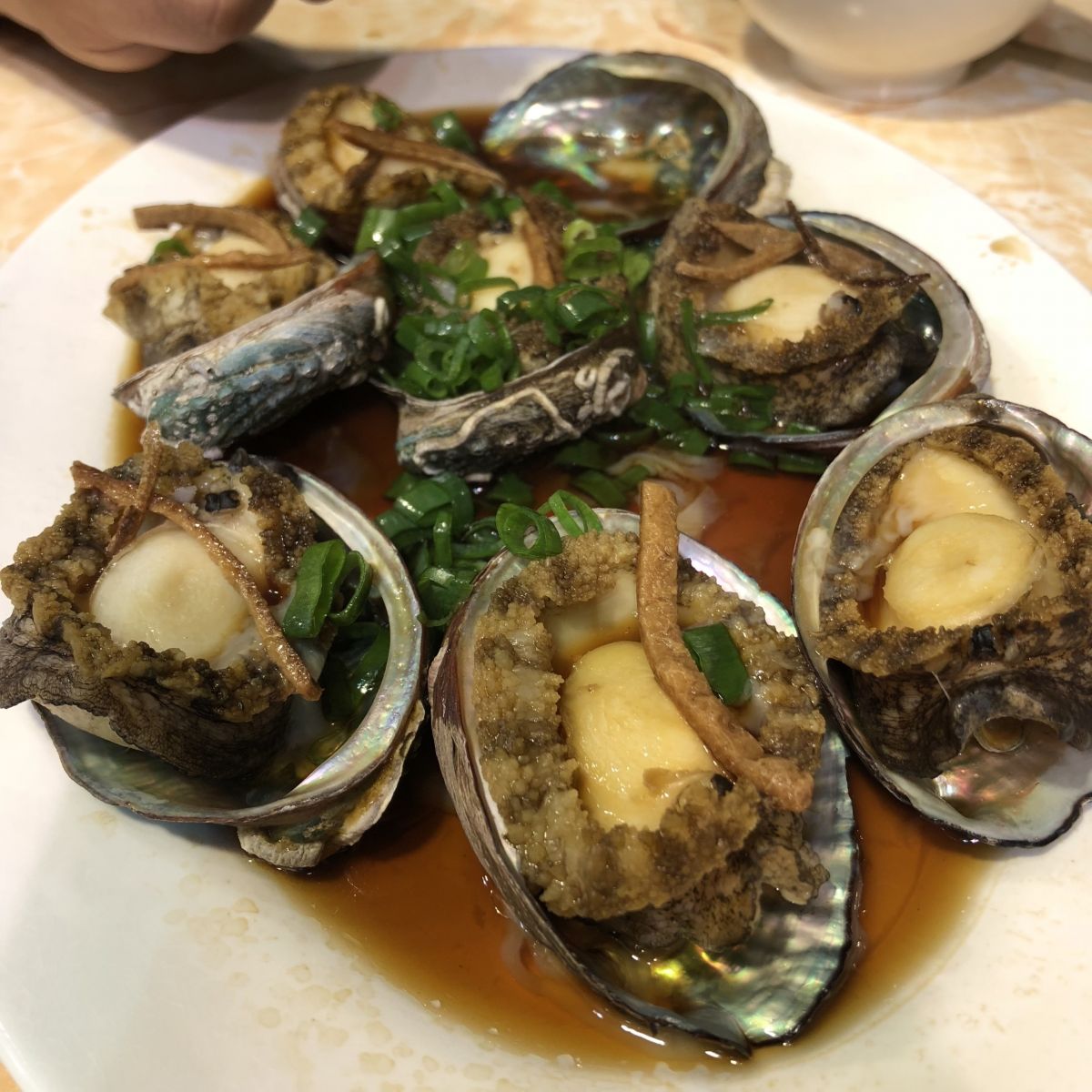
Simmered awabi is all about patience and timing. If awabi is heated only partway, it can become tough and rubbery. But if it is cooked gently for long enough, the connective tissue softens and the meat becomes tender.
That is why Japanese cooks often take one of two approaches: cook it briefly and carefully, or simmer it slowly for a long time. The awkward middle ground can be the problem. Too much heat for too short a time may tighten the meat without giving it enough time to soften.
A well-simmered awabi has a calm, luxurious texture. It is soft but still has structure, and the flavor becomes rounder and more mellow.
Awabi Steak with Butter and Soy Sauce
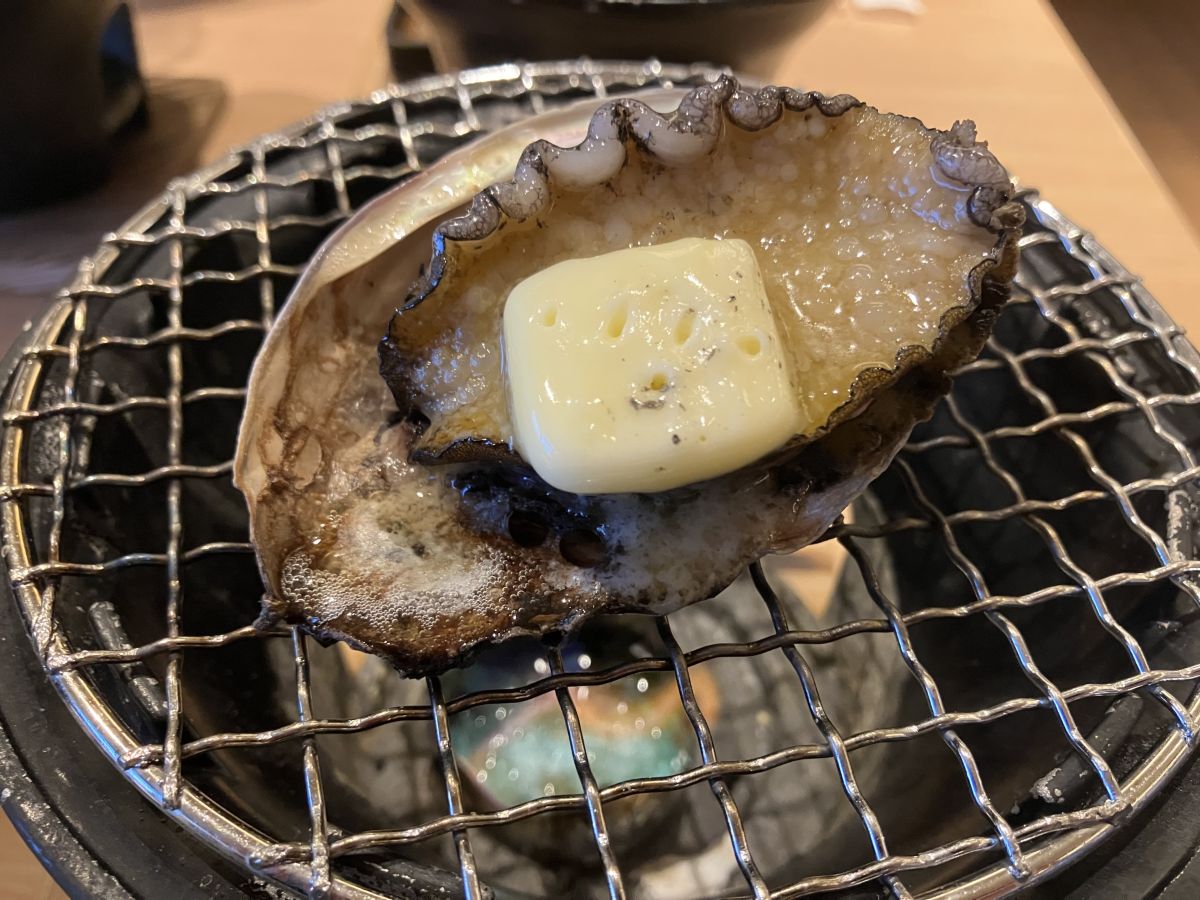
Awabi is not only for traditional sashimi or steamed dishes. It can also be cooked like a small seafood steak.
A popular style is to sauté awabi with butter, then finish it with soy sauce and sake. Some versions add the awabi liver to the sauce, creating a rich, savory, oceanic butter sauce. This is sometimes called a liver butter soy sauce style, and it makes full use of the shellfish’s natural depth.
The result is more aromatic and indulgent than raw awabi. You get the fragrance of browned butter and soy sauce, the slight chew of the abalone, and the deep umami of the liver sauce.
“`
Why Is Awabi So Expensive?
“`
Awabi Grows Slowly
One major reason awabi is expensive is that it grows slowly. In cold northern waters, ezo awabi may take several years to reach a small but marketable size. Slow growth means limited supply, especially for wild awabi.
Unlike some seafood that can be harvested quickly or in large quantities, awabi requires time, the right environment, and healthy coastal ecosystems. That alone makes it more valuable.
Wild Awabi Depends on Specific Coastal Environments
Good awabi needs rocky coastal areas and abundant seaweed. Places such as the Sanriku coast, Hokkaido, and parts of Chiba are known for high-quality awabi because of their water conditions, seaweed growth, and local coastal geography.
The flavor of awabi is closely connected to where it grows. Cold, clean waters and good seaweed can create a firmer texture and more concentrated flavor. Warmer coastal areas can produce different types with softer textures and larger bodies.
In that sense, awabi has something like seafood terroir. The sea itself shapes the ingredient.
Harvesting and Handling Require Care
Awabi clings strongly to rocks, which makes harvesting difficult. Traditional diving and coastal harvesting methods require skill and effort. Once harvested, awabi also needs careful handling, especially if it is sold live.
Temperature control is important. Live awabi does best in a cool environment, around 5 degrees Celsius. If handled poorly, the quality drops quickly. This careful distribution adds to the cost.
Sustainability, Overfishing, and Aquaculture
Because wild abalone is valuable, sustainability is an important issue. In many parts of the world, abalone has faced pressure from overfishing, illegal harvesting, and habitat changes.
Aquaculture, or farmed abalone, helps provide a more stable supply. It can also reduce pressure on wild populations when managed responsibly. For people who love awabi, this matters. The ingredient is special partly because it comes from the sea, and that sea needs to remain healthy.
When ordering awabi, it is worth paying attention to trusted restaurants, reliable suppliers, and clear sourcing. Enjoying luxury seafood responsibly is part of appreciating it fully.
“`
Is Awabi Safe to Eat?
“`
Freshness and Proper Handling Are Essential
Awabi is generally safe to eat when it is fresh and properly handled. As with other seafood, the main concern is freshness, especially if it will be eaten raw.
Live awabi should be kept cool, not exposed to sudden temperature changes, and prepared as soon as possible. If storing it briefly at home, a cool part of the refrigerator is better than a warm room. If freezing is needed, it is better to clean and prepare the awabi first rather than freezing it alive in a careless way.
A Seasonal Caution About the Liver
The liver, or internal organ area, is considered delicious by many people, but there is one seasonal caution. In spring, especially around February to May, the internal organs of awabi can rarely contain a substance related to seaweed pigments that may cause light sensitivity if eaten in large amounts.
This is not something most diners need to panic about, but it is one reason knowledgeable cooks are careful with awabi liver, especially in spring. Very dark green or blackish liver may be avoided, and eating large amounts of raw internal organs is not a good idea.
For most people, awabi served by a reliable restaurant is a safe and memorable experience. The key is proper sourcing, freshness, and preparation.
“`