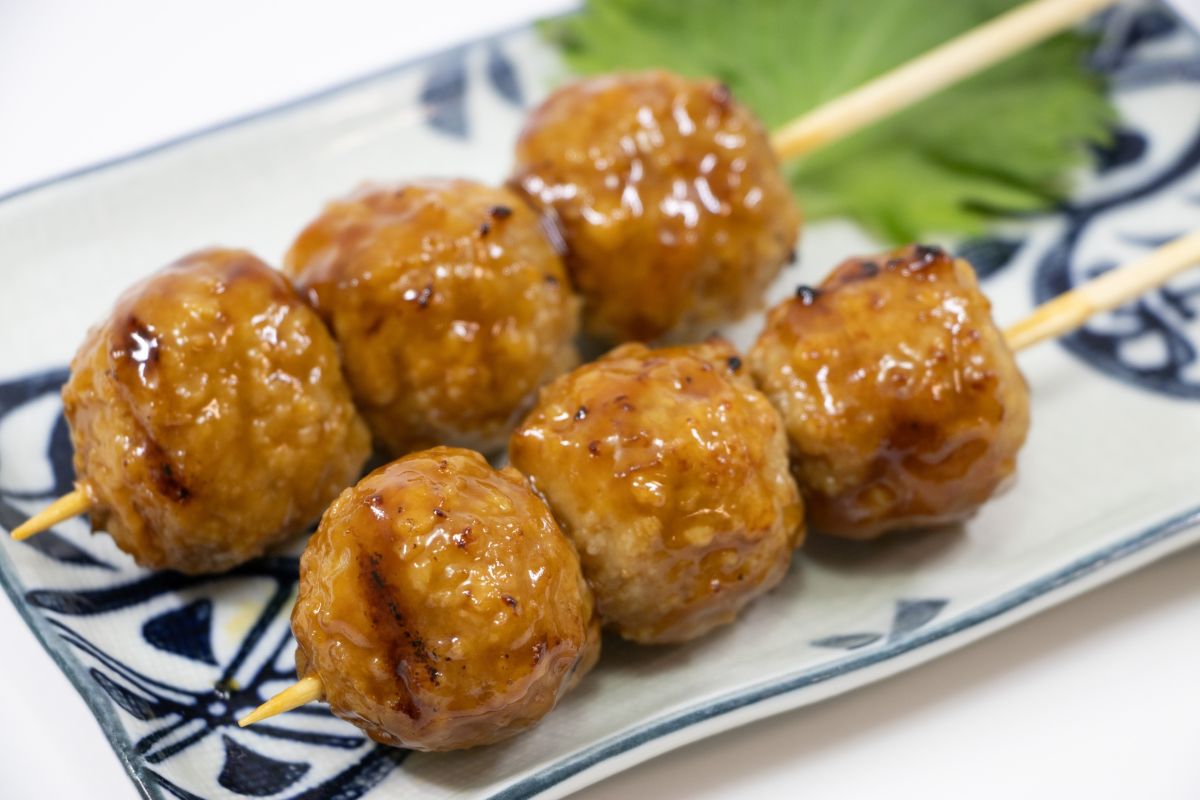
Tsukune is one of those izakaya dishes that feels simple at first: ground chicken, shaped by hand, grilled or pan-fried, and brushed with a sweet-savory sauce. But once you taste a good one, you realize it is not just a regular meatball. It is lighter, springier, more aromatic, and often served with a rich egg yolk dip that makes the whole thing feel extra special.
What Is Tsukune?
“`
Tsukune is often described in English as Japanese chicken meatballs. That is a useful starting point, especially if you are searching for a recipe, but it does not tell the whole story.
In Japan, tsukune usually means a mixture of ground meat, most often chicken, that is seasoned, kneaded, shaped, and cooked. You might see it as round meatballs, oval patties, or skewered yakitori-style pieces glazed with tare sauce.
The version many people remember from Japanese restaurants is yakitori tsukune: juicy chicken meatballs on skewers, grilled until lightly charred, coated in a glossy sweet-soy sauce, and sometimes served with a raw egg yolk on the side.
Tsukune Meaning
The word tsukune comes from the Japanese idea of kneading and shaping ingredients by hand. In other words, the name is connected to the action of mixing ground ingredients together and forming them into a specific shape before cooking.
This is important because tsukune is not defined only by chicken. Chicken tsukune is the most common and familiar version, especially in yakitori restaurants, but the heart of the dish is the method: finely chopped or ground ingredients are seasoned, kneaded until they hold together, shaped, and then cooked.
That shaping step is what gives tsukune its identity. It can be grilled, simmered, pan-fried, or even added to hot pot, but it is usually formed before it goes into the heat.
Tsukune vs Tsumire
If you have also seen the word tsumire, the difference can be a little confusing. A common explanation is that tsukune is made from chicken and tsumire is made from fish, but that is not completely accurate.
The clearer difference is the cooking method.
Tsukune is shaped first, then cooked. The mixture may be formed into balls, patties, or skewers.
Tsumire is usually scooped, pinched, or dropped directly into soup or hot broth without being carefully shaped first. The word is connected to the idea of pinching off the mixture and adding it straight into the pot.
So yes, tsumire is often made with fish paste, and tsukune is often made with chicken, but the real difference is not just the ingredient. It is whether the mixture is shaped before cooking or dropped directly into liquid as it cooks.
Tsukune vs Western Meatballs
Tsukune may look like a meatball, but it feels quite different from many Western-style meatballs.
Western meatballs are often made with beef, pork, breadcrumbs, milk, cheese, or herbs. They can be hearty, dense, and rich, especially when served with tomato sauce, gravy, or pasta.
Tsukune is usually lighter. It often uses ground chicken, a small amount of binder, and Japanese seasonings such as soy sauce, sake, ginger, and scallion. Instead of relying heavily on breadcrumbs or milk, good tsukune gets its texture from careful kneading, salt, and the natural binding power of the meat.
The flavor is also built differently. With tsukune, the outside matters a lot. A glossy tare sauce clings to the surface, giving each bite a sweet, salty, savory finish. That sauce is a big reason tsukune tastes so much like izakaya food rather than a standard chicken meatball.
“`
Why Tsukune Tastes Different from Regular Meatballs
“`
The best tsukune has a texture that is hard to describe until you have eaten it: soft but not mushy, juicy but not loose, and a little bouncy without being rubbery. That balance is the whole charm.
The secret is not one magic ingredient. It comes from the way the chicken is mixed, the amount of salt, the use of egg and starch, and how gently it is cooked.
The Bouncy Yet Fluffy Texture
One of the biggest differences between tsukune and regular meatballs is the way the meat mixture is kneaded.
Salt is not just there to season the chicken. When ground chicken is mixed with salt first, the proteins in the meat become sticky and start binding together. This creates the structure that helps tsukune hold its shape while staying juicy inside.
This is why many good tsukune recipes start by mixing only the ground chicken and salt before adding anything else. Once the chicken becomes sticky, the mixture can hold moisture, fat, egg, and seasonings much better.
Egg helps make the texture softer and more tender. Potato starch helps trap moisture, so the tsukune does not dry out too quickly. Together, they create that familiar fluffy-but-springy bite.
The Basic Golden Ratio for Homemade Tsukune
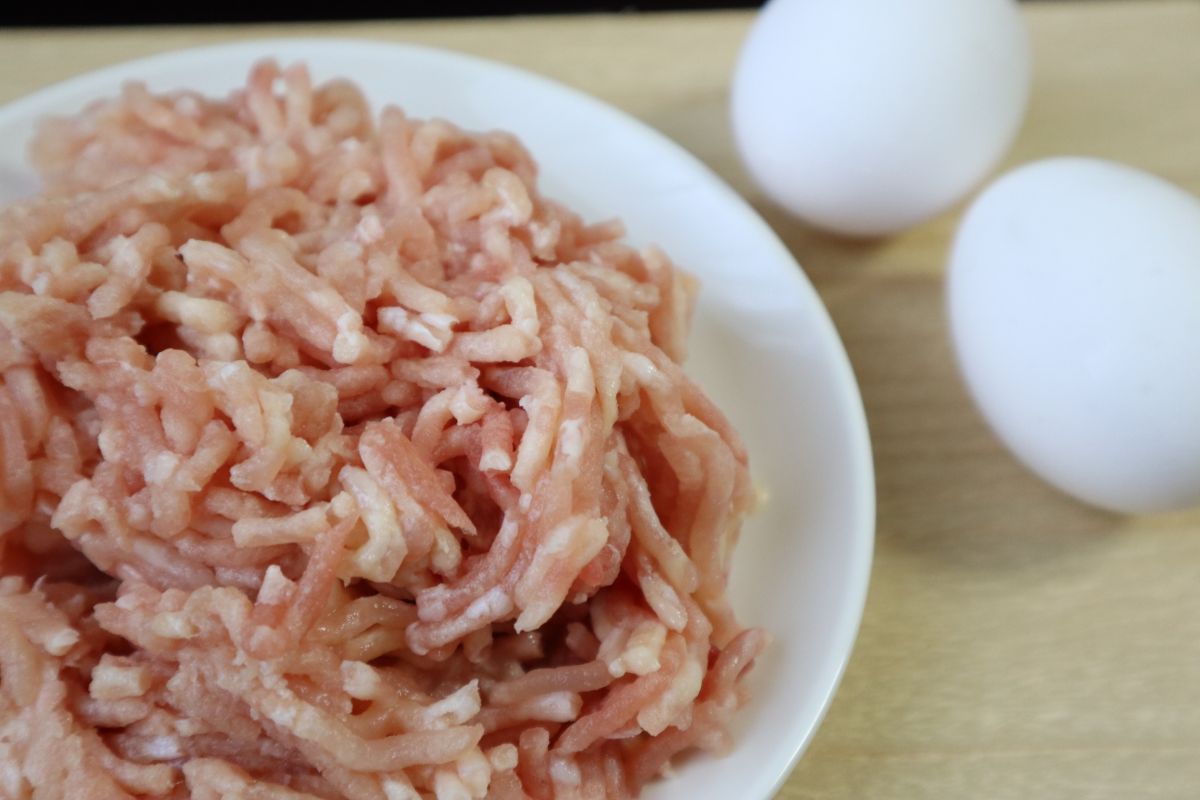
For a reliable homemade version, it helps to think in ratios rather than guessing. A good basic balance is:
- Ground chicken: 100
- Egg: 10
- Potato starch: 5
- Salt: 1 to 1.2
For example, if you are using 300 g of ground chicken, the basic mixture would look like this:
- Ground chicken: 300 g
- Salt: about 3 g
- Egg: about 30 g, or roughly half a large egg
- Potato starch: 15 g
- Sake, soy sauce, or other liquid seasoning: about 15 g total
- Grated ginger: 5 to 10 g
- Chopped scallion or Japanese negi: to taste
This kind of ratio keeps the tsukune from becoming too heavy. Too much starch can make it dense. Too much liquid can make it fall apart. Too little salt can make it taste flat and weaken the texture.
Chicken Breast vs Chicken Thigh
One common question is whether tsukune should be made with chicken breast or chicken thigh.
Chicken breast makes tsukune leaner and lighter. It is a good choice if you want a high-protein, lower-fat version. The downside is that breast meat can dry out more easily, especially if it is overcooked.
Chicken thigh gives tsukune more fat, more juiciness, and a deeper chicken flavor. It is closer to what many people expect from restaurant-style tsukune.
For home cooking, a mix of both is often the easiest choice. A 50 percent breast and 50 percent thigh blend gives a nice balance of lightness and juiciness. If you want a leaner version, try 70 percent breast and 30 percent thigh, then use egg, starch, or tofu to help keep the texture moist.
“`
How to Make Tsukune at Home
“`
You do not need a charcoal grill to make good tsukune at home. A grill gives the most classic flavor, but a frying pan, oven, or air fryer can still make a very satisfying version if the mixture and sauce are handled well.
Ingredients
Here is a simple base for homemade chicken tsukune:
- Ground chicken
- Salt
- Egg
- Potato starch
- Sake
- Soy sauce
- Grated ginger
- Chopped scallion or Japanese negi
- Optional: tofu, shiso, grated onion, or chopped chicken cartilage
The basic version is already good with just chicken, salt, egg, starch, ginger, and scallion. Once you get comfortable with the texture, you can add extras like tofu for softness or nankotsu for crunch.
Step 1: Knead the Chicken with Salt First
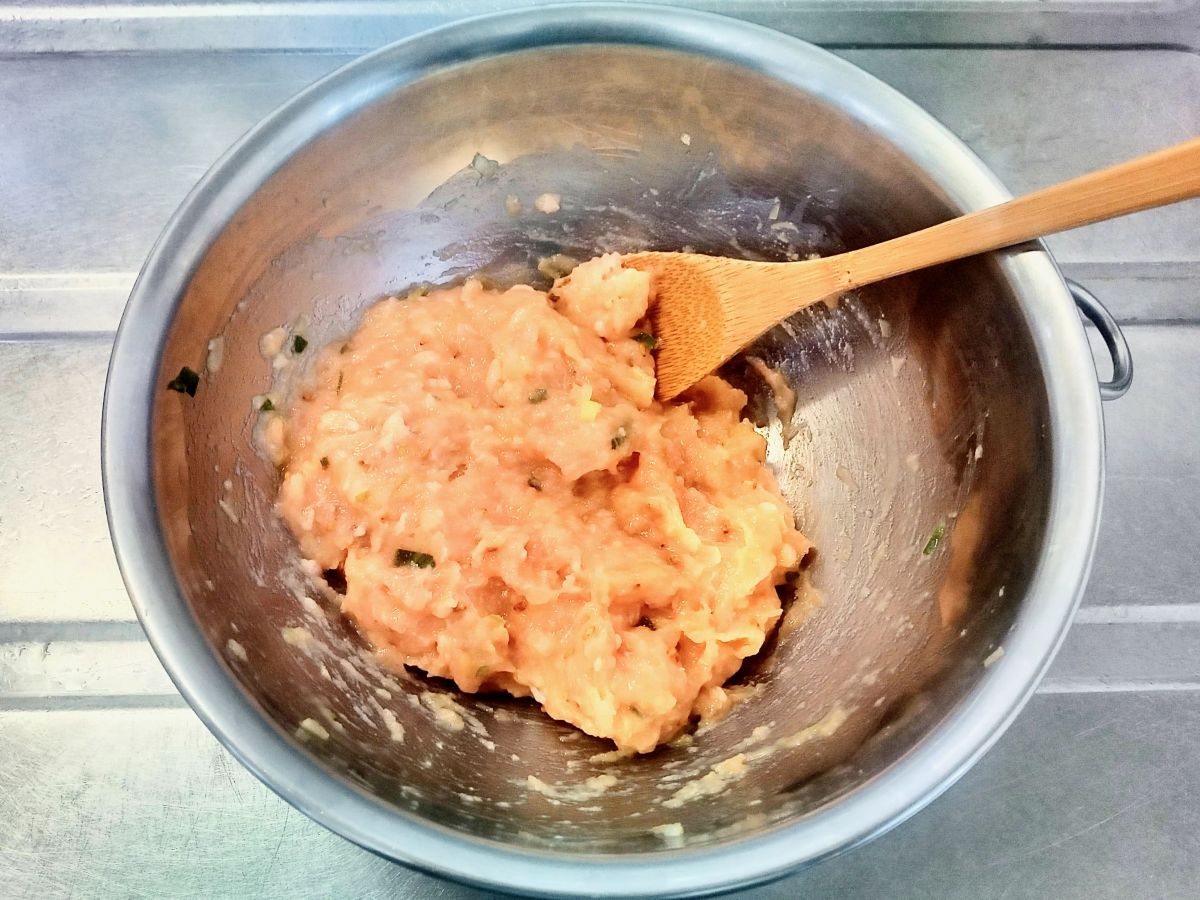
Start by placing the ground chicken and salt in a bowl. Mix and knead them together for about 1 to 2 minutes, until the chicken becomes sticky.
This step matters more than it looks. If you add egg, sake, soy sauce, tofu, or vegetables too early, the mixture may become loose before the meat has a chance to bind properly.
When the chicken looks tacky and slightly glossy, it is ready for the next step.
Step 2: Add Egg, Starch, Seasonings, and Aromatics
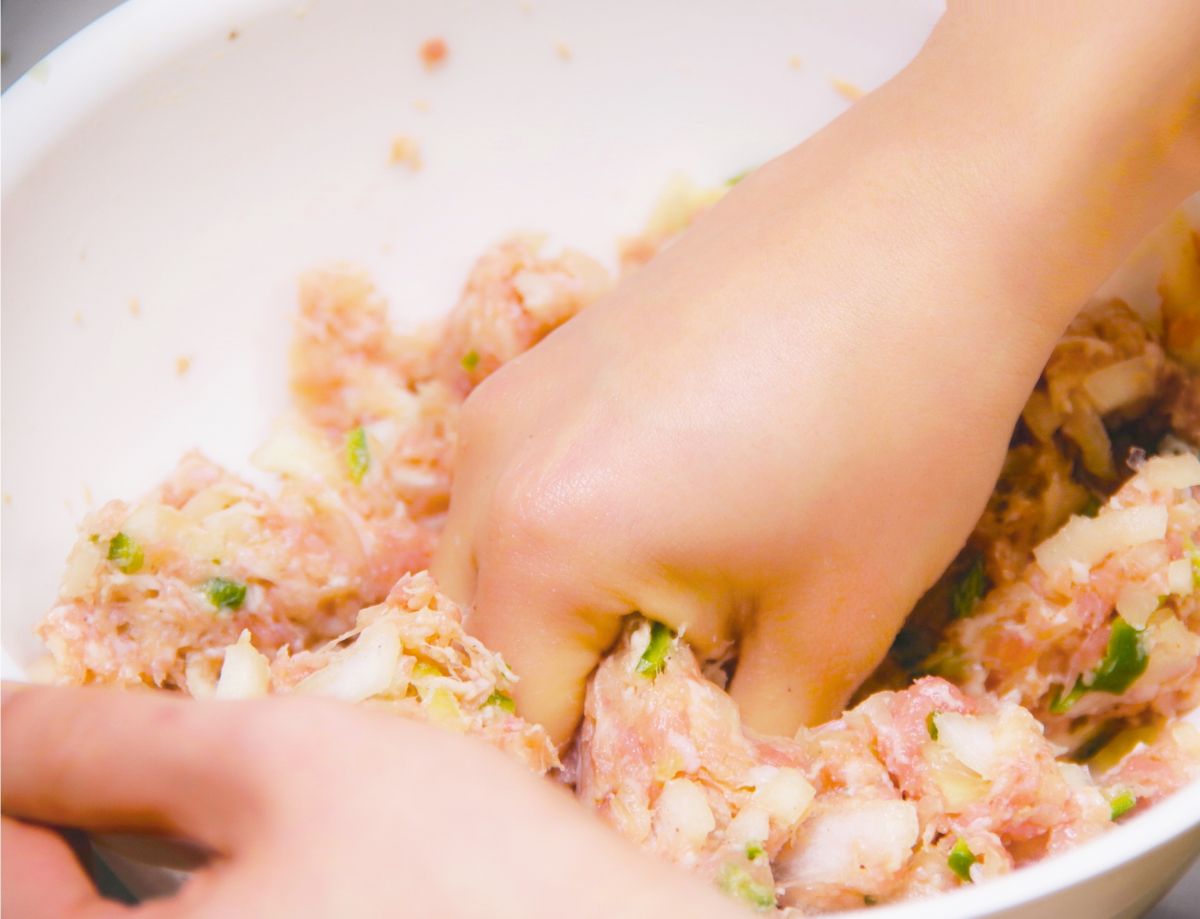
After the chicken and salt are well mixed, add the egg, potato starch, sake, soy sauce, grated ginger, and chopped scallion.
Mix until everything is evenly combined and the surface looks smooth and glossy. The mixture should be soft, but it should still hold together. If it feels too loose, chill it in the refrigerator for a short time before shaping.
If you are adding tofu, add it after the chicken has already been kneaded with salt. For 300 g of ground chicken, about 60 to 90 g of tofu is a good range. Too much tofu can make the mixture fragile.
Step 3: Shape the Tsukune
Tsukune can be shaped in several ways depending on how you want to cook it.
- Small balls: easy to pan-fry or simmer
- Oval patties: great for a frying pan
- Skewered pieces: closest to yakitori-style tsukune
- Spoon-shaped pieces: useful for hot pot or soup
If the mixture sticks to your hands, lightly wet your hands with water or a little oil before shaping. This makes the process much easier and helps create a smoother surface.
“`
Cooking Methods: Grill, Pan-Fry, Oven, or Air Fryer
“`
Tsukune is flexible. The traditional yakitori version is grilled, but that does not mean you need restaurant equipment to enjoy it at home.
Charcoal Grill: The Izakaya-Style Method
Charcoal grilling gives tsukune the most authentic izakaya-style aroma. The outside gets lightly smoky, the tare sauce caramelizes, and the edges pick up a bit of char.
If you are using skewers, shape the mixture around the skewers or form small oval pieces and skewer them carefully. Grill until the outside is browned and the inside is cooked through, then brush with tare sauce near the end.
The key is not to add the sauce too early. Tare contains sugar, so it can burn if it sits over strong heat for too long.
Pan-Fry Method for Home Kitchens
Pan-frying is the easiest method for most home kitchens. Shape the tsukune into small patties or balls, then cook them in a lightly oiled pan over medium heat.
Brown the outside first, then lower the heat slightly and cook until the center is done. Once the tsukune is cooked through, add the tare sauce and let it bubble gently until it turns glossy and coats the surface.
This method gives you a nice browned crust without needing a grill. It is also the most forgiving if you are making tsukune for the first time.
Oven Method
The oven is useful when you want to make a larger batch. Shape the tsukune and place them on a lined baking tray. Bake until cooked through, then brush with tare sauce.
For more color, you can finish them briefly under the broiler. Keep an eye on them because the sugar in the sauce can go from glossy to burnt very quickly.
Air Fryer Method
An air fryer can also work well, especially if you like a lightly browned surface without much oil.
Shape the tsukune into small balls or patties and cook until the outside is set and the inside is cooked through. Brush with tare sauce near the end of cooking, not at the beginning, so the sauce does not burn before the chicken is ready.
“`
How to Make Authentic Yakitori Tare Sauce
“`
Tare sauce is one of the biggest reasons tsukune tastes so memorable. It is sweet, salty, glossy, and savory, with a flavor that feels different from bottled teriyaki sauce.
Tare Sauce Golden Ratio
A simple and reliable yakitori-style tare ratio is:
- Soy sauce: 2
- Mirin: 2
- Sake: 2
- Sugar: 1
For a small batch, use:
- Soy sauce: 2 tablespoons
- Mirin: 2 tablespoons
- Sake: 2 tablespoons
- Sugar: 1 tablespoon
Add everything to a small pan and simmer gently until the sugar dissolves and the sauce becomes slightly thicker. It should still be pourable, not sticky like candy.
Tare vs Teriyaki Sauce
Outside Japan, many people know teriyaki sauce first, so it is natural to compare it with tare.
Tare is the sauce commonly used for yakitori. It is brushed onto grilled skewers and cooked just enough to create a glossy, savory coating.
Teriyaki sauce is a broader term overseas and is often thicker, sweeter, or adapted for many kinds of dishes. Some bottled versions can taste much heavier than the sauce used for yakitori.
For tsukune, the sauce should support the chicken rather than bury it. A good tare is sweet and salty, but it should still let the aroma of the grilled or pan-fried chicken come through.
Why the Sauce Becomes Glossy and Savory
When tare sauce is heated on the surface of tsukune, the sugar and amino acids from the soy sauce react with heat. This creates browning, aroma, and a deeper savory flavor.
That is why the timing matters. If you add tare too early, it can burn before the chicken is fully cooked. If you add it near the end, it thickens into a shiny glaze and clings beautifully to the tsukune.
“`
Tsukimi Tsukune: Why Is It Served with Raw Egg Yolk?
“`
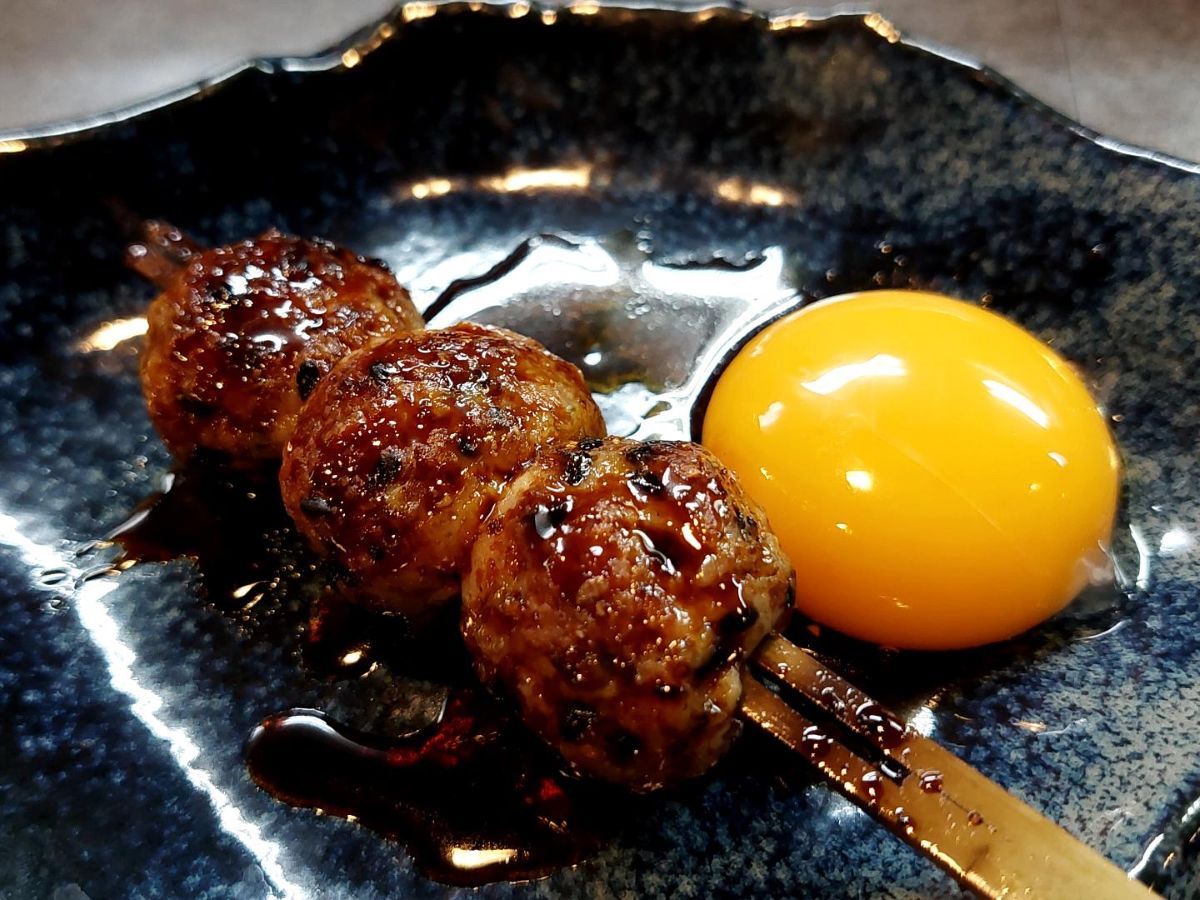
One of the most eye-catching ways to serve tsukune is with a raw egg yolk on the side. This is often called tsukimi tsukune.
What Is Tsukimi Tsukune?
Tsukimi means “moon-viewing” in Japanese. In food, it often refers to a dish served with an egg, especially a round, golden yolk that looks like the full moon.
With tsukimi tsukune, the cooked chicken meatball is dipped into egg yolk before eating. The yolk coats the tare-glazed tsukune and makes each bite richer and smoother.
Why Egg Yolk Works So Well
Tare sauce is sweet, salty, and intense. Egg yolk is rich, creamy, and mellow. When they come together, the yolk softens the sharp edges of the sauce and adds a silky coating.
That contrast is the whole point. The tsukune gives you savory chicken flavor and springy texture. The tare gives you sweetness and depth. The egg yolk adds richness, almost like a simple sauce made right at the table.
Is It Safe to Eat Raw Egg Yolk?
In Japan, raw eggs are commonly eaten, but egg safety standards, handling, and distribution can differ by country. If you are outside Japan and want to eat tsukune with raw egg yolk, it is safest to use pasteurized eggs.
People who are pregnant, elderly, very young, or immunocompromised should avoid raw egg. If you are unsure, use a soft-cooked egg yolk or a jammy egg instead. You still get the creamy richness without the same concern.
Tsukimi tsukune is delicious, but it should be enjoyed in a way that makes sense for where you live and who is eating it.
“`