Sunagimo is a common item on Japanese yakitori menus, but if you are seeing the word for the first time, it can be a little confusing. In simple terms, sunagimo means chicken gizzard: a firm, lean, crunchy part of the chicken that is especially popular in Japan as grilled skewers, fried snacks, and small izakaya dishes.
What Is Sunagimo?
Sunagimo is the Japanese word for chicken gizzard. In Japanese, it is written as 砂肝. In some parts of Japan, especially in western Japan, people may also call it sunazuri. The name is different, but the part of the chicken is the same.
If you are used to chicken breast, thighs, wings, or drumsticks, sunagimo might sound unusual at first. It is not a regular muscle cut like thigh meat. It comes from the chicken’s digestive system, specifically the gizzard, which is a strong muscular part of the stomach.
Sunagimo Means Chicken Gizzard
The easiest translation of sunagimo is chicken gizzard. A gizzard is a powerful muscle that helps birds grind food.
Chickens do not have teeth, so they cannot chew food the way humans do. Instead, they swallow small bits of grit or stones, and the gizzard uses strong muscular movement to crush and grind food inside the body.
That is why sunagimo has such a firm bite. It is a hard-working muscle, and you can really feel that when you eat it.
Is Sunagimo Organ Meat?
Yes, sunagimo is technically organ meat, or offal. But it does not taste like what many English-speaking diners might imagine when they hear “organ meat.”
It is very different from chicken liver. Liver is soft, rich, and has a stronger flavor. Sunagimo is leaner, cleaner-tasting, and much more about texture than richness.
For that reason, sunagimo can be a surprisingly easy first step into Japanese chicken offal. It may sound adventurous, but in Japan it is a very normal and familiar food, especially at yakitori restaurants and izakaya.
Does Sunagimo Contain Sand?
The Japanese name can be a little misleading. The word suna means “sand,” and gimo refers to an organ or liver-like part in everyday food language. But the sunagimo served at restaurants or sold in supermarkets does not contain sand.
Before it reaches the kitchen, the inside is cleaned. The crunchy feeling does not come from actual sand or grit. It comes from the naturally firm muscle structure of the gizzard.
What Does Sunagimo Taste Like?
Sunagimo has a mild flavor. It is not strongly gamey, and it does not have the heavy organ-meat taste that some people expect. The flavor is closer to a clean, light chicken taste with a small mineral note.
Some people describe the taste as having a slight hint of iron, but it is usually subtle. Most of the character of sunagimo comes from the texture rather than the flavor itself.
The Texture Is the Main Attraction
The most memorable thing about sunagimo is the texture. In Japanese, people often describe it as korikori. This means a firm, pleasantly crunchy, chewy texture.
In English, the closest words are:
- Crunchy
- Chewy
- Firm
- Springy
- Bouncy
It is not crunchy like fried chicken skin or potato chips. It is more like a firm bite that pushes back a little when you chew. If you enjoy calamari, octopus, or other chewy seafood textures, sunagimo may feel familiar in a fun way.
Is Sunagimo Gamey?
Sunagimo is usually not very gamey. Compared with liver or some other organ meats, it has a cleaner and milder taste.
This is one reason many people find it easier to try than they expected. If it is cleaned well and cooked properly, sunagimo does not have a strong smell or overwhelming flavor.
What Seasonings Go Well with Sunagimo?
Because the flavor is mild, sunagimo works well with simple seasonings. The most common choice is salt, especially for yakitori.
It also goes well with:
- Lemon
- Black pepper
- Garlic
- Sesame oil
- Ponzu
- Green onion
- Yuzu kosho
- Shichimi pepper
For a first try, salted sunagimo with a squeeze of lemon is probably the best starting point.
How Is Sunagimo Usually Eaten in Japan?
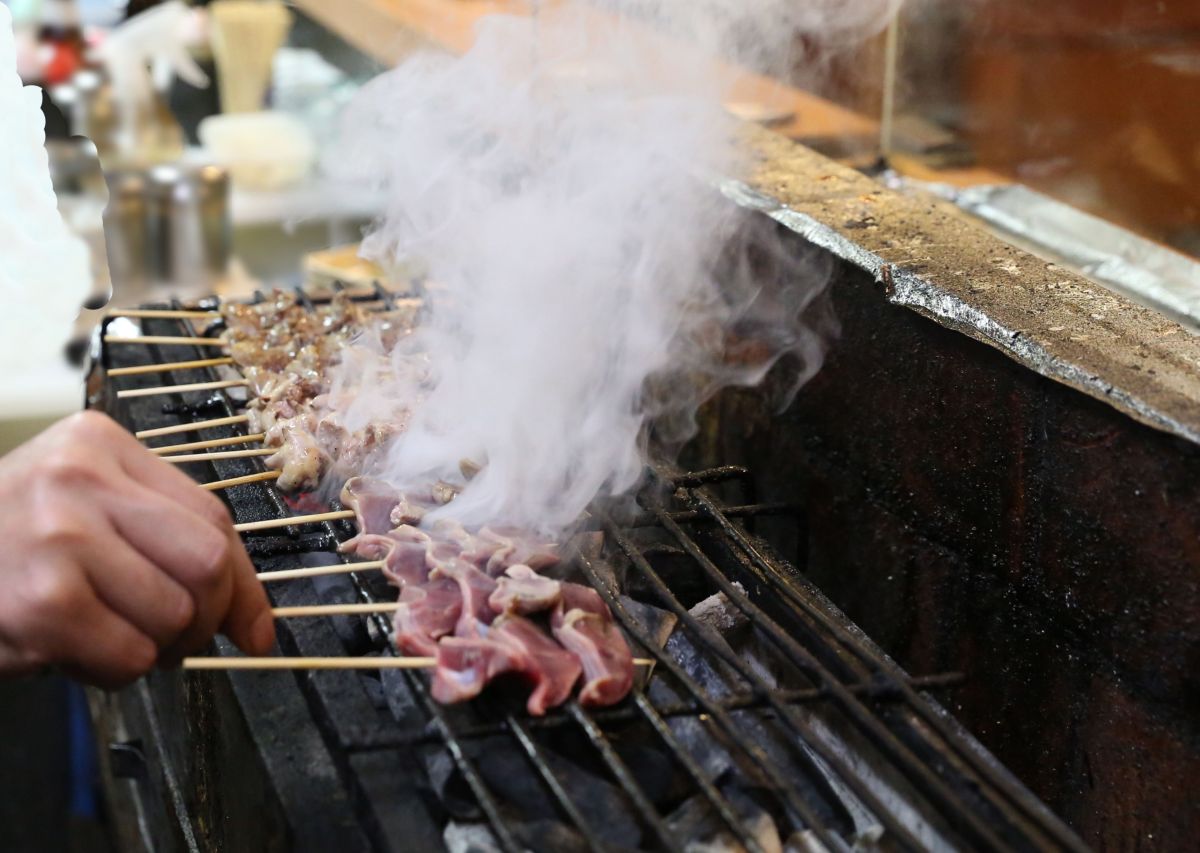
In Japan, sunagimo is best known as a yakitori ingredient. It is also used in fried dishes, stir-fries, ponzu-based side dishes, and simple home-cooking recipes.
Since the meat itself is lean and mild, it can work with both simple and bold flavors. Still, many people prefer to keep it simple so the texture stands out.
Sunagimo Yakitori
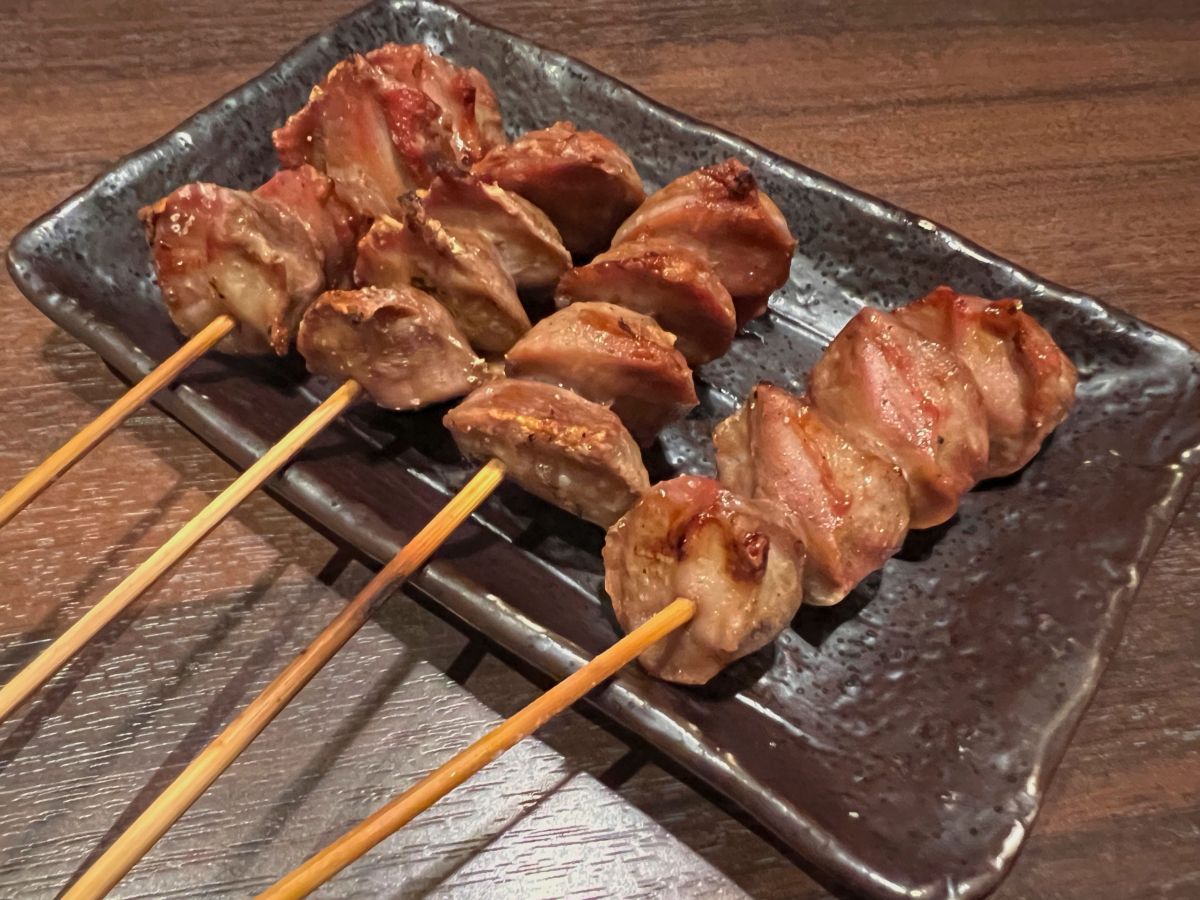
The classic way to eat sunagimo is as sunagimo yakitori. The gizzards are cut, skewered, seasoned, and grilled over high heat.
At many yakitori restaurants, sunagimo is especially popular with shio, meaning salt. A sweet soy-based tare sauce can be tasty too, but salt is often the better choice if you want to enjoy the clean flavor and crunchy texture.
When grilled well, the outside becomes lightly browned and fragrant, while the inside stays firm and satisfyingly chewy. A squeeze of lemon at the end makes it brighter and easier to eat.
Sunagimo Karaage
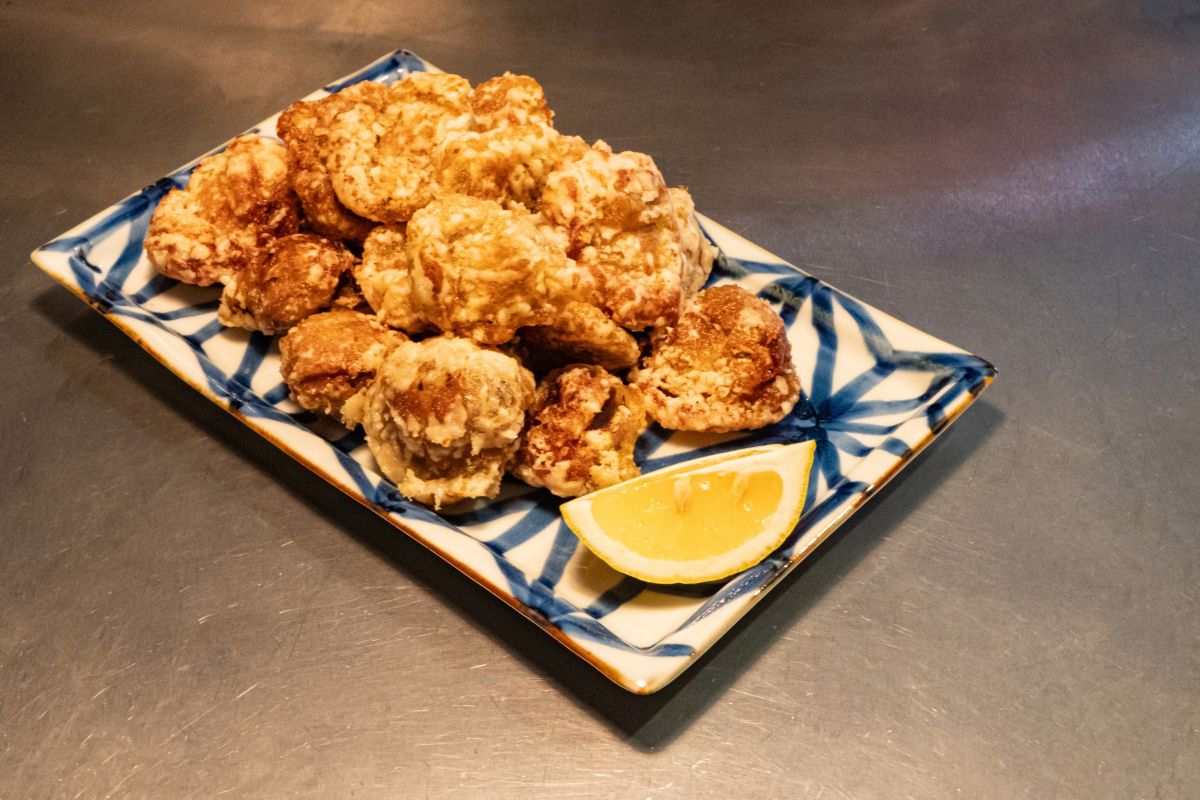
Sunagimo karaage is another popular way to enjoy it. The gizzards are seasoned, coated, and fried until crisp on the outside.
This version is great if you like snacks with a strong texture. The outside becomes crunchy, while the inside keeps that classic firm bite. Garlic, soy sauce, curry powder, and black pepper all work well with this style.
Sunagimo with Ponzu
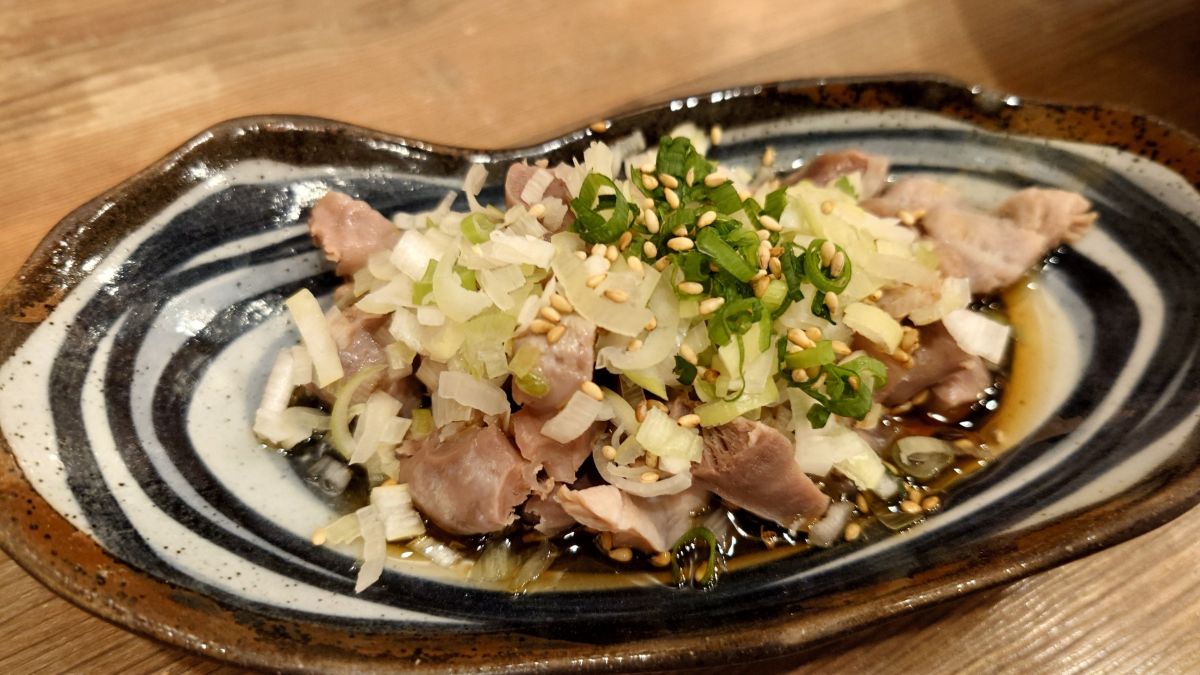
For something lighter, sunagimo can be boiled, sliced thinly, and served with ponzu, a citrusy soy-based sauce.
This style is refreshing and less oily than grilled or fried versions. It is often paired with grated daikon radish, green onion, or kaiware sprouts. The result is clean, tangy, and easy to enjoy as a small side dish.
Other Popular Sunagimo Dishes
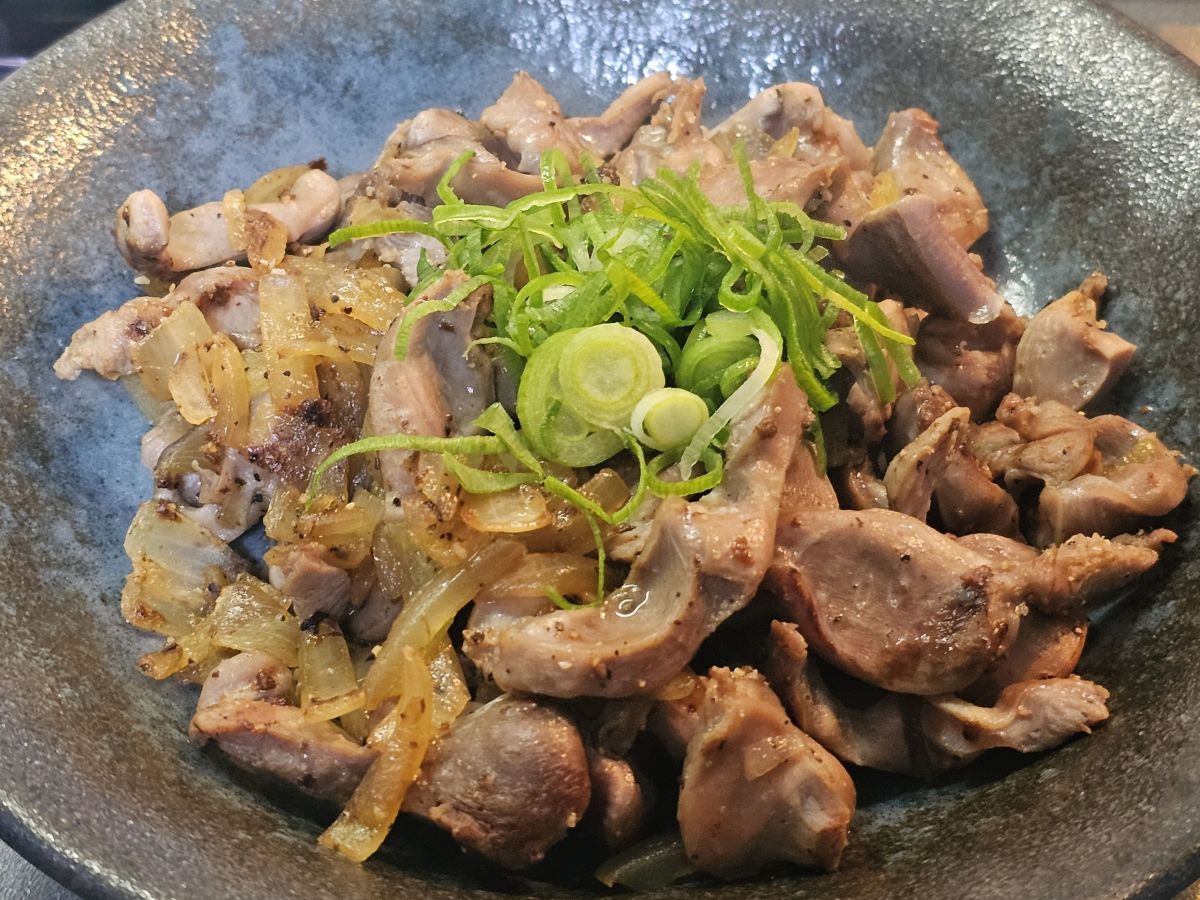
Sunagimo also works well in many casual dishes. In Japanese home cooking, it may be stir-fried with garlic and salt, cooked with miso, simmered slowly, or added to oil-based dishes like ajillo.
Some common ways to cook sunagimo include:
- Garlic salt stir-fry
- Miso stir-fry
- Spicy pepper stir-fry
- Ajillo with olive oil and garlic
- Confit-style slow cooking
- Boiled sunagimo with ponzu
The best method depends on the texture you want. Quick high-heat cooking keeps it firm and crunchy, while slower cooking can make it more tender.
How to Prepare Sunagimo Before Cooking
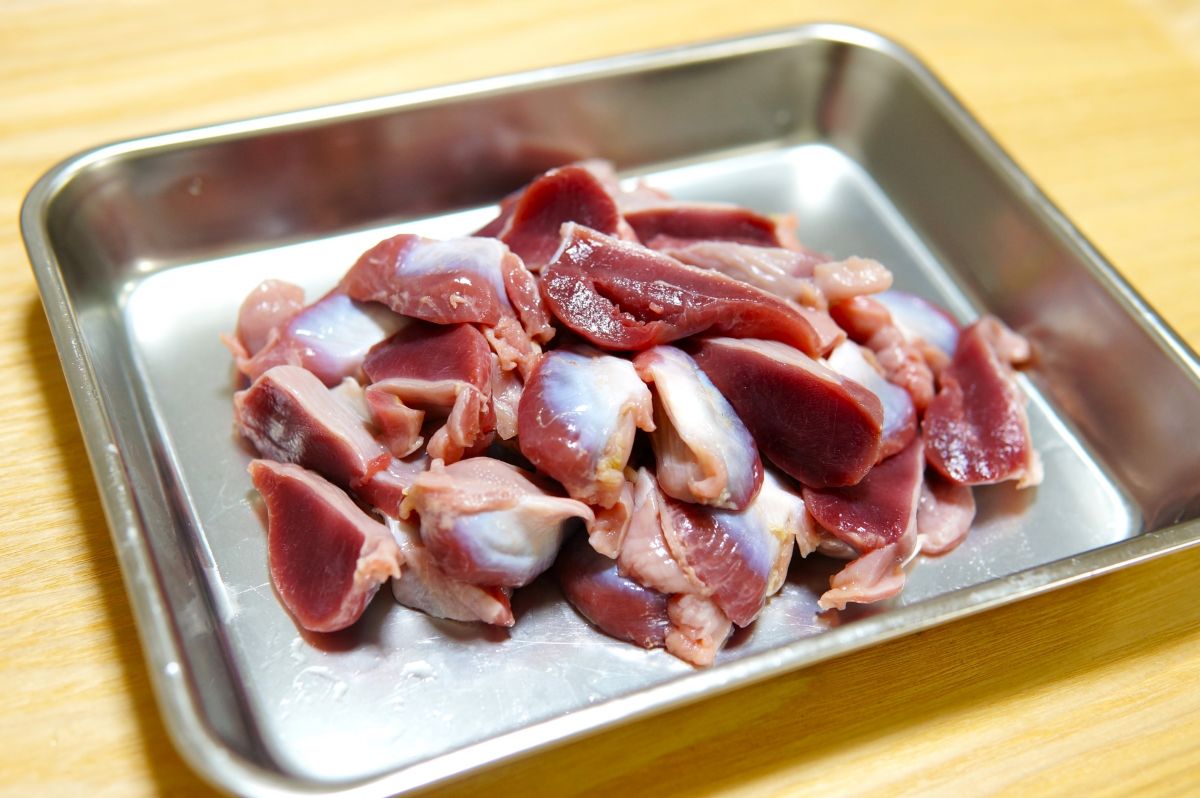
Sunagimo is not difficult to cook, but preparation matters. A little trimming and cutting can make the texture much better and help the pieces cook evenly.
Remove the Silverskin
Raw sunagimo often has a pale bluish-white layer attached to it. This part is usually called silverskin or connective tissue.
It is tough, and if too much is left on, it can become rubbery after cooking. Removing it makes the finished dish easier to chew and gives it a cleaner texture.
You do not have to remove every tiny bit if you enjoy a stronger chew, but for most people, especially beginners, trimming the silverskin is worth the effort.
How to Remove the Silverskin
First, look for the natural groove in the middle of the gizzard and cut it into two pieces. Then place one piece on the cutting board with the white connective tissue facing down.
Slide a sharp knife between the red muscle and the white silverskin. Keep the blade almost flat and carefully shave the silverskin away.
If you do not want to use a knife too much, you can loosen the edge with a skewer and pull the connective tissue away by hand. This can take more time, but it helps avoid cutting off too much of the edible meat.
Make Small Cuts for Better Texture
After trimming, make shallow cuts in the thick parts of the sunagimo. This helps heat reach the center more quickly and makes the gizzard easier to chew.
A simple method is to make two or three short slits across the surface. You can also make a crosshatch pattern if you want the seasoning to cling better.
These cuts are especially useful for grilling or pan-frying because sunagimo can brown on the outside before the inside is fully cooked.
Should You Wash Raw Sunagimo?
It is better not to wash raw sunagimo under running water. Since it is chicken, rinsing it in the sink can spread tiny droplets onto nearby surfaces, utensils, or vegetables.
If the surface is wet or has some drip, simply press it gently with a paper towel. After handling raw sunagimo, wash your hands, knife, cutting board, and any utensils that touched it.
How to Cook Sunagimo Safely
Sunagimo should always be cooked thoroughly. Since it is part of a chicken, it needs the same careful handling as other raw poultry.
Cook It All the Way Through
For food safety, the center of the meat should reach 75°C / 167°F for at least one minute. This helps reduce the risk of bacteria such as Campylobacter.
One thing to watch out for is uneven cooking. Sunagimo can look nicely browned on the outside while still being undercooked in the center, especially if the pieces are thick.
That is why trimming, cutting, and making small slits are useful. They are not only for texture; they also help the heat move through the meat more evenly.
Avoid Cross-Contamination
Raw chicken can contaminate other foods if you are not careful. Use separate tools for raw sunagimo and cooked food whenever possible.
For example, if you use tongs to place raw sunagimo on a grill, wash them before using them again to serve the cooked pieces. Do not use the same plate for raw and cooked chicken unless it has been washed properly.
The same idea applies to knives, cutting boards, chopsticks, and your hands. It sounds basic, but it makes a big difference.
Be Careful with Children, Pregnant People, and Older Adults
Children, pregnant people, older adults, and people with weaker immune systems should be extra careful with chicken dishes.
For these groups, sunagimo should be fully cooked and cut into easy-to-eat pieces. Because it is naturally firm, it may be difficult for very young children to chew unless it is sliced thinly or cooked until softer.
Is Sunagimo Healthy?
Sunagimo can be a healthy food when eaten in reasonable amounts. It is lean, high in protein, low in fat, and contains several useful vitamins and minerals.
It is also very low in carbohydrates, which makes it easy to fit into many different eating styles, including higher-protein or lower-carb meals.
High in Protein and Low in Fat
A 100-gram serving of sunagimo has about 86 calories, around 18.3 grams of protein, and about 1.8 grams of fat.
That makes it a lean protein source. It is lower in calories than many familiar chicken cuts, especially cuts with skin.
Because it is so chewy, it can also feel quite satisfying. You naturally have to chew it more, which can make a small serving feel more filling than expected.
Rich in Iron, Zinc, and Vitamin B12
Sunagimo is not just lean protein. It also contains nutrients such as iron, zinc, vitamin B12, and folate.
Iron supports healthy red blood cells. Zinc is important for normal metabolism, immune function, and tissue repair. Vitamin B12 also supports blood and nerve health.
This nutrient profile is one reason sunagimo is interesting for people who care about fitness, balanced meals, or simply getting more variety from Japanese food.
Why Fitness-Minded People Like Sunagimo
For people who want more protein without a lot of fat, sunagimo is a useful option. It is filling, flavorful enough with simple seasoning, and not as heavy as many fried or fatty meat dishes.
The healthiest versions are usually grilled, boiled, steamed, or lightly sautéed. Deep-fried sunagimo karaage is delicious, but if your goal is to keep things light, yakitori-style salt grilling is probably the better choice.
Things to Keep in Mind
Sunagimo is nutritious, but it is still organ meat. It contains purines and cholesterol, so it may not be something everyone should eat in large amounts every day.
People with gout, high uric acid levels, or cholesterol concerns may want to keep portions smaller and avoid eating it too frequently.
For most healthy adults, a moderate serving is enough. In a Japanese meal, that might mean a few skewers of sunagimo yakitori or a small side dish rather than a huge plate.