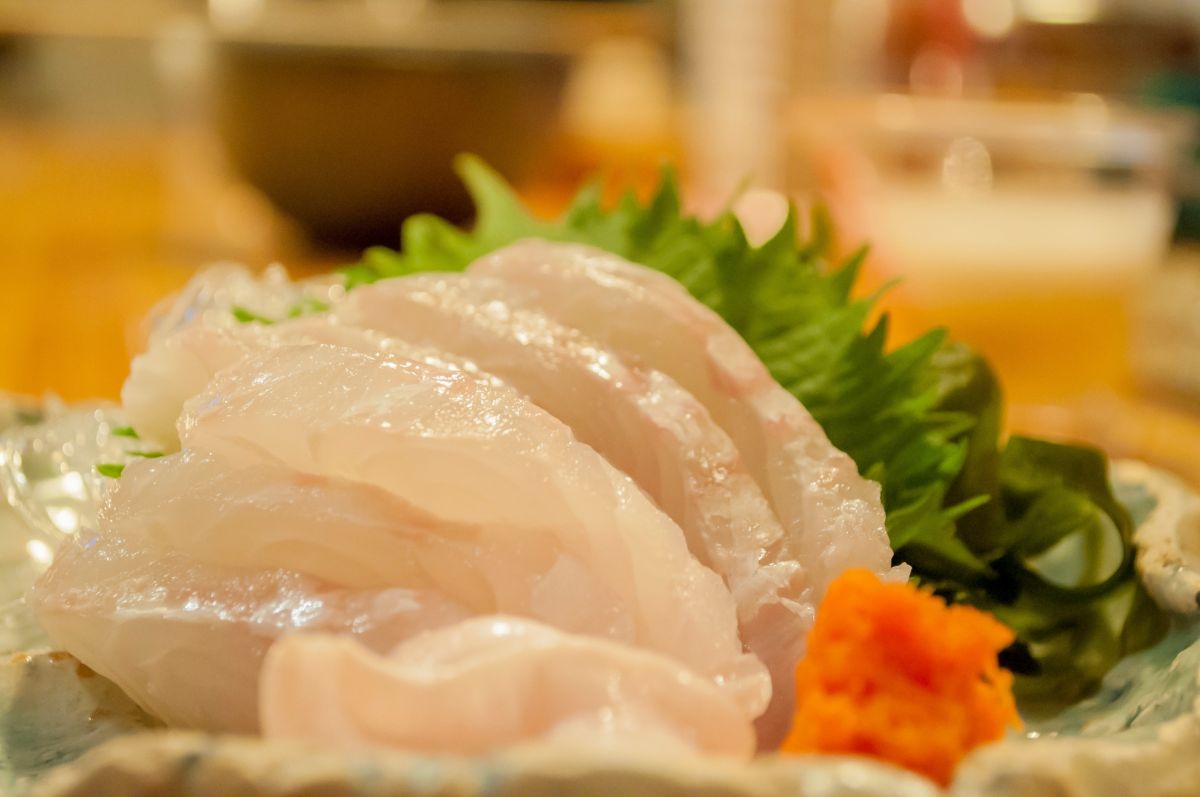
If you have seen hirame on a sushi menu and wondered whether it means flounder, halibut, or something else, you are not alone.
In Japanese cuisine, hirame usually means Japanese flounder or olive flounder, a prized white fish often served as sushi or sashimi.
This guide explains its English name, taste, how to eat it, what engawa is, and how hirame differs from karei.
What Is Hirame in English?
“`
Hirame Usually Means Japanese Flounder or Olive Flounder
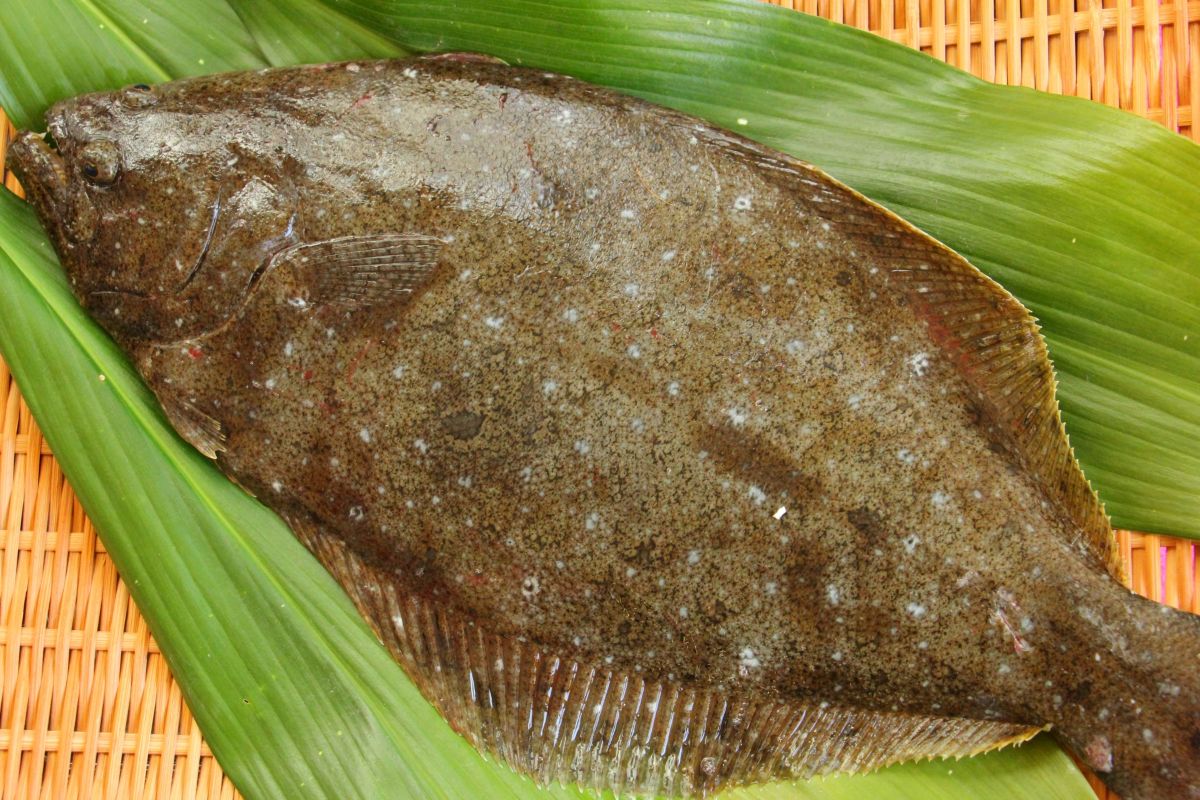
The most accurate English names for hirame are Japanese flounder or olive flounder. Its scientific name is Paralichthys olivaceus.
This fish lives in coastal waters around Japan, including the Pacific side, the Sea of Japan, the Seto Inland Sea, and nearby areas such as the Korean Peninsula and the East China Sea. In Japan, it is especially valued as a premium white fish for sushi and sashimi.
The confusing part is that English words for flatfish are not very tidy. The word flounder can refer to many different flatfish, not just Japanese hirame. So while “flounder” is not wrong as a broad translation, it is not always specific enough.
If you want the clearest answer, think of it this way:
| Japanese Term | Best English Meaning |
|---|---|
| Hirame | Japanese flounder or olive flounder |
| Scientific name | Paralichthys olivaceus |
| General category | Flatfish |
| Broad English word | Flounder |
Is Hirame Flounder, Fluke, or Halibut?
This is probably the biggest question for English-speaking diners. The short answer is: hirame is a type of flounder, but it is not the same as halibut.
Flounder is a broad English word. It can describe many flatfish species, so it works as a general translation, but it does not always tell you exactly which fish you are eating.
Fluke is another word that can appear in English, especially in North America. It often refers to summer flounder or similar fish. It may be close in culinary style, but it is not automatically the same species as Japanese hirame.
Halibut is where things get especially messy. Halibut usually refers to a much larger flatfish, such as Pacific or Atlantic halibut. In Japanese terms, it is closer to ohyo, not hirame. Some sushi restaurants outside Japan may use “halibut” on the menu for hirame, but that translation can be misleading.
| Menu Word | What It Usually Means | Is It Hirame? |
|---|---|---|
| Hirame | Japanese flounder / olive flounder | Yes |
| Flounder | A broad term for flatfish | Sometimes |
| Fluke | Often summer flounder or a related fish | Not necessarily |
| Halibut | A much larger flatfish | No, not strictly |
So if you are at a sushi restaurant and want to be precise, Japanese flounder or olive flounder is the best English description of hirame.
“`
What Does Hirame Sushi Taste Like?
“`
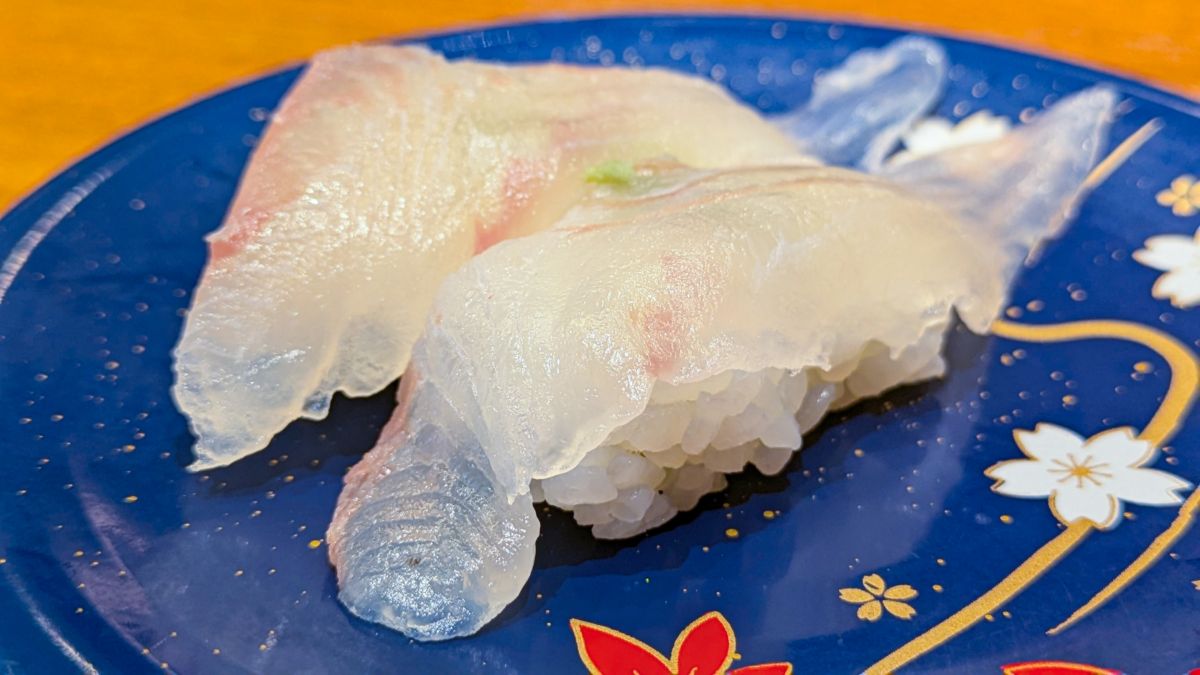
A Clean, Mild, and Elegant White Fish
Hirame is one of Japan’s classic shiromi, or white-fleshed fish. If tuna is bold and salmon is rich, hirame is more quiet and refined.
The flavor is mild, clean, and slightly sweet. It does not have a strong oily taste, and it usually does not feel “fishy” in an aggressive way. The appeal is more subtle: a gentle umami, a refreshing finish, and a very polished texture.
For someone new to sushi, hirame might seem simple at first. But that simplicity is exactly what many sushi fans like about it. It is the kind of fish where small details matter: freshness, slicing, seasoning, and seasonality all make a noticeable difference.
Firm and Chewy Texture
The texture of hirame is one of its biggest charms. It is often described as firm, springy, or chewy.
This texture comes from the fish’s lifestyle. Hirame is a predator that feeds on small fish and swimming crustaceans. It moves actively compared with many other bottom-dwelling flatfish, so its muscles become tight and well developed.
When served as sushi or sashimi, good hirame has a satisfying bite. It may feel slightly crisp or elastic at first, then slowly release its mild sweetness as you chew. That is why it works so well as thinly sliced sashimi or carefully prepared nigiri.
Best Season: Winter Hirame
Hirame can be eaten throughout the year, but its best season is winter. In Japan, winter hirame is often called kan-birame, which means cold-season hirame.
The peak season is generally from December to February. During the colder months, hirame eats more as it prepares for the spring spawning season. This helps the fish build up better fat, deeper umami, and a more satisfying texture.
If you see kan-birame on a sushi menu in winter, it is usually a good sign. It suggests the fish is being served at one of its most delicious times of the year.
“`
How to Eat Hirame Sushi and Sashimi
“`
Soy Sauce Is Fine, but Ponzu, Yuzu, and Sea Salt Work Beautifully
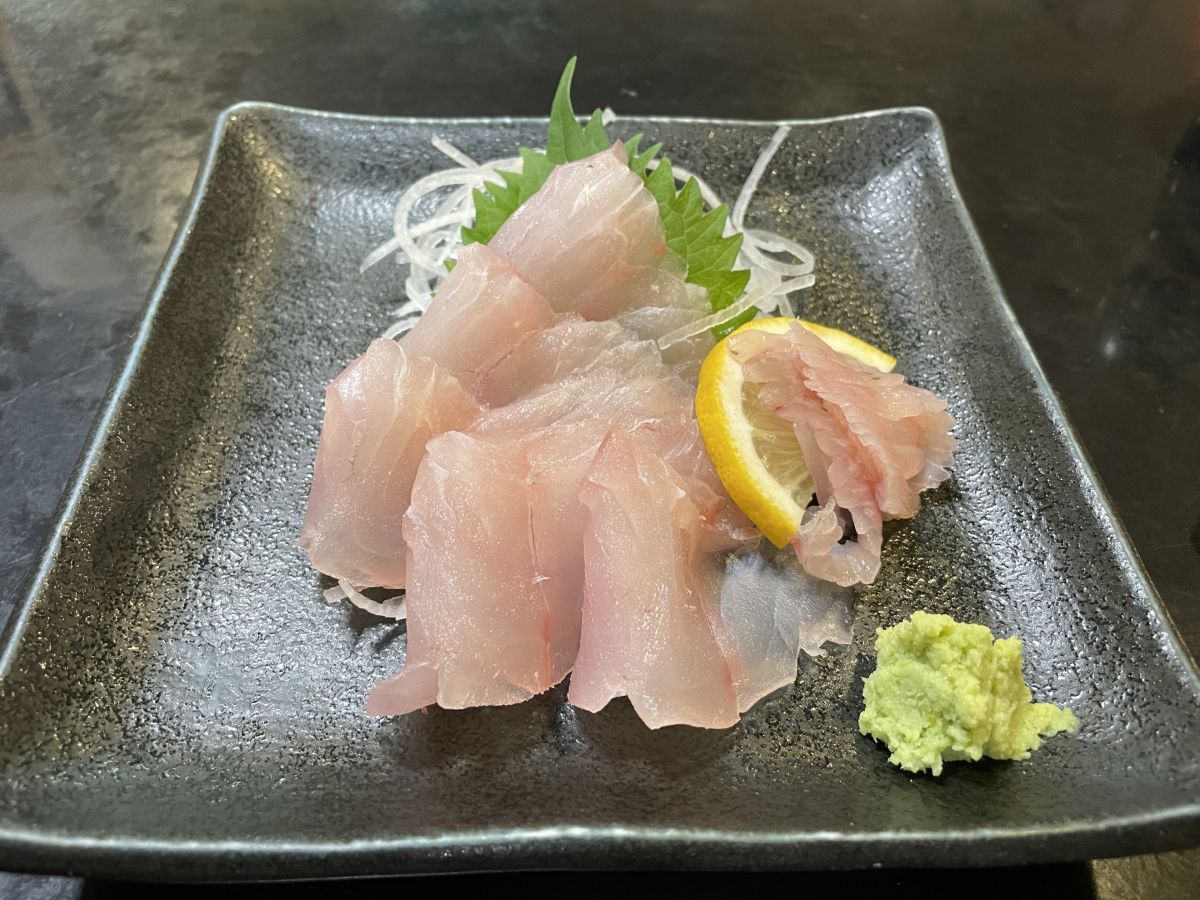
Because hirame has such a delicate flavor, it is easy to overpower it. A little soy sauce is fine, but dunking the whole piece can hide the clean taste of the fish.
Many people enjoy hirame with lighter seasonings such as ponzu, yuzu, or sea salt. These bring out the fish’s freshness without covering up its natural flavor.
At a good sushi restaurant, the chef may already season hirame for you. It might come with a brush of sauce, a small citrus accent, salt, or a tiny amount of garnish. In that case, the best move is usually to eat it as served.
- Ponzu: adds citrus brightness and light savory depth.
- Yuzu: gives a fragrant Japanese citrus aroma.
- Sea salt: highlights sweetness and texture.
- Wasabi: adds a clean, sharp accent when used lightly.
Kobujime: A Traditional Way to Add Umami
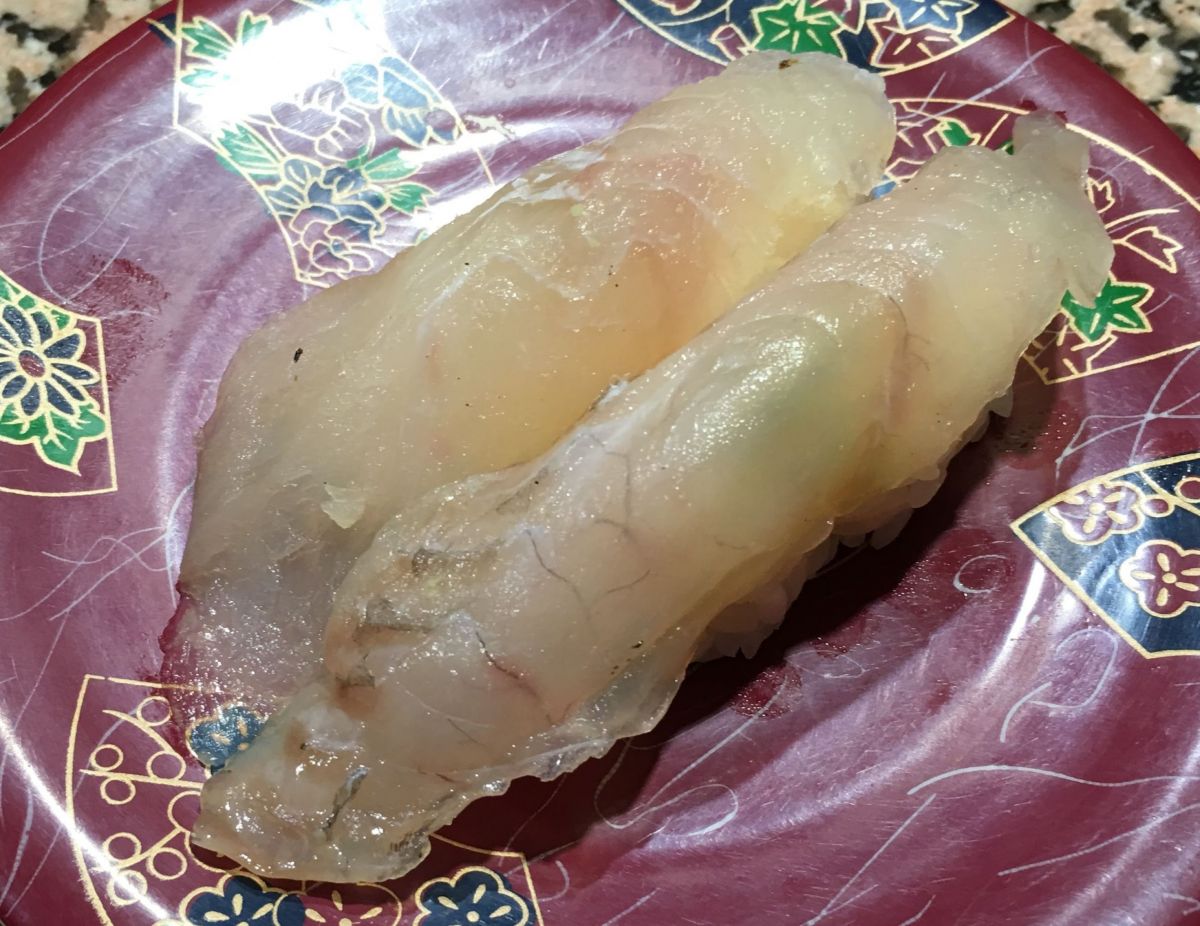
One of the most interesting ways to prepare hirame is kobujime. This is a traditional Japanese technique where fish is placed between sheets of kombu, or kelp.
The kombu gently draws out extra moisture from the fish while adding glutamic acid, one of the key sources of umami. For a clean white fish like hirame, this technique can make the flavor deeper and more savory without making it heavy.
Kobujime hirame often tastes more concentrated than plain hirame. The texture can also become a little firmer. If you already like subtle white fish, kobujime is a great way to taste a more layered version of hirame.
Why Hirame Is Often Served Raw
Hirame is highly valued raw because its best qualities are freshness, texture, and delicate umami. Cooking can be delicious too, but raw preparations show off the fish’s elegant character most clearly.
Common ways to enjoy hirame include sushi, sashimi, thinly sliced sashimi, and Japanese-style or Western-style cold dishes such as carpaccio. The thin slicing helps emphasize its firm bite and clean flavor.
Since hirame is often eaten raw, proper handling is extremely important. For sushi and sashimi, it should come from a trusted source and be prepared for raw consumption.
“`
What Is Engawa?
“`
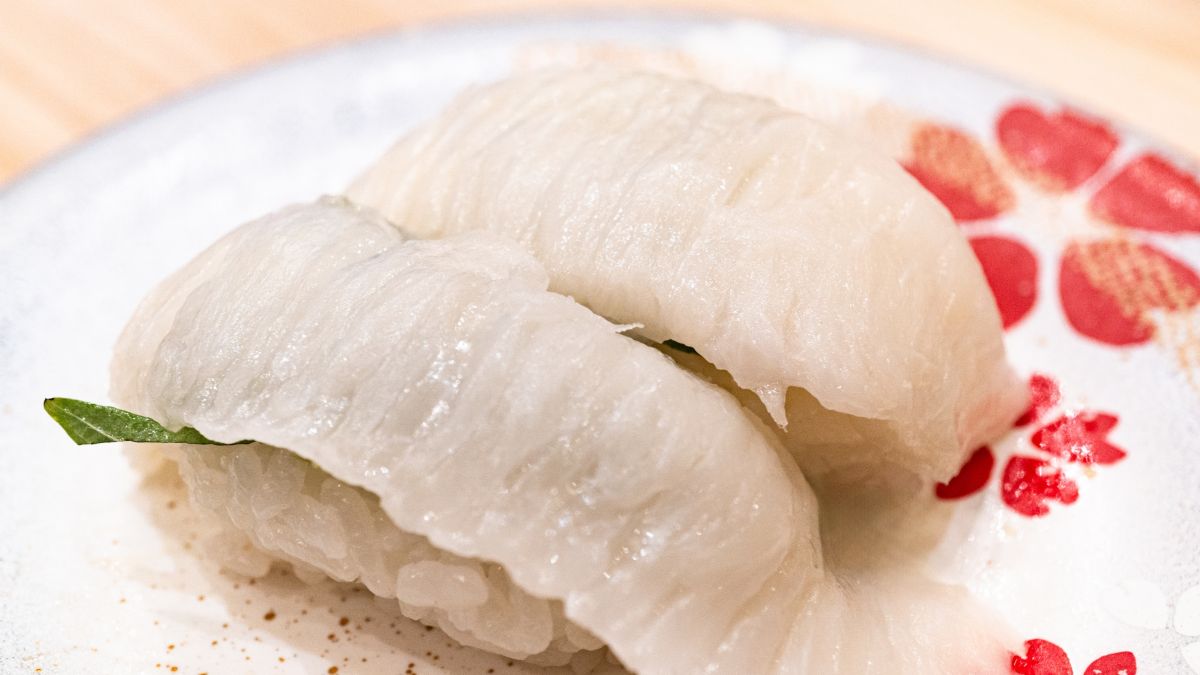
Engawa Is the Fin Muscle of Hirame
Engawa is one of the most exciting words to know if you are getting into hirame sushi. It is not a separate fish. It is a special part of a flatfish, especially hirame.
Engawa comes from the muscle near the base of the dorsal and anal fins. These muscles help the fish move the long fins along the edges of its flat body.
The name engawa originally refers to the edge or veranda-like space in traditional Japanese architecture. For fish, the idea is similar: it is the tasty edge section running along the body.
In some food cultures, this part might be ignored. In Japanese sushi culture, it is treated as a prized piece.
Taste and Texture of Engawa
Engawa tastes different from the regular body meat of hirame. While hirame itself is clean, mild, and firm, engawa is richer, more textured, and often slightly fatty.
It contains a lot of collagen, which gives it that famous chewy, crunchy bite. The texture is one of the main reasons sushi fans get excited when they see engawa on a menu.
Good engawa can be described as:
- chewy
- crunchy
- springy
- slightly fatty
- rich in umami
It is still a white fish experience, but compared with regular hirame, engawa feels more intense and playful.
Why Engawa Is Special in Sushi
Engawa is special partly because there is not much of it on each fish. A hirame gives you much more regular fillet than fin muscle, so engawa naturally feels more limited.
It is also special because the texture is so different. If regular hirame is elegant and clean, engawa is more fun and rich. Ordering both side by side is one of the best ways to understand the fish.
Some sushi restaurants serve engawa raw with salt, citrus, ponzu, or a light brush of soy sauce. Others lightly torch it, which can bring out more aroma and a richer impression.
If you already like hirame, engawa is absolutely worth trying at least once.
“`
Hirame vs Karei: What’s the Difference?
“`
“Left-Eyed Hirame, Right-Eyed Karei”
Hirame and karei are both flatfish, and they can look very similar if you are not used to seeing them whole. In Japan, there is a famous saying: hidari hirame, migi karei.
It means “left hirame, right karei.” The idea is that if you place the fish with its belly facing you and its head pointing upward, hirame usually has both eyes on the left side, while karei usually has both eyes on the right side.
This rule is easy to remember, and it is popular in Japanese food culture. However, it is not perfect. There are exceptions among flatfish, so eye position alone is not always the most reliable way to identify the fish.
The More Reliable Difference: Mouth and Teeth
A better clue is the mouth. Hirame is an active predator. It eats small fish and swimming crustaceans, so it has a relatively large mouth and sharper teeth.
Karei usually feeds on slower bottom-dwelling creatures such as marine worms and small organisms in sand or mud. Because of that, karei tends to have a smaller mouth and less aggressive-looking teeth.
| Feature | Hirame | Karei |
|---|---|---|
| Eye position | Usually left-eyed | Usually right-eyed |
| Mouth | Large | Small |
| Teeth | Sharper | Less prominent |
| Main food | Small fish and crustaceans | Marine worms and bottom organisms |
| Typical texture | Firm and springy | Softer |
Why Hirame and Karei Taste Different
Their different lifestyles help explain why they are used differently in Japanese cooking.
Hirame actively hunts moving prey, so its muscles are firmer and tighter. This gives it the chewy, springy texture that works beautifully for sushi and sashimi.
Karei is usually less active and has a softer texture. It is often delicious in cooked dishes such as simmered fish, deep-fried fish, or foil-baked preparations. In Japanese home cooking, karei is especially loved as a comforting cooked fish.
So the simple version is this: hirame is often treated as a premium raw fish, while karei is often appreciated as a cooked fish. Both are good, but they are not the same.