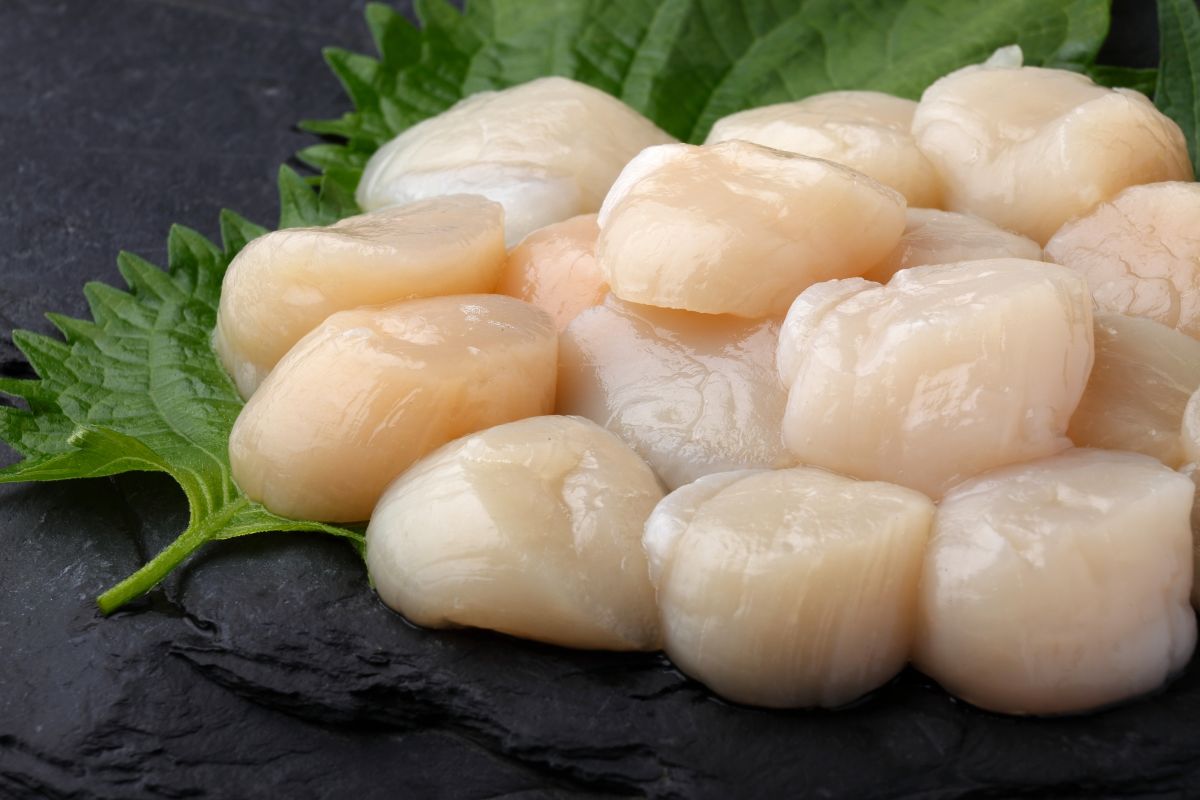
Hotate is the Japanese word for scallop. In sushi and sashimi, it usually refers to the sweet, white adductor muscle of the Japanese scallop — the round, tender part many people recognize as scallop meat.
Japanese hotate is loved for its natural sweetness, soft texture, and clean ocean flavor. It is often served raw as sushi or sashimi, lightly seared as aburi hotate, or cooked with butter and soy sauce as hotate butter yaki.
1. What Is Hotate? Meaning and Definition
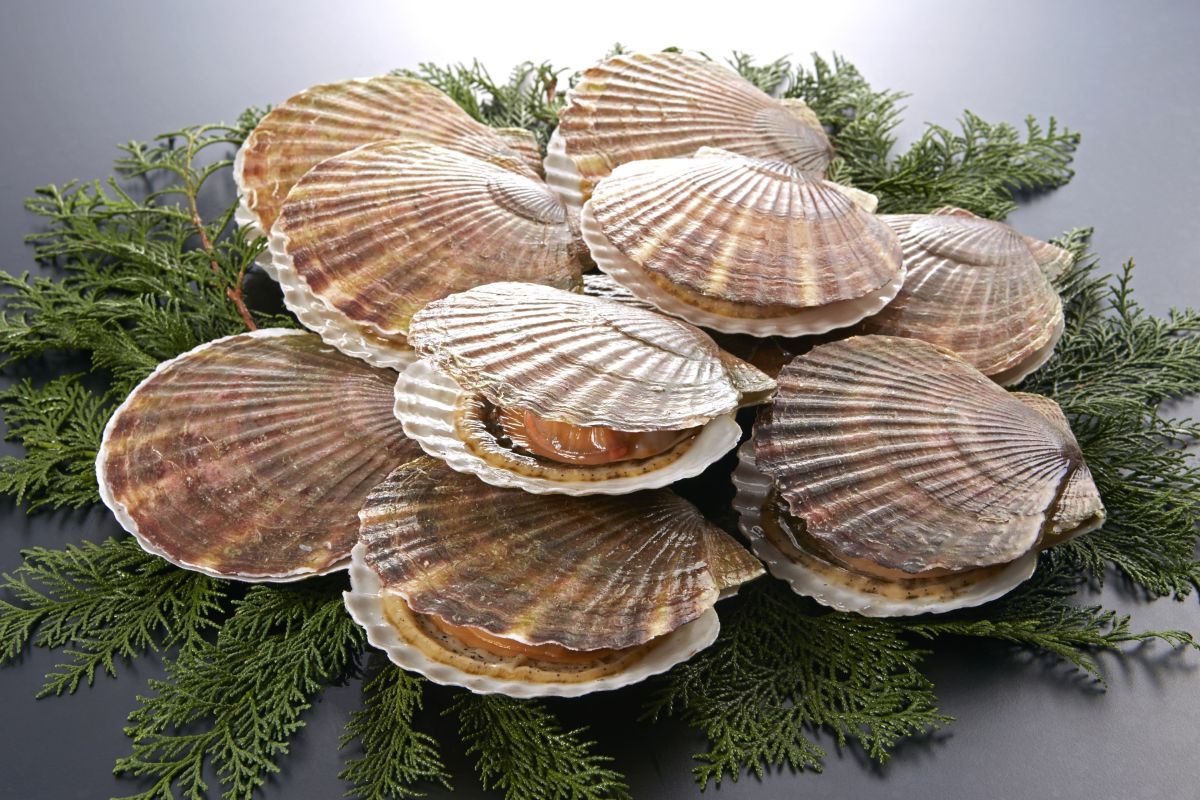
Hotate Means Japanese Scallop
Hotate means scallop in Japanese.
In Japanese, it is written as ホタテ or 帆立. On English menus, you may see it written as:
-
Hotate
-
Hotate scallop
-
Japanese scallop
-
Hotate nigiri
-
Hotate sashimi
The Japanese scallop is a cold-water shellfish commonly produced in northern Japan, especially around Hokkaido, Aomori, and the Sanriku coast.
In Japanese cuisine, hotate is prized for its gentle sweetness, delicate umami, and soft texture. It is popular in sushi restaurants, seafood bowls, grilled dishes, and home cooking.
Which Part of Hotate Do You Eat?
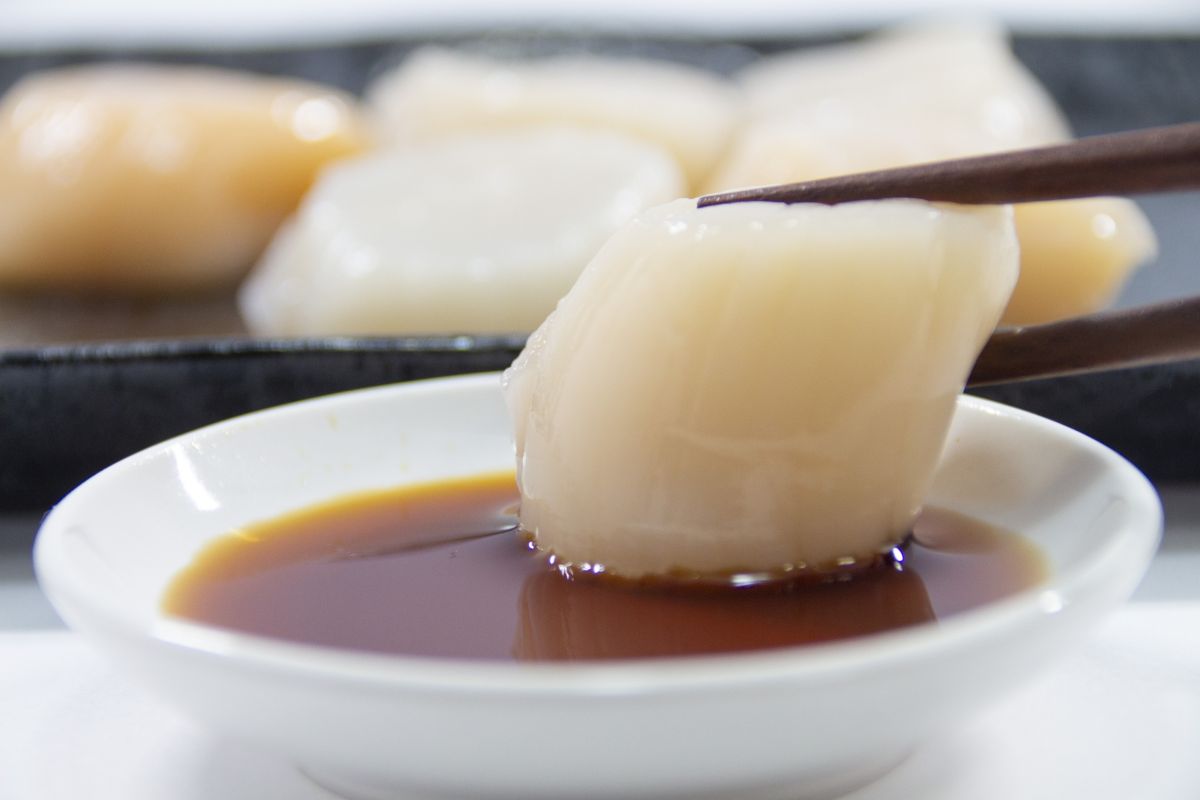
When hotate is served as sushi or sashimi, the part you usually eat is the adductor muscle.
In Japanese, this part is called kaibashira.
It is the round, white muscle that opens and closes the scallop shell. This part is especially popular because it is sweet, tender, juicy, and easy to slice for sushi.
Other parts of the scallop may also be eaten in Japan. The mantle, called himo, has a firmer texture and is often used in cooked dishes or dried snacks. In colder seasons, the roe or milt may also be eaten, especially in grilled or simmered dishes.
For sushi and sashimi, though, “hotate” almost always means the white adductor muscle.
2. Hotate vs Scallop: What Makes Japanese Hotate Special?
Hotate Is a Type of Scallop
A common question is:
Is hotate different from scallop?
The simple answer is: hotate is scallop.
However, when people say “hotate” in a sushi or gourmet seafood context, they usually mean Japanese-style scallop prepared with high standards of freshness and quality.
In many Western countries, scallops are usually cooked. In Japan, hotate is often eaten raw as sushi or sashimi. That means freshness, handling, and texture are especially important.
So “hotate” is not a completely different seafood from scallop. But in food culture, the word often suggests a sweet, plump, premium Japanese scallop.
Why Japanese Hotate Is So Sweet and Tender
Japanese hotate is famous for its sweetness.
One reason is the cold, nutrient-rich water where it grows. Major production areas such as Hokkaido and Aomori have cool seas rich in natural plankton. Scallops filter this plankton from seawater as food.
This environment helps produce hotate that is:
-
Thick
-
Plump
-
Naturally sweet
-
Clean-tasting
-
Rich in umami
-
Suitable for sushi and sashimi
Japanese handling and freezing techniques also help preserve quality. Many scallops are quickly cleaned, processed, and frozen to maintain their delicate flavor and texture.
This is why frozen Japanese hotate can still taste excellent when properly thawed.
Wild and Farmed Hotate in Japan
In Japan, hotate may be described as wild, sea-ranched, or farmed.
Some “wild” hotate are actually sea-ranched. Young scallops are released onto the sea floor and grow naturally in the ocean. Because they move more, they can develop a firmer texture.
Farmed hotate are often grown suspended in baskets, nets, or on ropes in the sea. These scallops usually move less, so they tend to be softer, plumper, and sweeter.
In simple terms:
Sea-ranched hotate tends to be firmer and more muscular.
Suspended-culture hotate tends to be softer, plumper, and sweeter.
Neither is automatically better. They simply offer different textures.
3. Can You Eat Hotate Raw? Safety for Sushi and Sashimi
Is Raw Hotate Safe to Eat?
Yes, hotate can be eaten raw when it is sold or served as sushi-grade or sashimi-grade.
In Japan, raw hotate is commonly served as sushi and sashimi. Its sweet flavor and soft texture make it ideal for raw preparations.
However, not every scallop should be eaten raw.
If you want to eat hotate raw, make sure it is clearly labeled:
-
Sashimi-grade
-
Sushi-grade
-
For raw consumption
-
Suitable for sashimi
-
生食用, if the package is Japanese
If the package says for cooking only, do not eat it raw.
At a good sushi restaurant, hotate is handled under proper temperature and hygiene control. At home, the safest rule is simple:
Only eat hotate raw if the seller clearly says it is safe for raw consumption.
Pregnant people, young children, elderly people, immunocompromised people, or anyone feeling unwell should be more cautious with raw shellfish. Cooked hotate is the safer option.
Important Safety Note: Remove the Uro
If you buy whole hotate in the shell, pay attention to the uro.
The uro is the dark green or blackish digestive gland of the scallop. In English, it may be called the digestive gland or hepatopancreas.
This part should not be eaten.
Shellfish toxins can accumulate in the digestive gland, and ordinary cooking methods such as boiling, grilling, or steaming may not make those toxins safe.
So the rule is:
Remove and discard the uro. Do not rely on cooking to make it safe.
If you are not comfortable cleaning whole scallops, choose pre-cleaned hotate, such as frozen scallop adductor muscles. These are usually sold without the shell and internal organs.
Does Hotate Have Anisakis?
Many people worry about anisakis, a parasite sometimes found in raw fish.
Hotate is not a typical seafood associated with anisakis.
Anisakis is usually linked to fish and marine animals that eat infected prey. Hotate, on the other hand, is a filter-feeding shellfish. It mainly filters plankton and tiny organic particles from seawater.
So hotate does not have the same parasite risk pattern as many raw fish.
Still, food safety matters. Raw hotate should only be eaten when it is sashimi-grade or sushi-grade.
4. Popular Ways to Eat Hotate in Japan
Hotate Nigiri Sushi
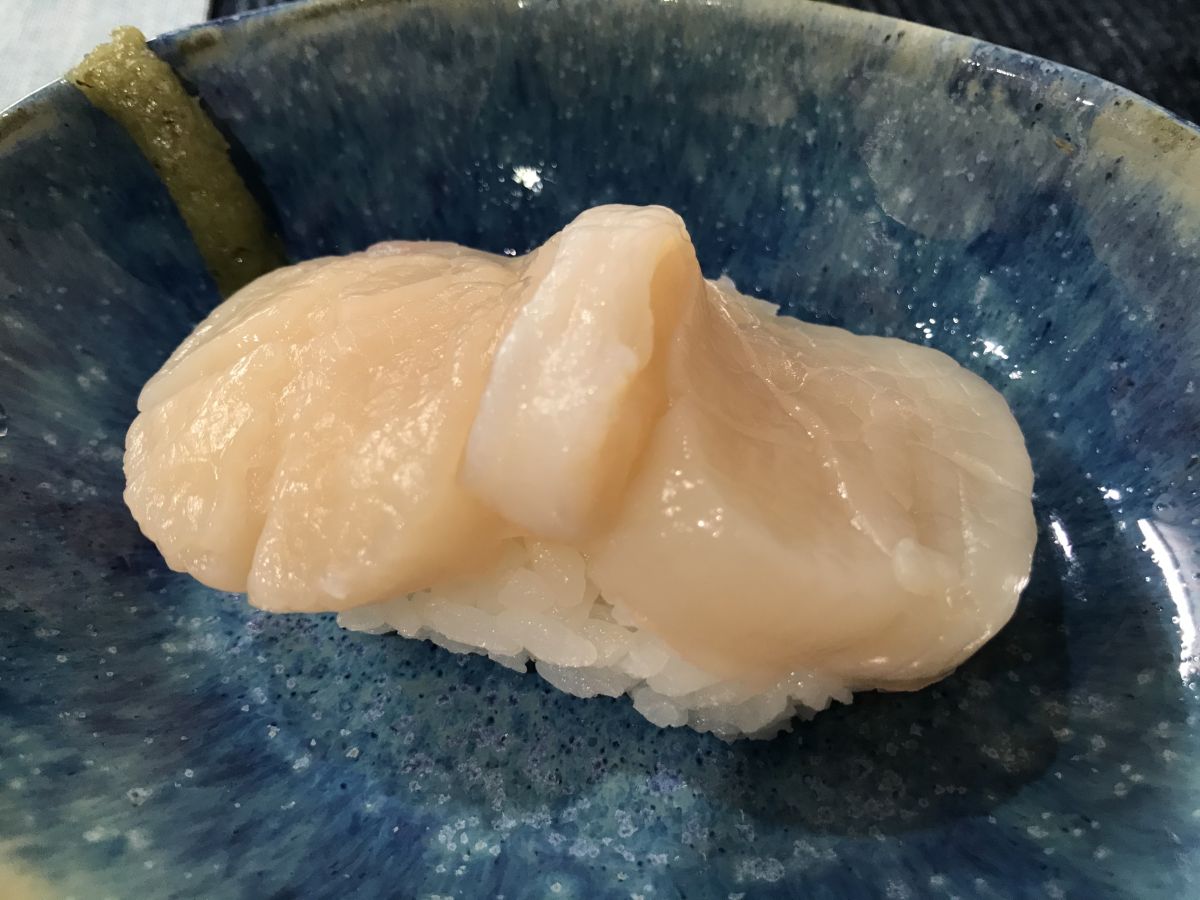
Hotate nigiri is one of the most popular ways to eat hotate.
Nigiri is a small mound of vinegared rice topped with seafood. In hotate nigiri, the topping is usually the white adductor muscle of the scallop.
Hotate nigiri is sweet, soft, and elegant. It does not need heavy seasoning. A small amount of soy sauce is usually enough.
It also pairs well with:
-
Wasabi
-
Sea salt
-
Sudachi citrus
-
Yuzu
-
Lemon
-
Light soy-based glaze
Avoid using too much soy sauce. The best part of hotate is its natural sweetness.
Hotate Sashimi
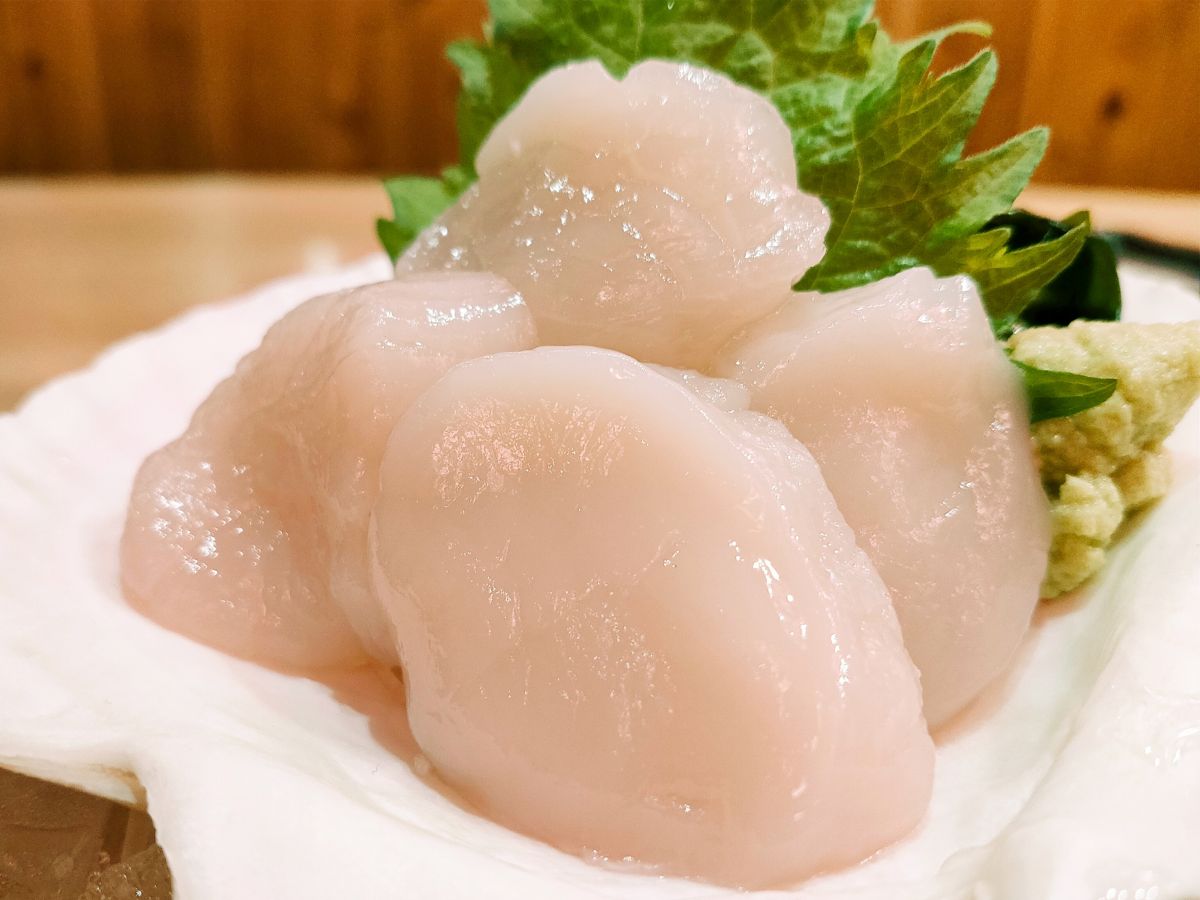
Hotate sashimi is raw scallop served without rice.
This is one of the best ways to enjoy the pure flavor of hotate. Because there is no rice or cooking, the sweetness and texture stand out clearly.
Hotate texture can change depending on how it is sliced.
If cut along the fibers, it feels firmer and slightly crisp. If sliced across the fibers, it becomes softer and more melting.
Hotate sashimi is often eaten with soy sauce and wasabi, but it is also excellent with salt and citrus.
Aburi Hotate: Lightly Seared Scallop
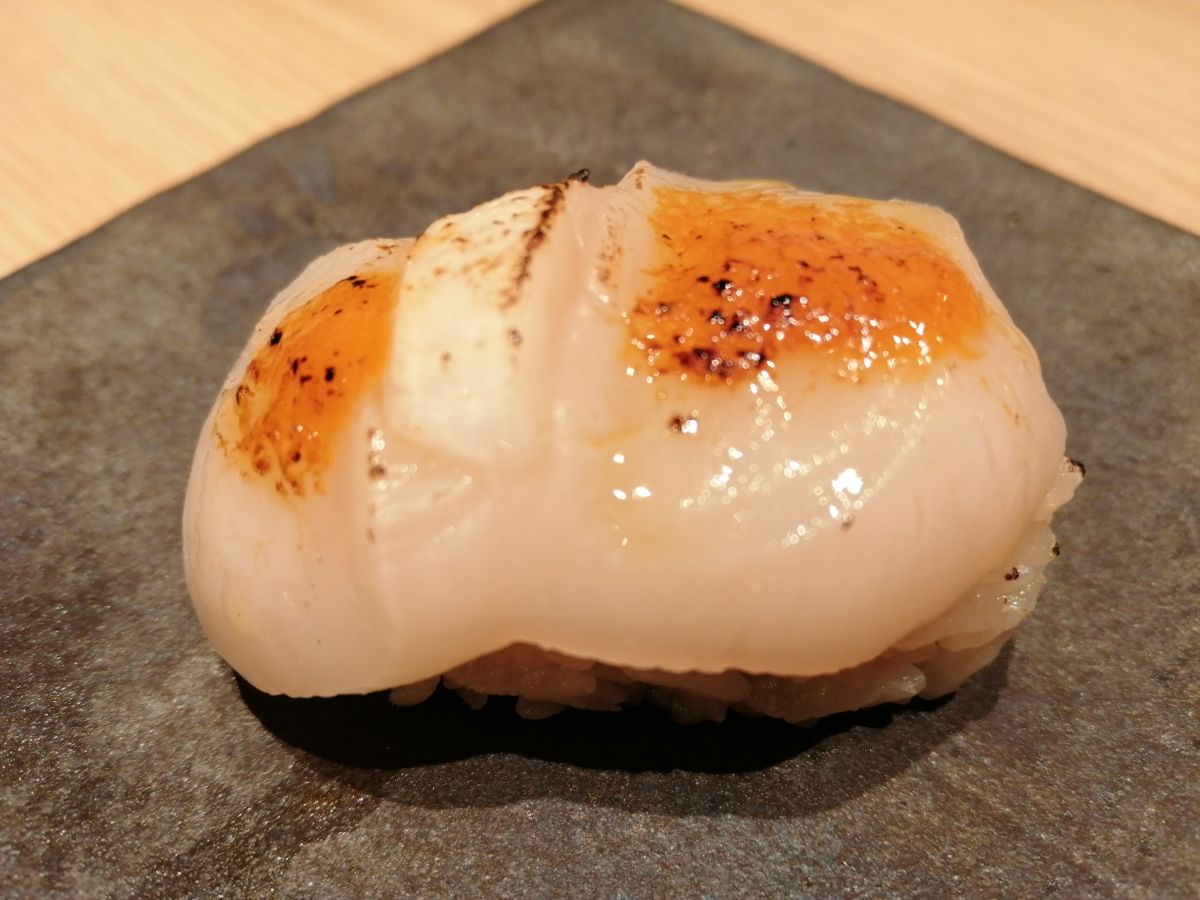
Aburi hotate means lightly seared scallop.
The surface is quickly seared, often with a flame, while the inside stays soft and juicy. This adds a warm, savory aroma while keeping the scallop tender.
Aburi hotate is popular because it combines:
-
The softness of raw hotate
-
The fragrance of lightly cooked scallop
-
A stronger sense of sweetness
It is a good choice for people who are curious about raw hotate but want something slightly more familiar.
The key is not to overcook it. Too much heat can make scallop tough.
Hotate Butter Yaki
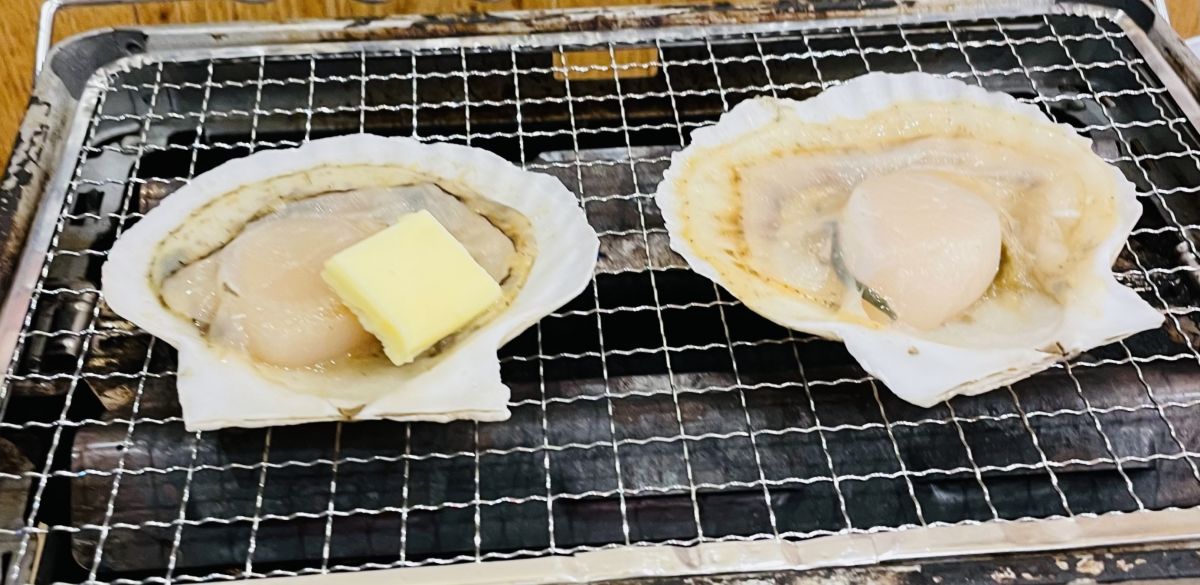
Hotate butter yaki means butter-grilled or butter-sautéed scallop.
It is a popular Japanese-style dish often served at izakaya restaurants and made at home.
Hotate pairs beautifully with butter, soy sauce, garlic, and citrus. The sweetness of the scallop works well with the richness of butter and the savory flavor of soy sauce.
A simple hotate butter yaki may include:
-
Hotate scallops
-
Butter
-
Soy sauce
-
Garlic
-
Sake or white wine
-
Lemon, yuzu, or sudachi
Cook hotate quickly over medium-high heat. If you cook it too long, it can become firm and rubbery.
This dish is especially good with asparagus or mushrooms. The vegetables absorb the buttery scallop juices and make the dish more satisfying.
5. What Does Hotate Taste Like?
Sweet, Creamy, and Delicately Briny
Hotate has a naturally sweet flavor.
Compared with many other shellfish, it is mild and elegant. It has a gentle ocean aroma, but it is not strongly fishy.
Common tasting notes for hotate include:
-
Sweet
-
Creamy
-
Mildly briny
-
Clean
-
Buttery
-
Delicate
-
Rich in umami
Good hotate tastes fresh and balanced. The sweetness comes first, followed by a soft savory finish.
What Is the Texture of Hotate?
The texture of hotate is one of its biggest appeals.
Raw hotate can be soft, smooth, and almost melting. High-quality hotate often feels tender and creamy in the mouth.
However, not all hotate has the same texture.
Sea-ranched hotate can be firmer and more muscular. Suspended-culture hotate is often softer and plumper.
The slicing method also changes the texture. Thicker cuts feel juicy and meaty, while thinner slices feel delicate and silky.
When cooked, hotate should be tender and juicy. If overcooked, it can become chewy or rubbery.