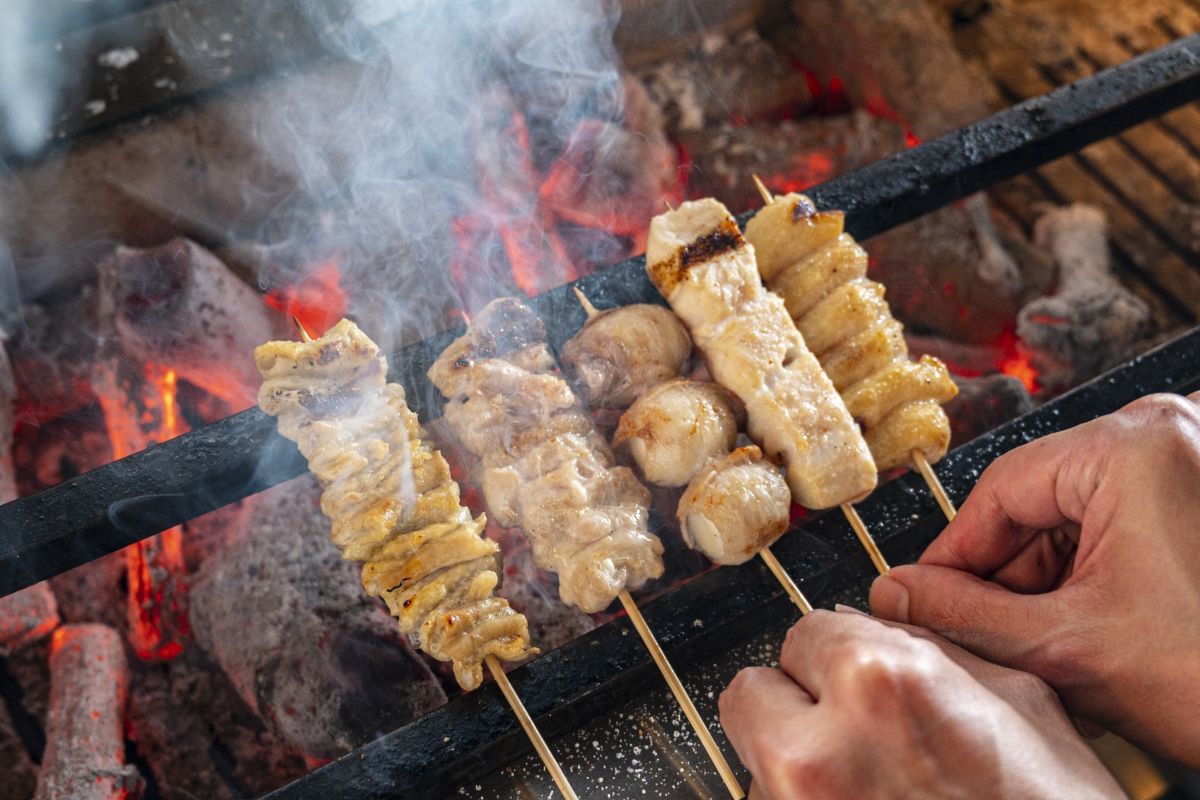
When sharing yakitori at a company gathering or a meal with close friends, many people have probably hesitated for a moment and wondered, “Should I take this yakitori off the skewer?” What may seem like a considerate gesture can actually be criticized as bad manners, while others may feel that biting directly from the skewer looks impolite. This long-running “skewer removal debate” regularly resurfaces on social media and continues to divide opinions. At the same time, some restaurants even provide special tools to make sharing easier, leaving many people unsure about what the right behavior really is.
In this article, we take a deep dive into the different opinions and cultural background surrounding the act of removing yakitori from the skewer, drawing on expert views and real examples from restaurants. From the passion and philosophy of yakitori chefs to modern, thoughtful manners for sharing with a group, and even handy tools that make it easy to remove meat neatly from the skewer, this guide covers everything you need to understand this long-standing debate. After reading, you will be able to enjoy yakitori with confidence in any situation.
Key Points
- The cultural background behind why removing yakitori from the skewer is sometimes seen as bad manners
- The scientific reasons why yakitori tastes better when eaten directly from the skewer
- Smart ways and important etiquette to keep in mind when sharing yakitori with others
- Useful tools that help you remove yakitori neatly from the skewer
Is Removing Yakitori from the Skewer Bad Manners?
- The basic rule is to eat yakitori directly from the skewer
- Why the flavor declines when you remove it from the skewer
- The restaurant’s dedication and the chef’s craftsmanship
- Many people still prefer to share
- Etiquette related to eating yakitori
First, let’s compare the main arguments from each side in order to understand the full picture of the “skewer removal debate.”
| Point of View | Arguments for Leaving It on the Skewer (Restaurant Side) | Arguments for Removing It (Sharing Side) |
|---|---|---|
| Taste | The juices stay inside, keeping the meat juicy. You can enjoy the charcoal aroma and warmth at their best. | They tend to value convenience and the fun of sharing more than preserving the ideal taste. |
| Enjoyment | You can experience the perfect balance of flavor and texture intended by the chef from the very first bite. | You can order different kinds of yakitori in small amounts and enjoy discussing the flavors together. |
| Ease of Eating | There is no particular concern here; biting directly from the skewer is considered part of the experience. | It is easier to eat elegantly with chopsticks and less likely to make your hands or mouth messy. |
| Atmosphere | The focus stays on appreciating the dish itself. | Sharing the same food creates a sense of togetherness and makes conversation more lively. |
The Basic Rule Is to Eat Yakitori Directly from the Skewer
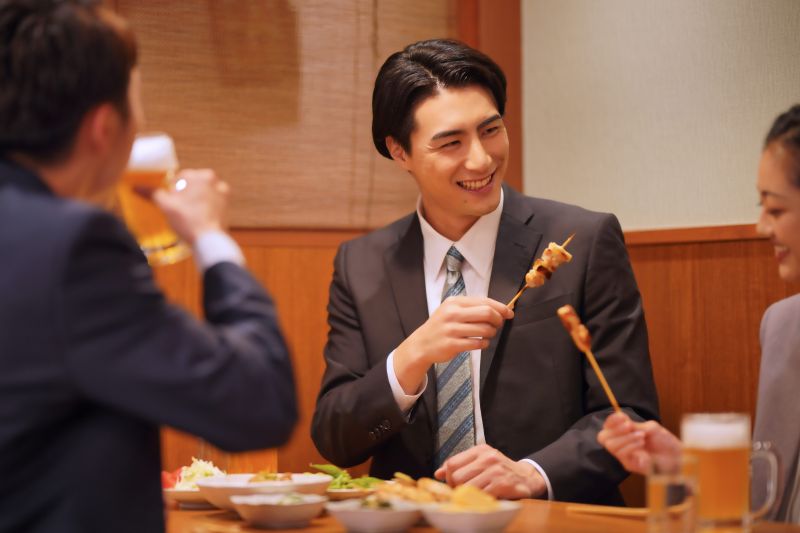
To begin with the conclusion, the traditional and generally recommended way to eat yakitori is to bite into it while it is still on the skewer. This is closely connected to yakitori’s historical roots as a street food from the Edo period, when it developed as a convenient, one-handed fast food. The act of eating freshly grilled yakitori directly from the skewer is itself part of the experience.
In addition, etiquette instructors certified by organizations such as the Japan Service Manners Association have pointed out that in Japanese cuisine, it is considered good form to enjoy food in the way it is served. As a sign of respect for the person who prepared it, it is generally best to first taste it in its original form.
Of course, this is not meant to be a rigid rule that limits your enjoyment of the meal. However, understanding why eating it on the skewer is recommended will deepen your appreciation of yakitori and the reasons behind its deliciousness.
Why the Flavor Declines When You Remove It from the Skewer
The biggest reason people say you should not remove yakitori from the skewer is very simple: it is scientifically more delicious that way. Chefs spend their time over charcoal carefully judging the perfect moment to finish grilling, and keeping the meat on the skewer is considered the most logical way to preserve that ideal condition. There are three main scientific reasons for this.
Three Scientific Reasons Why the Taste Gets Worse
- Loss of meat juices (loss of umami components)
Protein, the main component of chicken, coagulates when heated and traps flavorful juices inside the meat. However, when you forcibly remove the meat from the skewer with chopsticks or other utensils, that protein structure is physically damaged, causing precious juices that contain umami, such as glutamic acid, to leak out. This is a major reason the meat loses its juiciness. - Rapid drop in temperature
The human tongue perceives flavor and aroma more strongly when food is warm. Meat on a skewer stays warm longer because the pieces are clustered together and retain heat. Once separated, the surface area exposed to air increases sharply, causing the temperature to fall quickly. As the meat cools, the charcoal aroma weakens and the fat begins to harden. - Disruption of the carefully designed balance
Take negima, for example. It is arranged so that the savory fat of the chicken and the fragrant sweetness of the green onion combine in alternating bites, creating a layered flavor effect. If you remove the pieces and eat them separately, the carefully designed progression of flavor and contrast of textures is lost, turning it into a completely different dish.
In this way, a single skewer serves an important function in preserving the taste of yakitori in a scientifically effective way.
The Restaurant’s Dedication and the Chef’s Craftsmanship
Behind the counter, a yakitori chef silently turns each skewer over the fire. In every single skewer, there is a philosophy, a deep level of craftsmanship, and an enormous investment of time far beyond what most diners imagine. This dedication appears in every stage of the process, including selecting the meat, preparing it, cutting it, skewering it, seasoning it with salt, and grilling it to the perfect doneness.
For example, the owner of the well-known Tokyo restaurant Tori Ichidai has said that he cuts the top piece of meat the largest and seasons it with extra salt so that the very first bite makes the strongest impression. At Bird Land in Ginza, the skewers are inserted in a way that cuts across the grain of the meat, creating an astonishingly tender texture. These are examples of true craftsmanship that can only be achieved through years of training.
There is even a saying in the yakitori world that “skewering is a lifelong skill.” It may look simple, but it is incredibly deep and difficult to master. It can take years to become a fully trained chef. From that perspective, it is understandable that a chef may feel disappointed when a carefully prepared skewer is casually taken apart.
Eating yakitori hot and straight from the skewer is not just about consuming food. It can also be seen as the highest form of respect for the chef’s technique and passion behind the dish.
Many People Still Want to Share
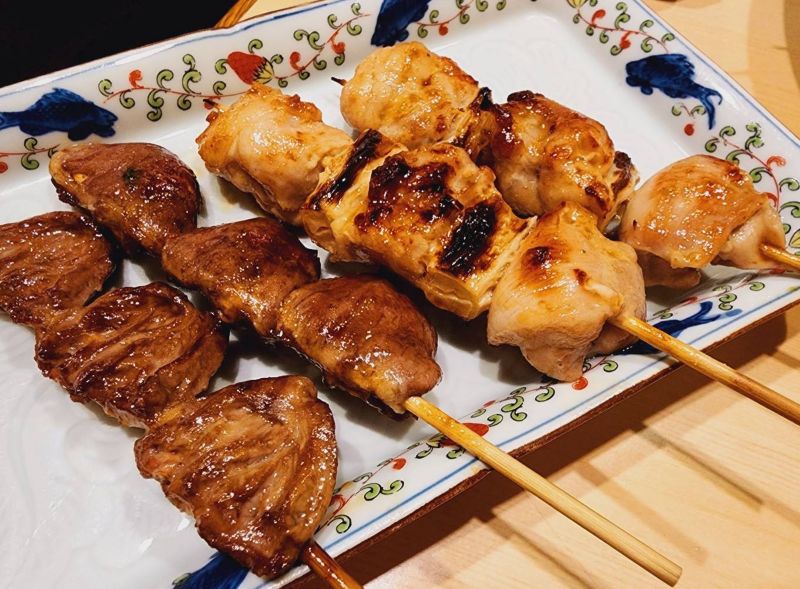
At the same time, the reason why the practice of removing yakitori from the skewer has become so widespread is that many modern diners strongly want to enjoy a variety of types little by little while sharing with others. Even if people respect the restaurant’s philosophy, the ways in which people enjoy a meal have become more diverse.
In a survey conducted by the web media outlet Kufura of 500 men and women aged 20 and older, about 21% said that they remove yakitori from the skewer and share it with everyone. Their main reasons included the following.
Main Reasons Given by People Who Remove It from the Skewer
- Enjoying more variety: “If I eat one whole skewer by myself each time, I get full too quickly. I want to try different parts and flavors little by little.”
- Communication: “Sharing the food makes conversation more lively and creates a fun atmosphere.”
- Ease of eating: “It is awkward to eat directly from the skewer, and with sauce, I worry about getting messy around my mouth.”
- Consideration and etiquette: “When eating in a group, I think removing it from the skewer and dividing it up makes it easier for everyone.”
In the past, this behavior was even praised as a sign of being thoughtful or socially skilled, because it reflected concern for others at the table and an emphasis on smooth communication. The gap between the restaurant’s philosophy and the value diners seek from the meal is one of the key reasons why this debate continues.
Etiquette Related to Eating Yakitori
Beyond the main question of whether you should remove yakitori from the skewer or not, there are several useful etiquette tips that can help you enjoy it more deliciously and without making others uncomfortable. Following these can make you look like a true yakitori enthusiast.
Start with Lighter Flavors First
Just as a French course meal moves from appetizers to richer main dishes, yakitori is best enjoyed from lighter flavors to stronger ones. In general, it is recommended to start with salt-seasoned skewers, which let you taste the ingredients more directly, and then move on to the richer sauce-glazed skewers. If you begin with the strong flavor of sauce, it becomes harder to appreciate the subtle flavor of salt-seasoned skewers afterward. It can also be a good idea to ask the staff if there is a recommended order.
Try It Plain Before Adding Seasoning
Seasonings such as shichimi chili pepper or Japanese pepper placed on the table are meant to be accents, not the default flavor. Sprinkling them all over the yakitori before tasting it can be seen as disrespectful to the restaurant’s seasoning. First, take a bite as it is and appreciate the flavor the restaurant intended. Then, if you want to enjoy a change in taste from the second bite onward, it is more stylish to place a little seasoning on the side of your plate or lightly add it only to the part you are about to eat.
How to Handle the Skewers After Eating
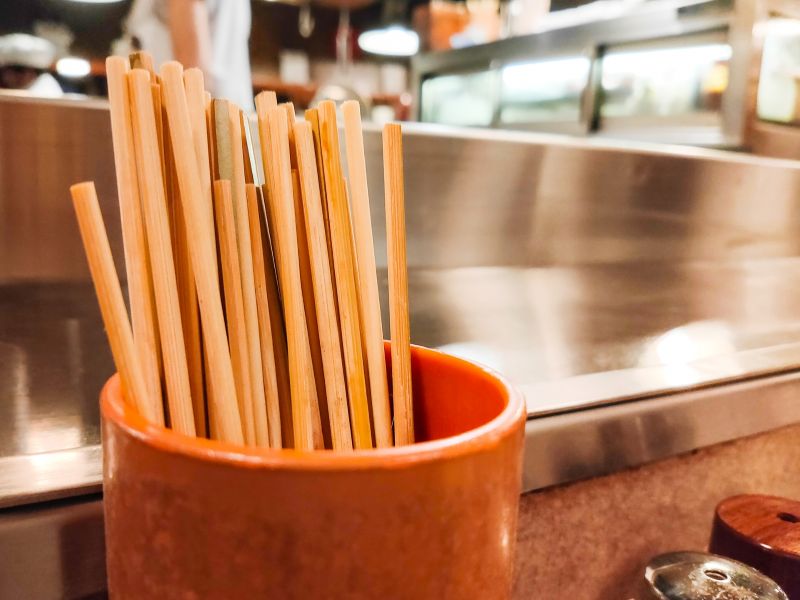
How you handle the skewer after eating can say a lot about your table manners. Putting a used skewer back onto a plate that still has food on it does not look clean or hygienic. If the table has a tall glass or a cylindrical container specifically for used skewers, always place them there. If no skewer holder is available, the safest choice is to line them up neatly in one direction at the edge of your plate. Never put them into an empty drinking glass or an ashtray.
Useful Knowledge When Removing Yakitori from the Skewer
- How to share depending on the situation
- Useful tools for removing yakitori neatly
- The skewer-removal fork called “Tricky”
- Specialized forks you can even buy at 100-yen shops
- As a rule, follow each restaurant’s own policies
- Understand the issue of removing yakitori from the skewer
How to Share Depending on the Situation
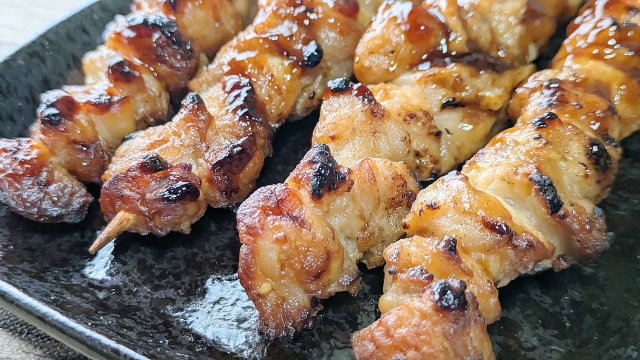
You may fully understand the restaurant’s dedication and still want to share yakitori with your companions. The key to resolving this dilemma is not acting one-sidedly, but communicating politely. If we remember that the essence of manners is consideration for others, the right approach becomes clear.
The most important thing is to say something to the people at the table before removing the meat from the skewer.
“We want to try a variety of kinds together, so would it be okay if I remove some from the skewer?”
“This negima is really good. Would you like to share a little?”
With just one simple sentence like this, you can show respect to anyone at the table who may prefer eating it directly from the skewer and avoid unnecessary friction. Once everyone agrees, the next step is how to do it. Using your own chopsticks to remove and divide the meat is not considered hygienic. Always use clean, unused chopsticks or serving tongs if the restaurant provides them. A small amount of thoughtfulness is what matters most when sharing a pleasant meal together.
Useful Tools That Help You Remove It Neatly
Have you ever tried to remove yakitori from the skewer with chopsticks, only to have the meat fall apart or a stubborn piece of gizzard suddenly fly off? In fact, there are convenient tools designed specifically to solve these small frustrations when sharing yakitori.
These tools are made to hold the meat firmly in place while allowing you to pull the skewer out smoothly. With them, anyone can share yakitori neatly and easily without making a mess on the table. In the following sections, we will introduce specific products, from those available at restaurants to ones you can use casually at home.
The Specialized Skewer-Removal Fork “Tricky”
The yakitori chain Sumire is one of the best-known examples of a restaurant that clearly states that removing yakitori from the skewer is not bad manners and actively promotes an environment where customers can enjoy their meal more freely. A symbol of this approach is their original skewer-removal fork called “Tricky”, which has been introduced at all of their locations.
How to Use “Tricky” Smartly
According to the official website of Sumire, the recommended way to use Tricky is as follows.
- Use the groove at the tip of the fork to firmly hold the outermost piece of meat on the skewer.
- Keep the fork still and slowly pull the skewer backward. If the meat is firm, rotating the skewer slightly while pulling helps.
- Once the meat comes off neatly, you can use the fork as it is to eat it directly.
This initiative reflects the restaurant’s warm philosophy that customer enjoyment comes first and that manners which go against that spirit are unnecessary. The fact that some restaurants actively encourage sharing and even provide tools for it offers one innovative answer to the skewer removal debate.
Specialized Forks You Can Buy at 100-Yen Shops
These useful skewer-removal tools are not limited to restaurants. They are also becoming more common in everyday homes. They are especially helpful when enjoying yakitori at home parties or casual gatherings, and some can be purchased easily at 100-yen shops.
For example, Daiso sells a popular item called the “Yakitori Removal Fork”, a tool designed specifically for taking yakitori off skewers. Its uniquely shaped tip grips the skewer securely, making it safe and easy even for children with weaker hand strength to slide the meat off smoothly.
One of the best things about this fork is its versatility. It works not only for yakitori, but also for festival frankfurters, fried chicken skewers that kids love, and even sticky mitarashi dango. Keeping just one at home can make family meals more comfortable and enjoyable, and it offers excellent value for the price.
As a Rule, Follow Each Restaurant’s Own Policies
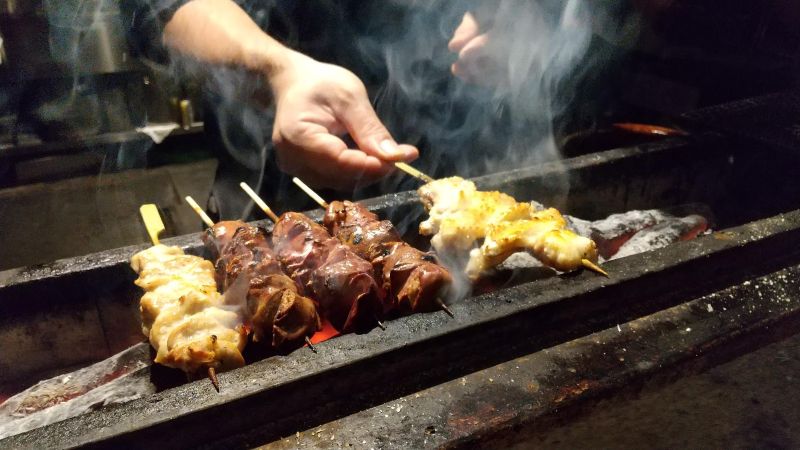
We have introduced many different viewpoints and convenient tools, but there is one principle you should never forget in any situation: always respect and follow the rules set by the restaurant. Some restaurants clearly prohibit removing yakitori from the skewer based on the owner’s strong philosophy and the dining experience they want to provide.
The Philosophy Behind Strict Restaurant Rules
For example, a restaurant in Tokyo called Daitoryo is well known nationwide for its strict rules and strong commitment. Signs such as “If you remove it from the skewer, the price goes up” and “If you want to remove it from the skewer, go to a yakiniku restaurant!” frequently become topics on social media. Behind these rules is the owner’s passionate belief that the perfectly prepared first bite matters more than anything else. Starting prep at 5 a.m., the chef carefully calculates how the meat should be skewered to create that ideal first impression. Restaurants like this establish their own style by welcoming customers who can respect the rules, while in return offering the best possible experience.
Policies like these are not about right or wrong. They are simply part of the restaurant’s character and culture. As customers, we are expected to check the restaurant’s style before entering and show respect for it. If you feel that the restaurant’s way of enjoying yakitori does not match your own, the best option for everyone may be to choose a different place and avoid unnecessary conflict. “When in Rome, do as the Romans do.” This simple mindset is one of the best ways to enjoy dining out.
Understanding the Issue of Removing Yakitori from the Skewer
- Traditionally, yakitori is meant to be eaten directly from the skewer
- Removing it from the skewer makes it easier for flavorful juices to escape
- The increased surface area causes it to cool faster and lose flavor
- Each skewer contains the chef’s carefully calculated technique and passion
- The way the meat is cut and skewered is designed to create the best first bite
- At the same time, modern consumers still strongly want to share a variety of types
- The culture of removing yakitori also developed from concerns about convenience and consideration for others
- As a matter of etiquette, it is best to eat from lighter flavors such as salt to richer flavors such as sauce
- A stylish way to enjoy yakitori is to taste it first before adding any seasoning
- Placing used skewers neatly into a skewer holder is considered good table manners
- When sharing, the most important thing is to ask the others at the table first rather than removing it unilaterally
- When dividing portions, always use clean, unused chopsticks or tongs
- Some restaurants, such as those offering the “Tricky” fork, actively encourage sharing and provide special tools
- Specialized forks are also available at 100-yen shops and are useful at home
- If a restaurant has its own rules, always respect them and follow them