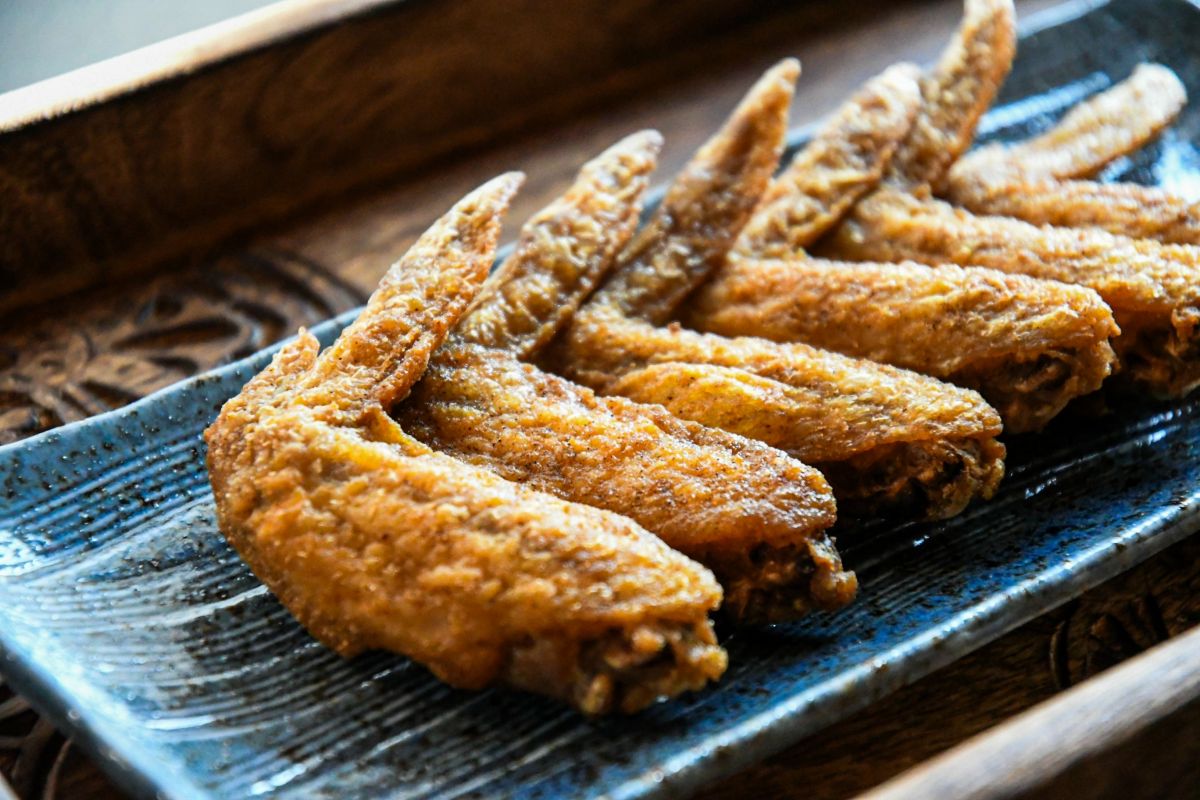
Tebasaki is one of those Japanese foods that sounds simple at first, but gets much more interesting once you look closer. It literally refers to chicken wings, but in food culture, especially in Nagoya, it often means crispy Japanese fried chicken wings coated with a sweet-savory soy glaze and plenty of pepper.
If you searched for “tebasaki” because you saw it on a menu, in a travel guide, or in a Japanese recipe, this guide will help you understand what it is, why Nagoya is famous for it, how it tastes, and how you can make a basic version at home.
What Does “Tebasaki” Mean?
Tebasaki Literally Means Chicken Wing in Japanese
In Japanese, tebasaki refers to part of a chicken wing. The word is often translated as “chicken wing” or “wing tip,” but it can be a little confusing because Japanese meat-cut names do not always match English ones perfectly.
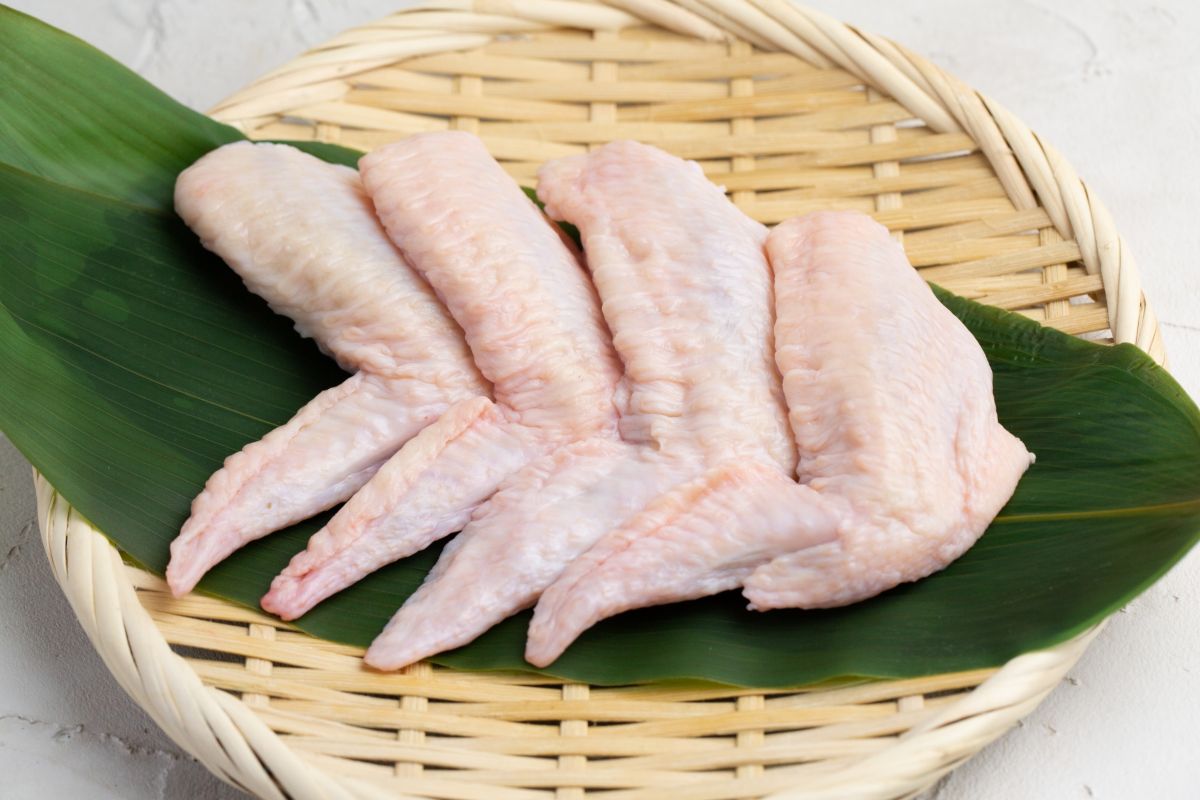
In Japan, chicken wings are commonly divided into a few parts:
- Tebamoto: the thicker drumette-like part near the body of the chicken
- Tebasaki: the wing section from the joint toward the tip
- Tebanaka: the middle wing section, often with the very tip removed
So, yes, tebasaki is chicken wing. But when people talk about eating tebasaki in Japan, they are often talking about a cooked dish, not just the raw cut of meat.
As a Dish, Tebasaki Often Means Nagoya-Style Fried Chicken Wings
In restaurants, especially in Nagoya, tebasaki usually means Nagoya-style fried chicken wings. These wings are typically fried until the skin becomes crisp, then coated or brushed with a sweet and salty soy-based sauce. They are finished with sesame seeds and a generous amount of pepper.
For English speakers, the easiest way to understand it is this:
Tebasaki is Japan’s crispy, peppery, sweet-savory chicken wing dish, especially famous in Nagoya.
It is not quite the same as American buffalo wings, and it is not exactly the same as karaage either. Tebasaki has its own style, flavor, and way of eating.
Why Is Tebasaki Famous in Nagoya?
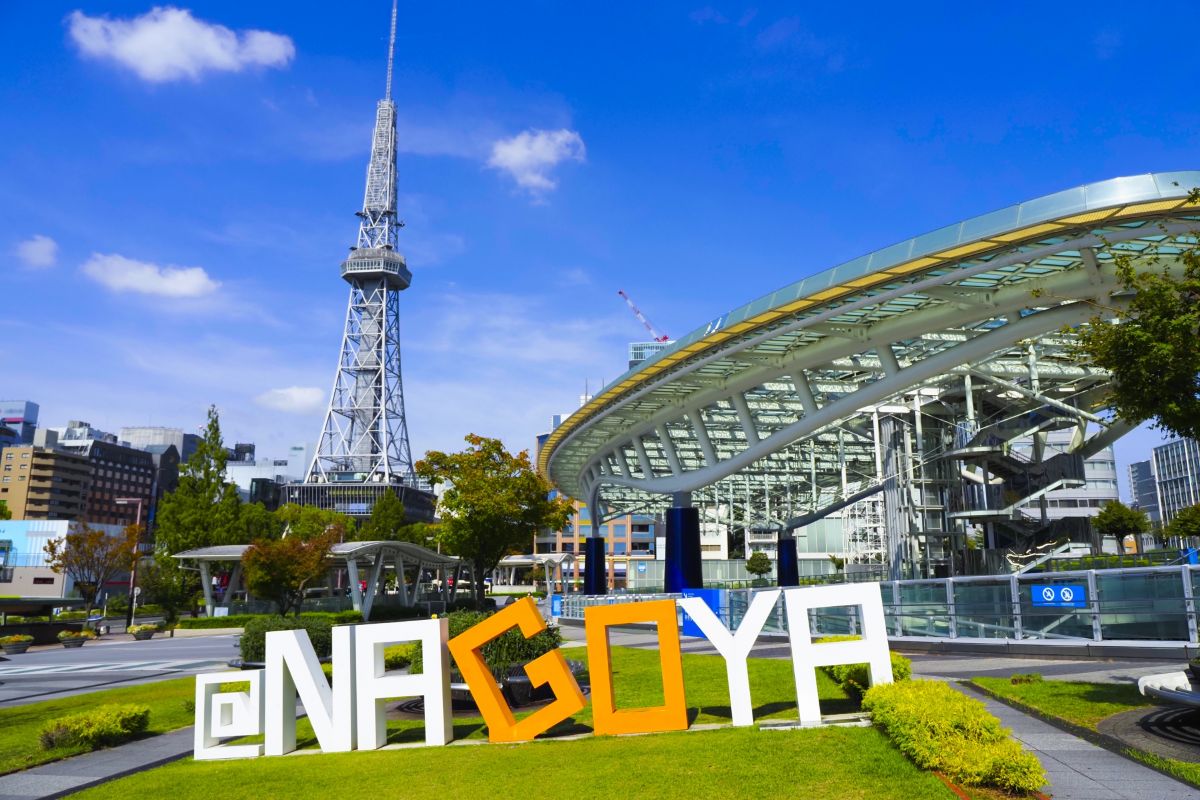
Tebasaki Is One of Nagoya’s Signature Local Foods
Nagoya is known for its bold and memorable local food culture, often called Nagoya-meshi. Tebasaki is one of the most popular dishes in that category, alongside foods like miso katsu, hitsumabushi, and miso nikomi udon.
What makes tebasaki feel very Nagoya is not just the flavor. It is also the setting. Tebasaki is commonly eaten at izakaya, casual Japanese pubs where people drink beer, share small dishes, and snack on salty, flavorful foods. A plate of hot tebasaki on the table almost feels made for that kind of night.
The wings are small enough to eat one after another, flavorful enough to keep you reaching for the next piece, and peppery enough to make a cold drink taste even better. That combination is probably why tebasaki became such a strong part of Nagoya’s food identity.
The Origin Story: From Mistake to Famous Local Dish
One of the most famous names connected to Nagoya tebasaki is Furaibo, often described as the original tebasaki restaurant. The story goes that tebasaki became popular after chicken wings were used creatively when a large amount of wings ended up available by mistake.
Instead of treating the wings as a problem, they were turned into a new dish: fried chicken wings coated in a rich, sweet-savory sauce. Over time, this style became one of Nagoya’s most recognizable foods.
Later, another major name, Sekai no Yamachan, helped spread a spicier, pepper-heavy version of tebasaki. Today, many visitors to Nagoya compare Furaibo and Yamachan as part of the tebasaki experience.
What Makes Nagoya Tebasaki Special?
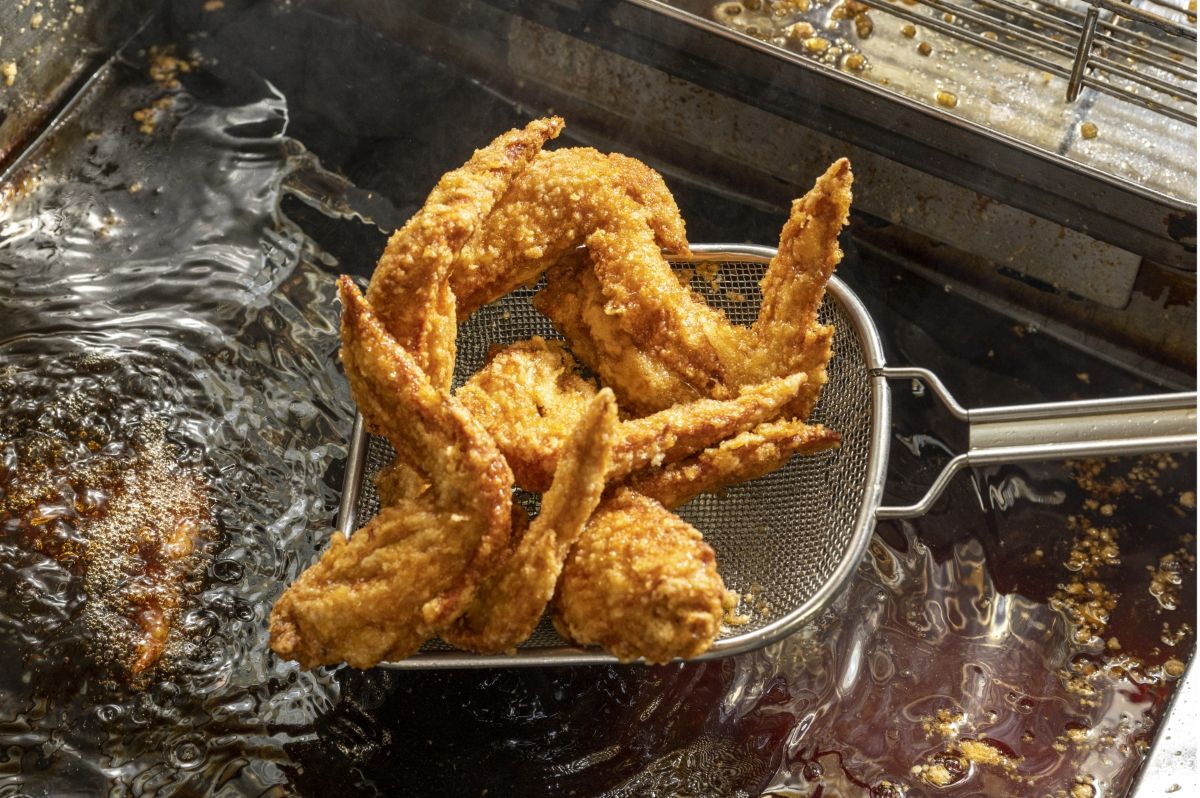
Crispy Skin, Sweet Soy Glaze, and Lots of Pepper
The charm of Nagoya-style tebasaki is the balance of texture and flavor. The skin is fried until crisp, while the inside stays juicy because chicken wings naturally contain skin, fat, connective tissue, and bone.
The sauce is usually based on Japanese pantry ingredients such as soy sauce, mirin, sake, and sugar. Garlic and ginger may also be added for extra aroma. After the wings are glazed, they are often finished with sesame seeds and pepper.
The result is a flavor that is:
- Sweet from sugar, mirin, or honey
- Salty and savory from soy sauce
- Aromatic from garlic, ginger, and sesame
- Peppery from black or white pepper
- Crispy from the fried chicken skin
That peppery finish is especially important. Without it, tebasaki can taste like a simple sweet soy chicken wing. With enough pepper, it becomes much closer to the Nagoya-style wings people travel for.
The Chicken Wing Itself Adds Richness
Tebasaki works so well because the cut of meat has a lot going on. Chicken wings contain skin, small bones, cartilage, fat, and connective tissue. When heated, the collagen-rich parts soften and turn gelatinous, giving the wings a rich texture and deep flavor.
This is also why tebasaki can feel more satisfying than it looks. Each wing may be small, but the combination of crispy skin, savory glaze, and juicy meat makes it very flavorful.
It Is Usually Eaten by Hand
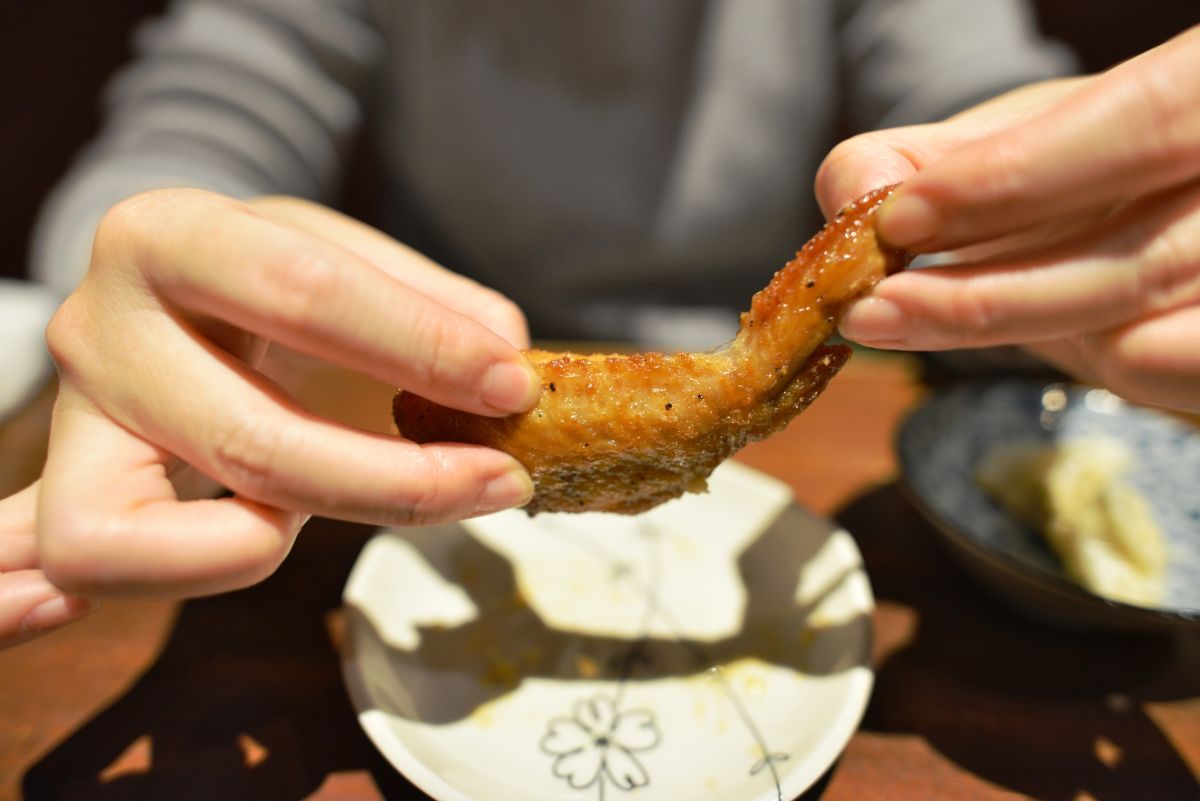
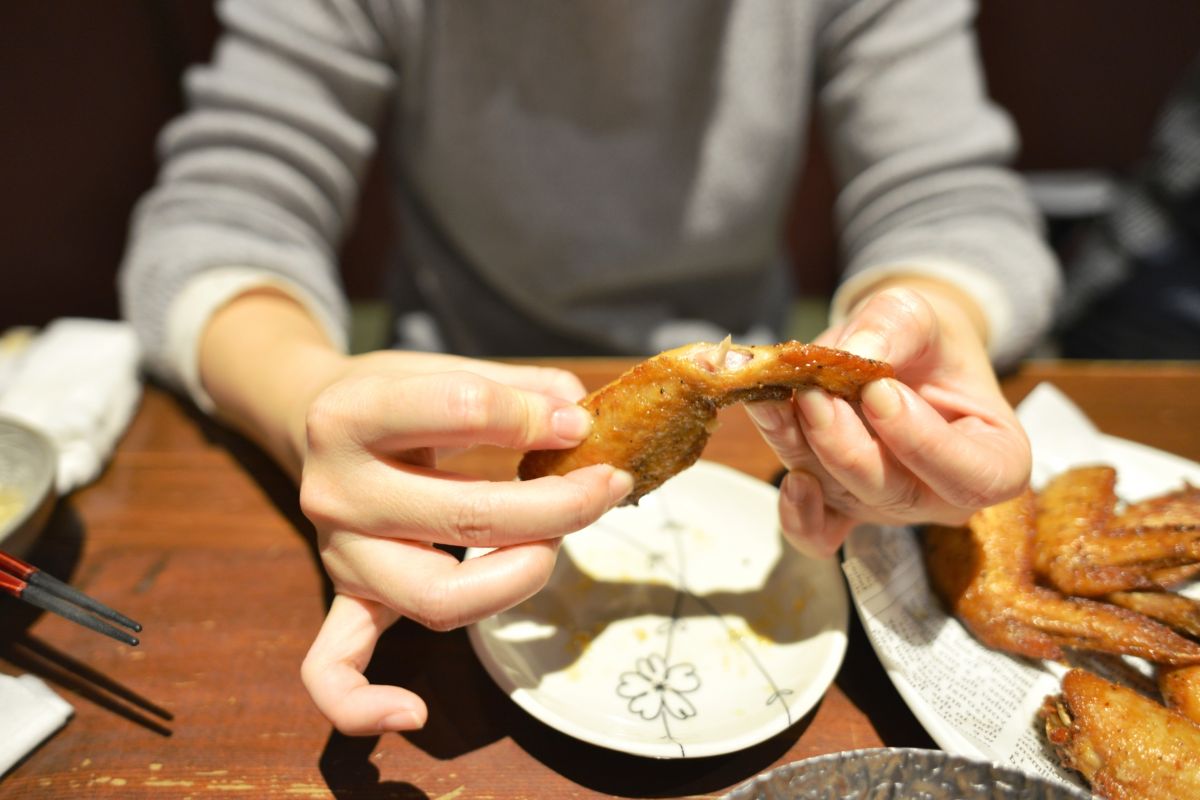
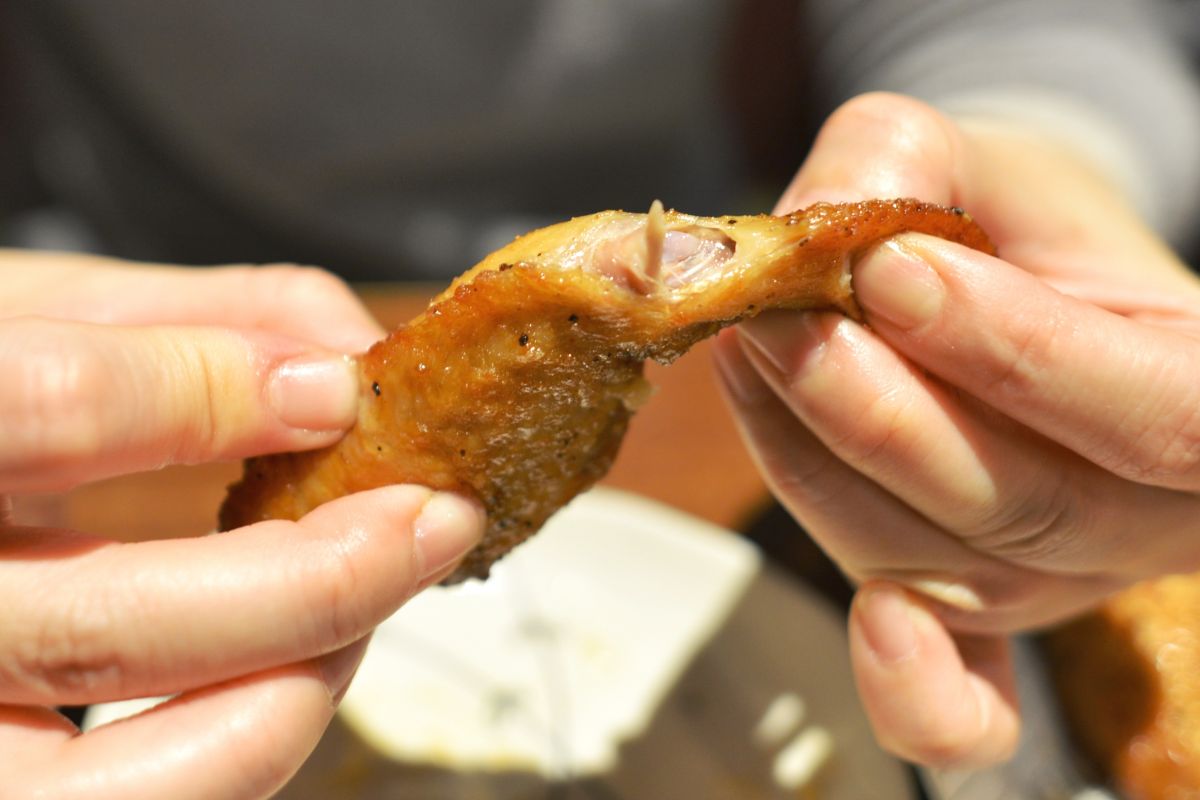
Tebasaki is a hands-on food. You normally do not eat it neatly with a fork and knife. You pick it up, pull the meat from the bones, and enjoy the crispy edges and sauce-covered skin.
At first, the bones can make it seem tricky, especially if you are not used to Japanese-style chicken wings. But in Nagoya, that “how do I eat this?” moment is almost part of the fun. Some restaurants even explain their recommended way to eat tebasaki so you can get the meat off the bone more easily.
Tebasaki vs Karaage vs Yakitori vs Buffalo Wings
Tebasaki vs Karaage
Karaage is Japanese fried chicken, usually made with bite-sized pieces of chicken thigh or breast. The chicken is often marinated with soy sauce, garlic, ginger, and sake, then coated in potato starch or flour and fried.
Tebasaki, on the other hand, focuses on chicken wings. Nagoya-style tebasaki is usually known for its crispy skin, sweet soy glaze, sesame, and pepper. It is bone-in, messier, and more snack-like than many types of karaage.
A simple way to remember the difference:
- Karaage: Japanese fried chicken pieces
- Tebasaki: Japanese chicken wings, often Nagoya-style with sweet soy glaze and pepper
Tebasaki vs Yakitori
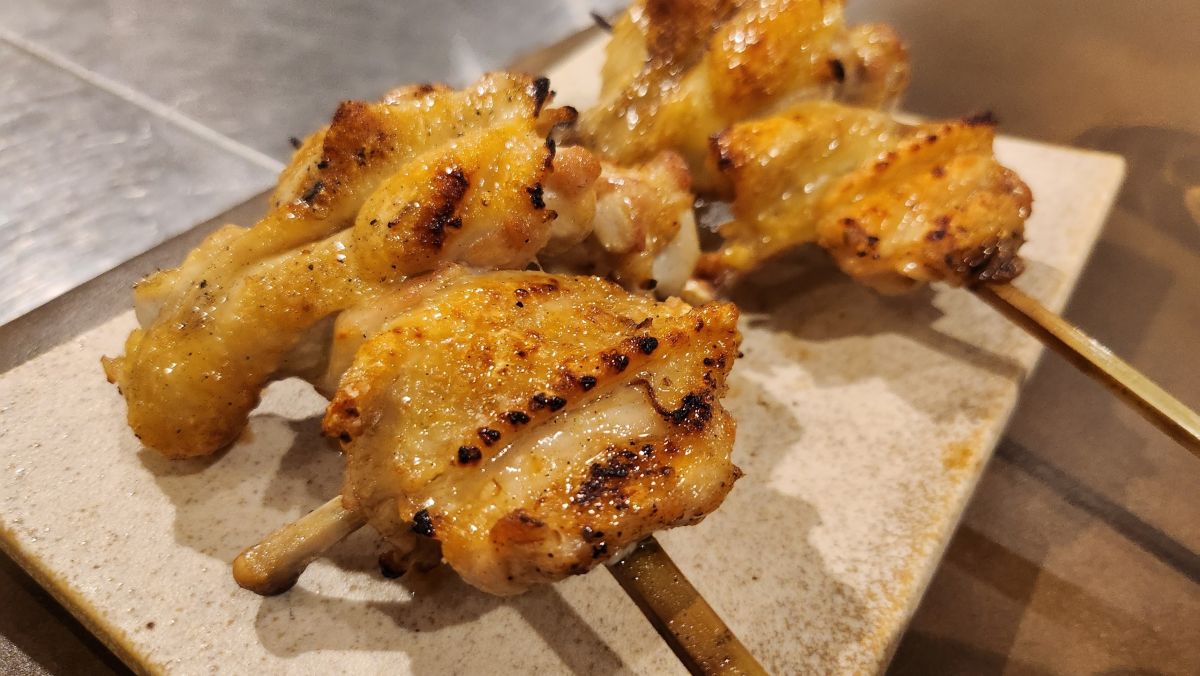
Yakitori is grilled chicken on skewers. It is usually cooked over charcoal and seasoned with salt or a sweet soy-based tare sauce. Yakitori can use many parts of the chicken, including thigh, skin, liver, meatballs, and sometimes wings.
Tebasaki is not usually served on a skewer. The famous Nagoya version is fried, glazed, and eaten by hand. Yakitori is about grilled aroma and skewer culture, while tebasaki is about crispy wings, sticky-savory sauce, and pepper.
Tebasaki vs Buffalo Wings
For many English-speaking readers, the easiest comparison is probably buffalo wings. Both are chicken wing dishes, both are great with drinks, and both can be a little messy in the best way.
But the flavor direction is very different. Buffalo wings are usually coated in a hot sauce and butter mixture, often served with blue cheese or ranch dressing. They are tangy, spicy, and rich.
Tebasaki is more Japanese in flavor. It usually uses soy sauce, mirin, sake, sugar, garlic, ginger, sesame, and pepper. Instead of a buttery hot sauce, the taste is sweet-savory, glossy, and peppery.
- Buffalo wings: hot sauce, butter, tangy heat, often served with dip
- Tebasaki: soy glaze, sesame, pepper, crispy skin, often eaten at izakaya
How to Make Tebasaki at Home
Basic Ingredients for Nagoya-Style Tebasaki
You do not need many rare ingredients to make tebasaki at home. Most of the flavor comes from a simple Japanese-style sauce and a good amount of pepper.
For a basic homemade version, prepare:
- Chicken wings
- Soy sauce
- Mirin
- Sake
- Sugar or honey
- Garlic
- Ginger
- Sesame seeds
- Black pepper or white pepper
- Potato starch, optional
- Neutral frying oil
Potato starch is optional, depending on the style you want. Some tebasaki recipes are very lightly coated, while others rely more on the natural chicken skin becoming crisp during frying.
Basic Cooking Steps
Here is a simple flow for making Nagoya-style tebasaki at home:
- Dry the wings well. Use paper towels to remove moisture from the surface. This helps the skin crisp up.
- Make small cuts near the bones. Cutting along the bone helps the heat reach the inside and allows the sauce to cling better.
- Lightly coat the wings, if using starch. A thin layer of potato starch can help create a crisp surface.
- Fry the wings. For a crispier result, fry once at a moderate temperature, then fry again briefly at a higher temperature.
- Prepare the sauce. Simmer soy sauce, mirin, sake, sugar, garlic, and ginger until slightly thickened.
- Glaze the wings quickly. Toss or brush the fried wings with the sauce while they are hot.
- Finish with sesame and pepper. Sprinkle generously with sesame seeds and black or white pepper.
Tips for Crispy and Juicy Tebasaki
The biggest trick is moisture control. Chicken wings will not crisp well if the surface is wet, so drying them carefully before cooking makes a real difference.
Another useful step is making a small cut along the bone. Tebasaki has bones and connective tissue, so this helps the inside cook more evenly. It also helps the flavor reach deeper into the meat.
If you want a more restaurant-like texture, double-frying is helpful. The first fry cooks the meat, and the second fry makes the skin crispier. After that, do not soak the wings too long in sauce. A quick coating keeps the flavor strong without completely softening the skin.
Finally, do not be shy with the pepper. The sweet soy glaze gives tebasaki its glossy, savory base, but the pepper gives it that addictive Nagoya-style punch.