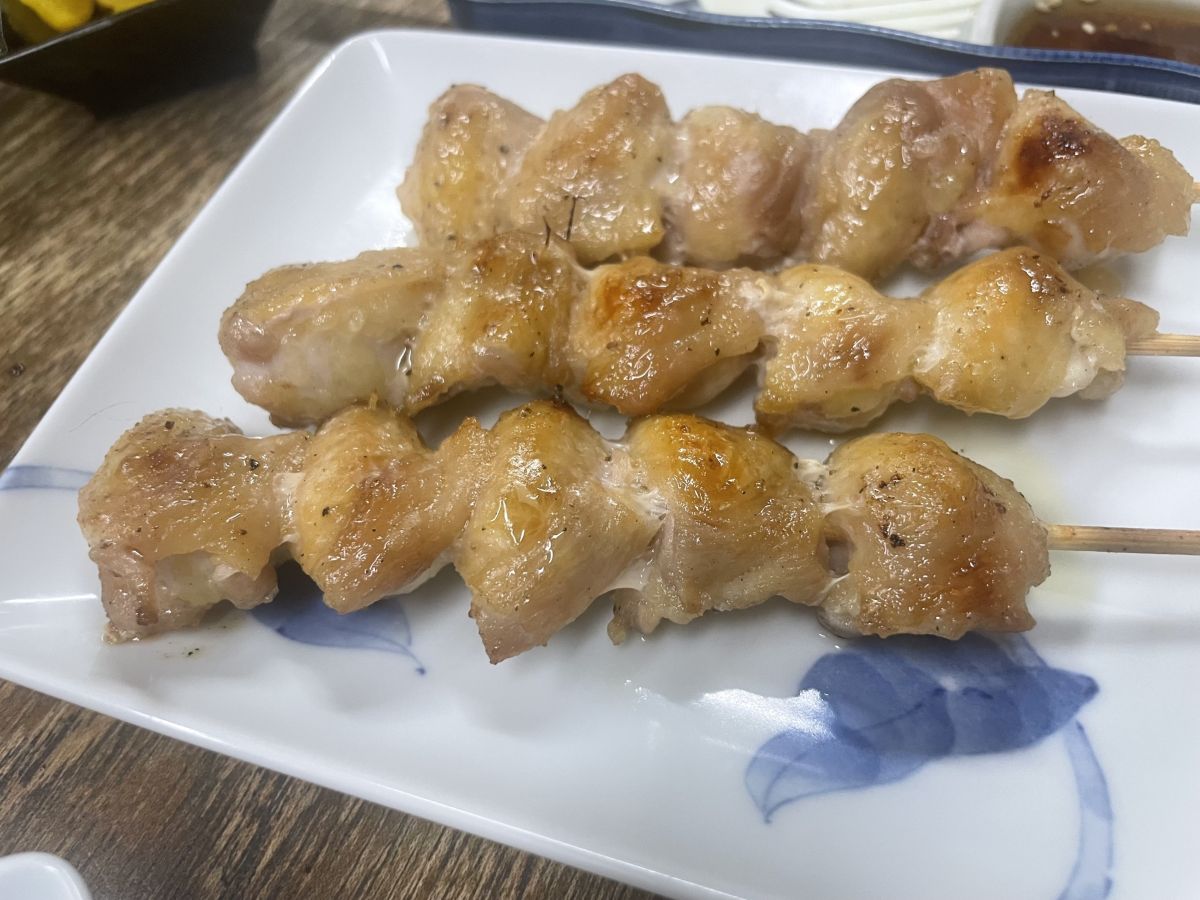
Bonjiri is a small, fatty cut from the tail end of a chicken. In English, it is often translated as chicken tail or chicken tail meat.
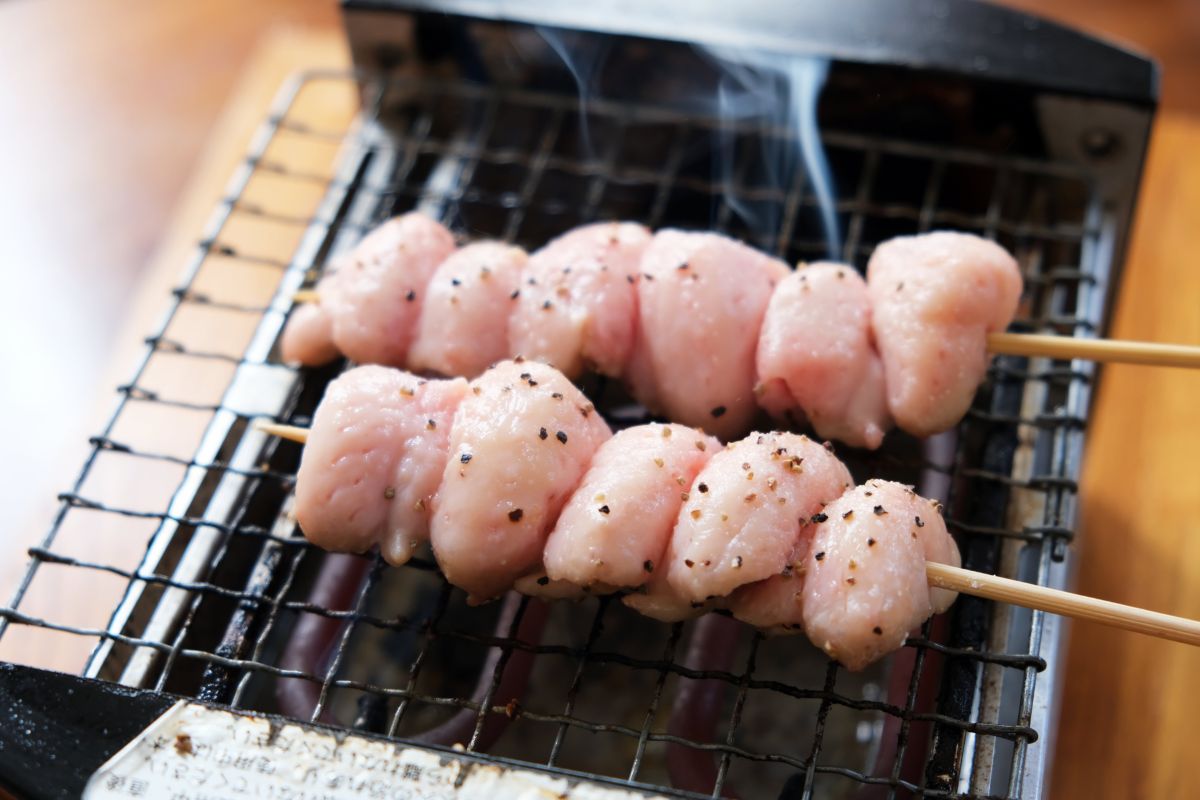
In Japan, bonjiri is especially popular as yakitori. When grilled, it becomes crispy on the outside and juicy, rich, and soft on the inside.
What Is Bonjiri?
Bonjiri refers to the meat around the tailbone of a chicken. More specifically, it comes from the tail end, near the chicken’s coccyx. It is a very small part of the bird, made up of skin, rich fat, and a little muscle.
This is important because bonjiri is not just chicken skin. Chicken skin is thin and mostly skin tissue, while bonjiri is thicker and richer because it includes the fatty area under the skin as well as small muscles around the tail.
Bonjiri Comes from the Tail End of the Chicken
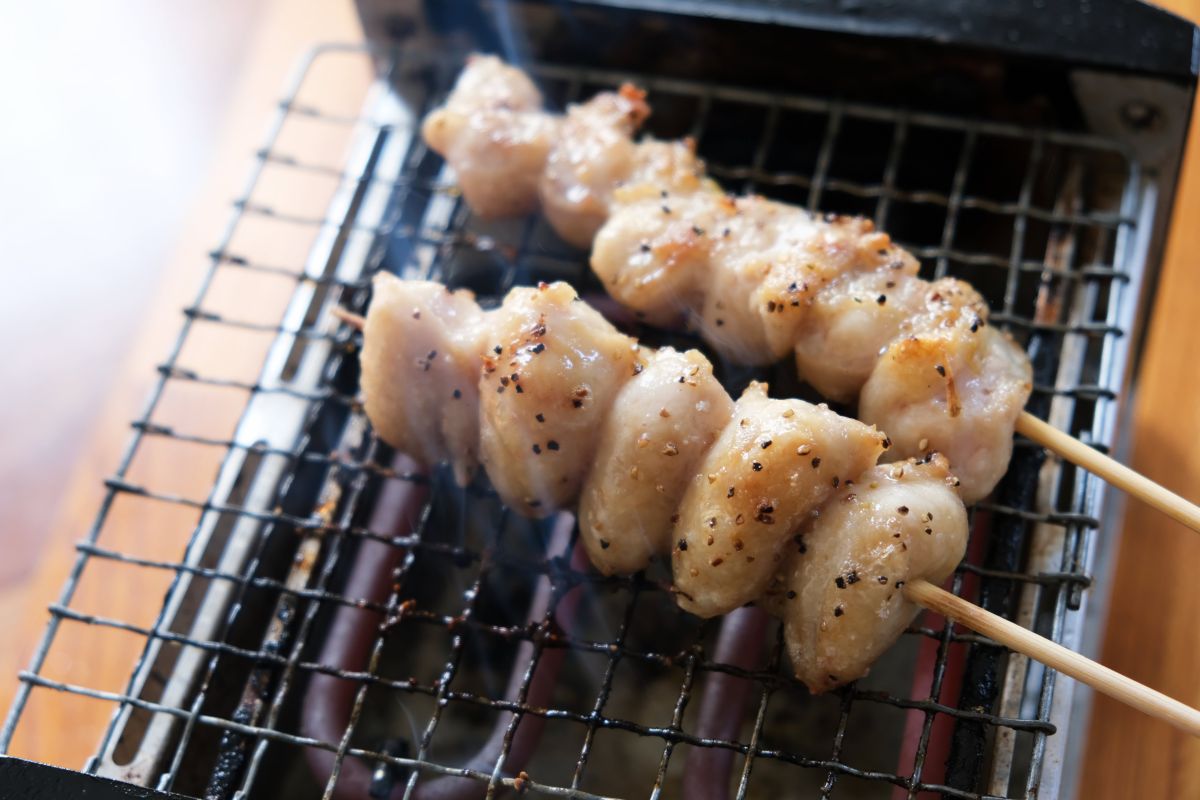
In English, the most practical translation of bonjiri is chicken tail or chicken tail meat. Some menus may also call it tail end of chicken or meat around the chicken tailbone.
That may sound very direct, but it is actually the clearest way to understand the cut. Bonjiri is the fatty, flavorful piece located at the back end of the chicken, around the tailbone.
If you are ordering at a yakitori restaurant, you can think of it as one of the richest and juiciest chicken cuts on the menu.
Why Is Bonjiri Considered Rare?
Bonjiri is considered rare because each chicken has only one tail. That means only one small piece of bonjiri can be taken from a single bird.
A typical bonjiri yakitori skewer often uses several pieces, usually around four or five. In other words, one skewer may require the tail meat from four or five chickens. That is a big reason why bonjiri is treated as a special cut rather than an everyday chicken part.
Compared with chicken breast or thigh, which can be cut into many portions, bonjiri is naturally limited. Its small supply is part of what makes it feel special on a yakitori menu.
What Does Bonjiri Taste Like?
Bonjiri is all about richness. If you like juicy, fatty, deeply savory grilled meat, there is a good chance you will enjoy it.
The flavor is often described as rich, sweet, and full of chicken umami. Because it contains a lot of fat, the taste is more intense than lean chicken breast and even richer than many parts of chicken thigh.
Fatty, Juicy, and Rich
The biggest feature of bonjiri is its fat. When grilled, that fat melts and spreads through the meat, creating a soft, juicy texture. Some people in Japan describe bonjiri as the “toro of chicken”, comparing it to the fatty tuna belly prized in sushi.
That comparison makes sense. Bonjiri is not a lean or light cut. It is rich, oily in a good way, and satisfying in just a few bites.
Crispy Outside, Soft Inside
When bonjiri is grilled well, the outside becomes crisp and fragrant while the inside stays juicy. The fat under the skin helps the surface fry in its own oil, creating that delicious crispy edge that yakitori fans love.
At the same time, the center remains soft and moist. This contrast is one of the best parts of eating bonjiri: crispy outside, juicy inside, and a rich burst of flavor when you bite into it.
Is Bonjiri Crunchy?
Bonjiri is sometimes described as having a bit of bounce or chew, but it is not mainly a crunchy cartilage cut. It is better to think of it as springy, fatty, and juicy.
The small muscles around the chicken’s tail give it a pleasant chew, while the fat gives it softness. If it feels hard or unpleasantly tough, it may have been overcooked or not cleaned properly.
Bonjiri on a Yakitori Menu
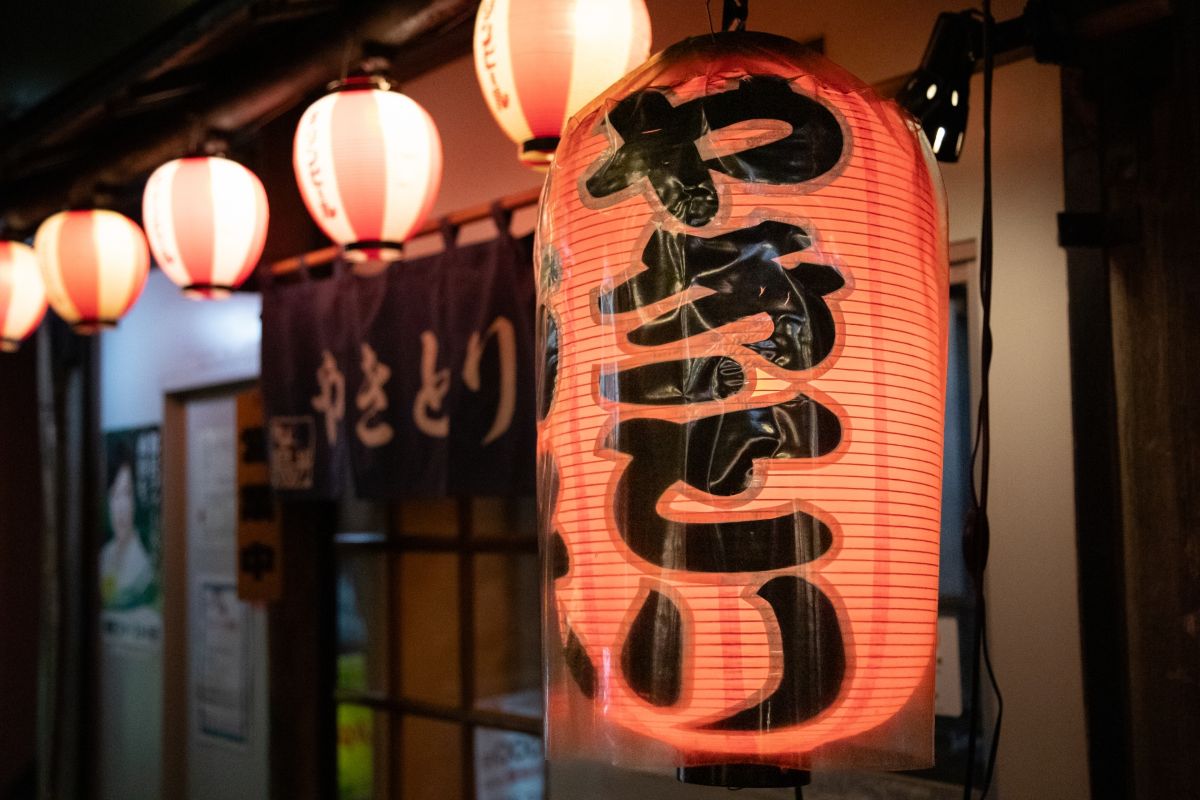
Bonjiri is most commonly enjoyed as yakitori, Japanese grilled chicken skewers. If you are visiting Japan or eating at a Japanese restaurant abroad, you may see bonjiri listed alongside other yakitori cuts like thigh, skin, liver, heart, and meatball.
Because bonjiri has several names, it helps to know the common menu terms before you order.
Common Names for Bonjiri
| Name | Meaning or Note |
|---|---|
| Bonjiri | The most common Japanese name for this cut. |
| Sankaku | Means “triangle,” referring to the triangular shape of the cut. |
| Bonbochi / Ponpochi | Regional or shop-specific names sometimes used in Japan. |
| Tail | A simple English menu translation. |
| Chicken tail | The clearest English explanation for most diners. |
| Pope’s nose / Parson’s nose / Bishop’s nose | Traditional English nicknames for the tail end of poultry. |
How to Order Bonjiri in English
If you are at a yakitori restaurant and want to try bonjiri, you can use simple phrases like these:
-
“Do you have bonjiri?”
-
“I’d like one chicken tail skewer, please.”
-
“Is this the fatty chicken tail part?”
-
“Can I get bonjiri with salt?”
-
“Can I get bonjiri with tare sauce?”
In Japan, saying bonjiri is usually enough. At restaurants outside Japan, chicken tail may be easier to understand than pope’s nose, even though pope’s nose is a real traditional term in English.
Salt or Tare: Which Is Better for Bonjiri?
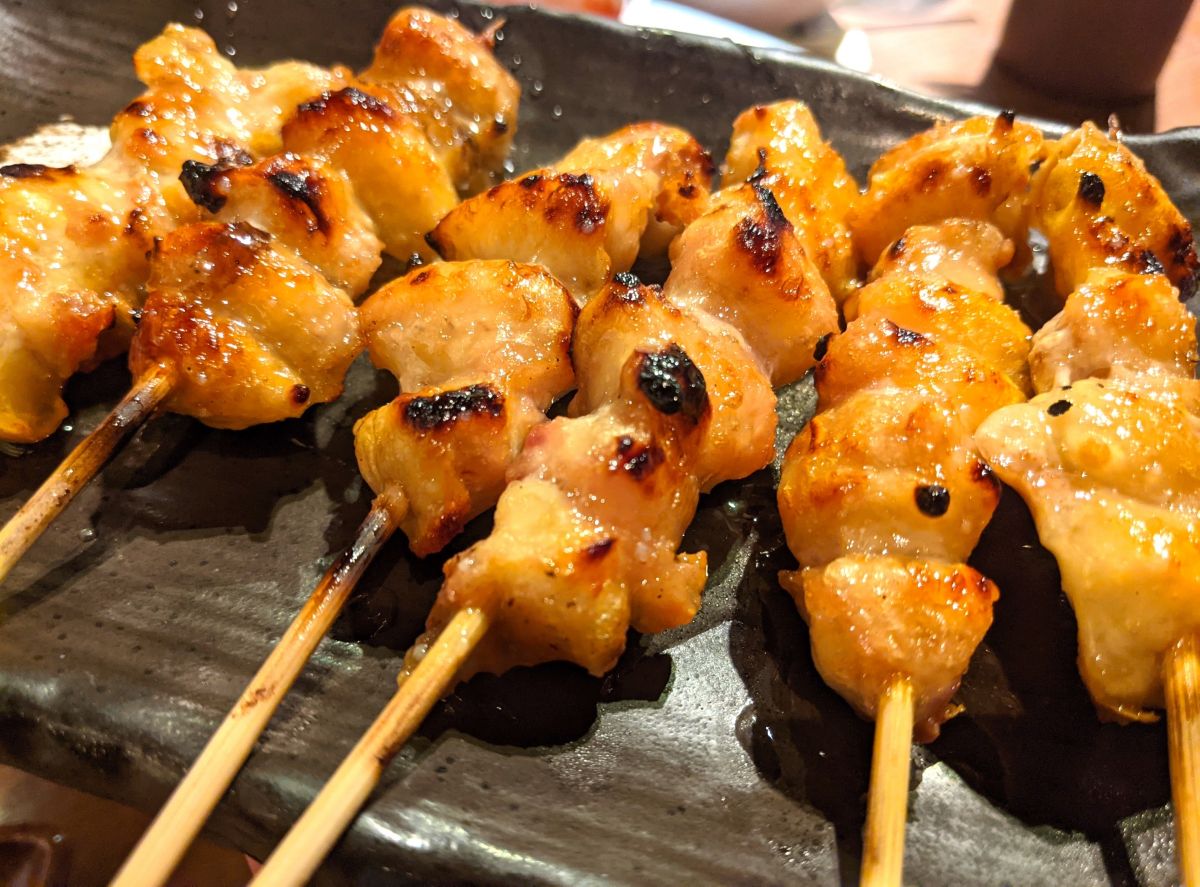
Yakitori is often seasoned with either shio, meaning salt, or tare, a sweet-savory soy-based sauce.
For a first try, salt is a great choice because it lets you taste the natural sweetness of the fat. Bonjiri already has a lot of flavor, so it does not need much help.
Tare is also delicious, especially if you like a richer and sweeter taste. The sauce clings to the fatty surface, caramelizes as it grills, and creates a deeper, more powerful flavor.
Simple Recommendation
Try bonjiri with salt first if you want to understand the cut itself. Try it with tare if you want something heavier, sweeter, and more indulgent.
Is Bonjiri the Same as Chicken Skin?
No, bonjiri is not the same as chicken skin, although the two can feel similar at first because both are fatty and can become crispy when grilled.
Chicken skin is simply the skin of the chicken. Bonjiri includes skin, a thick layer of fat, and a small amount of muscle around the tailbone. This makes bonjiri thicker, juicier, and more intense than ordinary chicken skin.
Bonjiri vs. Chicken Skin
| Cut | Main Feature | Texture | Flavor |
|---|---|---|---|
| Chicken Skin | Mostly skin | Crispy or chewy | Fatty but relatively thin |
| Bonjiri | Skin, fat, and small muscle around the tail | Juicy, bouncy, and rich | Much fattier and more intense |
If chicken skin is like a crispy snack, bonjiri is more like a tiny, rich, juicy bite of grilled chicken fat and meat together.
Is Bonjiri Healthy?
Bonjiri is delicious, but it is not a lean cut. It is one of the fattier parts of the chicken, which is exactly why it tastes so rich.
If you are looking for high-protein, low-fat chicken, bonjiri is probably not the best choice. Chicken breast or tenderloin would fit that goal much better. Bonjiri is more of a treat: something to enjoy for flavor, texture, and the fun of yakitori.
Bonjiri Is High in Fat and Calories
Raw bonjiri can contain around 389 calories per 100 grams, with a very high fat content. When grilled, water and some fat drip away, but the calorie density can still remain high, sometimes around 405 calories per 100 grams.
That does not mean bonjiri is “bad.” It simply means it is rich. Like bacon, pork belly, or fatty tuna, the point is not to eat a huge amount every day. The point is to enjoy a small portion because the flavor is strong and satisfying.
How Much Bonjiri Should You Eat?
A few skewers can be plenty. Since bonjiri is fatty, it pairs well with lighter foods such as cabbage, grated daikon radish, cucumber, tomato, or a fresh salad.
If you are watching your fat intake, calories, cholesterol, or overall diet, it is better to treat bonjiri as an occasional yakitori item rather than a daily protein source.
Can You Make Bonjiri at Home?
Yes, you can make bonjiri at home, but depending on where you live, finding the cut may be the hardest part.
In Japan, bonjiri may be available at supermarkets, butcher shops, yakitori shops, or online. Outside Japan, especially in English-speaking countries, chicken tail meat is less common because many people do not usually cook this part of the chicken.
Why Bonjiri Can Be Hard to Find Outside Japan
The biggest challenge is supply. Since each chicken has only one tail, collecting enough bonjiri for skewers takes many chickens.
Regular supermarkets may not sell chicken tails as a separate item. Your best options are usually Asian butcher shops, Japanese grocery stores, specialty meat suppliers, restaurant suppliers, or online meat shops.
What to Ask for at a Butcher
If you want to buy bonjiri outside Japan, try asking with these phrases:
-
“Do you sell chicken tails?”
-
“Can I order chicken tail meat?”
-
“Do you have the tail end of the chicken?”
-
“I’m looking for the part used for Japanese bonjiri yakitori.”
If the butcher is not familiar with the word bonjiri, “chicken tail” will usually be the clearest starting point.
Bonjiri Needs Proper Cleaning
If you buy raw, unprepared chicken tails, they need careful cleaning before cooking. Bonjiri can include the tailbone and an oil gland near the tail. This oil gland can create a strong smell if it is not removed properly.
For beginners, pre-cleaned bonjiri or pre-skewered frozen bonjiri is much easier. If you can find bonjiri that has already had the bone and oil gland removed, you will save yourself a lot of work.
Useful English Terms When Buying Bonjiri
-
Chicken tail
-
Chicken tail meat
-
Tailbone
-
Oil gland
-
Chicken tail gland
-
Pre-cleaned bonjiri skewers