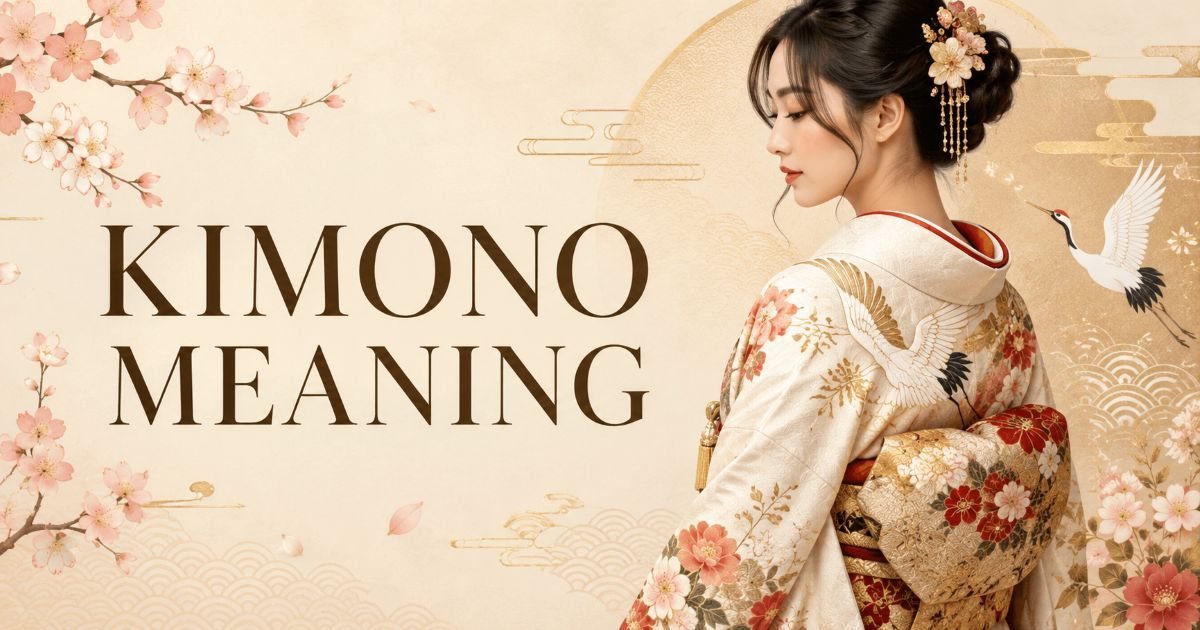
The word kimono may look simple at first, but its meaning goes far beyond “Japanese clothing.” From its literal Japanese roots to its patterns, colors, occasions, and modern use in Western fashion, the kimono carries many layers of cultural meaning.
1. The Literal Meaning and Etymology of Kimono
“`
The Japanese word kimono is written as 着物. It comes from two parts:
- Ki comes from the verb kiru, meaning “to wear.”
- Mono means “thing” or “object.”
So, the literal meaning of kimono is “a thing to wear”.
Originally, kimono did not only mean the traditional Japanese garment people imagine today. It simply referred to clothing in general. But as Western-style clothing became common in Japan, the word kimono gradually came to mean Japanese traditional clothing, especially in contrast to Western clothes.
That simple shift is part of what makes the meaning of kimono so interesting. A word that once meant “clothing” became a symbol of Japanese identity, tradition, and cultural memory.
“`
2. The Meaning of Kimono Patterns and Motifs
“`
One of the most beautiful parts of kimono culture is that the patterns are rarely just decoration. Many motifs carry wishes for long life, happiness, protection, prosperity, or a good marriage.
In other words, a kimono can quietly communicate hopes and blessings through its design.
Crane: Longevity and a Happy Marriage
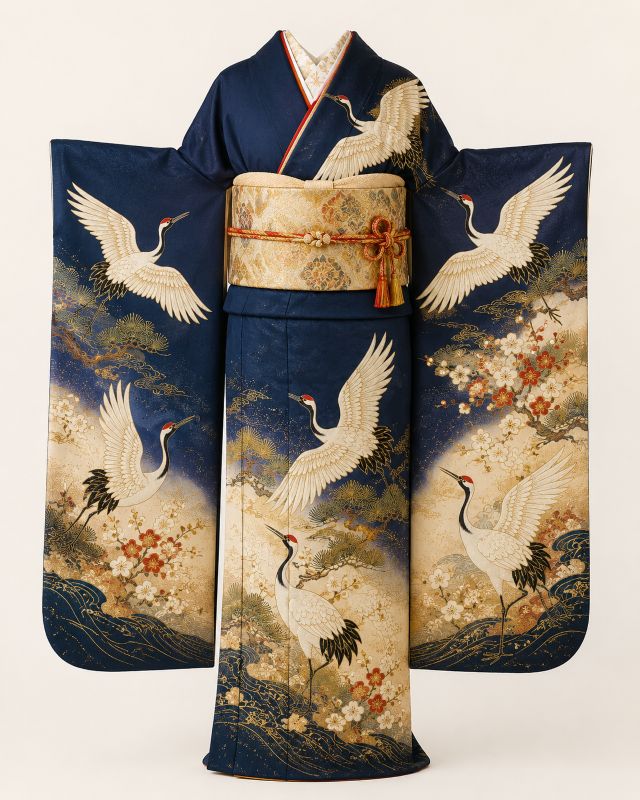
The crane, or tsuru, is one of the most famous symbols in Japanese design. It represents long life, good fortune, and marital harmony.
Because cranes are traditionally associated with longevity and lifelong pairing, they are often used on wedding kimono and other celebratory garments. A crane motif gives the impression of elegance, blessing, and a wish for lasting happiness.
Cherry Blossom: Beauty, Renewal, and New Beginnings
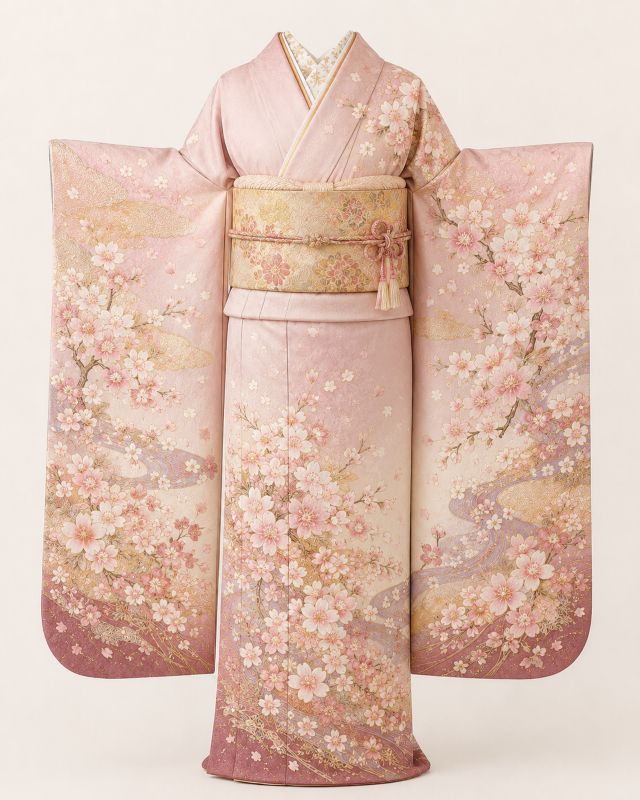
The cherry blossom, or sakura, is closely connected with spring in Japan. On a kimono, it can symbolize beauty, renewal, prosperity, and the beginning of something new.
Cherry blossoms also remind many people of how short and precious life can be. They bloom beautifully, but only for a brief time. That is why sakura patterns often feel both joyful and slightly emotional.
Pine, Bamboo, and Plum: Endurance, Growth, and Prosperity
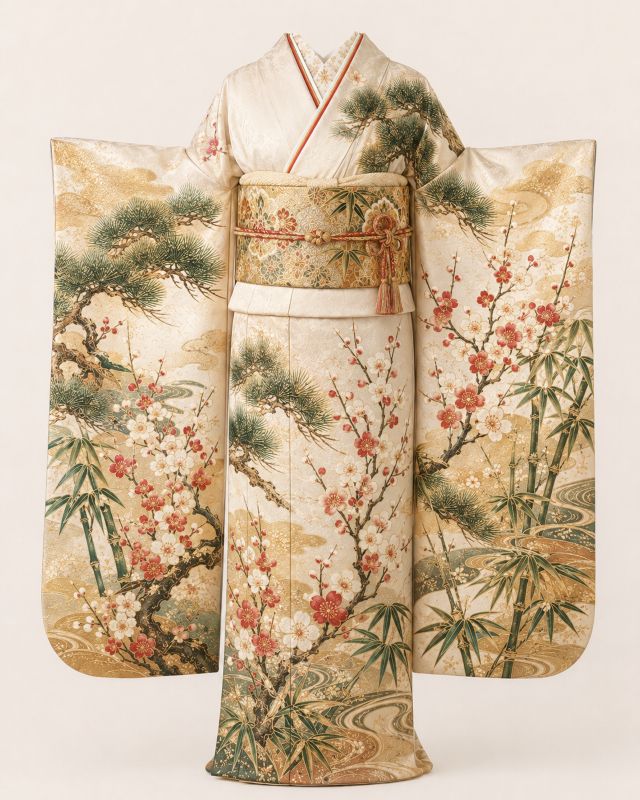
Pine, bamboo, and plum are known together as shōchikubai. This classic combination is considered highly auspicious.
- Pine suggests endurance and long life.
- Bamboo suggests strength, flexibility, and upright growth.
- Plum suggests hope and renewal because it blooms before many other flowers.
Together, they express a wish for resilience, longevity, and prosperity.
Seigaiha Waves: Peace and Continuing Happiness
The seigaiha pattern is made of repeating wave shapes. It symbolizes peace, good fortune, and happiness that continues into the future.
Because the waves repeat endlessly, this motif gives a feeling of calm continuity and lasting blessing.
Asanoha Hemp Leaf: Healthy Growth and Protection
The asanoha pattern is inspired by hemp leaves. Since hemp grows quickly and straight, this motif became a symbol of healthy growth.
It was often used for children’s clothing as a wish for the child to grow strong and safely. It is also connected with protection from harm.
Shippo: Harmony and Good Relationships
The shippo pattern is made from circles that overlap and continue in every direction. It represents harmony, connection, prosperity, and good relationships.
This pattern feels especially meaningful because it visually shows how people and good fortune can be connected.
Fan Motif: Expansion and Good Fortune
A fan opens outward, becoming wider as it spreads. Because of this shape, the fan motif symbolizes growth, expansion, good luck, and a bright future.
It is often used in celebratory designs because it suggests that happiness will continue to open up.
“`
3. Kimono Types and the Meaning of Different Occasions
“`
Kimono meaning also changes depending on the type of kimono and when it is worn. In Japanese culture, clothing can show the wearer’s age, role, marital status, level of formality, and respect for the occasion.
Furisode: Youth, Elegance, and Coming of Age
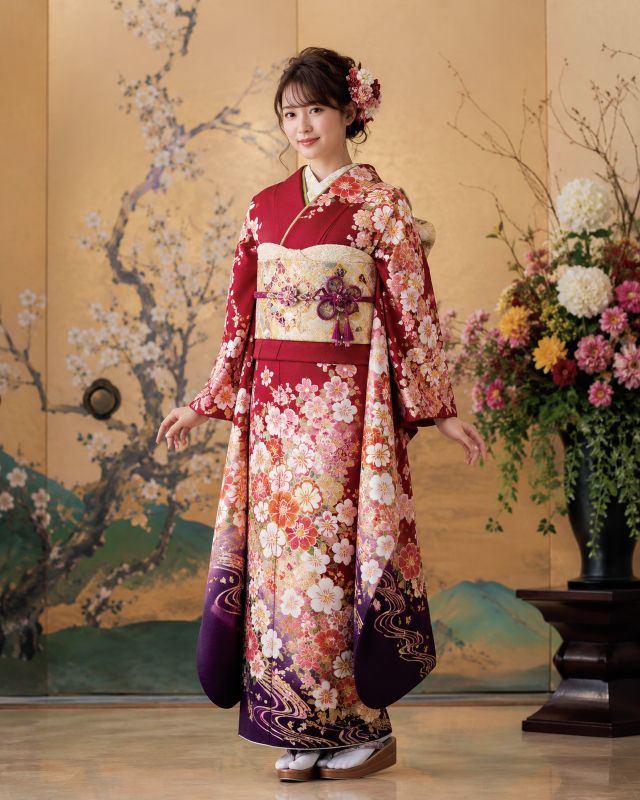
Furisode are formal kimono with long, flowing sleeves. They are usually worn by unmarried women, especially for Coming of Age Day.
The long sleeves are not only beautiful. Traditionally, the act of swinging or waving sleeves was connected with spiritual ideas such as driving away misfortune and attracting good fortune. Because of that, furisode can symbolize youth, protection, hope, and a new stage of life.
Tomesode: Formality and Family Dignity
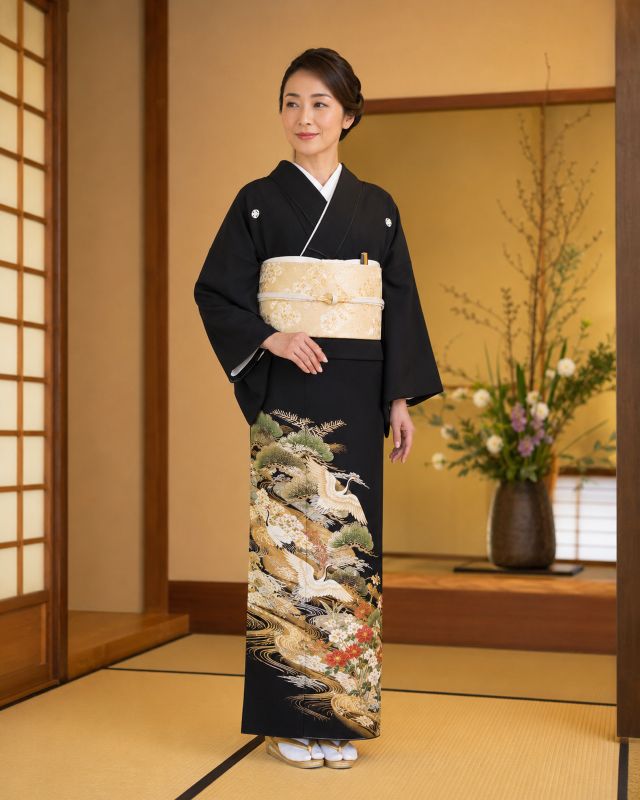
Tomesode are formal kimono often worn by married women. A black tomesode is one of the highest-ranking formal kimono for married women.
It is commonly worn by mothers and close female relatives at weddings. Its meaning is tied to dignity, respect, family responsibility, and the importance of the ceremony.
Homongi: Elegant Visiting Wear
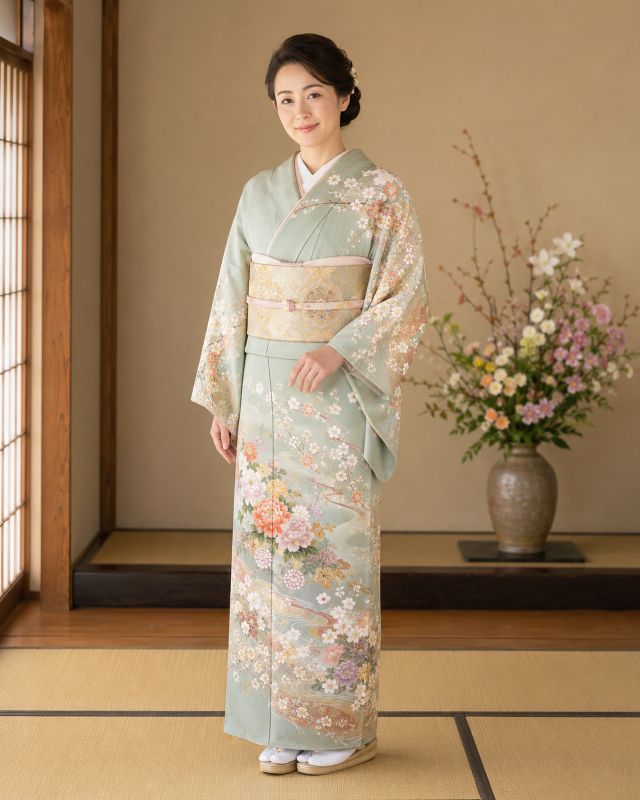
Homongi means “visiting wear.” It is a semi-formal kimono that can be worn by both married and unmarried women.
Homongi are often worn for wedding receptions, tea gatherings, formal visits, parties, and cultural events. They usually have flowing patterns that continue across the seams, creating a graceful and polished look.
Uchikake: Bridal Celebration and Good Fortune
Uchikake is a highly decorative outer kimono worn by brides in traditional Japanese weddings.
It is often decorated with lucky motifs such as cranes, pine, bamboo, plum blossoms, flowers, and flowing water. These designs express wishes for happiness, prosperity, long life, and a blessed marriage.
Yukata: Casual Summer Kimono
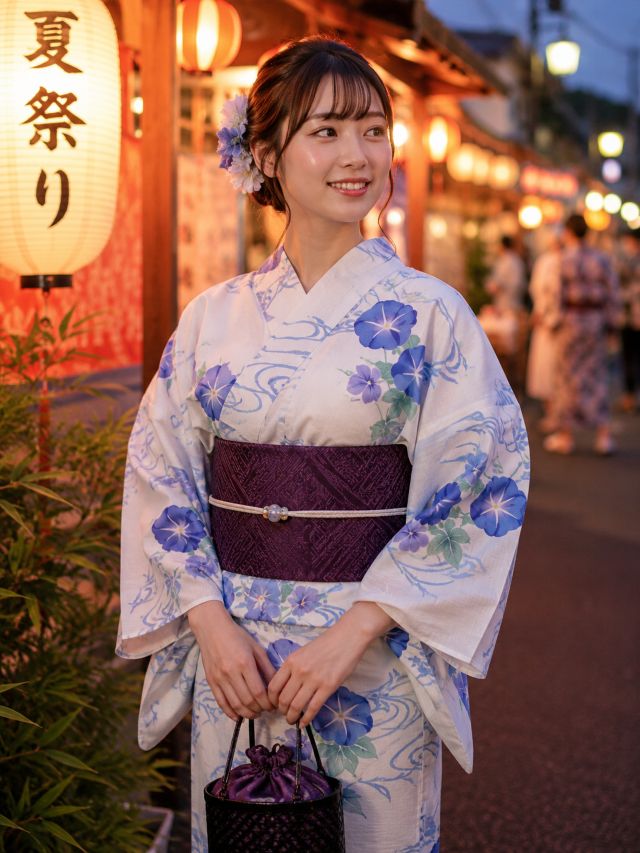
Yukata are casual, lightweight kimono usually made of cotton. They are often worn at summer festivals, fireworks events, hot springs, and relaxed seasonal gatherings.
Compared with formal kimono, yukata are simpler and easier to wear. Their meaning is more casual and seasonal, connected with summer, festivals, comfort, and everyday enjoyment of Japanese tradition.
Komon and Tsumugi: Everyday Style and Personal Taste
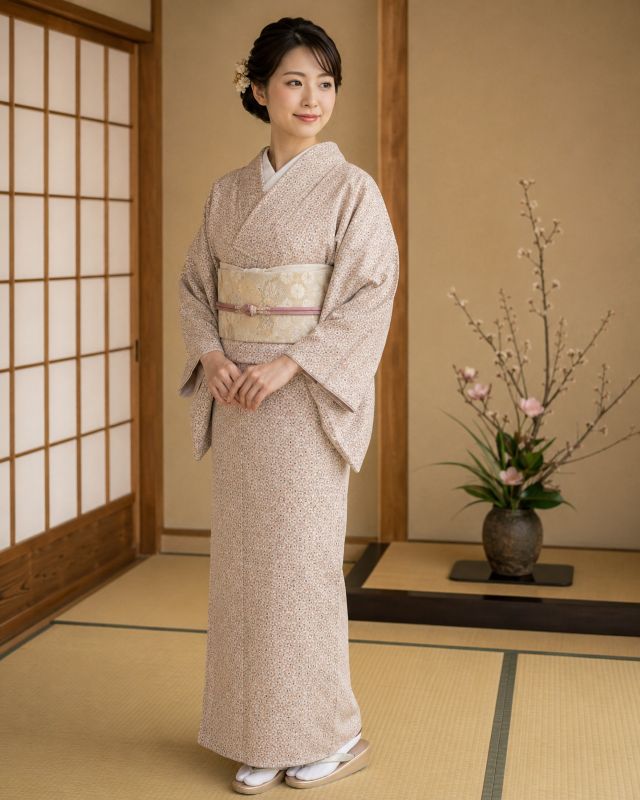
Komon are kimono with repeated patterns across the whole garment. They are usually worn for casual outings, theater visits, lunch, shopping, or informal gatherings.
Tsumugi are woven kimono made from dyed threads. Some are very valuable and beautifully crafted, but they are still generally considered casual rather than formal.
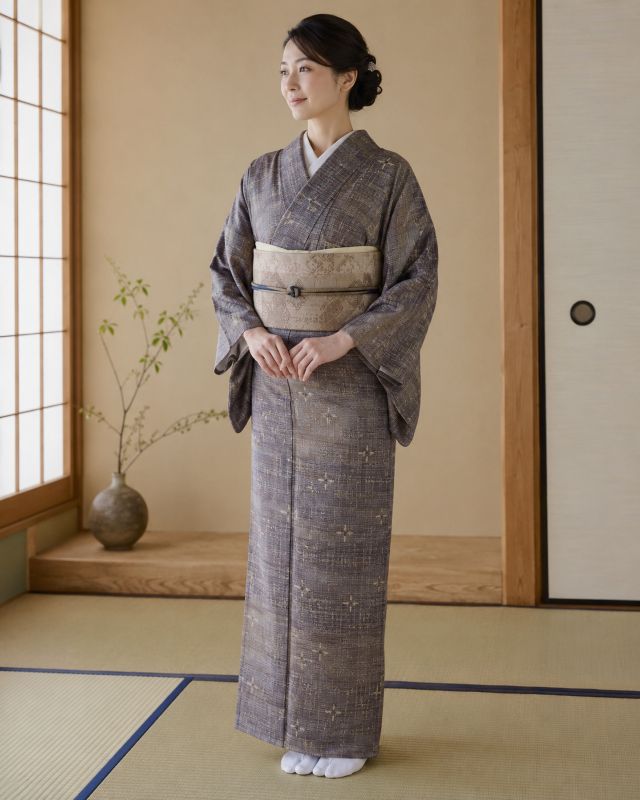
This is one of the surprising parts of kimono culture: price does not always decide formality. A very expensive woven kimono may still be unsuitable for a formal ceremony.
| Kimono Type | Main Meaning | Common Occasions |
|---|---|---|
| Furisode | Youth, elegance, protection, coming of age | Coming of Age Day, formal celebrations |
| Tomesode | Dignity, family role, formal respect | Weddings, formal ceremonies |
| Homongi | Graceful formality and social respect | Tea gatherings, parties, formal visits |
| Uchikake | Bridal celebration and good fortune | Traditional weddings |
| Yukata | Summer, relaxation, casual tradition | Festivals, fireworks, hot springs |
| Komon | Personal taste and casual elegance | Shopping, theater, casual outings |
| Tsumugi | Craftsmanship and everyday refinement | Travel, theater, relaxed social outings |
“`
4. The Meaning of Kimono Colors
“`
Color is another important part of kimono meaning. A color can suggest age, season, mood, formality, or spiritual meaning. However, kimono color meanings are not always fixed. They can change depending on the pattern, occasion, and type of kimono.
Red: Youth, Vitality, and Protection
Red is often connected with youth, energy, celebration, and protection from evil. It is a powerful color and is often seen in festive or youthful kimono designs.
White: Purity, Sacredness, and Transition
White can symbolize purity, sacredness, and a major life transition. In wedding culture, white bridal kimono are especially meaningful because they suggest purity and the beginning of a new stage of life.
Black: Formality and Dignity
Black often carries a sense of formality, seriousness, and dignity. A black tomesode, for example, is one of the most formal kimono worn by married women at weddings.
Gold: Prosperity and Celebration
Gold gives a kimono a celebratory feeling. It often suggests wealth, good fortune, brightness, and prosperity.
Purple: Elegance and Nobility
Purple has long been associated with refinement, elegance, and noble beauty. It can give a kimono a calm but graceful presence.
Blue: Calmness and Freshness
Blue often feels cool, calm, and refreshing. Depending on the design, it may suggest peace, clarity, water, or summer coolness.
Pink: Softness, Spring, and Youthful Beauty
Pink is often connected with spring, gentleness, youth, and beauty. It pairs naturally with cherry blossom motifs and other spring patterns.
| Color | Common Meaning |
|---|---|
| Red | Youth, vitality, celebration, protection |
| White | Purity, sacredness, transition |
| Black | Formality, dignity, maturity |
| Gold | Prosperity, good fortune, celebration |
| Purple | Elegance, refinement, nobility |
| Blue | Calmness, freshness, peace |
| Pink | Spring, softness, youthful beauty |
“`
5. Traditional Kimono vs. Western Fashion “Kimono”
“`
In English-speaking fashion, the word kimono is often used for loose robes, lightweight cardigans, or open-front cover-ups. These items may be inspired by the shape of Japanese clothing, but they are not the same as a traditional kimono.
A traditional Japanese kimono has a specific structure, way of wearing, and cultural meaning. It is usually T-shaped, wrapped left side over right, and secured with an obi. The patterns, colors, fabric, and occasion all matter.
A Western “kimono robe” or “kimono cardigan,” on the other hand, is usually a fashion item. It may be beautiful and comfortable, but it normally does not follow the same rules of formality, symbolism, or ceremonial use.
| Feature | Traditional Japanese Kimono | Western “Kimono” Fashion |
|---|---|---|
| Basic Meaning | A traditional Japanese garment with cultural and symbolic meaning | A robe, cardigan, or fashion piece inspired by kimono style |
| Shape | T-shaped and made from straight-cut fabric | Usually loose, flowing, and open-front |
| How It Is Worn | Wrapped and secured with an obi | Often worn open or tied casually |
| Symbolism | Patterns, colors, and type carry cultural meaning | Usually mainly decorative or stylistic |
| Occasions | Ceremonies, weddings, festivals, tea gatherings, formal events | Casual wear, beachwear, loungewear, fashion styling |
This does not mean Western kimono-style fashion cannot be appreciated. But understanding the difference helps us see why the original kimono is more than a loose robe. It is a garment shaped by Japanese history, seasonal beauty, social etiquette, and wishes woven into fabric.
“`