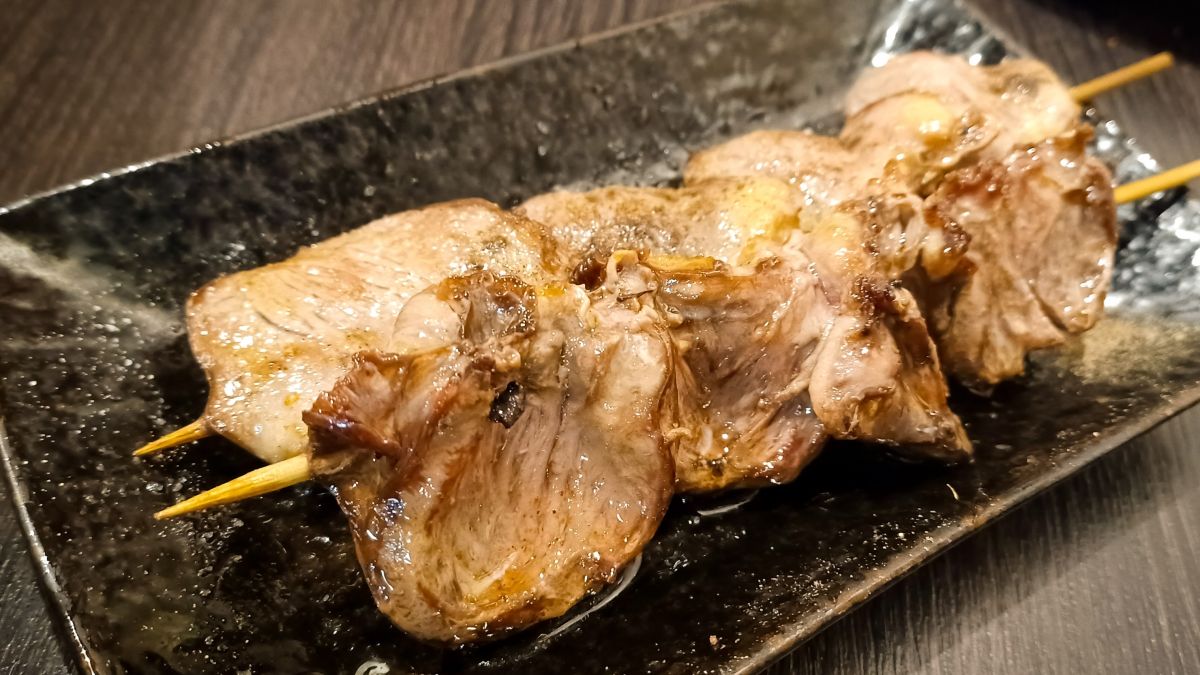
Chicken heart yakitori may sound intimidating at first, especially if you did not grow up eating organ meats. But in Japan, chicken heart, or hatsu, is a familiar yakitori skewer with a mild flavor, juicy bite, and pleasantly chewy texture. Here is what it tastes like, how to clean it, and how to cook it at home without a restaurant grill.
What Is Chicken Heart Yakitori?
Chicken heart yakitori is a Japanese grilled skewer made from the heart of a chicken. In Japanese yakitori restaurants, it is commonly called hatsu. You may also see it listed as kokoro, especially in some regions or restaurants.
Even though it is an organ meat, chicken heart is not as strong-tasting as many people expect. It is not creamy like liver, and it does not have the same intense metallic flavor. Because the heart is a muscle, it has a firm, springy texture and a clean, savory taste.
One thing that makes hatsu feel special is its rarity. A chicken has only one heart, and one skewer usually needs several chicken hearts. So while it may look like a simple yakitori item, it is actually a small, carefully prepared cut.
What Does Hatsu Taste Like?
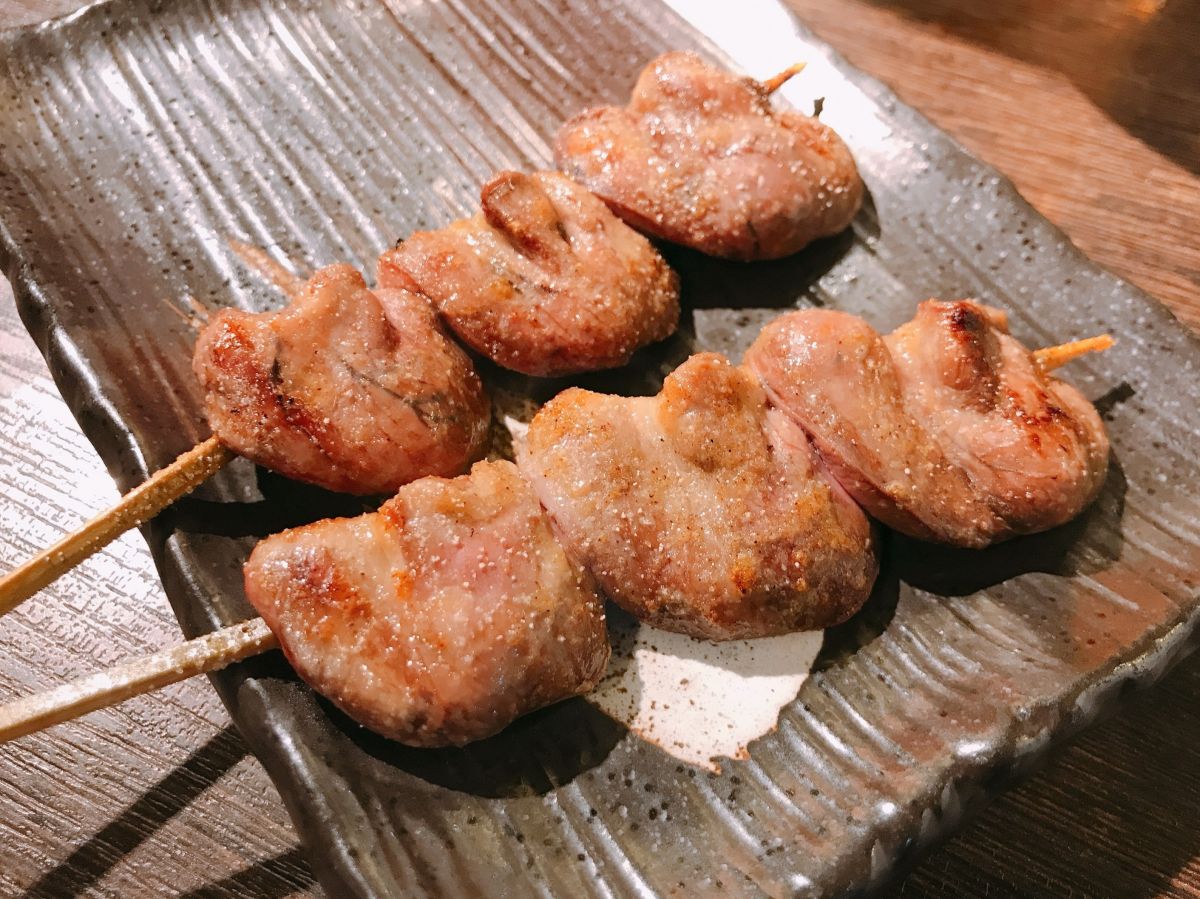
Hatsu tastes mild, savory, and slightly rich, with a clean meatiness that is easier to enjoy than many other organ meats. If you are nervous because you imagine something like liver, chicken heart is quite different.
“`
Is Chicken Heart Gamey or Metallic?
Chicken heart can have a little mineral-like depth, but it is usually much less metallic than liver. When it is fresh and cleaned properly, it should not taste aggressively bloody or gamey.
The biggest reason chicken hearts taste unpleasant is not the heart itself. It is usually leftover blood clots inside the heart or extra bits of fat and vessels that were not trimmed well. Once those are removed, the flavor becomes much cleaner.
What Is the Texture Like?
The texture is one of the best parts of chicken heart yakitori. It is firm, bouncy, and pleasantly chewy, but it should not be rubbery. A well-cooked piece has a light snap when you bite into it, followed by juiciness.
If it turns tough or rubbery, it was probably overcooked. Chicken heart needs enough heat to cook through safely, but too much time over heat can make the muscle tighten too much.
Is Hatsu Good for First-Time Organ Meat Eaters?
Yes. Hatsu is one of the easiest organ meats to try for the first time. It has more texture than regular chicken thigh or breast, but the flavor is not overwhelming.
If liver feels too strong for you, hatsu is a much gentler place to start. It gives you the fun of trying a classic Japanese yakitori cut without jumping straight into the more intense side of offal.
“`
Chicken Heart vs Chicken Liver: What Is the Difference?
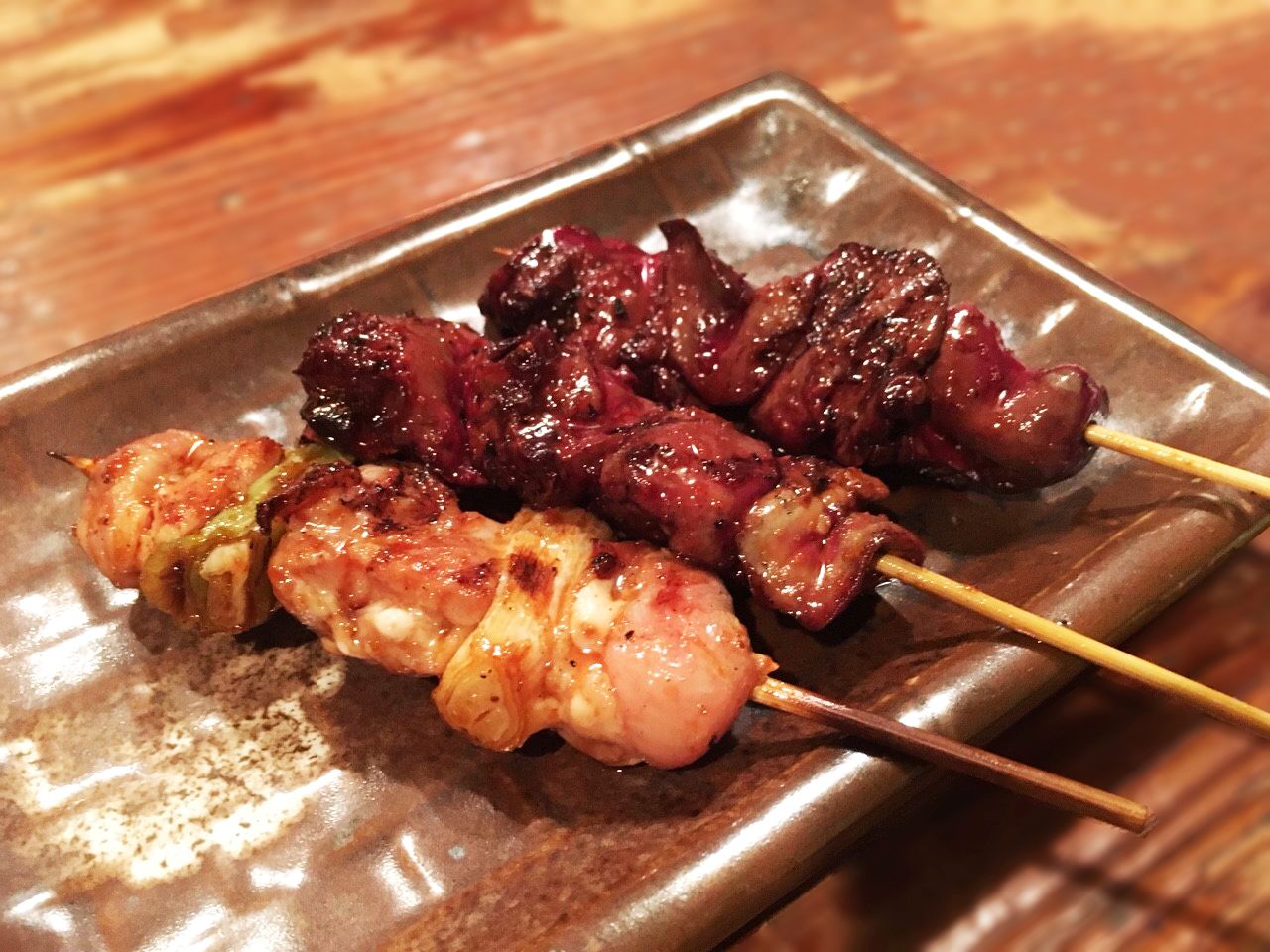
Chicken heart and chicken liver are both organ meats, but they feel completely different when you eat them.
“`
| Item | Chicken Heart / Hatsu | Chicken Liver |
|---|---|---|
| Part | Heart muscle | Liver |
| Flavor | Mild, savory, clean | Rich, strong, metallic |
| Texture | Firm, chewy, juicy | Soft, creamy, sometimes dense |
| Smell | Low when cleaned well | More noticeable |
| Beginner-friendly? | Very approachable | More polarizing |
The main point is simple: chicken heart does not taste like chicken liver. Hatsu is a muscle, so it eats more like a small, springy piece of meat than a soft organ. That is why many people who dislike liver can still enjoy chicken heart yakitori.
“`
How to Clean Chicken Hearts for Yakitori
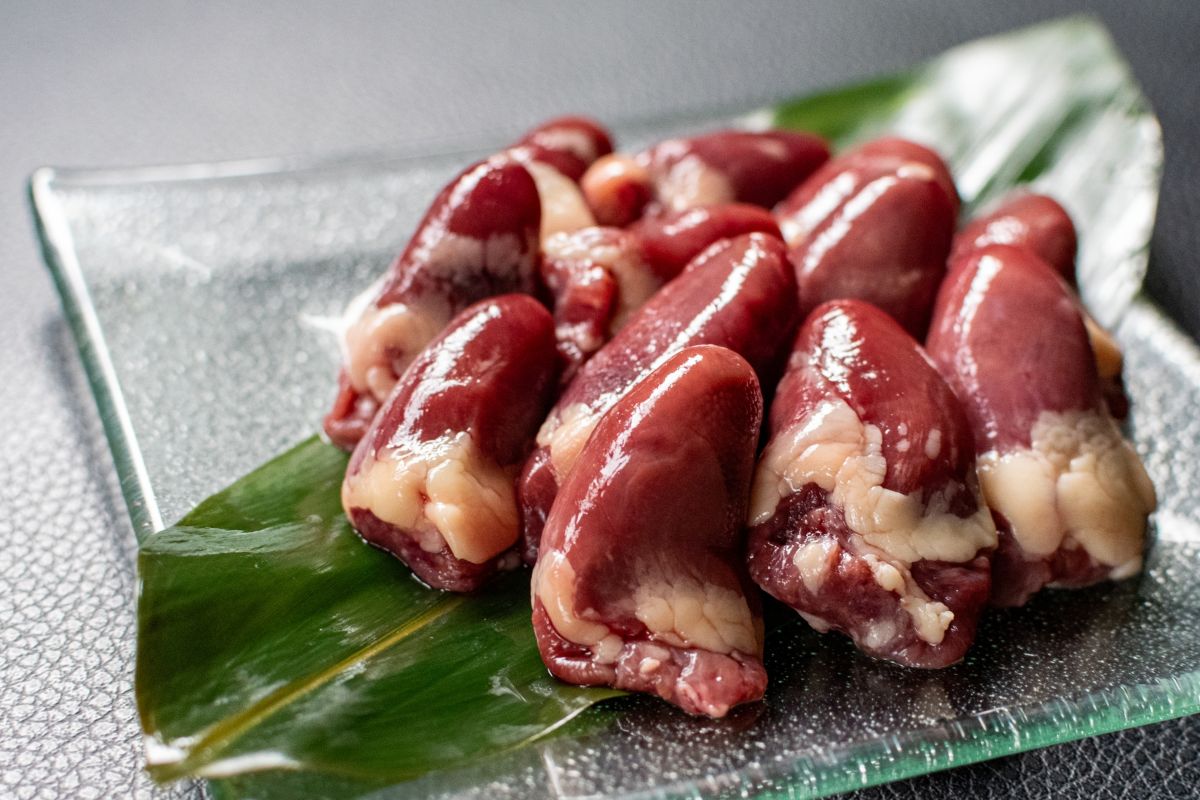
Cleaning is the most important step when making chicken heart yakitori at home. If you do it well, the final taste is clean and savory. If you skip it, the hearts may smell bloody or taste bitter.
“`
Do You Need to Soak Chicken Hearts in Milk or Salt Water?
You can soak chicken hearts briefly if you want, but it is not the main solution. Milk or salt water may help a little with surface smell, but the real issue is inside the heart.
Chicken hearts often contain dark blood clots inside. Those clots will not disappear just because the hearts are sitting in liquid. For clean-tasting yakitori, you need to open the hearts and physically remove the blood clots.
In other words, do not rely on soaking alone. A quick rinse is useful, but careful trimming is what really matters.
Step 1: Trim the Top Fat and Vessels
Look at the top of each chicken heart. You will often see white fat, vessels, or tough connective pieces. Trim away the parts that look overly fatty or stringy.
You do not need to remove every tiny bit of fat. A little fat helps the hearts stay juicy. But large pieces of fat or tough vessels can create a heavier taste and uneven texture.
Step 2: Cut the Heart Open
Place the heart on a cutting board and cut it lengthwise to open it. Some yakitori restaurants serve a whole-heart style called maru hatsu, but for home cooking, opening the heart is much easier and more reliable.
Once opened, the inside should be visible. This makes it much easier to remove anything that would cause a strong smell.
Step 3: Remove Blood Clots
Inside the heart, look for dark red or almost black clots. Use your fingers, the tip of a knife, or a small spoon to scrape them out.
This is the step that makes the biggest difference. If you want mild, clean chicken heart yakitori, do not skip it.
Step 4: Rinse Quickly and Dry Well
After trimming and removing the blood clots, rinse the hearts quickly under cold running water. Do not soak or wash them for too long, because too much water can make the hearts taste flat and watery.
After rinsing, pat them very dry with paper towels. Dry hearts brown better, smell cleaner, and get a more yakitori-like finish when cooked.
“`
How to Skewer Chicken Hearts
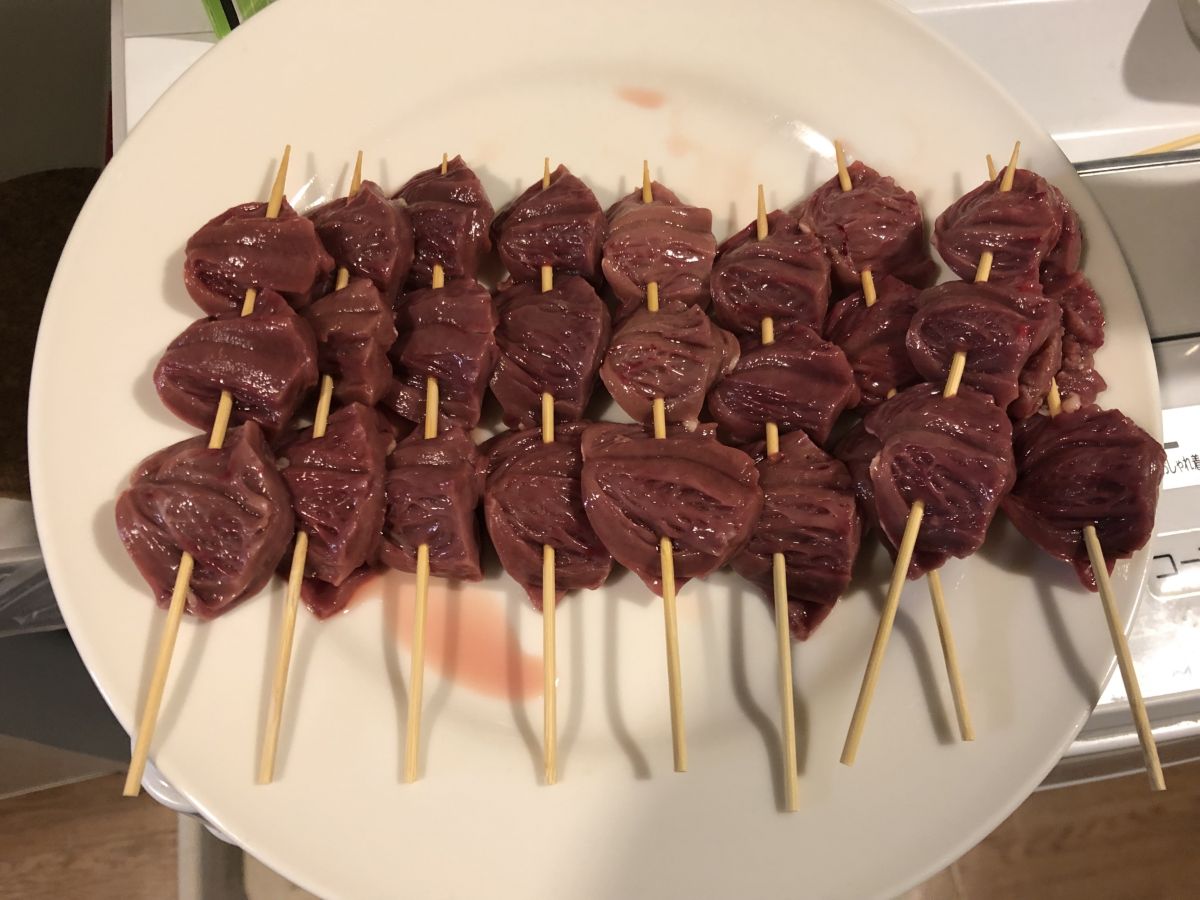
Skewering may look simple, but it affects both cooking and texture. If you are using bamboo skewers, soak them in water before cooking so they are less likely to burn.
Once the hearts are cleaned and dried, fold or arrange the opened pieces and thread them onto skewers. Try not to pack them too tightly. A little space helps the heat reach each piece more evenly.
One easy method is to place smaller pieces closer to the handle and larger pieces near the tip. This gives the skewer a nice shape and helps the bigger pieces get more direct heat.
You can also alternate the direction of each piece as you skewer. This creates a more interesting bite because the texture changes slightly from piece to piece.
How to Cook Chicken Heart Yakitori at Home
Traditional yakitori is often grilled over charcoal, and high-end shops may use binchotan charcoal. But you do not need binchotan to enjoy chicken heart yakitori at home. A pan, broiler, oven grill, or outdoor grill can all work.
“`
Pan-Fried Chicken Heart Yakitori
A frying pan is the easiest option for most home cooks. Heat a pan over medium-high heat. You usually do not need much oil, because chicken hearts contain some natural fat.
Place the skewers or loose hearts in the pan and sear them until the outside gets browned. Then lower the heat slightly and continue cooking until the hearts are cooked through.
The goal is a browned outside and juicy inside. Avoid cooking them for too long, or the texture may become tough.
Oven or Broiler Method
If you use an oven or broiler, place the skewers on a rack over a tray. This helps the heat circulate and lets extra fat drip away.
Cook the skewers until browned, turning them once or twice. If you are using tare, add it near the end rather than at the beginning, because the sugar in the sauce can burn quickly.
Grill Method
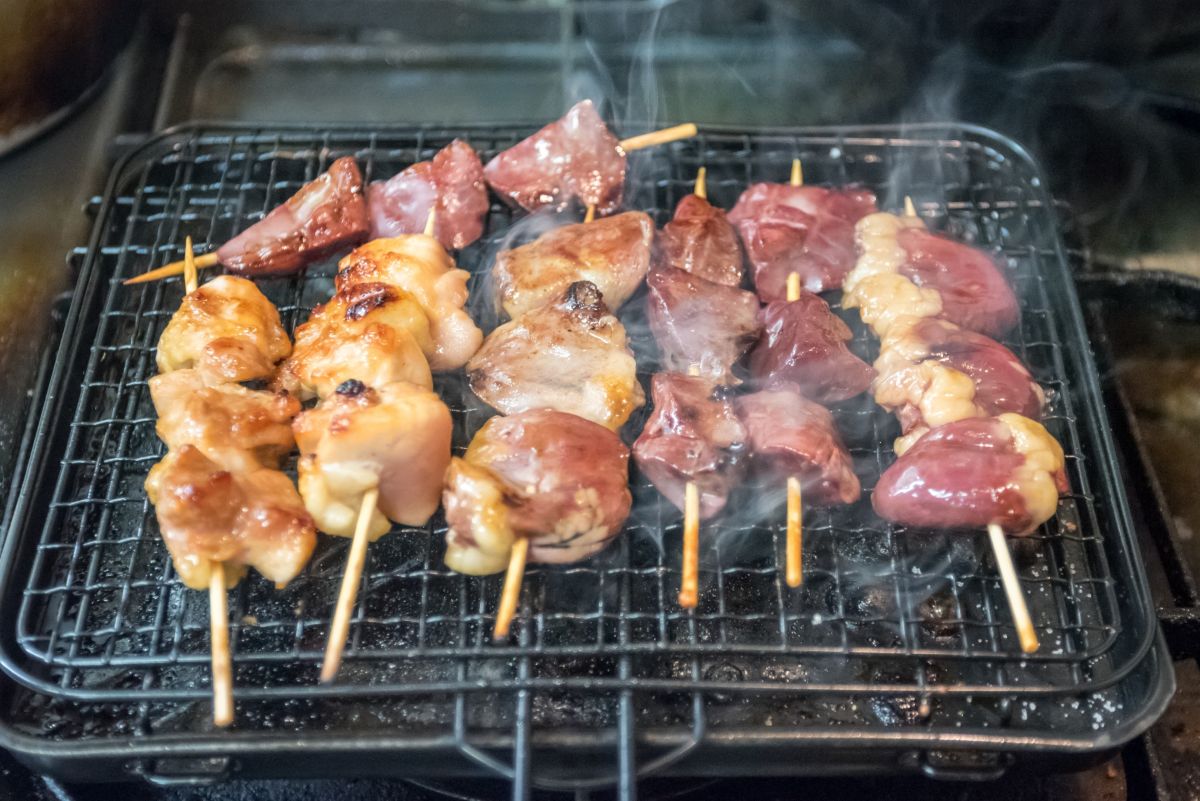
An outdoor grill gives chicken heart yakitori a smoky, restaurant-like flavor. Cook the skewers over medium-high heat and turn them often so they brown evenly.
If the heat is too strong, move the skewers to a cooler part of the grill. Chicken hearts are small, so they can go from juicy to overcooked faster than you might expect.
How to Avoid Overcooking
Chicken hearts should be fully cooked, but they should not be cooked until dry. Watch for these signs: the outside is lightly charred or browned, the inside is no longer raw, and the texture still feels springy rather than stiff.
If you are new to cooking chicken hearts, cut one piece open to check doneness before serving. Once you get used to the timing, it becomes much easier to judge by feel.
“`
Shio vs Tare: Best Seasoning for Hatsu
In yakitori, many skewers are seasoned either with shio, meaning salt, or tare, a sweet-savory soy-based glaze. Hatsu works well with both.
“`
Shio: Salt-Grilled Chicken Hearts
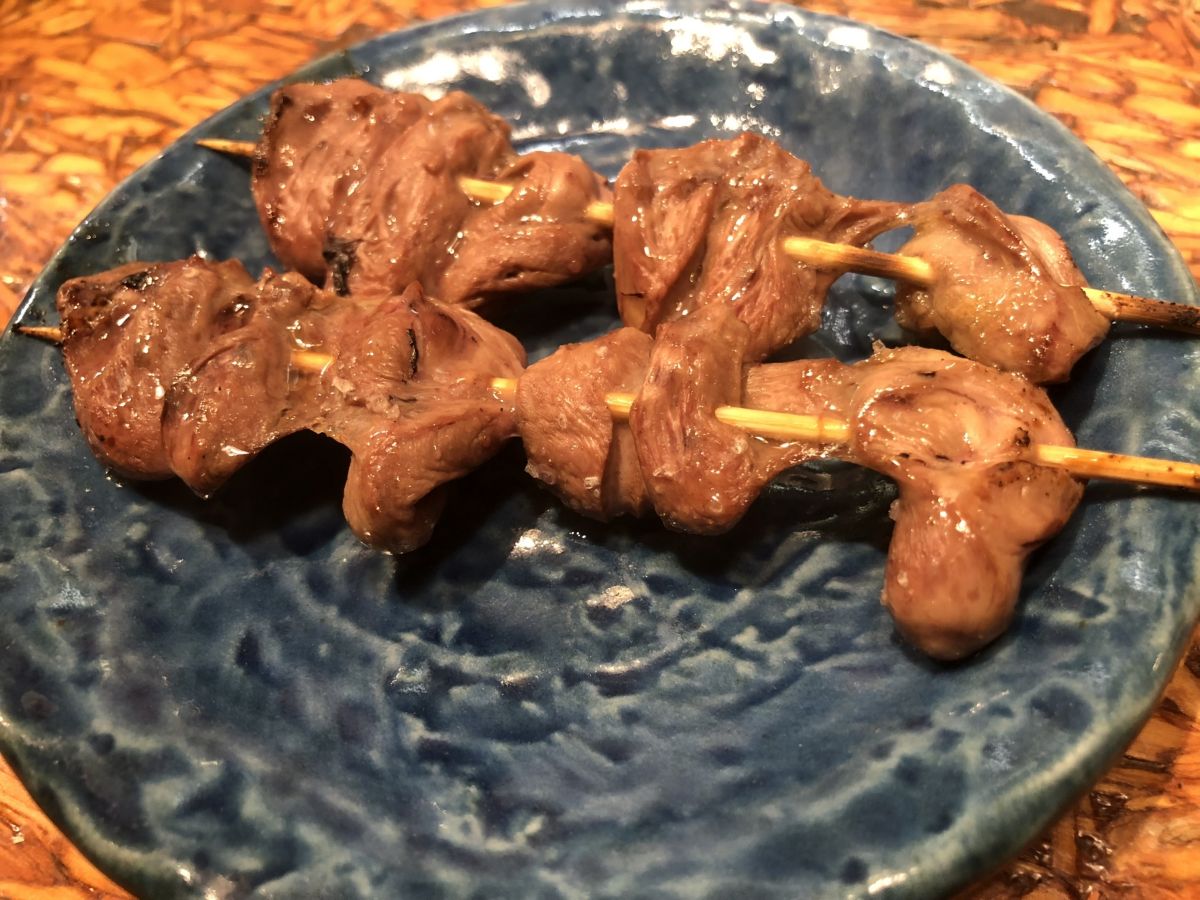
Shio is the best choice if you want to taste the chicken heart itself. A simple seasoning of salt and pepper brings out the clean, savory flavor and keeps the skewer light.
For serving, a squeeze of lemon can make the flavor brighter. A little shichimi togarashi, Japanese seven-spice chili, also works well if you like mild heat.
Tare: Sweet Soy Yakitori Glaze
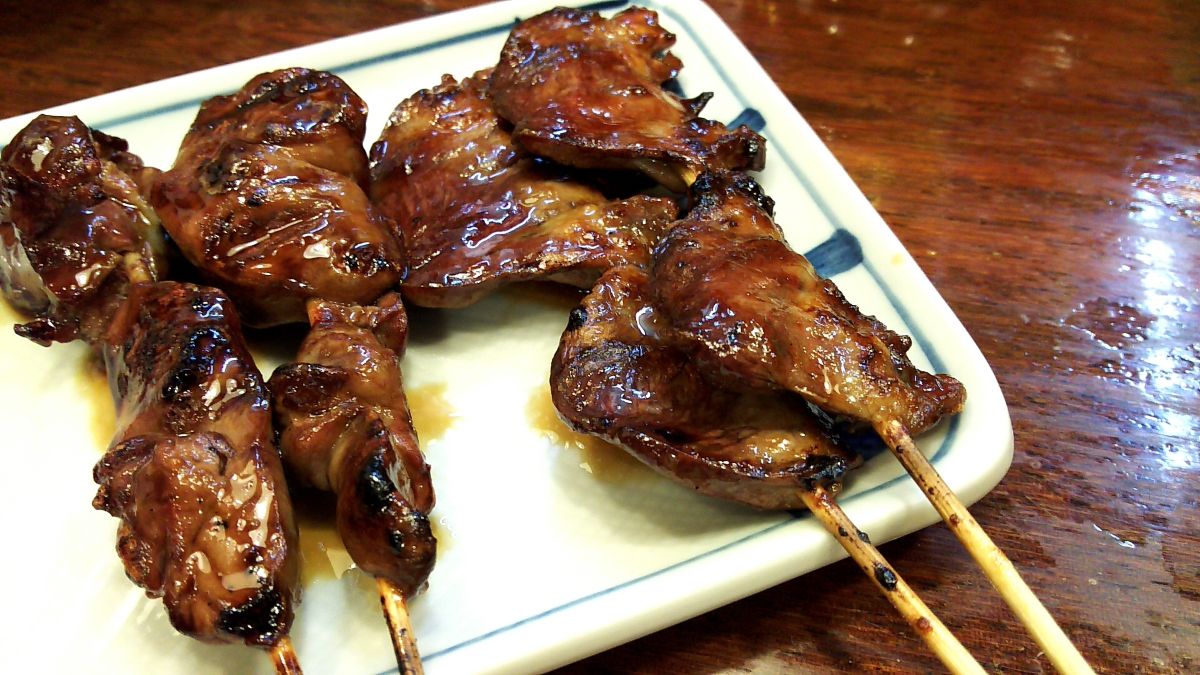
Tare gives hatsu a richer, more comforting flavor. The sweet soy glaze clings to the outside of the hearts and pairs nicely with their juiciness.
The important thing is timing. Tare contains sugar, so it burns easily. Cook the hearts first, then brush or spoon the tare on near the end. Let it glaze briefly, then add another light coating right before serving if you want extra shine and flavor.
Simple Homemade Yakitori Tare
You can make a simple tare with soy sauce, mirin, sake, and sugar. Add everything to a small saucepan and simmer until the sauce slightly thickens.
For a little extra aroma, you can add a small piece of ginger or garlic while simmering, then remove it before using the sauce. The tare should be glossy and lightly syrupy, not burned or overly thick.
“`
Japanese Names and Izakaya Terminology
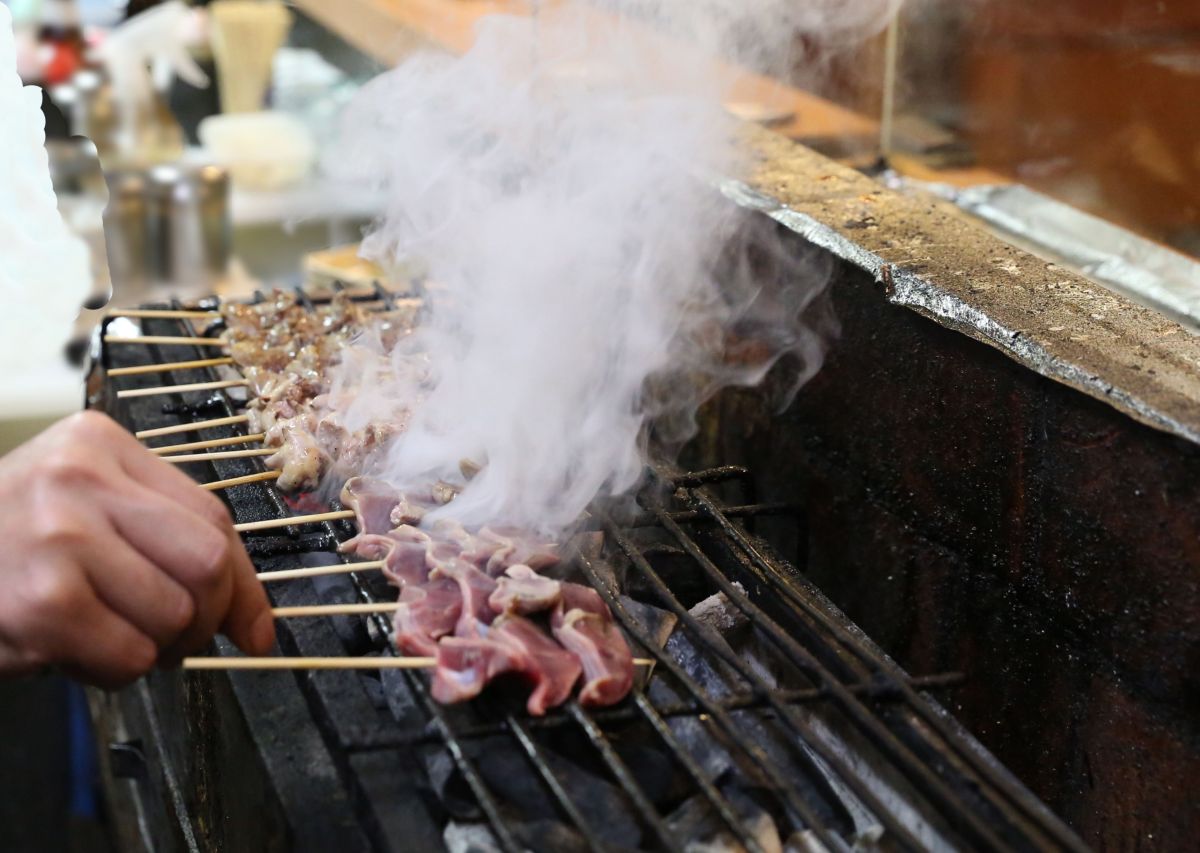
If you are visiting Japan or reading a yakitori menu, chicken heart may appear under a few different names. Knowing these terms makes ordering much easier.
“`
Hatsu / ハツ
Hatsu is the most common name for chicken heart yakitori. The word is often said to come from the English word “hearts,” adapted into Japanese pronunciation.
On a yakitori menu, ハツ usually means grilled chicken heart. It is a classic item at casual yakitori shops and izakaya.
Kokoro / こころ
Kokoro can also refer to chicken heart. In Japanese, kokoro means “heart” in a more emotional or spiritual sense, so it has a softer feeling than the direct organ name.
If you see こころ on a yakitori menu, there is a good chance it means chicken heart, though names can vary by restaurant.
Heart / ハート
Some modern restaurants may use heart or ハート on the menu. It usually points to the same basic cut: chicken heart.
Hatsu in Japanese Izakaya Culture
In Japan, hatsu sits in a nice middle place on the yakitori menu. It is familiar and affordable, but it still feels a little more adventurous than chicken thigh or chicken breast.
For someone exploring yakitori beyond the usual cuts, hatsu is a great next step. It is not too intense, it has a fun texture, and it gives you a taste of the deeper side of Japanese izakaya food culture.
“`