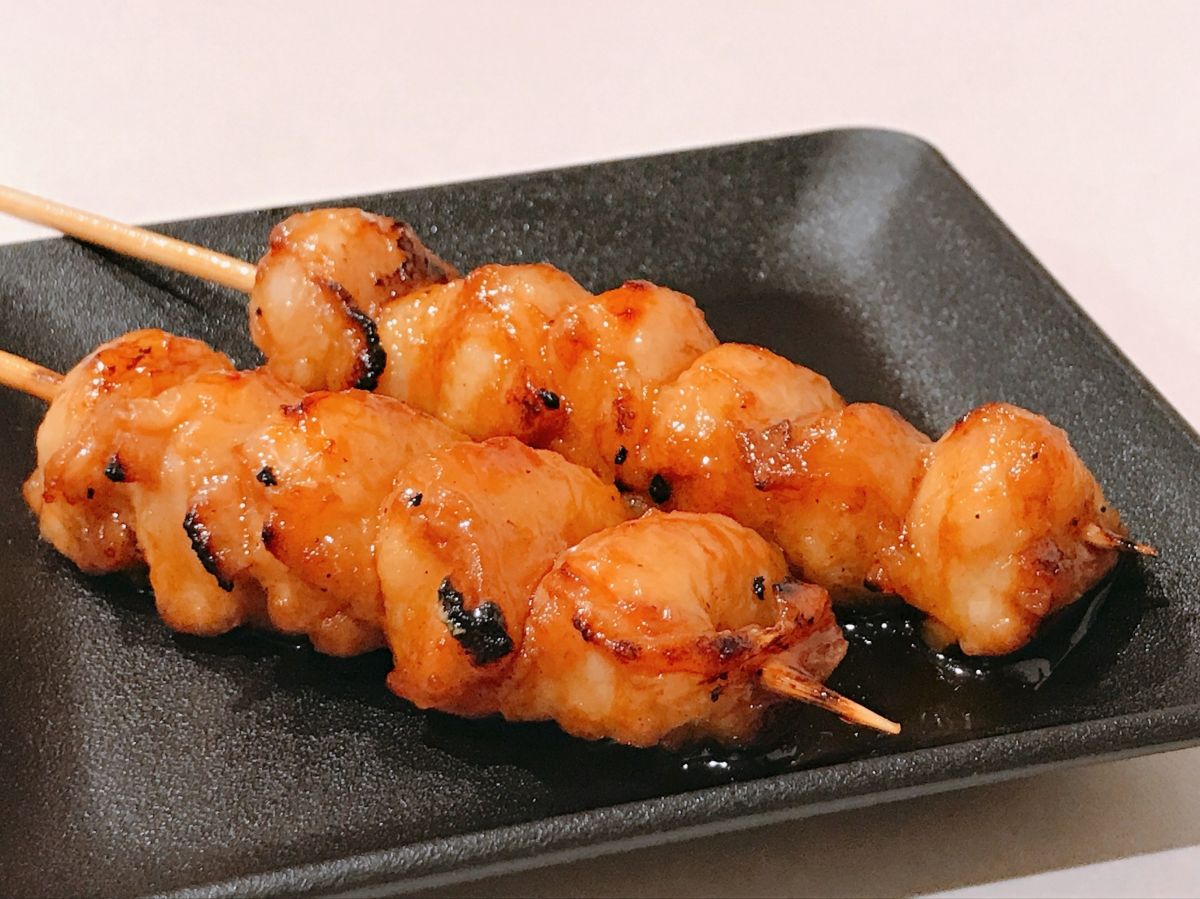
Momo yakitori is one of the most classic types of Japanese grilled chicken skewers. If you have seen “momo” on a yakitori menu and wondered what it means, the simple answer is this: momo is chicken thigh. It is juicy, flavorful, and one of the easiest yakitori cuts to enjoy, whether you order it at an izakaya or try making it at home.
What Is Momo Yakitori?
“`
Meaning of “Momo” in Yakitori
In Japanese yakitori, momo means chicken thigh. So when you order momo yakitori, you are usually ordering pieces of boneless chicken thigh grilled on a skewer.
Among many yakitori cuts, momo is one of the most familiar and popular. It has enough fat to stay juicy over heat, but it still tastes clean and meaty. For someone new to yakitori, momo is probably one of the best places to start.
Which Part of the Chicken Is Momo?
Momo comes from the thigh area of the chicken. Compared with chicken breast, thigh meat has more fat and a richer flavor. This is one reason it works so well for yakitori, especially when grilled over charcoal.
In some yakitori shops, chicken thigh can be treated with more detail. The upper thigh may be softer and juicier, while the lower thigh can have a firmer bite. You do not need to know every Japanese butcher term to enjoy momo, but it helps to understand that momo is not just “random chicken meat.” It is chosen because it grills beautifully.
Why Is Chicken Thigh Used for Yakitori?
Chicken thigh is used for momo yakitori because it stays moist, even when exposed to strong heat. Breast meat can become dry more easily, but thigh meat has a better balance of muscle, fat, and natural juices.
When momo is grilled, the fat helps create a savory aroma. If the chicken has skin attached, some of that fat can drip onto the heat source and create smoke, giving the skewer a deeper grilled flavor. This is one of the small things that makes yakitori feel different from ordinary grilled chicken.
“`
Momo vs Negima: What’s the Difference?
“`
Momo Is Usually Chicken Thigh Only
Momo yakitori is usually a skewer made mainly with chicken thigh pieces. The focus is on the flavor and texture of the chicken itself. It can be seasoned simply with salt or brushed with a sweet-savory tare sauce.
Negima Uses Chicken and Japanese Leek
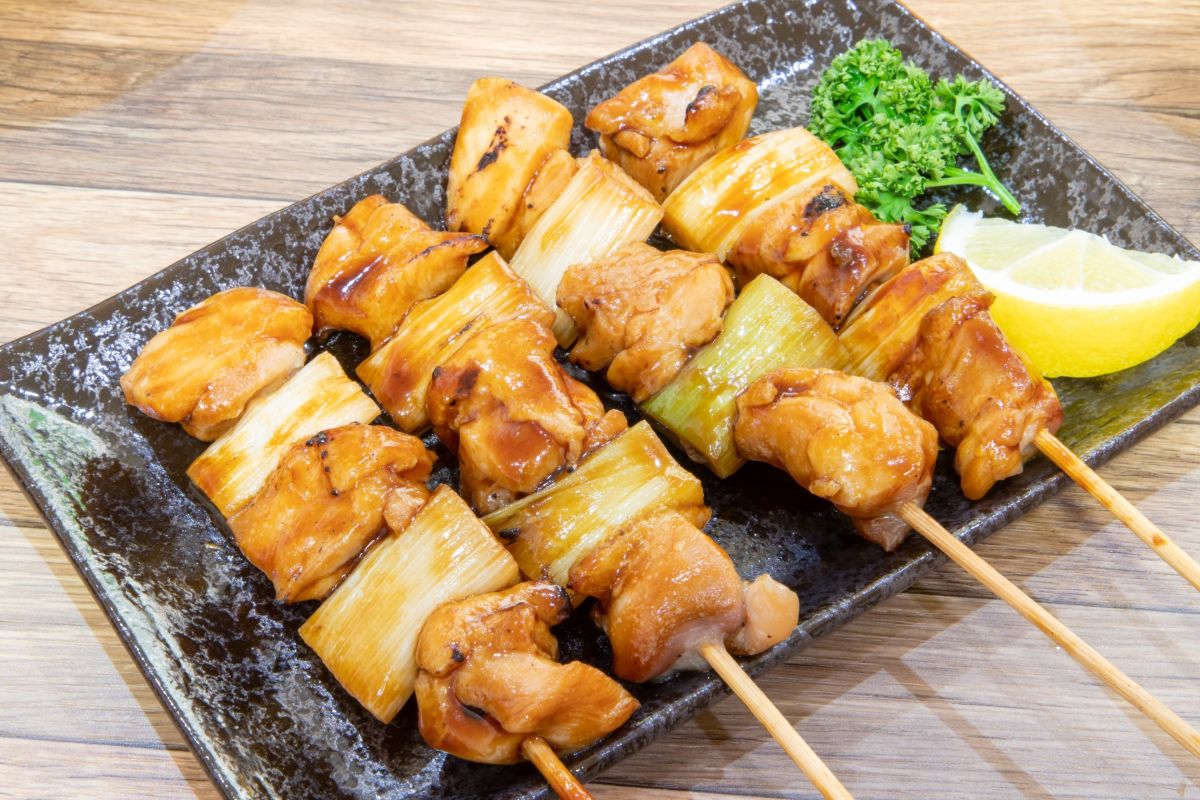
Negima is another popular yakitori skewer, but it includes pieces of chicken and Japanese leek, often placed alternately on the skewer. The chicken used in negima is often thigh meat, so momo and negima can taste similar in some ways.
The easiest way to remember the difference is this: momo is chicken thigh, while negima is chicken plus leek. The leek adds sweetness, aroma, and a soft smoky flavor when grilled.
| Yakitori Type | Main Ingredients | Flavor |
|---|---|---|
| Momo | Chicken thigh | Juicy, rich, and meaty |
| Negima | Chicken thigh and Japanese leek | Juicy chicken with sweet, smoky leek |
“`
Tare or Shio: Which Seasoning Is Best for Momo Yakitori?
“`
What Is Shio?
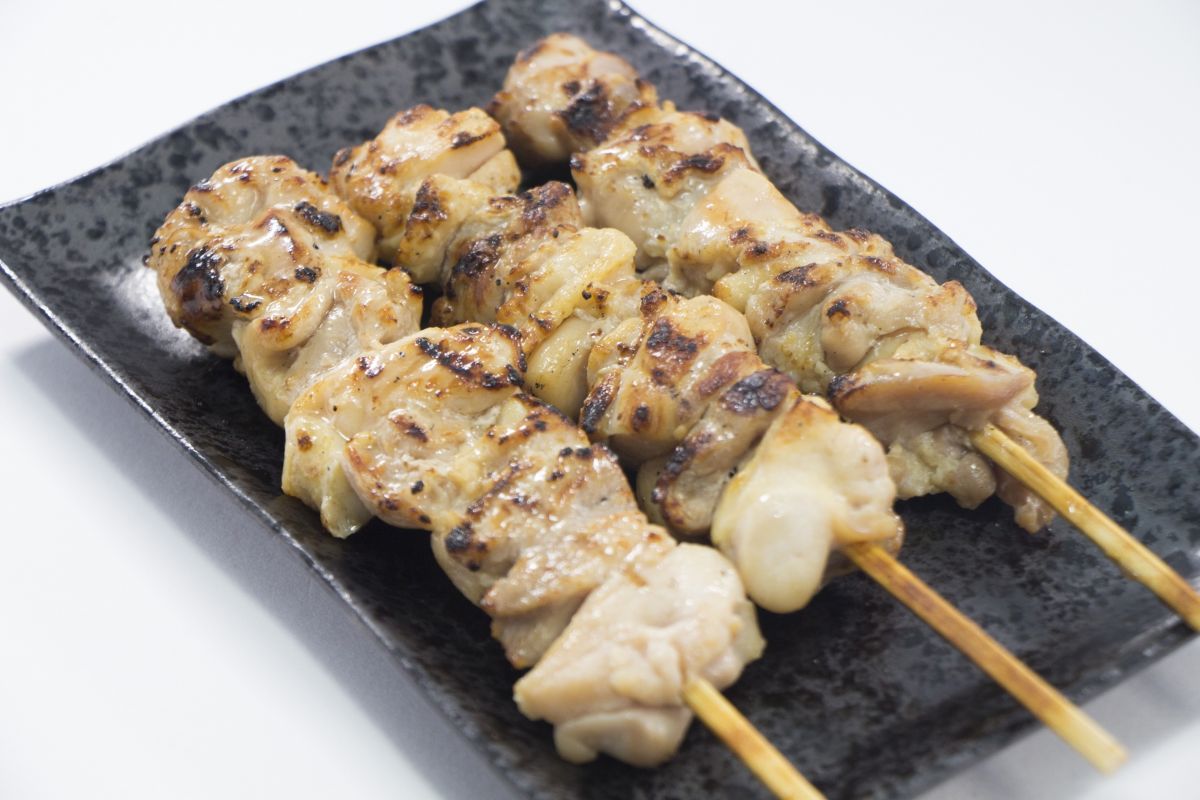
Shio means salt. For momo yakitori, shio is the simpler seasoning. It lets you taste the chicken thigh itself: the fat, the juices, and the smoky grilled aroma.
If I were trying momo yakitori for the first time, I would probably choose shio first. It gives a clear sense of what makes chicken thigh so good as yakitori.
What Is Tare?
Tare is a Japanese sweet-savory sauce often made with soy sauce, mirin, sake, and sugar. It is brushed onto the chicken while grilling, creating a glossy coating with a deep, slightly caramelized flavor.
Tare is very easy to like. It has the comfort of soy sauce, a little sweetness, and a rich grilled smell. If shio is the clean and simple version of momo yakitori, tare is the fuller and more flavorful version.
Which One Should You Choose?
Both shio and tare work well with momo yakitori. The better choice depends on what you want from the skewer.
| Seasoning | Best For | Taste |
|---|---|---|
| Shio | Tasting the natural flavor of chicken thigh | Simple, salty, juicy, and clean |
| Tare | A richer Japanese-style grilled flavor | Sweet, savory, glossy, and aromatic |
If you are ordering several skewers, trying one momo shio and one momo tare is a good idea. It is the easiest way to understand how much the seasoning changes the same cut of chicken.
“`
How to Make Authentic Momo Yakitori at Home
“`
Ingredients You Need
To make momo yakitori at home, you do not need many ingredients. The most important thing is to use boneless chicken thigh and cut it into pieces that grill evenly.
- Boneless chicken thigh
- Bamboo skewers or metal skewers
- Salt, if making shio momo yakitori
- Soy sauce
- Mirin
- Sake
- Sugar
- Optional: shichimi togarashi or sansho pepper
Basic Tare Sauce Ratio
For a simple homemade tare sauce, use a basic ratio that is easy to remember.
| Ingredient | Ratio |
|---|---|
| Soy sauce | 2 parts |
| Mirin | 2 parts |
| Sake | 1 part |
| Sugar | 1 part |
Add the ingredients to a small pan and simmer until the sauce becomes slightly thicker. You do not need to make it too heavy. A light glaze is enough because momo already has a lot of flavor.
How to Cut Chicken Thigh for Yakitori
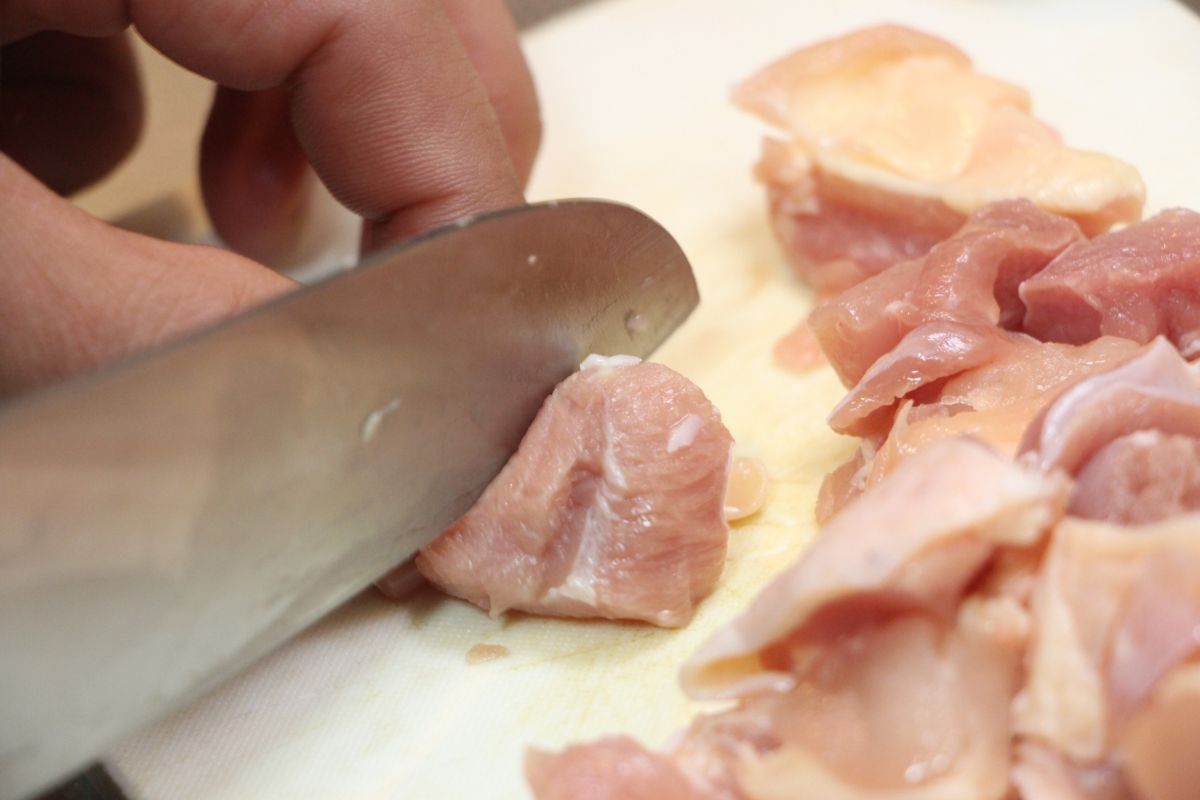
Start by spreading out the chicken thigh on a cutting board. If there is skin, gently stretch it so it sits evenly over the meat. Trim away large pieces of excess fat and any tough white tendons that may make the texture unpleasant.
Cut the chicken into bite-sized pieces with a fairly even thickness. Around 12 mm thick is a useful guide, though it does not have to be perfect. The goal is simple: each piece should cook at roughly the same speed.
For one skewer, around 40 g of chicken is a good target. If some pieces are bigger and others are smaller, place them carefully when skewering so the whole skewer feels balanced.
How to Skewer Momo Yakitori Properly
Skewering looks simple, but it changes how the chicken cooks. Try to push the skewer through the meat across the grain rather than along it. This helps the pieces stay stable and reduces twisting as the meat tightens over heat.
A good shape for momo yakitori is slightly wider near the top of the skewer and narrower toward the handle. In other words, place larger, thicker pieces closer to the tip and smaller pieces closer to the bottom. This makes the skewer easier to grill and also gives the first bite a satisfying size.
If you are using chicken with skin, be careful. The skin can be slippery and tougher than the meat. It is easier and safer to pierce the skin first, then pass the skewer through the meat. Keeping the skin facing the same direction also helps it crisp up better while grilling.
If you use bamboo skewers, soak them in water before grilling. This helps prevent the exposed parts from burning too quickly.
Charcoal, Binchotan, or Grill: What Should You Use?
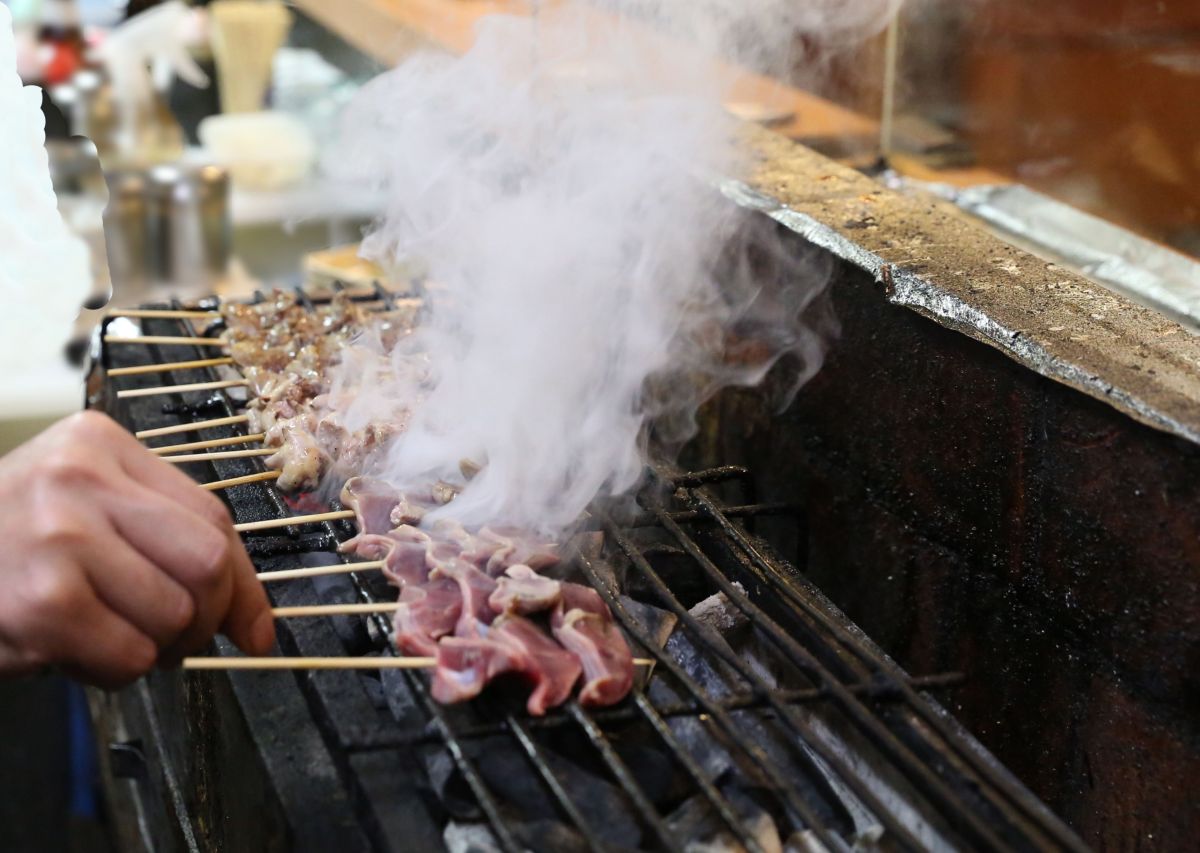
For the most authentic flavor, charcoal is ideal. In Japan, some yakitori shops use binchotan, a high-quality charcoal known for steady heat and a clean aroma. It helps cook the chicken strongly without making it taste harsh or smoky in a bad way.
That said, you can still make good momo yakitori at home without binchotan. A small charcoal grill, regular grill, broiler, or grill pan can all work. The main thing is to cook the chicken over fairly strong heat while turning it often enough to avoid burning.
For shio momo yakitori, season with salt before grilling. For tare momo yakitori, grill the chicken first, then brush on the tare during the later stage of cooking. If you add tare too early, the sugar in the sauce can burn before the chicken is fully cooked.
“`