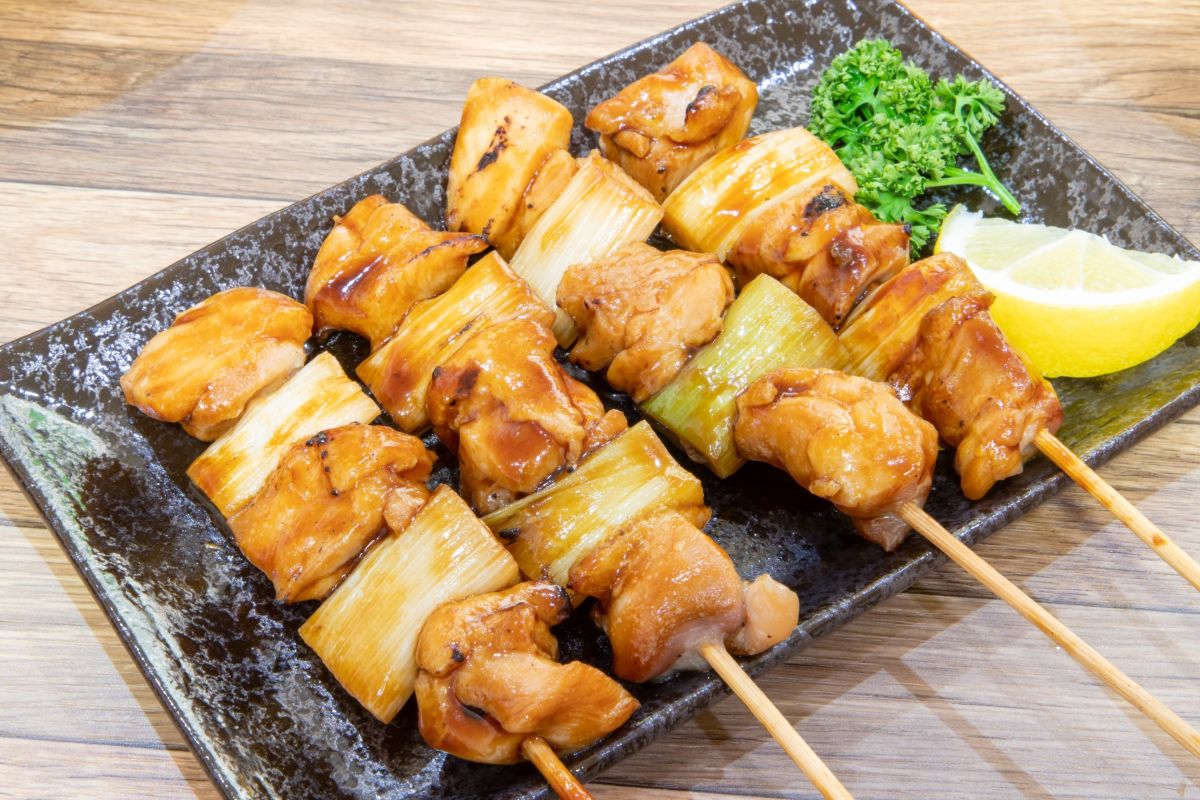
Negima yakitori is one of the easiest Japanese grilled skewers to love: juicy chicken, sweet grilled green onion, and either a simple salt seasoning or a glossy sweet-savory sauce. If you have seen it at an izakaya, eaten it in Japan, or want to make it at home, this guide walks through what negima is, how it is cooked, and how to enjoy it naturally in Japan.
What Is Negima Yakitori?
“`
The Basic Meaning of Negima
Negima yakitori is a Japanese grilled skewer made by alternating pieces of chicken and green onion on a bamboo skewer. In many yakitori restaurants, the chicken is usually chicken thigh, because it stays juicy over the heat and has enough flavor to stand up to grilling.
A simple way to describe it in English is:
Negima is a popular type of yakitori skewer that alternates pieces of chicken thigh and green onion.
The word yakitori refers broadly to Japanese grilled chicken skewers. Within that category, negima is one of the classic choices. It is not usually a rare or adventurous order. It is the kind of skewer many people start with because it feels familiar, balanced, and easy to enjoy.
What Does “Negima” Literally Mean?
At first glance, it is easy to assume that negima means chicken placed between pieces of negi, or Japanese green onion. That explanation sounds logical, but the older story is more surprising.
The “ma” in negima originally came from maguro, meaning tuna. In the Edo period, there was a dish called negima-nabe, a hot pot made with tuna and green onion. At the time, fatty tuna was not treated as the luxury ingredient it is today. Since it spoiled easily and was not as useful for preservation, people cooked it with green onion, soy sauce, sake, mirin, and broth.
Over time, tuna became more valuable as refrigeration improved and sushi culture changed. Using tuna for casual grilled skewers became less practical, and chicken eventually took its place. The ingredient changed, but the name negima remained.
So today’s negima yakitori is made with chicken, but its name still carries a small trace of old Tokyo food culture. That little twist is part of what makes this skewer more interesting than it looks.
How Negima Fits Into Yakitori Culture
Negima has a comfortable place in yakitori culture. It is simple enough for beginners, but still satisfying for people who already love yakitori. The chicken gives the skewer richness, while the green onion adds sweetness, aroma, and a lighter finish.
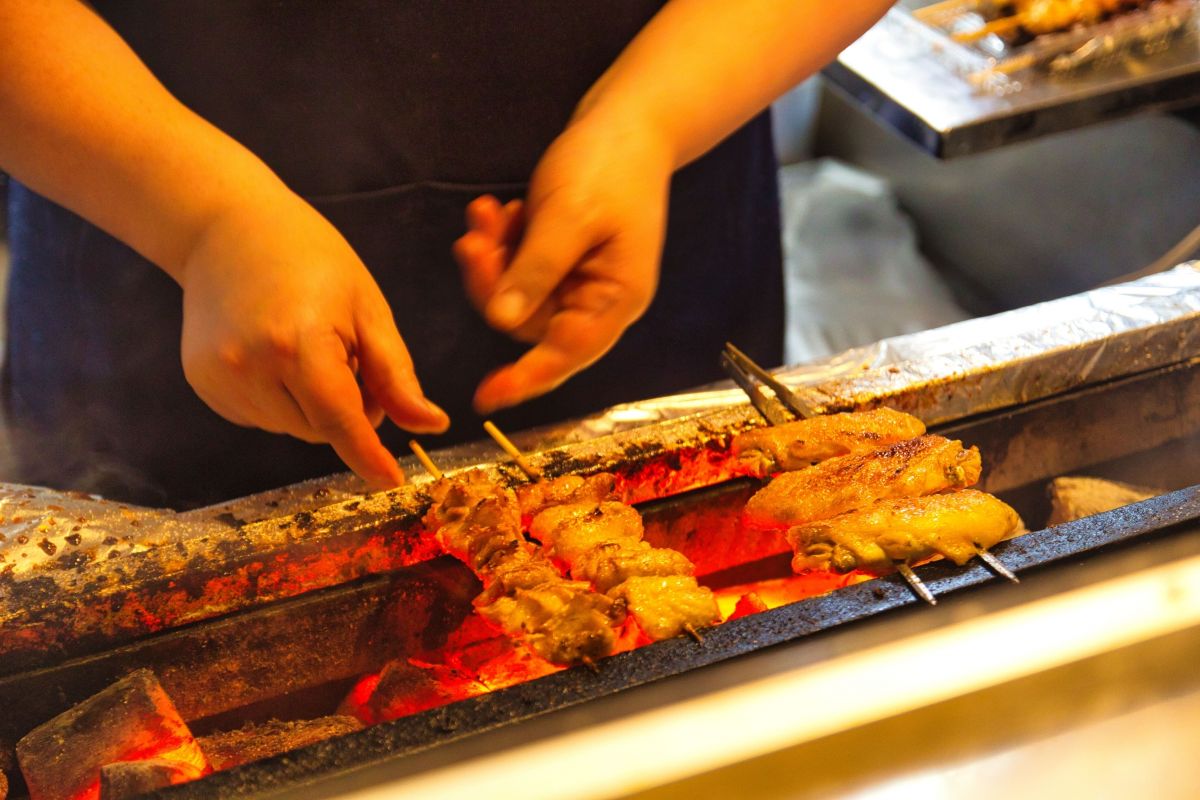
In Japan, you might find negima at casual izakaya, yakitori chains, small neighborhood restaurants, and serious counter-style yakitori shops. Some places season it with salt, some use tare sauce, and some may ask which one you prefer.
“`
What Ingredients Are Used in Negima Yakitori?
“`
Chicken Thigh Is the Classic Choice
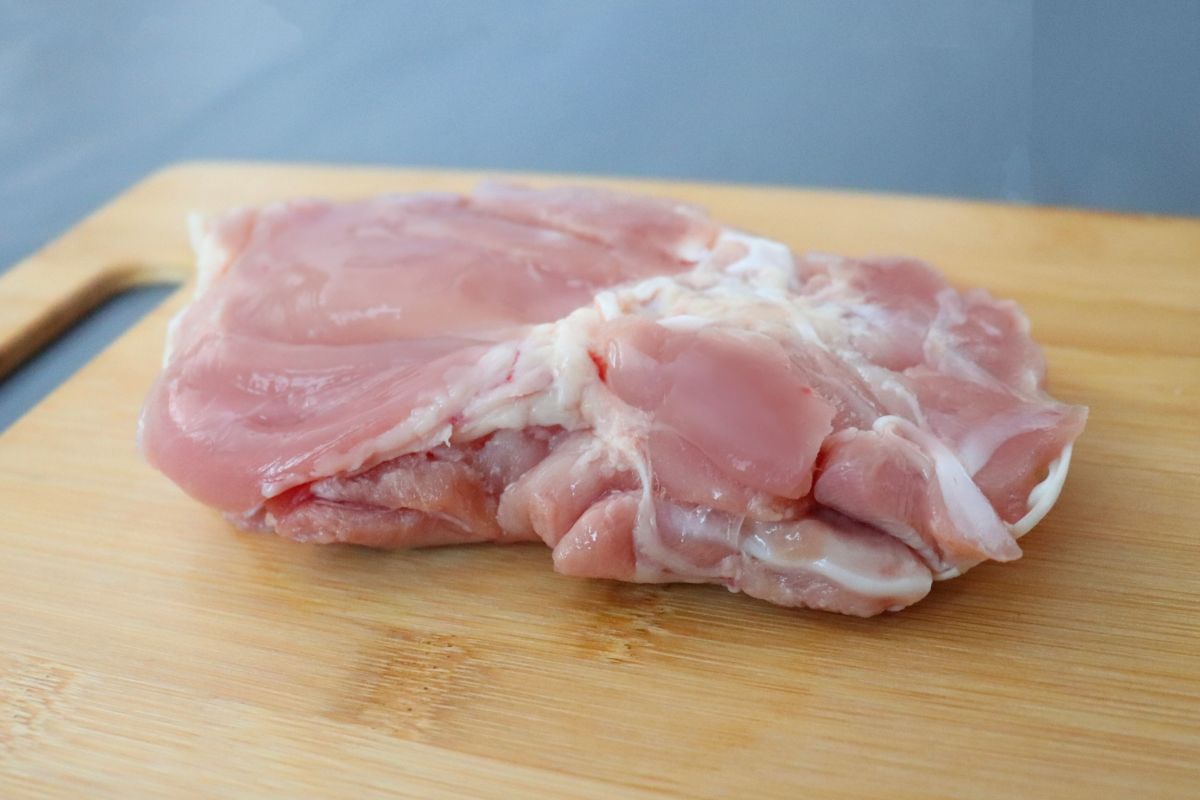
The most common cut for negima yakitori is chicken thigh. It has more fat and flavor than chicken breast, which helps it stay tender during grilling. When the outside gets lightly charred, the inside can still remain juicy.
For home cooking, boneless chicken thigh is the easiest option. If the skin is still attached, you can use it for extra flavor and crispness. Just try to cut the chicken into pieces of similar size so they cook evenly.
At more serious yakitori restaurants, chefs may separate the thigh into smaller sections and use different parts strategically. Some pieces are firmer, some are softer, and some are especially juicy. As a regular diner, you do not need to know all of these details to enjoy negima, but it explains why a simple skewer can taste surprisingly refined at a good yakitori shop.
Can Negima Be Made with Chicken Breast?
Yes, negima can be made with chicken breast, but it gives a different result. Chicken breast is leaner and lighter, which can be good if you want a lower-fat version. The trade-off is that it dries out more easily.
If you use chicken breast at home, cut it evenly and avoid overcooking it. A little oil, sauce, or short marinating time can help. Still, if you want the classic juicy texture of negima yakitori, chicken thigh is the better choice.
What Kind of Green Onion Is Used?
In Japan, negima usually uses naganegi, a thick Japanese long onion. In English, you may see it described in several ways:
- Japanese leek
- Japanese long onion
- Welsh onion
- Green onion
- Scallion
- Negi
These names can be a little confusing because Japanese naganegi is usually thicker and milder than the small scallions sold in many Western supermarkets. If you are explaining negima to someone, “chicken thigh and Japanese leek skewer” or “chicken and green onion yakitori” works well.
Why Chicken and Green Onion Work So Well Together
The pairing works because the two ingredients balance each other. Chicken thigh is rich, savory, and juicy. Green onion becomes sweet and fragrant when grilled. Eating them together keeps the skewer from feeling too heavy.
There is also a nutritional reason the combination makes sense. Chicken contains vitamin B1, while green onion contains aromatic sulfur compounds such as allicin. In Japanese home cooking, meat and green onion have long been seen as a smart pairing for energy and recovery, especially when you want something hearty but not too heavy.
“`
How to Make Negima Yakitori at Home
“`
Ingredients You Need
You do not need a professional yakitori setup to make a good version of negima at home. Start with simple ingredients and focus on even cutting and careful cooking.
- Boneless chicken thigh
- Japanese leek, thick green onion, or scallions
- Bamboo skewers
- Salt
- Sake, optional, for aroma and browning
- Oil, optional, especially if the onion is thick
- Tare sauce, optional
If you use bamboo skewers under a broiler or grill, soak them in water first. This helps reduce burning, especially at the exposed ends.
How to Cut the Chicken and Green Onion
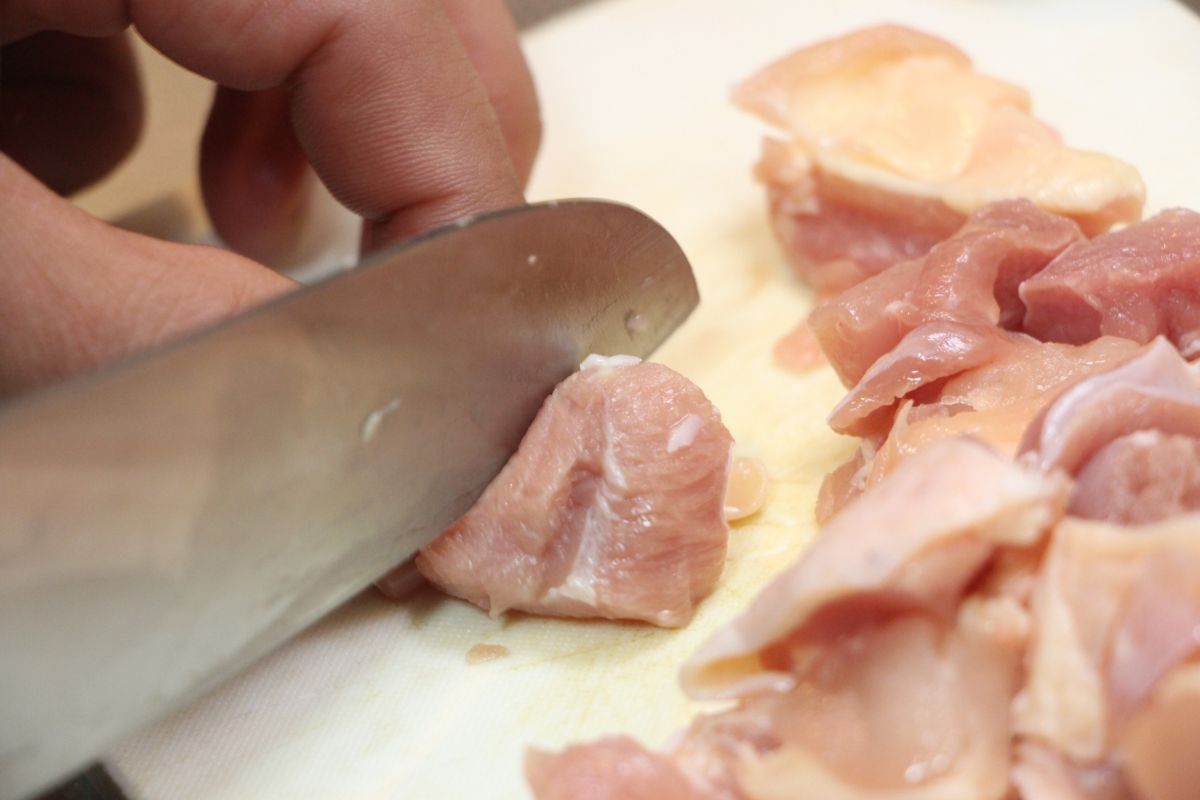
Cut the chicken into bite-sized pieces. Try to keep the size consistent, because uneven pieces cook unevenly. If one piece is much thicker than the others, it may still be undercooked when the smaller pieces are already done.
Cut the green onion into short sections, around 1 to 1.5 inches long. If you are using thick leek, cut it into manageable pieces so it can soften by the time the chicken is cooked.
How to Skewer Negima
Thread the chicken and green onion onto the skewer in an alternating pattern. A basic order is chicken, green onion, chicken, green onion, chicken. Leave a little space at the bottom so you can hold the skewer easily.
Try to pierce the green onion through the center. This helps it stay in place and cook more evenly. For the chicken, do not pack the pieces too tightly together. A little breathing room helps the heat reach more of the surface.
At yakitori restaurants, the shape and placement of each piece matters a lot. At home, you do not need to be perfect. The main goal is simple: similar-sized pieces, a stable skewer, and enough contact with heat to brown the outside.
“`
How to Cook Negima Without a Charcoal Grill
“`
The Traditional Method: Charcoal Grill
Traditional yakitori is grilled over charcoal. Charcoal gives the chicken a distinct aroma, strong heat, and lightly smoky character. This is one reason yakitori tastes so good at restaurants.
That said, charcoal is not required for a satisfying home version. A frying pan, oven broiler, or cast-iron grill pan can still make delicious negima yakitori.
How to Cook Negima in a Frying Pan
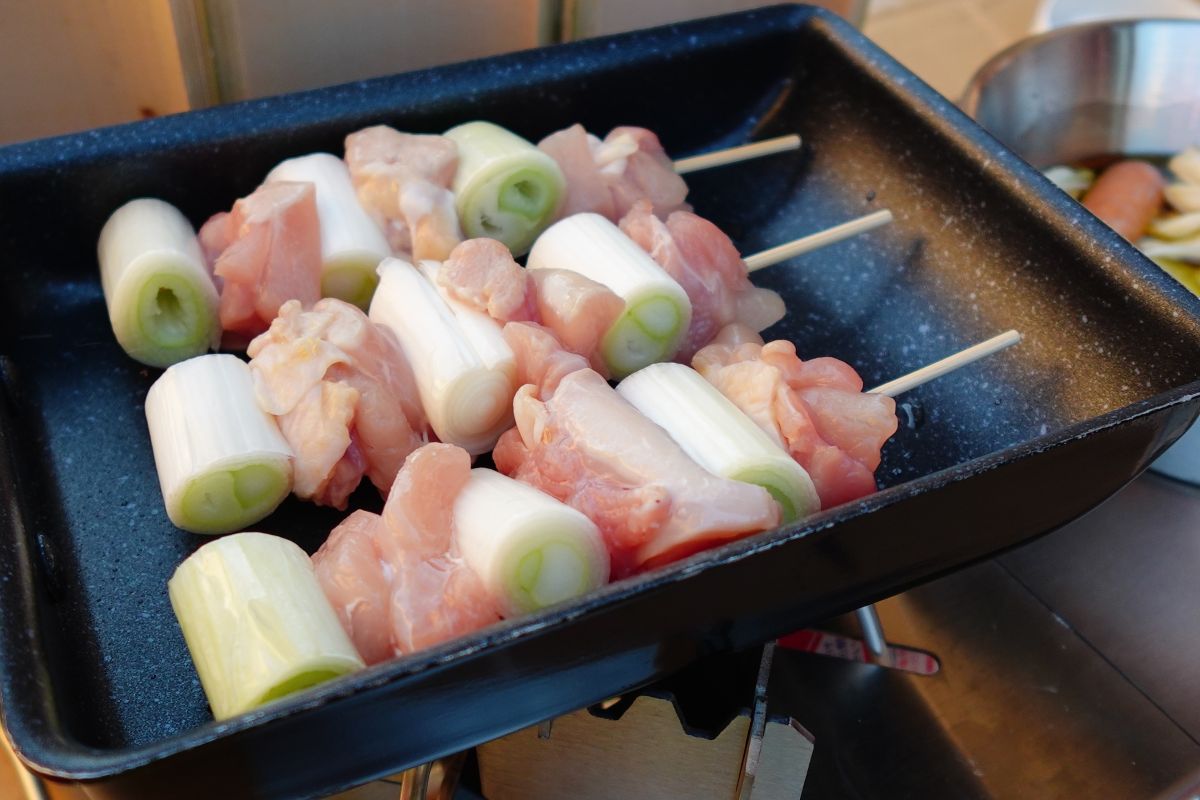
A frying pan is the most practical method for many home kitchens. Place the skewers in the pan and cook over medium heat. If the chicken has skin, start with the skin side facing down so it can brown first.
One useful trick is to cover the pan with a lid for part of the cooking time. This creates a gentle steaming effect, helping the chicken cook through and the green onion become soft and sweet. After that, remove the lid and let the surface brown.
If you are using tare, brush it on near the end of cooking. Sauce with sugar can burn quickly, so it is better to glaze after the chicken is mostly cooked.
How to Cook Negima Under an Oven Broiler
An oven broiler is a good option if you want more direct heat from above. Place the skewers on a foil-lined tray or wire rack and broil them, turning once or twice so both sides cook evenly.
For shio negima, season with salt before broiling. For tare negima, broil first, then brush with sauce during the later stage of cooking. You can brush, broil briefly, and repeat once more for a stronger glaze.
How to Use a Cast-Iron Grill Pan
A cast-iron grill pan is useful if you want grill marks and a more charred look. Preheat the pan well, then cook the skewers over medium to medium-high heat. The ridges help create browning, while the heavy pan holds heat better than a thin pan.
Watch the green onion carefully. It can burn before the chicken is cooked through, especially if the heat is too high. If that starts to happen, lower the heat and cook a little more slowly.
“`
How to Order Negima Yakitori in Japan
“`
Useful Phrases for Ordering
If you are visiting Japan, ordering negima is usually easy. You can simply say the name of the skewer and add the seasoning you want.
- Negima o kudasai. — Negima, please.
- Shio de onegaishimasu. — With salt, please.
- Tare de onegaishimasu. — With tare sauce, please.
- Omakase de onegaishimasu. — Chef’s choice, please.
In many casual places, pointing at the menu is completely normal. If the menu has English or pictures, ordering becomes even easier.
What Is Omakase at a Yakitori Restaurant?
Omakase means leaving the choice to the chef or restaurant. In a yakitori setting, it usually means the shop will serve recommended skewers in order.
This can be a fun way to eat if you are not sure what to choose. You might get negima, other chicken parts, vegetables, or seasonal skewers. If you have foods you cannot eat, it is better to say so before ordering omakase.
Should You Choose Shio or Tare in Japan?
Some restaurants will ask whether you want shio or tare. Others may choose the seasoning they think fits each skewer best. For negima, both are common.
If you like a clean grilled flavor, choose shio. If you want a sweeter, richer taste, choose tare. If you are at a specialized yakitori counter, following the chef’s recommendation is usually a good idea.
“`
Izakaya Etiquette: How to Eat Negima Yakitori
“`
Should You Eat Yakitori Directly from the Skewer?
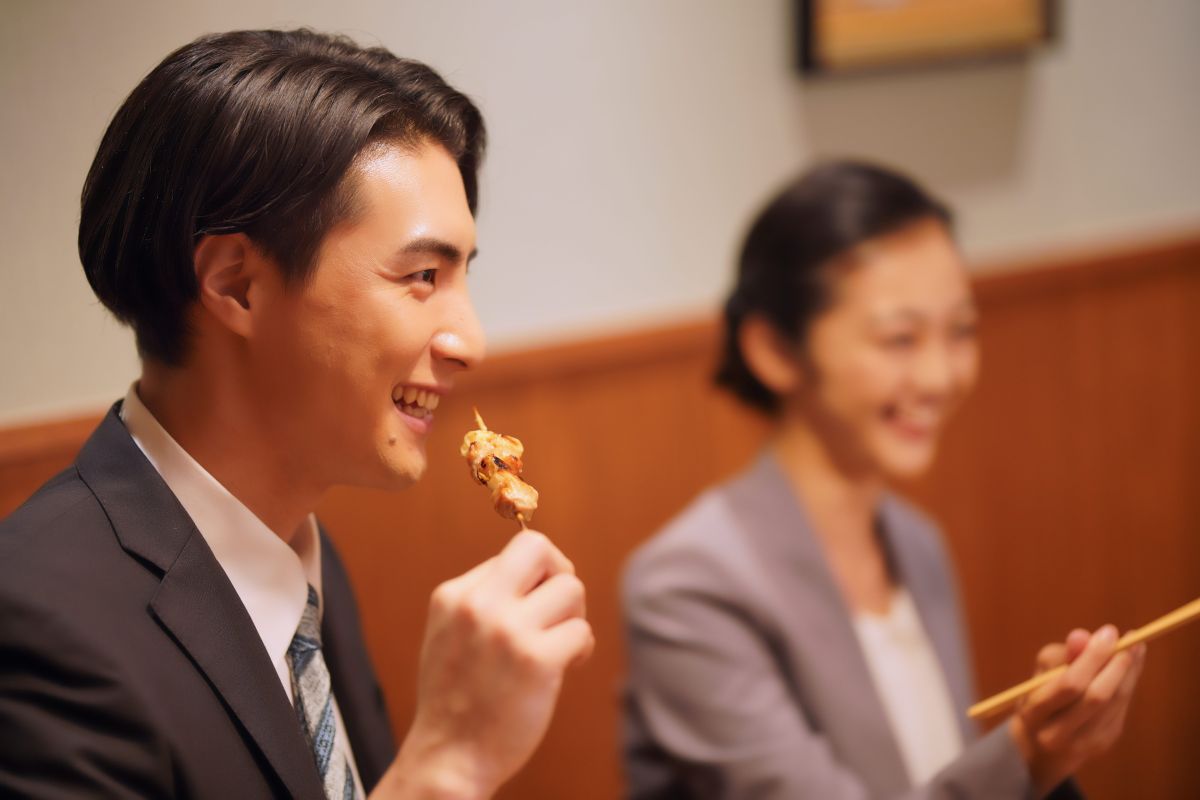
In most cases, yes. Yakitori is designed to be eaten directly from the skewer. The pieces are arranged in a certain order, and the experience is part of the dish.
This is especially true at a yakitori counter, where the cook has carefully skewered and grilled each piece. Eating it straight from the skewer feels more natural and shows quiet respect for the way it was prepared.
Is It Okay to Remove the Meat from the Skewer?
At casual izakaya, some groups remove the meat from skewers to share. You may see this happen, and it is not a shocking mistake. Still, it is not always the best way to enjoy yakitori.
If you are unsure, eat negima directly from the skewer. This is the safer and more traditional choice, especially in a smaller yakitori restaurant.
What Should You Do with Finished Skewers?
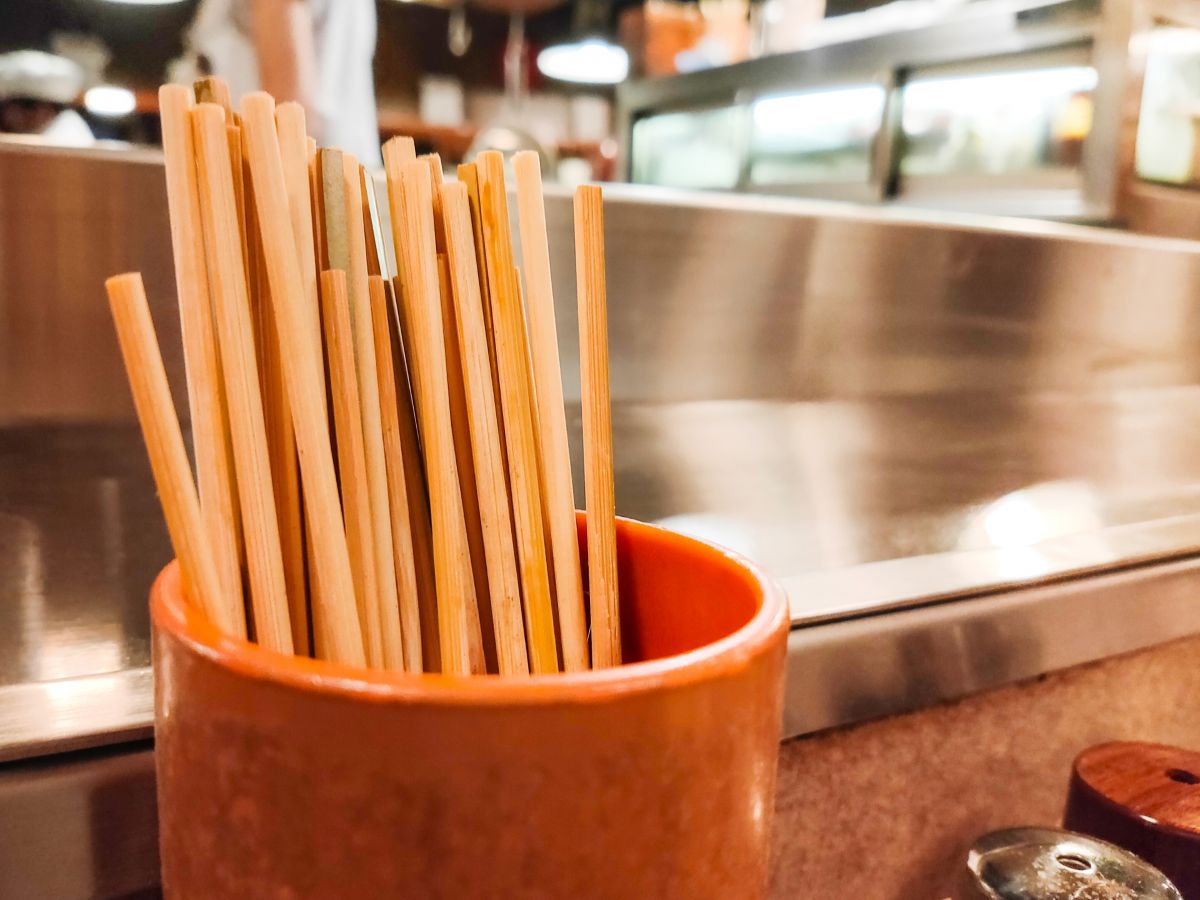
Many izakaya provide a small container or cup for finished skewers. If you see one on the table, place your empty skewers there.
If there is no skewer holder, keep the used skewers together neatly on the edge of your plate. Avoid putting them in random dishes, sauce plates, or anywhere that might make extra work for the staff.
“`